Have you ever found yourself locked out and wondered if there’s a quick way to get back inside without a key? Knowing how to pick a deadbolt with a knife might sound surprising, but it’s a skill that could save you in an emergency.
Imagine the relief of opening a locked door when you’re stuck outside, without calling a locksmith or breaking the door. In this guide, you’ll discover simple steps anyone can follow to unlock a deadbolt using just a basic knife. Keep reading, and you’ll gain practical knowledge that might come in handy when you least expect it.

Credit: www.youtube.com
Tools Needed
Picking a deadbolt with a knife needs the right tools. Without them, the task becomes hard or impossible. Tools help you work carefully and safely.
Here are the main tools you need to try this method. Each tool has a special role in the process. Knowing which to use can save time and avoid damage.
Choosing The Right Knife
Pick a thin, stiff knife with a strong blade. A butter knife or a small kitchen knife works well.
The blade should fit easily between the door and the frame. It must not bend or break during use.
A dull knife blade is safer. It reduces the risk of cutting yourself while working.
Additional Helpful Items
A tension wrench or a small flathead screwdriver helps apply pressure inside the lock. This tool holds the pins in place.
A flashlight shines light on the lock’s inner parts. It helps to see better while working.
Gloves protect your hands from sharp edges and slips. They make the process safer and more comfortable.
Deadbolt Mechanism Basics
Understanding how deadbolts work is important before trying to pick one with a knife. Deadbolts are a type of lock that provides strong security. They are common on doors and harder to open without the right key. Knowing the basics helps to see why they are tough to pick.
How Deadbolts Work
Deadbolts use a solid metal bolt to lock the door. The bolt slides into a hole in the door frame. This bolt moves only when the key or thumb turn turns the lock cylinder. There is no spring inside to push the bolt. This makes the lock very secure and hard to force open.
The key turns pins inside the cylinder to line them up. When pins match the key’s shape, the cylinder spins. This action moves the bolt out or in. Without the correct key, the pins block the cylinder from turning.
Common Lock Types
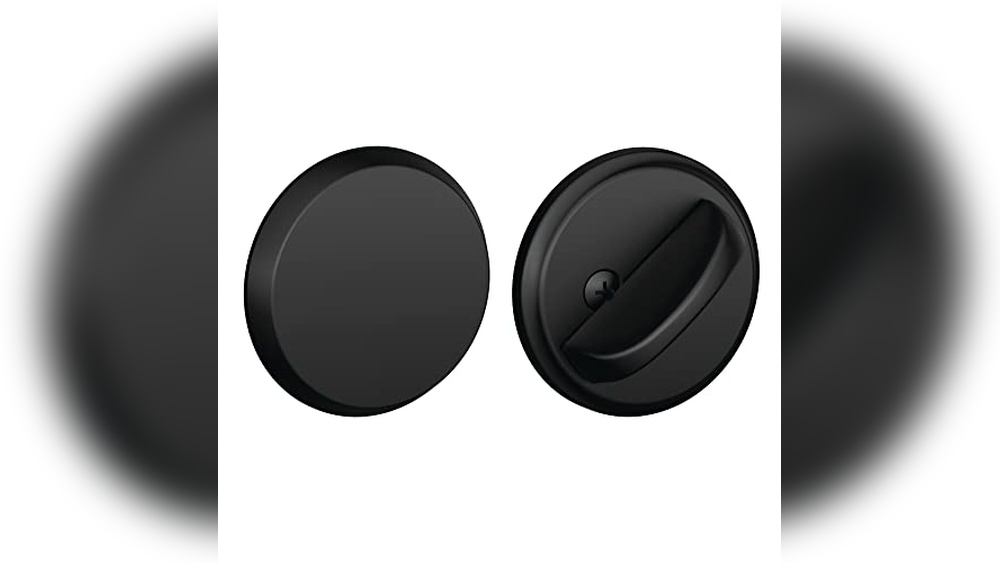
There are two main types of deadbolt locks: single cylinder and double cylinder. Single cylinder deadbolts have a keyhole outside. Inside, a thumb turn controls the bolt. Double cylinder deadbolts need a key on both sides. This adds security but can be tricky in emergencies.
Some deadbolts are grade 1, 2, or 3. Grade 1 is the strongest and often used for commercial doors. Grade 2 and 3 are common for homes. The grade shows how well the lock resists force and picking.
Preparing The Lock
Preparing the lock is the first step in picking a deadbolt with a knife. Careful preparation helps increase the chance of success. It involves examining the lock and placing the knife properly. Both steps require patience and focus.
Assessing Lock Condition
Check the lock carefully before starting. Look for any damage or rust. A smooth lock is easier to pick. Notice if the keyhole is clean or dirty. Dirt can block the knife’s movement. Make sure the lock moves freely when you turn the knob.
Positioning The Knife
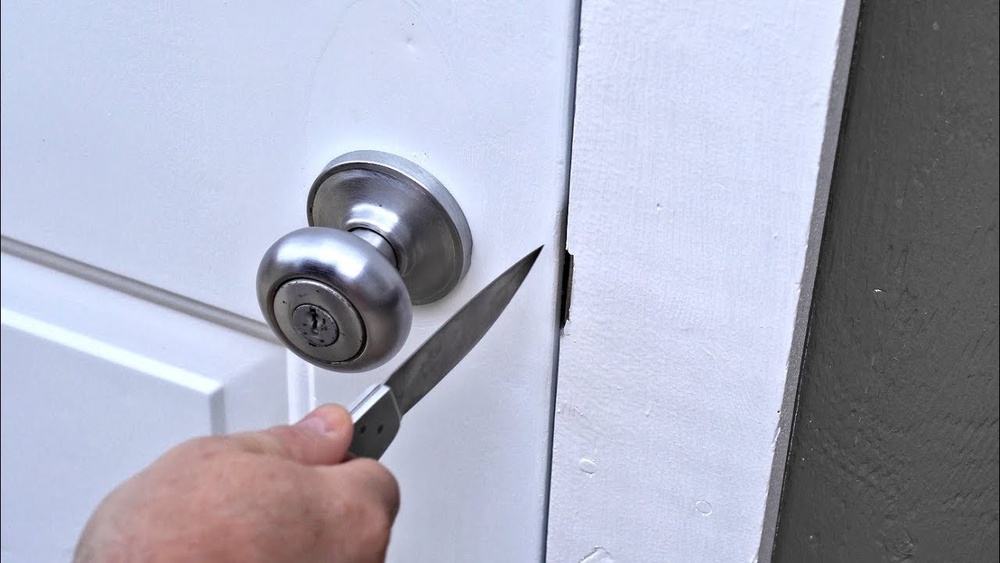
Hold the knife steady and close to the keyhole. Insert the blade gently inside the lock. The knife should fit without forcing. Aim to reach the pins inside the lock. Keep the knife at a slight angle. This helps to push the pins up one by one.
Credit: theknifeconnection.com
Picking Techniques
Picking a deadbolt with a knife requires patience and careful technique. The process is delicate and needs steady hands. You must understand how the lock works to apply the right movements. Here are the key picking techniques that can help you proceed safely and effectively.
Applying Torque
Start by applying gentle torque to the lock cylinder. Use the knife blade as a tension wrench. Hold the knife firmly and twist slowly. Too much force can break the blade or damage the lock. The right amount of torque sets the pins in place one by one. Keep the pressure steady and do not rush.
Manipulating The Pins
Use the tip of the knife to lift the pins inside the lock. Slide the blade carefully into the keyhole above the tension point. Push each pin upwards gently. Feel for resistance and release as the pin moves. Lift the pins one by one until they reach the shear line. This step demands patience and a light touch.
Feeling For Feedback
Listen and feel for small clicks or movements inside the lock. These signs tell you when a pin is set correctly. The lock will become easier to turn as more pins are set. Pay close attention to changes in resistance. This feedback guides your next moves. Moving too fast can miss important signals.
Troubleshooting Tips
Troubles can happen while picking a deadbolt with a knife. Knowing how to fix common problems helps you stay calm and safe. Use simple tricks to handle tough locks and protect your tools. This section shares easy tips for better results.
Dealing With Stubborn Locks
Sometimes the lock does not turn easily. Try moving the knife gently back and forth. Use small, slow movements to avoid breaking the knife. Press lightly but firmly on the knife’s edge. If the lock stays stuck, pause and try again. Rushing can make the lock harder to open.
Avoiding Damage
Protect the knife and lock from harm. Use a flat, thin knife to reduce scratches. Do not force the knife into the lock. Forcing can bend or break the blade. Keep your hands steady to avoid slipping. Damaged tools or locks cause bigger problems later.

Credit: www.lockpickworld.com
Legal And Safety Considerations
Picking a deadbolt with a knife may seem simple, but there are important legal and safety points to know. Understanding these rules helps avoid trouble and injury. Always respect laws and act carefully. This section explains what is allowed and how to stay safe.
When Picking Is Permitted
Picking locks is usually illegal without permission. It is allowed only in certain cases. For example, you may pick your own lock if you lost the key. Locksmiths can pick locks with the owner’s consent. Some places allow picking for training or education. Always check local laws before trying to pick a deadbolt. Doing it without permission can lead to fines or worse.
Staying Safe
Using a knife to pick a lock is risky. Knives can slip and cause cuts or injuries. Wear gloves to protect your hands. Use steady, slow movements to avoid accidents. Keep others away while you try to pick a lock. Never use too much force. Stop immediately if the knife bends or breaks. Safety must come first in every step.
Frequently Asked Questions
Can You Pick A Deadbolt With A Knife Easily?
Picking a deadbolt with a knife is challenging and requires skill. It is not recommended for beginners. Proper tools work better for quick, safe entry.
What Knife Type Works Best For Picking Deadbolts?
A thin, rigid knife like a utility or butter knife works best. Flexible or thick knives usually fail to manipulate deadbolt mechanisms effectively.
Is Picking A Deadbolt With A Knife Legal?
Laws vary by location. Picking locks without permission is illegal and punishable. Always ensure you have legal rights before attempting lock picking.
How Does A Knife Manipulate A Deadbolt Lock?
A knife can slide between the door and frame to push the bolt. This method works on poorly installed or low-quality deadbolts only.
Conclusion
Picking a deadbolt with a knife takes patience and care. This skill is not for everyone and needs practice. Always respect others’ property and use this knowledge responsibly. Safety matters. Keep trying slowly and stay calm. Understanding how locks work helps a lot.
Remember, not all deadbolts can be picked easily. Stay safe and make smart choices.