Have you ever found yourself locked out of your own home, staring at a stubborn deadbolt that just won’t budge? Knowing how to lock pick a deadbolt can save you time, money, and stress when you’re in a pinch.
Imagine the confidence you’ll feel when you can quietly and skillfully unlock that door without calling a locksmith or breaking anything. In this guide, you’ll discover simple, step-by-step techniques that anyone can learn. Ready to take control of your security and unlock new skills?
Keep reading—you’re about to gain a practical talent that could come in handy when you least expect it.

Credit: www.youtube.com
Tools Needed For Deadbolt Picking
Picking a deadbolt requires specific tools to work well. Having the right tools makes the process smoother and more efficient. These tools help you feel and move the pins inside the lock carefully. Understanding the tools needed is the first step to learning deadbolt picking.
Essential Picks And Tension Wrenches
Two main tools are essential for deadbolt picking. The first is a pick. It comes in many shapes. A hook pick is good for single-pin picking. A rake pick moves quickly over pins to set them fast.
The second tool is the tension wrench. It applies slight pressure to turn the lock plug. This pressure holds pins in place as you pick them. Without tension, the lock won’t turn.
Good picks and tension wrenches are made of strong metal. They must be thin to fit inside the lock. The right size helps you work with ease.
Optional Tools For Efficiency
Some tools are not necessary but help pick locks faster. A pick gun uses a quick snap to move pins. It can save time but needs skill to use.
A transparent practice lock shows the pins inside. This helps beginners learn how pins move. It is a great training tool.
Lubricants help pins move smoothly. They reduce friction inside the lock. This makes picking easier and protects your tools.
How Deadbolt Locks Work
Understanding how deadbolt locks work helps you grasp the basics of lock picking. Deadbolts provide strong security for doors. Their design is simple but effective. Knowing their mechanism gives insight into their strength and weaknesses.
Basic Mechanism Of Deadbolt Locks
A deadbolt lock uses a solid metal bolt. This bolt slides into the door frame. It moves only when the correct key turns the lock cylinder. The bolt is thicker than a spring bolt, making it harder to force open. The lock cylinder contains pins that match the key cuts. Turning the key aligns the pins and moves the bolt.
Pin Configuration And Function
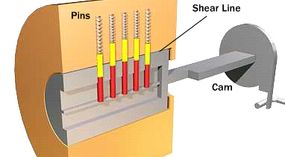
Inside the lock cylinder are several pins. Each pin is split into two parts: key pins and driver pins. The pins rest at different heights. The key lifts the pins to align perfectly at the shear line. This alignment allows the cylinder to turn freely. Without the correct key, pins block the cylinder from turning. The pin setup prevents unauthorized opening of the lock.
Preparing To Pick A Deadbolt
Preparing to pick a deadbolt is the first step to success. It sets the stage for smooth and precise work. Knowing what tools to use and how to handle them is key.
Deadbolts are tougher than regular locks. They need careful preparation. This helps avoid damage and saves time.
Choosing The Right Tools
Picking a deadbolt requires specific tools. A tension wrench and a pick are basic needs. The tension wrench applies pressure inside the lock. The pick lifts the pins to the right height.
Tools come in different shapes and sizes. Choose ones that fit your hand well. Thin, sturdy picks work best for deadbolts. Avoid cheap tools that bend or break easily.
Setting The Tension Correctly
Applying the right tension is crucial. Too much pressure can jam the lock. Too little pressure lets pins fall back down.
Hold the tension wrench firmly but gently. Turn it slowly in the direction the key would turn. Feel for slight resistance. This resistance helps the pins set one by one.
Practice small adjustments. Finding the sweet spot takes patience. Proper tension makes picking smooth and faster.

Credit: www.youtube.com
Step-by-step Deadbolt Picking Technique
Picking a deadbolt requires patience and a clear method. This step-by-step technique breaks down the process into simple actions. Each step focuses on careful movements to avoid damaging the lock. Follow these steps to understand the basic method of deadbolt picking.
Inserting The Tension Wrench
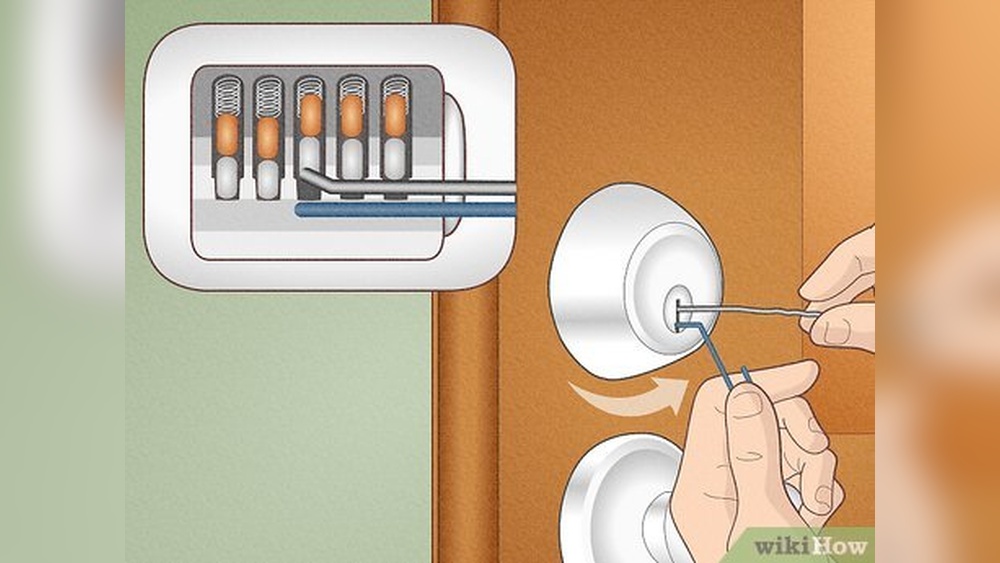
Start by placing the tension wrench into the bottom of the keyhole. Push it in just enough to feel resistance but not too tight. The wrench holds the lock pins in place during the picking process. Keep your grip steady and gentle.
Applying Light Torque
Apply a small amount of torque with the tension wrench. This slight pressure is needed to turn the lock after pins are set. Do not twist too hard or the pins will reset. Light torque keeps the pins from falling back.
Using The Pick To Set Pins
Insert the pick into the top of the keyhole. Feel each pin and lift it slowly until it reaches the shear line. Move from pin to pin, lifting carefully. The goal is to set every pin at the right height.
Feeling For The Shear Line
The shear line is the point where the lock cylinder can turn freely. As you lift pins, you will feel slight clicks. These clicks mean pins have reached the shear line. Patience is key to sensing these small movements.
Turning The Lock Open
Once all pins are set, gently turn the tension wrench. The lock cylinder should rotate smoothly. Avoid forcing it, or the pins will drop again. With practice, this step becomes easier and faster.
Common Challenges And How To Overcome Them
Picking a deadbolt lock is not easy. Many challenges can stop you from opening it quickly. Knowing common problems helps you stay calm and try new ways. This section explains some common challenges and how to deal with them. Understanding these tips improves your chances of success and reduces frustration.
Dealing With Security Pins
Security pins make picking harder. They have special shapes that block normal tools. You feel a click or bump when you hit one. Use a light touch and patience. Push pins slowly to avoid pushing them too far. Try to lift each pin one by one. Listen carefully to small sounds or movements. This helps you know when the pin is set.
Avoiding Over-tightening
Too much force on the tension wrench causes problems. It can lock pins in place and stop them from moving. Use gentle pressure and keep it steady. Too loose and the pins won’t catch. Find a balance between tight and loose. Practice this to get a feel for the right pressure. It helps the pins move smoothly and makes picking easier.
Recognizing False Sets
A false set feels like progress but is not real. Pins may feel stuck even if they are not set properly. This can confuse you and waste time. When this happens, release the tension wrench slightly. Reset the pins by lifting them again. Use small movements to check each pin carefully. Patience and attention help you avoid false sets and keep moving forward.
Credit: home.howstuffworks.com
Safety And Legal Considerations
Learning how to pick a deadbolt can be useful. Yet, safety and legal rules matter a lot. Knowing these rules helps avoid trouble. It also keeps you and others safe. Understanding when and how to use lock picking skills is key. This section explains important safety and legal points.
When Picking Is Legal
Lock picking is legal in some cases only. Using it on your own locks is usually fine. Getting permission from the lock owner is very important. Picking locks without permission is against the law. Some places have strict rules about lock picking tools. Know local laws before trying to pick any lock.
Responsible Use Of Lock Picking Skills
Use lock picking skills with care and respect. Never try to open locks that do not belong to you. Practice only on locks you own or have permission to pick. Keep your tools safe and private. Teaching others about lock picking needs responsibility. Respect privacy and property to avoid legal trouble.
Improving Your Lock Picking Speed
Improving your lock picking speed takes time and focus. You need steady hands and clear mind. Practice builds muscle memory and sharpens your senses. The more you practice, the faster and smoother you become. Speed comes from confidence and knowing the lock’s feel. Concentrate on small improvements each session. Use deliberate, calm movements to avoid mistakes. Speed is a skill you develop gradually.
Practice Techniques
Start with simple locks to build your skill. Use a tension wrench and pick with light pressure. Try to feel each pin move under your pick. Repeat the process daily for short sessions. Focus on smooth, consistent motions. Time yourself to track progress. Use different locks to learn new patterns. Practicing regularly helps your fingers move faster. Patience and repetition are key to quick picking.
Advanced Picking Methods
Learn raking to speed up the process. Raking moves the pick back and forth quickly. It sets multiple pins at once. Combine raking with single pin picking for best results. Try using a bypass tool to reduce effort. Use feedback from the lock to adjust pressure. Practice tension control to avoid oversetting pins. Advanced methods take practice but improve speed a lot.
Alternative Methods For Quick Entry
Sometimes, a deadbolt lock can block quick entry. Knowing some alternative methods helps save time. These techniques work without traditional keys. They require careful handling and practice for safety. Here are two common ways to get through a deadbolt fast.
Bypassing Deadbolt Locks
Bypassing means avoiding the lock’s main mechanism. It does not need picking the pins inside. Instead, you try to slip a tool between the door and frame. This can push the bolt back enough to open the door.
Tools like shim strips or credit cards work well. Not all deadbolts allow bypassing; it depends on the design. Thin, flexible tools fit better in small gaps. Be gentle to avoid damage to the door or lock.
Using Bump Keys
Bump keys fit into a lock like a normal key. They have all the cuts at the lowest level. When tapped lightly, the pins inside jump momentarily. This brief moment lets the key turn and open the lock.
Using bump keys needs practice and care. The right force and timing are important. Not all locks respond to bump keys, especially high-security models. This method is quick but should be used responsibly.
Frequently Asked Questions
How Does A Deadbolt Lock Work?
A deadbolt secures doors by extending a solid metal bolt into the doorframe. It resists forced entry better than spring locks. Turning the key or thumbturn moves the bolt in or out, locking or unlocking the door securely.
What Tools Are Needed To Pick A Deadbolt?
To pick a deadbolt, you typically need a tension wrench and a pick tool. The tension wrench applies rotational pressure, while the pick manipulates pins inside the lock to align them for opening.
Is Lock Picking A Deadbolt Legal?
Lock picking is legal only with permission or for your own locks. Unauthorized picking can be illegal and considered breaking and entering. Always ensure you have the right to pick a lock before attempting.
How Difficult Is It To Pick A Deadbolt Lock?
Picking a deadbolt is moderately difficult and requires practice. It has multiple pins that must be precisely aligned. Skill and patience improve success, but some deadbolts have advanced security features making picking harder.
Conclusion
Learning how to pick a deadbolt takes patience and practice. Start slow and use the right tools carefully. Always respect the law and never use these skills on locks you do not own. This knowledge can help in emergencies or understanding lock mechanisms better.
Keep practicing in safe settings to improve your technique. Remember, safety and responsibility come first. Stay curious and keep learning.