Your home’s security depends a lot on one simple thing: your deadbolt lock. But what if your lock isn’t as strong as you think?
Reinforcing your deadbolt can make all the difference between feeling safe and worrying every time you hear a noise outside. You’ll discover easy, practical steps to make your deadbolt lock much tougher against break-ins. By the end, you’ll have the confidence that your door is truly secure.
Ready to protect what matters most? Let’s get started.
Credit: www.youtube.com
Choosing The Right Deadbolt
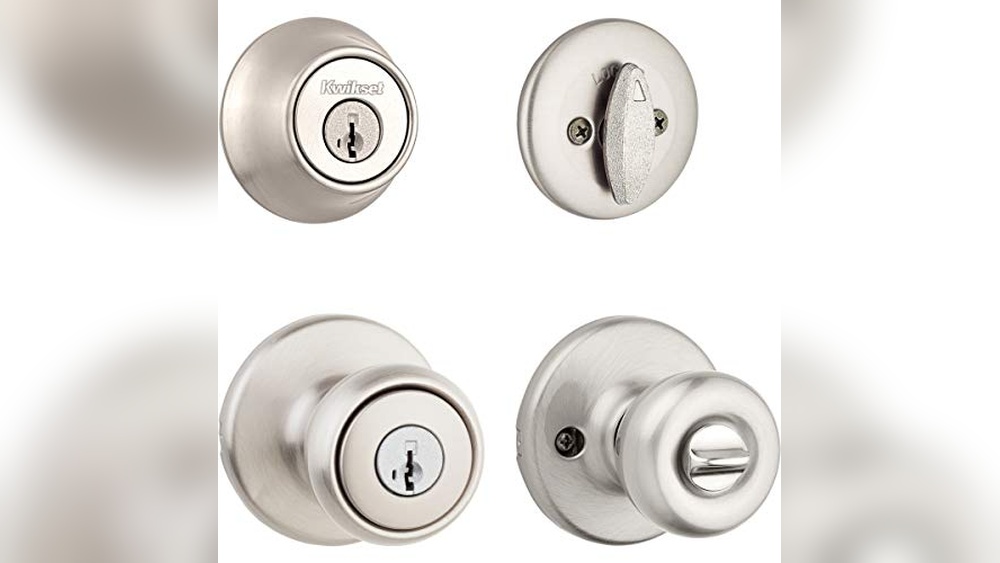
Choosing the right deadbolt is key to making your door secure. A good deadbolt stops unwanted visitors and gives peace of mind. This section explains how to pick a deadbolt that fits your needs.
Single Vs Double Cylinder
Single cylinder deadbolts use a key outside and a thumb turn inside. They are easy to use in emergencies. Double cylinder deadbolts need a key on both sides. They add extra security but can slow escape during fire. Choose based on your door type and safety needs.
Grade Ratings And Security Levels
Deadbolts have grades from 1 to 3. Grade 1 is the strongest and best for high security. Grade 2 suits average homes and offers good protection. Grade 3 is basic and fits low-risk areas. Check the grade to match your security level.
Material And Finish Options
Deadbolts come in different materials like brass, steel, and zinc. Steel is strong and resists force well. Brass looks nice and stops rust. Finishes like satin nickel or oil-rubbed bronze add style and resist wear. Pick material and finish to fit your door and climate.
Strengthening The Door Frame
Strengthening the door frame is a key step to secure a deadbolt lock. A strong frame helps stop forced entry. It supports the lock and keeps the door steady. Simple changes can make your door much harder to break.
Installing A Reinforced Strike Plate
The strike plate is the metal piece where the lock’s bolt fits. Most strike plates are thin and weak. Replace it with a reinforced strike plate made from heavy steel. This plate spreads force over a larger area. It reduces damage during a break-in attempt.
Using Longer Screws
Standard screws in strike plates are usually short. They only reach the door frame’s surface. Use screws that are at least 3 inches long. These screws go deep into the wall stud behind the frame. This makes the door frame much stronger and harder to kick open.
Adding A Door Jamb Reinforcer
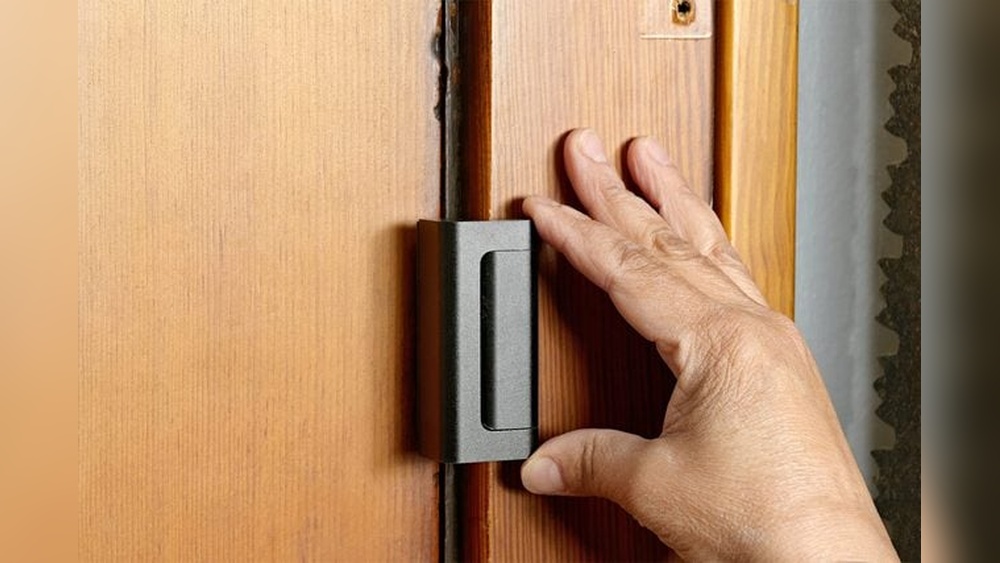
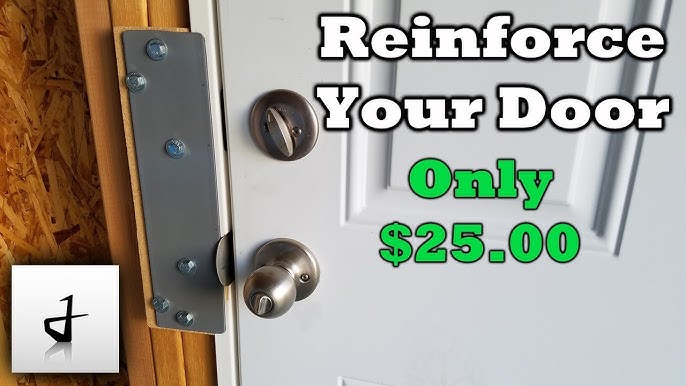
A door jamb reinforcer is a metal plate that wraps around the door frame. It protects the frame from splitting. It fits around the lock area and the strike plate. This reinforcer adds extra strength and keeps the door secure. It is an easy way to boost your door’s defense.
Upgrading The Lock Installation
Upgrading the lock installation strengthens your deadbolt’s security. A well-installed deadbolt stops forced entry attempts. It also improves the lock’s durability and performance. Follow the right steps to make your door safer and more secure.
Proper Deadbolt Positioning
Position the deadbolt correctly on the door. Place it at least 40 inches from the floor. This height makes it harder to tamper with. Center the bolt in the door frame’s strike plate. Proper alignment ensures smooth locking and strong resistance.
Drilling Accurate Holes
Mark the exact spots for drilling before you start. Use a template or measure carefully for precision. Drill clean, straight holes for the bolt and screws. Avoid large or uneven holes that weaken the door. Accurate holes keep the lock tight and reliable.
Securing The Lock With Additional Hardware
Add longer screws to secure the lock firmly. Use screws that reach the wall stud behind the frame. Install a reinforced strike plate made of steel. These steps help the lock withstand strong force. Extra hardware creates a stronger defense against break-ins.

Credit: www.youtube.com
Enhancing Door Security
Enhancing door security is key to protecting your home. A strong deadbolt lock is only part of the solution. The door itself must be tough and resistant to force. Reinforcing the door frame and adding extra hardware can stop break-ins. Small changes can make a big difference in home safety.
Below are simple ways to improve your door’s strength. These steps help keep unwanted visitors out and give you peace of mind.
Choosing Solid Core Or Metal Doors
Use solid core or metal doors for better protection. Hollow doors are easy to break. Solid core doors have a strong inner layer made of wood or composite. Metal doors resist impact and cutting. They also last longer against weather damage. Choose doors with good locks and sturdy frames. This choice makes your deadbolt more effective.
Installing Door Armor
Door armor adds metal plates around the lock and hinges. It strengthens weak spots. Armor protects the door from kicking and prying. Install strike plates with long screws that reach the wall studs. This prevents the door frame from splitting. Door armor kits are affordable and easy to fit. They boost security without changing your door’s look.
Adding Security Bars Or Door Chains
Security bars and door chains provide extra barriers. Bars fit across the door to block forced entry. Door chains allow partial opening for safe communication. Both tools add layers of protection beyond the deadbolt. They are simple to install and use daily. These devices help stop quick break-in attempts.
Supplementing With Smart Technology
Adding smart technology can strengthen a deadbolt lock’s security. It brings extra control and convenience. Smart locks offer more than just a key and a bolt. They allow you to manage your door from anywhere. Smart devices help you keep your home safer with easy monitoring.
You can see who enters and leaves. Receive alerts about unusual activity. This technology fits well with modern home security systems. It makes your deadbolt more effective against break-ins.
Smart Deadbolt Features
Smart deadbolts have features like keyless entry. You can use a code or a phone app to unlock the door. Some models include fingerprint sensors for quick access. They also allow you to set temporary codes for guests. Auto-locking ensures the door locks after closing. These features reduce the risk of lost keys or forced entry.
Integration With Home Security Systems
Smart deadbolts connect easily with home security hubs. They work with cameras, alarms, and sensors. This link strengthens your whole security setup. If a break-in is detected, the system can alert you and the authorities. Integration helps create a safer and smarter home environment.
Remote Monitoring And Alerts
Remote monitoring lets you check your door status anytime. Use a smartphone app to lock or unlock from afar. Receive alerts if the lock is tampered with. Notifications keep you informed about who enters your home. This control adds peace of mind, especially when away.

Credit: www.familyhandyman.com
Regular Maintenance And Checks
Regular maintenance and checks keep your deadbolt lock strong and reliable. Small problems can cause big issues if not fixed early. Checking your lock often helps it work smoothly and last longer.
Lubricating The Lock Mechanism
Lubricate your deadbolt twice a year to prevent sticking. Use a graphite powder or a silicone-based spray. Avoid oil sprays as they attract dust and dirt. Apply a small amount inside the keyhole and on the bolt. This makes turning the key easier and stops wear.
Inspecting For Wear And Damage
Look closely at the lock parts for cracks or rust. Check the bolt for smooth movement. Watch for loose screws or bent components. Damaged parts reduce security and can cause the lock to fail. Replace worn or broken pieces quickly to keep the lock strong.
Testing Lock Functionality
Test the lock by turning the key and moving the bolt. Do this several times to check smooth action. Lock and unlock the door from both sides. Ensure the key does not stick or jam. A properly working lock means better safety and peace of mind.
Frequently Asked Questions
How Can I Strengthen A Deadbolt Lock Easily?
You can reinforce a deadbolt by installing a metal strike plate and using 3-inch screws. This secures the lock firmly to the door frame, preventing forced entry. Adding a door jamb reinforcement kit also boosts security effectively.
What Tools Are Needed To Reinforce A Deadbolt Lock?
Essential tools include a drill, screwdriver, measuring tape, and longer screws (3 inches). A metal strike plate and reinforcement plate are also required. These tools help secure the deadbolt and improve its resistance to break-ins.
Why Is Reinforcing A Deadbolt Lock Important?
Reinforcing a deadbolt enhances your door’s resistance to kick-ins and forced entry. It strengthens the lock’s attachment to the frame, improving overall home security. This simple upgrade can prevent break-ins and provide peace of mind.
Can I Reinforce A Deadbolt Lock Without Replacing It?
Yes, you can reinforce a deadbolt by upgrading the strike plate and using longer screws. Adding a door jamb reinforcement kit also increases strength without changing the lock. These steps improve security efficiently and affordably.
Conclusion
Reinforcing a deadbolt lock keeps your home safer and stronger. Small steps, like adding longer screws and a metal plate, make a big difference. Anyone can do these simple fixes with basic tools. Strong locks slow down intruders and protect your family better.
Take time today to improve your door’s security. Safe homes start with strong locks.