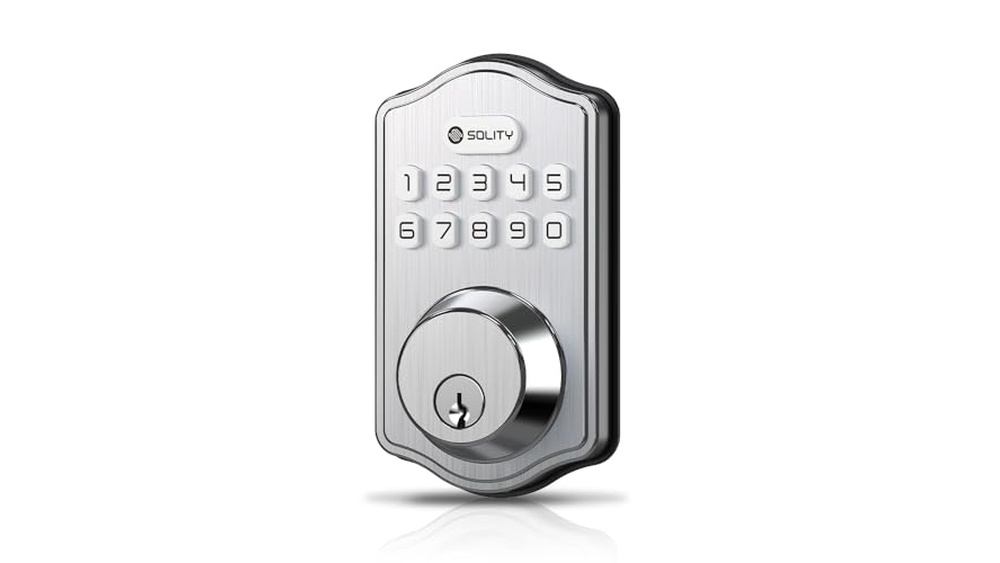
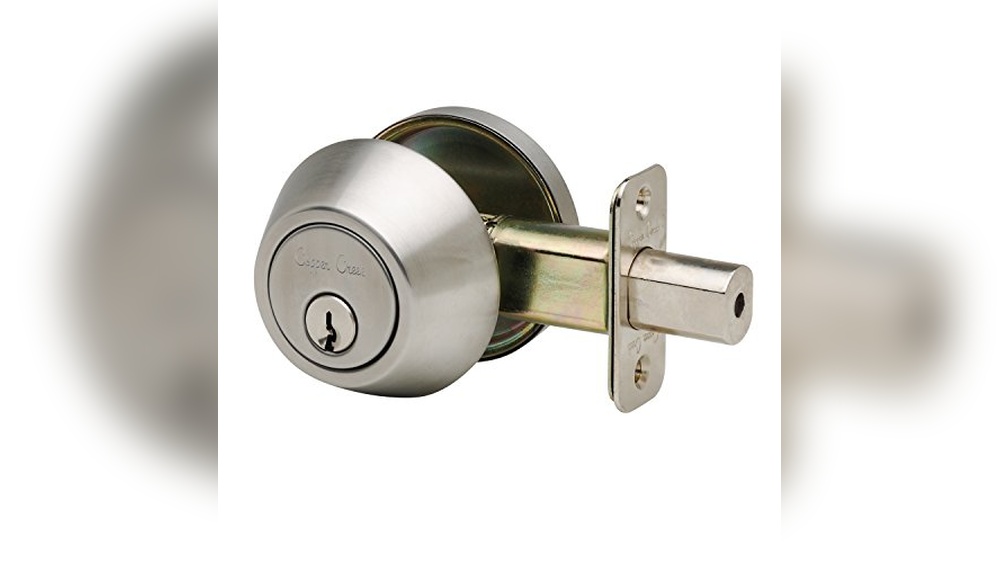
When you’re installing a deadbolt, one question often pops up: How big of a spade bit do you need for the jamb? Choosing the right size is crucial.
If the bit is too small, the deadbolt won’t fit properly. Too big, and the security of your door could be compromised. You’ll discover the exact spade bit size that makes your deadbolt installation smooth and secure. Keep reading to avoid common mistakes and get your lock working perfectly every time.
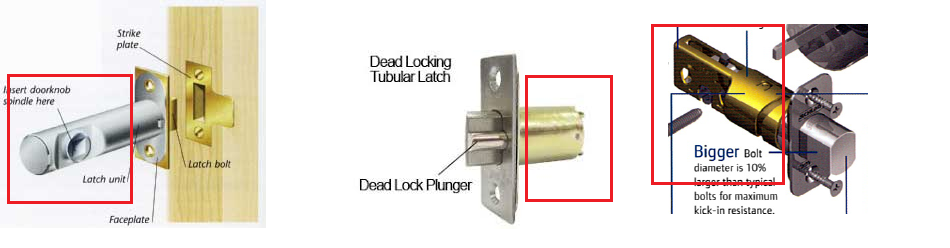
Credit: diy.stackexchange.com
Choosing The Right Spade Bit Size
Choosing the right spade bit size is key for a clean and secure deadbolt installation. The bit must match the hole size needed for the deadbolt jamb. A wrong size can cause poor fit or damage the door frame. Understanding standard sizes and factors helps you pick the perfect bit.
Standard Deadbolt Dimensions
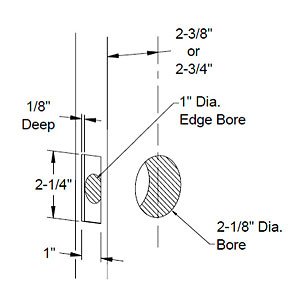
Most deadbolts have a 2-1/8 inch diameter for the main hole. This size fits the lock body in the door. The edge bore hole, where the latch goes, is usually 1 inch in diameter. These dimensions guide the selection of spade bits for drilling.
Common Spade Bit Sizes For Deadbolts
For deadbolt installation, spade bits of 2-1/8 inches and 1 inch are common. The larger bit drills the face hole, and the smaller drills the latch hole. Having both sizes ensures proper fitting of the deadbolt parts.
Factors Affecting Bit Size Selection
Door material influences bit size choice. Some doors need slightly larger holes for smooth installation. The type of deadbolt also matters. Some models require unique hole sizes. Always check the deadbolt manufacturer’s instructions before drilling.
Credit: www.emtek.com
Measuring Your Door Jamb
Measuring your door jamb is a key step for fitting a deadbolt correctly. Accurate measurement helps you pick the right spade bit size. A proper fit means easy installation and secure locking. Take your time to get exact numbers. It saves effort and prevents mistakes later.
Tools Needed For Accurate Measurement
Start with a tape measure for length and width. A pencil helps mark spots on the jamb. A ruler or combination square checks straight lines. Use a notepad to write down your numbers. These simple tools make the job easier and precise.
Step-by-step Measurement Process
First, measure the thickness of the door jamb. Write it down carefully. Next, measure the width of the area where the deadbolt will go. Check the height from the floor to the center of the lock hole. Mark these points clearly with a pencil. Double-check each measurement before moving on.
Avoiding Common Measurement Mistakes
Do not guess the size or rush the process. Avoid measuring only once. Always measure twice for accuracy. Don’t forget to measure the jamb’s depth, not just width. Make sure your tape measure is straight, not bent. These tips prevent errors and save time.
Spade Bit Types And Materials
Choosing the right spade bit affects the quality of your deadbolt installation. Spade bits come in different types and materials. Each type offers unique benefits for drilling into door jambs. Understanding these differences helps pick the best bit for your project.
High-speed Steel Vs. Carbide Bits
High-speed steel (HSS) bits are common and affordable. They work well on softwood and light tasks. Carbide bits last longer and resist wear. They handle hardwood and tougher materials better. Carbide bits keep sharp edges longer, making clean cuts. HSS bits may dull faster but cost less upfront.
Bit Design Variations
Spade bits come with various tip shapes. Some have pointed tips for precise starts. Others have flat tips for fast drilling. The width of the blade affects hole size. Some bits include threaded tips to pull the bit faster. Each design suits different drilling needs and materials.
Choosing Durable Bits For Door Jambs
Door jambs need strong, sharp bits to avoid splintering. Select bits made from tough materials like carbide. Use bits with reinforced edges for longer life. Durable bits create clean, accurate holes for deadbolts. Investing in quality bits saves time and effort during installation.

Credit: www.familyhandyman.com
Drilling Techniques For Deadbolt Installation
Drilling for a deadbolt requires careful technique. Proper drilling ensures a secure fit and clean installation. Using the right tools and methods helps avoid damage to the door jamb. Follow simple steps for best results.
Preparing The Door Jamb Surface
Start by cleaning the door jamb area. Remove dust, dirt, and old paint. Mark the exact spot for the deadbolt hole with a pencil. Use a square tool to ensure straight lines. Secure the door jamb with clamps if needed. This prevents movement during drilling.
Drilling Speed And Pressure Tips
Use a drill with variable speed control. Start drilling slowly to guide the bit. Apply steady, moderate pressure. Avoid pushing too hard, which can damage the wood. Let the drill bit do the work. Increase speed slightly once the bit is stable.
Preventing Splintering And Damage
Place masking tape over the drilling spot. This helps reduce splintering on the wood surface. Drill from both sides if the hole is deep. Use a backing board behind the jamb to support the wood. Take breaks during drilling to avoid overheating the bit.
Troubleshooting Fit Issues
Deadbolt installation can be tricky, especially when the hole in the door jamb does not fit the lock properly. Problems with the hole size can cause the deadbolt to work poorly or not at all. This section helps solve common fit issues. It guides you on how to handle holes that are too big or too tight. It also shows when a hole saw is better than a spade bit.
Handling Oversized Holes
Oversized holes make the deadbolt loose and wobbly. Use wood filler or a wooden dowel to fill extra space. Let the filler dry completely before drilling again. Carefully drill a new, smaller hole inside the filled area. This creates a tight fit for the deadbolt. Avoid forcing the lock into a large hole. It can damage the door or lock.
Adjusting For Tight Fits
Tight holes can stop the deadbolt from sliding smoothly. Use sandpaper or a round file to gently widen the hole. Remove small amounts of wood slowly. Check the fit often to avoid making the hole too big. If the hole is uneven, use a chisel to smooth the edges. This helps the deadbolt fit without binding or sticking.
When To Use Hole Saws Instead
Spade bits can cause splintering or uneven holes on some doors. Hole saws offer cleaner, smoother cuts. Use a hole saw for larger diameter holes or hardwood doors. Hole saws reduce the chance of cracking or splintering wood. They also create more precise holes for deadbolt installation. Choose the right tool for the door material and hole size.
Safety Tips While Drilling
Drilling for a deadbolt jamb requires care to avoid accidents. Safety is key to protect yourself and your home. Follow these tips to stay safe while drilling.
Protective Gear Recommendations
Wear safety glasses to shield your eyes from debris. Use ear protection to reduce noise from the drill. Gloves protect your hands from splinters and sharp edges. Choose sturdy shoes to avoid injuries if tools drop.
Avoiding Electrical And Structural Hazards
Check walls for hidden wires before drilling. Use a stud finder to locate studs and pipes. Avoid drilling near electrical outlets or switches. Drill slowly to prevent damage to wires or pipes. Stay alert to any unusual resistance or sparks.
Proper Tool Maintenance
Keep drill bits sharp for cleaner holes and less effort. Clean bits after use to remove dust and debris. Inspect cords and plugs for damage before starting. Store tools in a dry, safe place to avoid rust. Regular maintenance ensures smooth and safe operation.
Frequently Asked Questions
What Size Spade Bit Fits A Standard Deadbolt Jamb?
A 1-inch spade bit is ideal for drilling deadbolt jambs. It fits the latch hole perfectly for most standard deadbolts. Always measure your deadbolt latch before drilling to ensure a precise fit.
Can I Use A Larger Spade Bit For Deadbolt Installation?
Using a larger spade bit can weaken the jamb structure. Stick to the recommended size, usually 1 inch, for a secure fit. Oversized holes may cause alignment issues and reduce lock effectiveness.
How Deep Should The Spade Bit Hole Be For A Deadbolt?
Drill the hole about 1 inch deep to accommodate the latch. This depth ensures the latch sits flush with the jamb surface. Check your deadbolt specifications for exact depth requirements.
Is A Spade Bit Necessary For Deadbolt Jamb Installation?
A spade bit creates clean, precise holes for deadbolt latches. Other bits may cause rough or oversized holes. Using the right spade bit enhances lock security and ease of installation.
Conclusion
Choosing the right spade bit size for your deadbolt jamb is key. A 1-inch bit usually fits most deadbolts well. This size helps create a clean, precise hole for the lock. Using the correct bit saves time and avoids damage.
Always double-check your deadbolt’s instructions for exact measurements. A proper fit ensures your door locks securely and works smoothly. Taking a moment to pick the right bit makes the project easier and safer. Simple steps like this lead to better results every time.