Have you ever tried to remove a screw anchor from your wall and ended up making a bigger mess? Removing screw anchors can be tricky, especially if you don’t have the right method.
But don’t worry—this guide will show you simple, effective ways to get that stubborn anchor out without damaging your wall. By the end, you’ll feel confident tackling this common home repair task on your own. Ready to learn the easiest tricks to remove screw anchors quickly and cleanly?
Let’s dive in!
Types Of Screw Anchors
Screw anchors come in various types to suit different wall materials and weights. Choosing the right anchor helps secure items safely. Each type has unique features and removal methods. Understanding these types makes removing them easier.
Plastic Anchors
Plastic anchors are common and easy to use. They expand inside the wall when a screw is inserted. These anchors work well in drywall and light materials. Removing plastic anchors can be tricky because they grip tightly.
Metal Anchors
Metal anchors are stronger than plastic ones. They are often used for heavier objects. Metal anchors may be sleeve or expansion types. They hold firmly in concrete or brick walls. Removing metal anchors requires careful unscrewing or pulling.
Toggle Bolts
Toggle bolts have wings that open behind the wall. This design holds heavy items on hollow walls. The wings provide strong support inside the wall cavity. Removing toggle bolts means releasing the wings first. This type needs careful handling to avoid wall damage.
Tools You’ll Need
Removing a screw anchor from a wall is easier with the right tools. Having the proper tools helps protect your wall and saves time. You need basic hand tools for simple tasks and some specialized tools for tougher anchors.
Basic Hand Tools
A screwdriver is essential for loosening screws from anchors. Choose one that fits the screw head perfectly to avoid damage. Pliers help grip and pull out anchors gently. A utility knife can cut around the anchor to free it from the wall. A hammer may be needed to tap the anchor lightly before pulling it out.
Specialized Removal Tools
Sometimes anchors are stubborn and need special tools. An anchor removal tool is designed to pull anchors without harming the wall. A drill with a small bit can help if the anchor is stuck tightly. A stud finder helps locate studs behind the wall to avoid damage during removal. These tools make the process smoother and protect your wall’s surface.
Preparation Steps
Removing a screw anchor from a wall needs some careful planning first. Preparation helps avoid damage and makes the job easier. Follow these simple steps before you start.
Clearing The Area
Clear the space around the wall. Move furniture and items away to avoid accidents. This gives you enough room to work freely. Keep tools nearby for quick access. A clean area helps you focus and work safely.
Protecting The Wall Surface
Cover the wall surface near the anchor. Use painter’s tape or a soft cloth to shield the paint. This prevents scratches or chips while removing the anchor. Protecting the wall keeps it ready for repairs or repainting later.

Credit: diy.stackexchange.com
Removing Plastic Anchors
Plastic anchors hold screws tightly in drywall or plaster. Removing them can be tricky. It takes care to avoid damage to your wall. Two common ways work well for removal. One uses pliers to pull them out. The other pushes them inside the wall.
Both methods are simple and need only basic tools. Choose the best method based on your wall and anchor size.
Pulling Out With Pliers
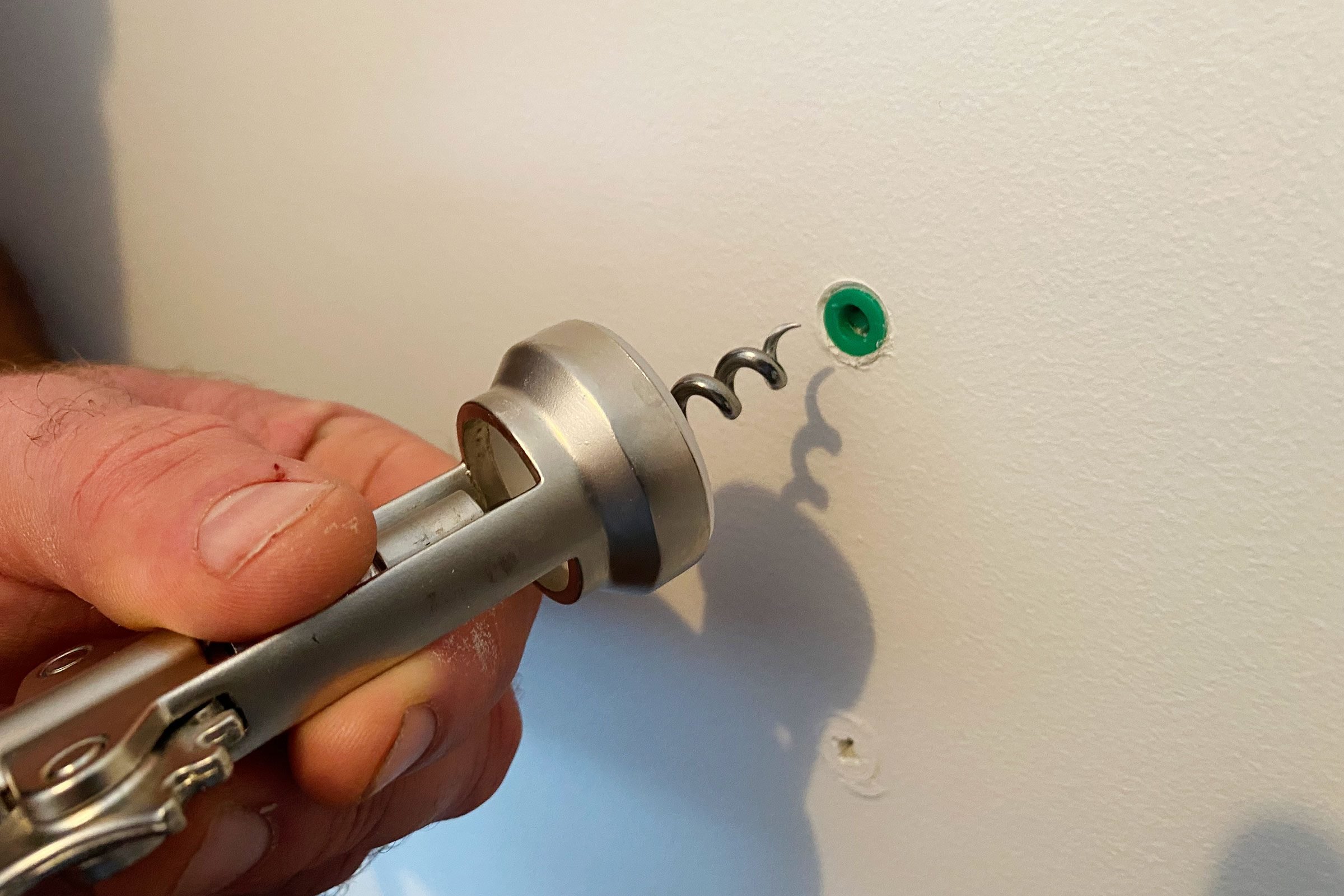
Grab needle-nose pliers for this method. Hold the anchor firmly near the wall. Pull straight out slowly but firmly. Twist gently if it feels stuck. This helps break the grip inside the wall. Avoid yanking hard to prevent wall damage. If the anchor moves, keep pulling until it comes free.
Pushing Through The Wall
This method works if the anchor is flush or recessed. Use a screwdriver or a similar tool. Push the anchor inside the wall cavity carefully. Apply steady pressure until it pops in. The anchor will stay hidden behind the drywall. This way avoids wall damage and fills the hole naturally.
Removing Metal Anchors
Metal anchors hold screws firmly in drywall or plaster. Removing them needs care to avoid wall damage. Some anchors come out with ease, while others stick tight. Knowing the right method helps save time and keep walls smooth.
Unscrewing Techniques
Start by turning the screw counterclockwise. Often, the screw will come out with some effort. Pull the screw gently once loose. Sometimes, the metal anchor will follow the screw out. If it does not, try to grab the anchor with pliers. Twist and pull slowly to remove it. Avoid forcing the anchor, as this can harm the wall.
Using A Drill For Stubborn Anchors
For anchors that won’t budge, use a drill with a small bit. Carefully drill into the center of the anchor. This can break or loosen the metal anchor inside the wall. Drill slowly to avoid making a big hole. After drilling, try pulling the anchor out again. This method works well for old or rusty anchors stuck tight.

Credit: www.youtube.com
Handling Toggle Bolts
Toggle bolts are strong anchors used for heavy items on walls. They have wings that open behind the wall for support. Removing them takes care and the right steps. This guide helps you handle toggle bolts safely and effectively.
Compressing The Wings
Start by locating the toggle bolt on the wall. The wings are spread open behind the wall. Use a screwdriver to push the bolt inward. This action compresses the wings against the bolt. Keep steady pressure to close the wings fully. Closed wings allow the bolt to move through the hole.
Removing The Bolt
With the wings compressed, slowly pull the bolt out. Twist the screwdriver gently while pulling. This helps the bolt slide past the wall opening. If the bolt resists, try pushing it back in slightly. Then compress the wings again and pull out. Repeat until the toggle bolt is free from the wall.
Fixing Wall Damage
Removing a screw anchor from the wall often leaves behind holes or damage. Fixing these imperfections is key to restoring the wall’s smooth surface. Small repairs can bring back a clean, fresh look to your space.
Follow these simple steps to fill holes, sand the surface, and paint over the repairs. This process makes the wall ready for new decoration or use.
Filling Holes
Start by cleaning out the hole of any loose debris. Use a putty knife to apply wall filler or spackle. Press the filler into the hole until it is slightly overfilled. Let the filler dry fully. Drying time varies by product, usually about 30 minutes to an hour.
Sanding And Painting
After the filler dries, sand the area with fine-grit sandpaper. Sand until the surface is smooth and flush with the wall. Wipe away dust with a damp cloth. Paint over the repaired area with matching wall paint. Use thin layers and let each layer dry before adding more. This ensures a seamless finish that blends well with the rest of the wall.
Credit: www.familyhandyman.com
Tips To Avoid Wall Damage
Removing screw anchors without harming the wall takes care and the right approach. Avoiding damage keeps your walls smooth and ready for new fixtures. Use these tips to protect your wall during removal and installation.
Choosing The Right Anchor
Select anchors based on wall type and weight needs. Drywall anchors work best for light loads. Use metal anchors for heavier items. The right anchor fits snugly without forcing or bending the wall.
Check the anchor size matches the screw size. Avoid anchors that are too big or too small. This prevents cracking or large holes in the wall.
Proper Installation Practices
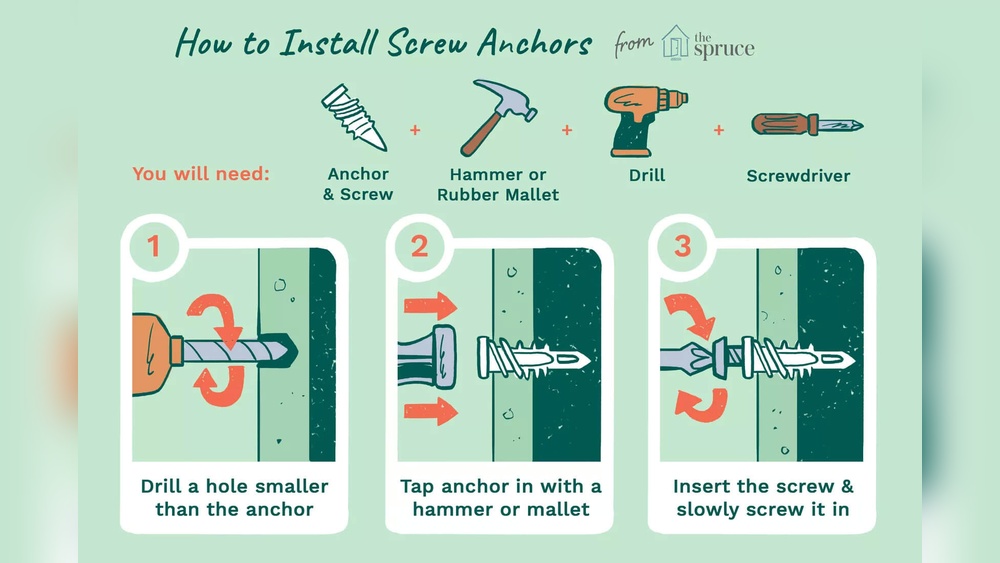
Drill a pilot hole before placing the anchor. The hole should be slightly smaller than the anchor. This helps the anchor hold firmly and reduces wall stress.
Insert the anchor gently and avoid pushing too hard. Tighten screws slowly to avoid cracking the wall. Stop tightening if the anchor feels loose or wobbly.
Frequently Asked Questions
How Do You Remove A Screw Anchor Without Damaging The Wall?
To remove a screw anchor, first unscrew the screw completely. Then, gently pull out the anchor using pliers or push it into the wall cavity to avoid damage. Use minimal force to prevent wall damage and patch any holes afterward.
What Tools Are Needed To Remove A Screw Anchor?
You need a screwdriver, pliers, and possibly a drill. A flathead screwdriver helps pry out anchors. Pliers grip the anchor for removal. A drill can widen the hole if the anchor is stuck, making removal easier.
Can I Reuse A Screw Anchor After Removal?
Generally, no. Removing anchors often damages them, reducing their hold strength. It’s best to replace anchors with new ones for a secure fit. Reusing old anchors risks weak wall support and potential damage.
Why Is A Screw Anchor Stuck In The Wall?
Anchors get stuck due to tight expansion inside the wall or paint sealing them. Over-tightening screws also causes anchors to grip firmly. Using proper removal tools and gentle force helps free stuck anchors safely.
Conclusion
Removing screw anchors from walls is easier than you think. Use the right tools and take your time. Gently pull or twist the anchor to avoid wall damage. Small holes can be fixed quickly with putty or filler. This simple task helps keep your walls neat and ready for new decorations.
Practice patience and care to get the best results. Now you can handle screw anchors confidently and keep your space looking great.