If you’re planning to use a floor jack near your drywall ceiling, you need to be careful. One wrong move can cause costly damage that’s hard to fix.
But don’t worry—this guide will show you simple, effective steps to protect your ceiling while using a floor jack. By following these tips, you’ll save yourself stress, time, and money. Keep reading to learn how to use your floor jack safely and avoid drywall damage every time.
Credit: www.lowes.com
Choosing The Right Floor Jack
Choosing the right floor jack is key to protecting your drywall ceiling. The proper jack helps you lift safely and avoid damage. Picking the wrong one risks cracks and dents in your ceiling. Understanding the types, capacity, and build quality helps you make the best choice. This guide breaks down these factors.
Types Of Floor Jacks
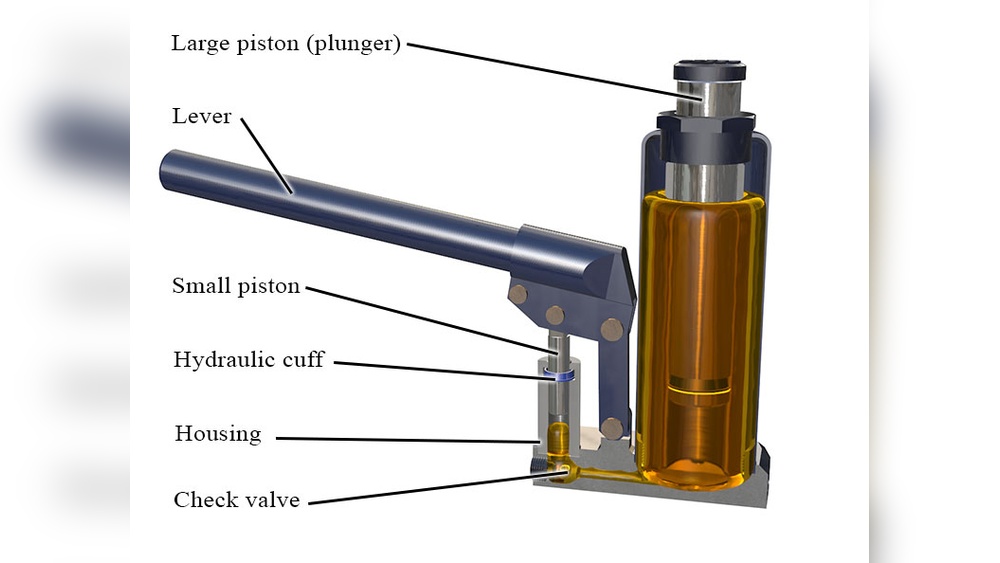
Floor jacks come in different types. The most common are hydraulic, bottle, and scissor jacks. Hydraulic jacks lift heavy loads smoothly. Bottle jacks are compact and strong. Scissor jacks are lightweight and portable. Choose a type that fits your job space and ceiling height.
Weight Capacity Considerations
Check the weight capacity before buying a floor jack. It should handle the load safely without strain. Overloading a jack can cause it to fail. Choose a jack with a higher capacity than your ceiling load. This ensures stability and prevents accidents.
Quality And Durability
Quality matters for safety and long use. Look for jacks made of strong steel or heavy-duty materials. A durable jack resists wear and keeps steady under pressure. Avoid cheap models that bend or leak. Good quality jacks protect your drywall and offer peace of mind.
Credit: amc911.com
Preparing The Work Area
Preparing the work area is an important step before using a floor jack near a drywall ceiling. This preparation helps prevent damage and keeps the space safe. Taking time to set up the area properly makes the job easier and protects your home.
Clearing The Space
Remove all furniture and items from the work zone. Clear enough room to move the floor jack freely. This reduces the chance of knocking things over. A clean space also lets you see the ceiling clearly. It helps avoid accidental bumps or scratches.
Protecting The Floor
Cover the floor with thick plywood or heavy blankets. This spreads the jack’s weight evenly and stops dents. Use tape to secure the coverings and keep them in place. Protecting the floor prevents damage from the jack’s pressure. It also keeps dust and debris from spreading around.
Assessing The Ceiling Condition
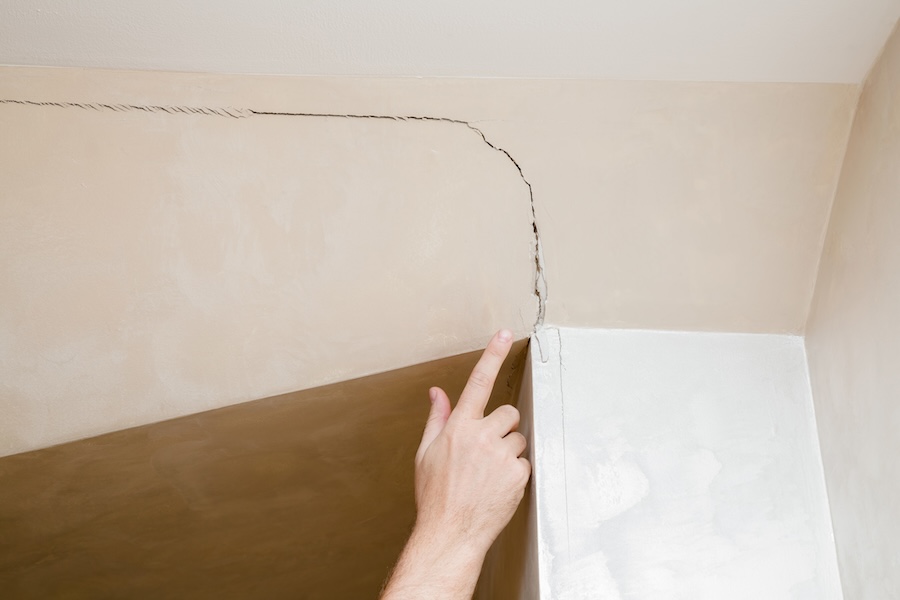
Look closely at the drywall for cracks or weak spots. Check for water stains or soft areas that may need repair. Knowing the ceiling’s condition helps you plan the jack’s placement. Avoid placing the jack under damaged or fragile sections. This reduces the risk of causing further damage.
Setting Up The Floor Jack
Setting up the floor jack correctly is key to avoiding damage to your drywall ceiling. A careful setup keeps the ceiling stable and safe. It also makes your work easier and more secure.
Positioning The Jack Safely
Place the floor jack on a flat, sturdy surface. Avoid uneven or slippery floors. Position the jack directly under the area you want to support. Check that it will not slip or move during use. Make sure the jack base is fully stable before lifting.
Using Padding To Protect Drywall
Use soft padding between the jack and the drywall. This prevents dents and cracks. Materials like a thick cloth, rubber mat, or foam work well. Do not place the jack directly on the drywall. Padding spreads pressure and reduces damage risk.
Adjusting The Height Correctly
Raise the jack slowly and watch the ceiling closely. Stop if you see any cracks or bending. Adjust the height just enough to support the ceiling. Overlifting can cause damage. Keep the jack steady and avoid sudden movements.
Credit: southerndry.com
Operating The Floor Jack
Operating a floor jack near a drywall ceiling needs care and attention. The right way to use the jack helps avoid damage. Follow these key steps to keep the ceiling safe while lifting.
Lifting Slowly And Evenly
Raise the floor jack at a slow, steady pace. Quick lifting can put too much pressure on the ceiling. Move the jack’s handle gently to keep the lift even. This reduces the risk of cracking or denting the drywall.
Monitoring Ceiling Stress
Watch the ceiling closely during lifting. Look for signs of bending, cracking, or bulging. Stop immediately if you see any damage. Use a flashlight to check hard-to-see areas. Keeping an eye on the ceiling helps catch problems early.
Avoiding Overextension
Do not extend the jack beyond its safe limit. Overextension can cause sudden shifts and harm the drywall. Use only the recommended height for your specific jack model. Secure the load firmly before lifting to prevent slips and damage.
Safety Precautions
Using a floor jack near drywall ceilings needs care. Safety helps stop damage and keeps you safe. Follow these steps to protect the ceiling and yourself.
Wearing Protective Gear
Wear gloves to protect your hands from sharp edges. Safety glasses stop dust and debris from hurting your eyes. Use a hard hat to protect your head from falling objects. Wear sturdy shoes to keep your feet safe from heavy tools.
Working With A Partner
Have someone help you hold the jack steady. A partner can watch for signs of ceiling stress. They can also guide you to avoid bumps or slips. Two people reduce the risk of accidents and damage.
Emergency Measures
Know how to lower the jack quickly if the ceiling cracks. Keep a phone nearby to call for help fast. Have a first aid kit ready in case of injury. Stop working immediately if you see cracks or hear creaks.
Aftercare And Maintenance
Aftercare and maintenance of your floor jack are essential to avoid damage to your drywall ceiling. Proper care keeps the jack working well and protects your home. Follow these steps after each use.
Inspecting For Damage
Check the floor jack for any cracks or dents. Look closely at the lifting arm and base. Damaged parts can cause accidents or harm the ceiling. Fix or replace broken parts before the next use.
Also, inspect the ceiling area for any marks or cracks. Early detection helps prevent bigger problems. Take photos if you find any damage for reference.
Releasing The Jack Safely
Lower the jack slowly and steadily. Sudden release can cause the ceiling to crack or fall. Use the release valve carefully to control the speed. Stop if you feel resistance or hear unusual sounds.
Never leave the jack under load without support. This prevents sudden shifts that could harm the drywall. Always follow the manufacturer’s instructions for safe lowering.
Storing The Equipment
Clean the jack before storing it. Remove dirt, dust, and grease with a dry cloth. This prevents rust and keeps it ready for use.
Store the jack in a dry, cool place. Avoid damp or hot areas to stop damage. Keep it away from children and pets for safety.
Frequently Asked Questions
How Can I Prevent Drywall Damage Using A Floor Jack?
Place a protective barrier between the floor jack and ceiling. Use plywood or a thick board to distribute pressure evenly. Avoid direct contact to prevent dents or cracks in drywall.
What Safety Tips Ensure Drywall Ceiling Protection?
Always check the jack’s height and stability before lifting. Avoid overextending the jack. Work slowly and carefully to maintain control and prevent sudden movements.
Which Materials Protect Drywall From Floor Jack Pressure?
Use plywood, rubber pads, or thick blankets as cushioning. These materials spread the weight and reduce the risk of ceiling damage. Choose sturdy, non-slip options for best results.
Can A Floor Jack Damage Drywall If Misused?
Yes, improper use can cause cracks, dents, or holes in drywall. Overloading or sudden pressure may damage the ceiling. Proper positioning and protective padding are essential to avoid harm.
Conclusion
Using a floor jack carefully protects your drywall ceiling. Place the jack in the right spot and use padding. Check the height often to avoid pushing too hard. Take your time with each step. These simple actions help keep your ceiling safe.
Remember, careful work saves you from repairs later. Stay patient and focused during the job. Protect your home and finish the task well.