If you’re involved in building design or construction, understanding how curtain walls anchor detail can make a big difference in your project’s success. These details are the hidden heroes that keep your building safe, strong, and looking great.
Without the right anchoring, your curtain walls could face serious problems, costing you time and money. You’ll discover exactly how these anchors work, why they matter, and what you need to watch for to get them right every time. Ready to unlock the secrets behind durable and secure curtain walls?
Let’s dive in.
Basics Of Curtain Wall Anchoring
Curtain walls are outer coverings of buildings that do not carry any weight from the structure. Instead, they rely on anchors to attach securely to the building frame. Anchoring keeps curtain walls stable, safe, and weather-tight. Understanding the basics of curtain wall anchoring helps ensure strong construction and long-lasting performance.
Types Of Anchor Systems
Several anchor systems exist to fix curtain walls to buildings. The most common types include mechanical anchors, welded anchors, and adhesive anchors. Mechanical anchors use bolts or screws for attachment. Welded anchors are fused directly to the structure for high strength. Adhesive anchors use special glue to bond to surfaces. Each type suits different designs and materials.
Materials Used For Anchors
Anchors are made from strong, durable materials. Steel is the most popular due to its high strength and toughness. Stainless steel resists rust and corrosion, making it ideal for outdoor use. Aluminum anchors offer light weight but less strength. Choosing the right material depends on the building environment and load demands.
Common Challenges In Anchoring
Anchoring curtain walls can face many challenges. One is dealing with structural movement, which can loosen anchors over time. Corrosion also threatens anchor durability, especially in harsh climates. Misalignment during installation can cause stress and failure. Proper design, material choice, and careful installation reduce these risks significantly.
Design Considerations For Strong Support
Designing curtain wall anchors requires careful thought. Strong support ensures the entire wall stays safe and stable. Understanding key factors helps create reliable anchoring. This section covers essential design considerations for strong curtain wall support.
Load Distribution Principles
Anchors must spread weight evenly across the wall. Uneven load can cause damage or failure. Proper design balances the forces acting on each anchor point. This balance reduces stress and increases durability. Selecting the right materials and layout improves load distribution.
Thermal Movement Accommodation
Curtain walls expand and contract with temperature changes. Anchors should allow slight movement without damage. Fixed anchors can cause cracks or warping. Designers include flexible joints or slip connections for thermal shifts. This flexibility extends the lifespan of the curtain wall system.
Seismic And Wind Resistance
Strong anchors protect curtain walls from earthquakes and strong winds. They absorb and transfer energy safely to the building frame. Design must consider local seismic and wind loads for safety. Reinforced anchors and extra bracing improve resistance. This ensures the curtain wall stays secure under pressure.
Installation Techniques
Installing curtain walls requires careful attention to detail. The anchor detail plays a key role in securing the wall to the building structure. Proper installation techniques ensure safety and durability. Each step must be precise and follow industry standards.
Preparation And Layout
Start by cleaning the surface where anchors will attach. Check the building frame for any damage or debris. Mark exact anchor points using a detailed layout plan. Use measuring tools to maintain accuracy. Planning helps avoid mistakes during installation.
Fastening Methods
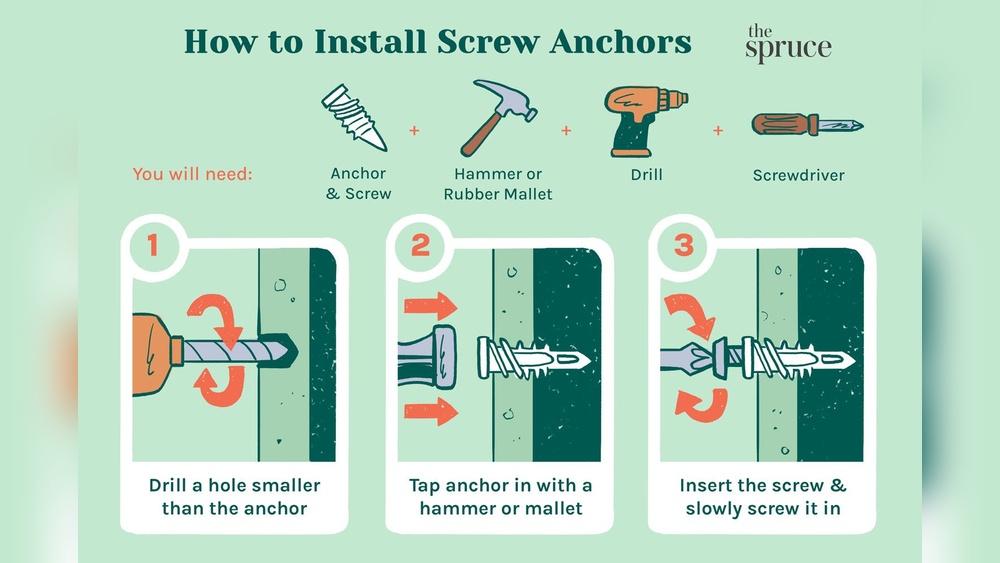
Choose the right fasteners based on wall type and weight. Common fasteners include bolts, screws, and brackets. Drill holes carefully to prevent structural damage. Tighten fasteners to the correct torque. Secure anchors firmly to resist wind and movement.
Quality Control Measures
Inspect all anchors after installation for proper alignment. Test fasteners for tightness and strength. Look for any signs of corrosion or damage. Use checklists to track quality at each stage. Consistent inspections improve long-term performance.

Credit: learnglazing.com
Maintenance And Inspection Tips
Maintaining and inspecting curtain wall anchor details is essential for building safety. Regular checks help catch problems early. This prevents costly repairs and structural damage.
Inspection and maintenance keep anchors strong and secure. They ensure the curtain wall stays fixed during weather changes or building movement.
Regular Inspection Checklist
- Check for loose or missing anchor bolts.
- Look for rust or corrosion on metal parts.
- Inspect sealants around anchors for cracks or gaps.
- Examine the connection between curtain wall panels and anchors.
- Verify that anchors align properly with the building structure.
- Test for any unusual movement or wobbling in panels.
Signs Of Anchor Failure
- Visible cracks or gaps around anchor points.
- Rust stains spreading from metal anchors.
- Panels shifting or sagging from their original position.
- Unusual noises during wind or movement.
- Water leaks near anchor areas.
- Loose or missing fasteners.
Repair And Replacement Strategies
- Replace corroded anchors with new corrosion-resistant materials.
- Tighten loose bolts using proper tools and torque.
- Seal cracks with high-quality, weatherproof sealants.
- Consult structural engineers for severe damage.
- Schedule repairs promptly to avoid bigger problems.
- Use compatible materials to maintain system integrity.
Innovations In Curtain Wall Anchors
Innovations in curtain wall anchors improve building safety and durability. New technologies make these systems stronger and easier to install. They also help reduce costs and environmental impact. These advances benefit architects, builders, and occupants alike.
Advanced Materials
Modern curtain wall anchors use stronger and lighter materials. Stainless steel and aluminum alloys resist rust and corrosion. Composite materials add flexibility while keeping strength high. These materials extend the life of the curtain wall system. They also reduce maintenance needs over time.
Smart Monitoring Systems
Smart sensors track the condition of curtain wall anchors. They detect movement, pressure, and temperature changes instantly. This data helps identify problems before they become serious. Building owners can schedule timely repairs and avoid costly damage. These systems improve overall building safety and performance.
Sustainable Anchoring Solutions
New anchoring methods focus on reducing environmental impact. Recyclable materials and low-energy production processes are common. Some anchors are designed for easy removal and reuse. This approach supports green building certifications and lowers waste. Sustainable anchors contribute to healthier, eco-friendly construction projects.

Credit: community.graphisoft.com
Credit: www.ykkap.com
Frequently Asked Questions
What Is A Curtain Wall Anchor Detail?
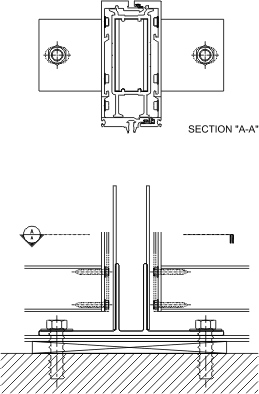
A curtain wall anchor detail is a connection point securing the curtain wall to the building structure. It ensures stability, load transfer, and weather resistance while allowing for thermal expansion and building movement.
Why Are Curtain Wall Anchor Details Important?
They provide structural support, prevent air and water infiltration, and accommodate building movement. Proper anchoring enhances safety, durability, and performance of the curtain wall system.
How Do Curtain Wall Anchors Accommodate Building Movement?
Anchors use flexible components or slots that allow slight shifts. This flexibility prevents damage from thermal expansion, wind loads, or seismic activity, maintaining the curtain wall’s integrity.
What Materials Are Used In Curtain Wall Anchors?
Common materials include stainless steel, aluminum, and galvanized steel. These materials offer strength, corrosion resistance, and compatibility with curtain wall frames for long-lasting performance.
Conclusion
Curtain wall anchor details keep buildings strong and safe. They hold glass panels firmly in place. Proper design stops leaks and drafts. Good anchors handle wind and weather well. Choosing the right materials helps avoid damage. Skilled installation ensures long-lasting performance.
Simple steps create a secure exterior wall. Understanding these basics helps builders and architects. Careful attention saves money and time later. Solid curtain walls improve building looks and function.