Are you ready to hang shelves, picture frames, or hooks but don’t have a drill on hand? Installing a wall anchor without a drill might sound tricky, but it’s easier than you think.
Whether you’re in a hurry or simply want to avoid the noise and hassle, this guide will show you simple steps you can follow right now. Keep reading, and you’ll discover how to secure your items firmly—no power tools needed.
Your walls will thank you!
Choosing The Right Wall Anchor
Choosing the right wall anchor is key for a strong hold. Not all anchors work on every wall or with every item. Picking the correct type helps keep your items safe. It also makes the installation easier and faster.
Types Of Wall Anchors
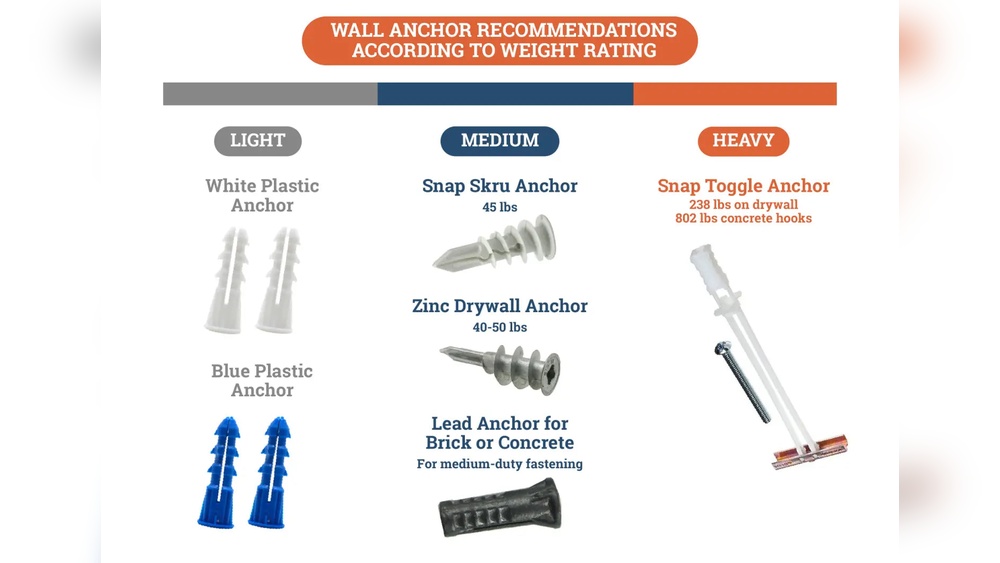
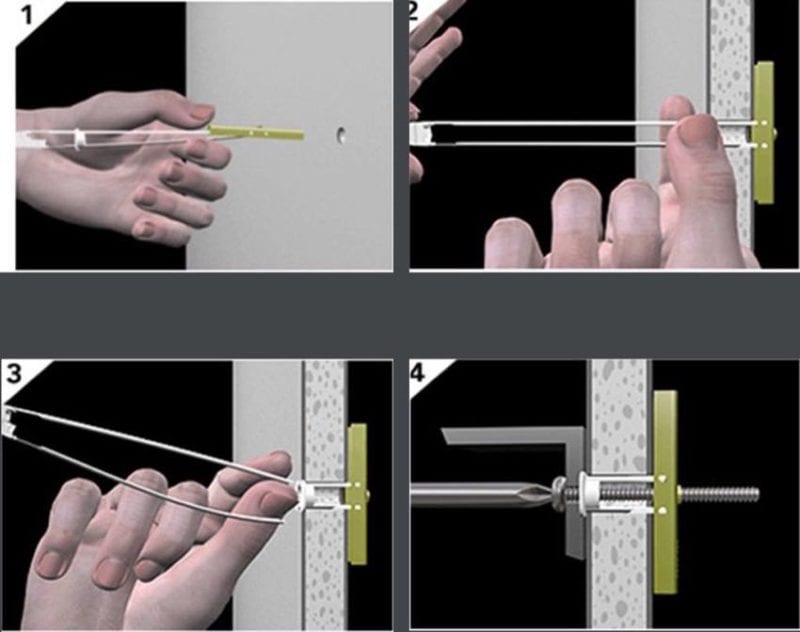
Plastic expansion anchors work well for light items. They expand inside the wall to hold tight. Toggle bolts are strong for heavy items. They open behind the wall to spread the weight. Self-drilling anchors do not need a drill. You can push them into soft walls like drywall. Molly bolts are good for hollow walls. They create a firm grip once expanded inside.
Materials And Surfaces
Different walls need different anchors. Drywall is soft and needs special anchors like plastic or self-drilling types. Concrete and brick are hard. Use anchors made for masonry, such as sleeve or wedge anchors. Plaster walls require gentle anchors to avoid cracks. Wood walls can hold screws directly but anchors help with heavier loads. Match the anchor type with the wall material for best results.

Credit: www.youtube.com
Tools Needed Without A Drill
Installing a wall anchor without a drill needs the right tools. Using proper tools makes the job easier and safer. This guide lists what you need to get started. Tools should be simple and easy to find. Safety comes first to avoid injuries during the process.
Handheld Tools
Start with a hammer. It helps to tap the anchor into the wall. Use a screwdriver for screws that need turning. A nail set or awl works well to make a small hole. This hole guides the anchor without a drill. A measuring tape helps to mark the exact spot. A pencil is useful for making clear marks. These tools work together to install anchors by hand.
Safety Equipment
Wear safety goggles to protect your eyes from dust and debris. Gloves keep your hands safe from sharp edges. Use a dust mask if the wall material is dusty or crumbles easily. Proper footwear helps keep your feet safe during the work. Safety equipment prevents accidents and keeps you comfortable. Always prepare by putting on these items before starting.
Preparing The Wall Surface
Preparing the wall surface is the first step to install a wall anchor without a drill. A clean and well-marked wall ensures the anchor holds firmly. It also makes the installation process smoother and safer. Spend time on this step for better results.
Cleaning The Area
Start by cleaning the wall surface where you will place the anchor. Use a damp cloth to remove dust and dirt. Dirt can stop the anchor from sticking well. Let the wall dry completely before moving on. A clean surface helps the anchor stay secure.
Marking The Spot
Find the exact spot on the wall for the anchor. Use a pencil to mark this place lightly. Check the mark twice to be sure it is correct. Marking helps guide the anchor and avoids mistakes. A clear mark saves time and effort during installation.
Creating A Pilot Hole Manually
Creating a pilot hole manually helps install wall anchors without a drill. This step makes it easier to insert the anchor securely. It also reduces the risk of damaging the wall. You can use simple tools found at home. The process works well for many wall types.
Using A Nail Or Screwdriver
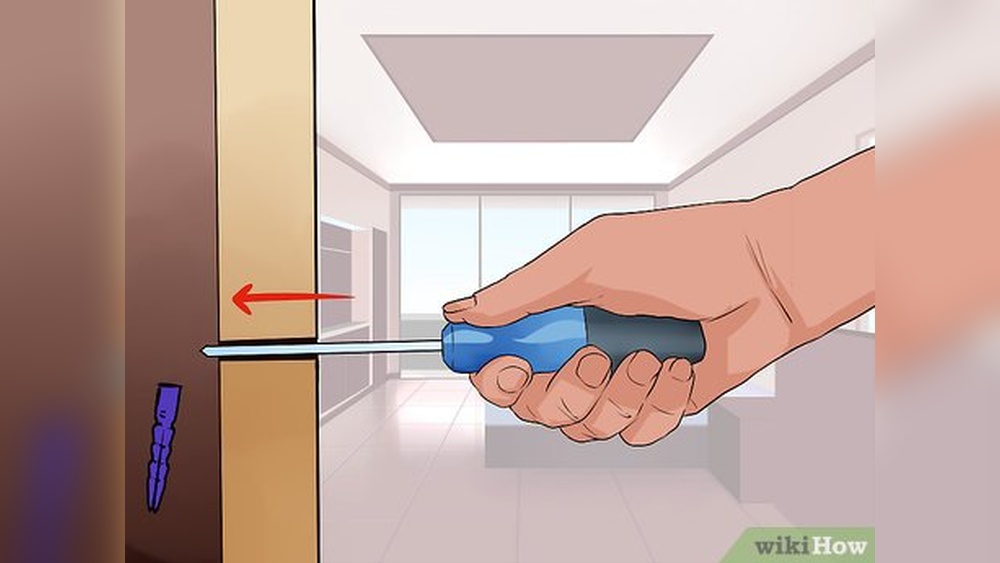
Start by choosing a nail or a screwdriver with a sharp tip. Press it firmly against the wall where the anchor will go. Twist the screwdriver or tap the nail gently with a hammer. This action creates a small hole for the anchor. Keep going until the hole is deep enough. Be careful not to push too hard to avoid wall damage.
Techniques For Hard Surfaces
Hard surfaces need more effort to make a pilot hole. Use a strong nail or a metal screwdriver. Tap the nail softly but steadily with a hammer. Move the tool in small circles to widen the hole gradually. If the wall is very tough, try heating the nail slightly. This helps it press into the wall easier. Always wear safety glasses to protect your eyes during this process.
Inserting The Wall Anchor
Inserting a wall anchor without a drill can seem tricky at first. The right steps make it easier and safer. This part of the process focuses on placing the anchor correctly into the wall. Proper insertion ensures the anchor holds strong and supports your items well.
Step-by-step Placement
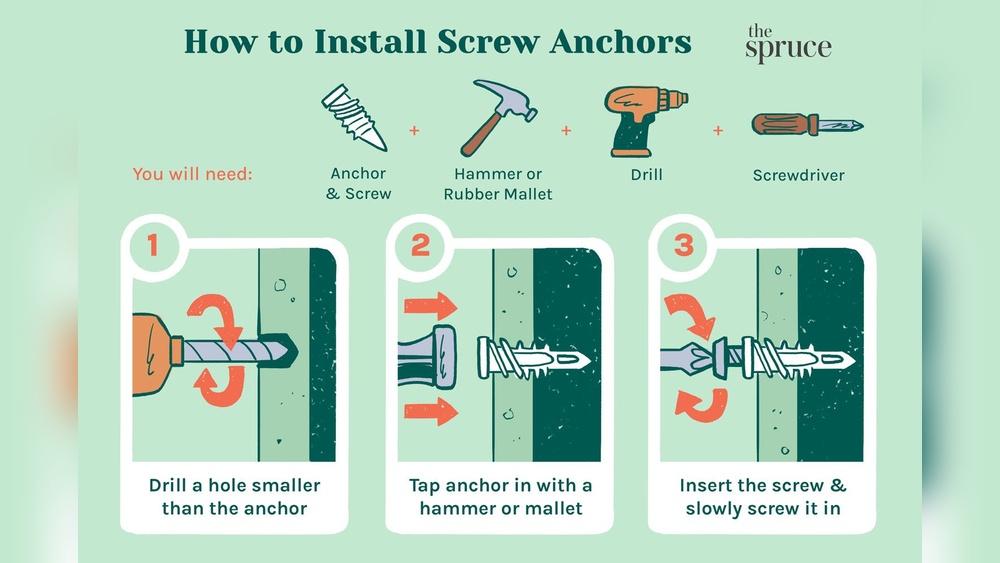
Start by marking the spot on the wall. Use a pencil to make a small dot where the anchor goes. Next, soften the wall surface. Press the anchor tip firmly against the mark. Use a hammer to tap it gently. Tap slowly to avoid damage.
Push the anchor deeper with each tap. Stop when the anchor’s collar is flush with the wall. If the anchor doesn’t go in easily, wiggle it slightly while tapping. This helps the anchor slide in smoothly.
Ensuring A Secure Fit
After placement, check the anchor’s hold. Pull it lightly to feel if it grips well. If it moves, tap it a bit more. The anchor must stay tight inside the wall. A loose anchor can cause your item to fall.
Use a screwdriver to turn the anchor slightly. This expands its grip inside the wall cavity. The tighter the anchor fits, the better it supports weight. Take your time to get this step right.

Credit: www.reddit.com
Securing Screws Without A Drill
Securing screws without a drill can be simple and effective. It requires patience and the right tools. This method works well for light to medium tasks. Avoid rushing to keep the screw straight and secure. Here are two practical ways to install wall anchors without a drill.
Manual Screwdriver Tips
Choose a screwdriver that fits the screw head perfectly. This reduces slipping and damage to the screw. Start by turning the screw slowly to create a small groove. Use steady pressure while twisting the screwdriver clockwise. Take breaks if your hand feels tired. Use a screwdriver with a comfortable handle to improve grip. A rubber grip helps prevent slipping during use. If the wall is hard, try tapping the screw gently with a hammer first. This helps the screw bite into the surface easier.
Using A Screwdriver Bit With A Power Tool Alternative
A manual screwdriver bit can fit into a hand-powered tool. These tools work like a drill but need no electricity. Use a ratcheting screwdriver or a cordless hand tool with a manual crank. Insert the correct bit for your screw type. Turn the tool slowly and keep it straight to avoid damage. This method saves time and effort compared to a standard screwdriver. It is ideal for those without access to a power drill. Always check that the bit is tightly fixed before use.
Testing The Anchor Strength
Testing the strength of a wall anchor is important after installation. It ensures the anchor holds firmly without damage. This step avoids accidents and protects your wall.
Weight Limit Considerations
Check the weight limit on the anchor package. Do not exceed this limit. The wall and anchor must support the item’s weight safely. Use lighter items if unsure about the anchor’s strength. Testing helps confirm the anchor can hold the expected load.
Safety Checks
Gently pull or push on the anchor to test its hold. Avoid sudden or strong force that may damage the wall. Look for any movement or cracks around the anchor. If the anchor shifts, remove it and try a stronger type. Repeat the test after any adjustment to ensure safety.
Credit: mottogroupbuilders.com.au
Troubleshooting Common Issues
Troubleshooting is key when installing wall anchors without a drill. Problems may arise, but simple fixes can help. Knowing common issues saves time and effort.
Check the anchor and wall carefully. Small mistakes cause big problems. This section explains how to solve two frequent issues: anchors not holding and preventing wall damage.
Anchor Not Holding
Anchors may slip or fall out if the hole is too big. Use a smaller anchor or fill the hole with wood glue before inserting the anchor. Let the glue dry for a stronger grip.
Make sure the anchor fits tightly. Loose anchors cannot support weight and may damage the wall. Press the anchor firmly into the hole to secure it.
Try using anchors designed for the wall type. Plastic anchors work well for drywall. Metal anchors suit harder surfaces. Choose the right type for better results.
Wall Damage Prevention
Prevent wall damage by marking the spot before installation. Use a pencil to avoid mistakes. Avoid hammering too hard, which can crack the wall.
Use a small nail to create a pilot hole for the anchor. This reduces stress on the wall. Tap gently to avoid large holes.
Check the wall material. Drywall, plaster, and brick need different anchors and methods. Match the anchor to the wall to keep it safe.
Frequently Asked Questions
How Can I Install A Wall Anchor Without A Drill?
You can install a wall anchor without a drill by using a hammer and a nail or screwdriver. Start by marking the spot, then gently tap the anchor into the wall until it’s flush. This method works well for light to medium loads.
What Tools Do I Need To Install Anchors Without Drilling?
You need a hammer, a nail or a screwdriver, and a wall anchor. These basic tools help you create a small hole or push the anchor into drywall. No power tools are required, making it quick and easy for simple wall fixtures.
Are Wall Anchors Secure Without Pre-drilling Holes?
Yes, wall anchors can be secure without pre-drilling if installed correctly. Use the right anchor type for your wall material. Tap it in gently and ensure it fits snugly. This method supports light fixtures and decorations safely.
Can I Use Self-drilling Anchors On Drywall Without A Drill?
Self-drilling anchors are designed to be screwed in manually or with a screwdriver. They create their own hole in drywall, eliminating the need for a drill. This makes installation faster and more accessible for small to medium load requirements.
Conclusion
Installing a wall anchor without a drill is simple and effective. You just need a few basic tools and patience. This method works well for light to medium items. Take your time to measure and mark the spot carefully. Push or tap the anchor gently into the wall.
With these steps, you avoid noisy drills and save energy. Try this easy method for your next home project. It makes hanging things quick and less stressful. Now, you can fix things on your wall without extra tools.