Is your Schlage deadbolt lock stuck or not working the way it should? You rely on this lock to keep your home safe, so a problem can feel frustrating and even worrying.
But don’t worry—you don’t have to call a locksmith right away or buy a new lock. With a few simple steps, you can fix your Schlage deadbolt yourself and get back to feeling secure. Keep reading, and you’ll discover easy, clear solutions that anyone can follow.
Your lock will be working smoothly again in no time.
Credit: www.lowes.com
Common Schlage Deadbolt Issues
Schlage deadbolt locks are popular for home security. They are strong and reliable. Still, like any lock, they can face problems. Knowing common issues helps fix them quickly. This saves time and money.
Below are some typical problems with Schlage deadbolts. Each one has simple solutions.
Key Won’t Turn
A key that won’t turn can be frustrating. Dirt or debris inside the lock often causes this. Cold weather can also make the lock stiff. Try spraying a small amount of graphite lubricant. Avoid oil-based sprays as they attract dust. Gently wiggle the key while turning. This can loosen the lock pins.
Lock Cylinder Stuck
The lock cylinder may get stuck due to dirt or rust. Over time, weather conditions cause corrosion. Use a lock de-icer or lubricant to ease movement. Avoid forcing the key to prevent damage. Clean the lock with a soft brush to remove buildup. Regular maintenance keeps the cylinder smooth.
Deadbolt Won’t Extend
If the deadbolt does not extend fully, the bolt or strike plate may be misaligned. Check if the door is properly aligned with the frame. Tighten loose screws on the strike plate. Sometimes, the bolt itself might be damaged. Replace the deadbolt if it no longer slides easily.
Loose Deadbolt Components
Loose parts can cause the lock to feel wobbly or unreliable. Tighten all screws on the lock and door handles. Check the mounting plate and latch for any play. If components are worn out, replace them promptly. Secure deadbolt parts ensure better security and smooth operation.
Tools Needed For Repair
Fixing a Schlage deadbolt lock requires some basic tools. These tools help you open, clean, and replace parts. Having the right tools saves time and avoids damage. Here are the essential tools for your repair job.
Screwdrivers
Screwdrivers are the main tools for this repair. You need both Phillips and flathead screwdrivers. These help remove screws from the lock and door. Choose screwdrivers that fit the screws well to avoid stripping them. A small or medium size works best.
Lubricants
Lubricants keep the lock working smoothly. Use a graphite or silicone-based lubricant. Avoid oil sprays that attract dust and dirt. Apply lubricant to the keyhole and moving parts. This reduces friction and makes the lock easier to turn.
Replacement Parts
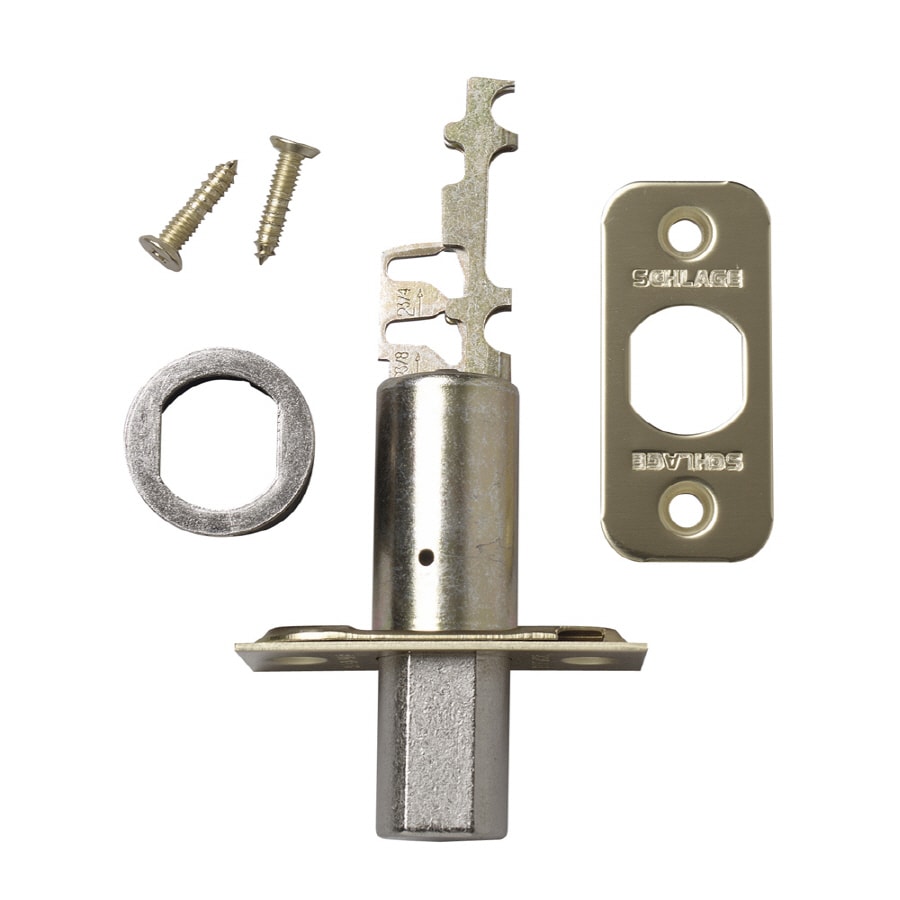
Sometimes, parts inside the lock wear out or break. You may need new screws, springs, or the entire lock cylinder. Buy parts made for Schlage deadbolts to ensure compatibility. Keep old parts to match sizes and types before buying replacements.
Fixing A Key That Won’t Turn
Fixing a key that won’t turn in a Schlage deadbolt lock can feel frustrating. The problem often comes from simple issues you can fix yourself. Start with the key and lock. Small problems can stop the lock from working smoothly. Try easy steps first. These steps save time and money.
Check For Key Damage
Look closely at your key. Check for bends, cracks, or worn edges. A damaged key cannot turn the lock properly. Use a spare key to test the lock. If the spare works, the original key is the problem. Replace or fix the damaged key to solve this issue.
Lubricate The Lock
Lock parts need to move freely inside. Dust and dirt can block the lock. Use a graphite powder or silicone spray. Avoid oil-based lubricants; they attract dirt. Spray inside the keyhole gently. Insert the key and try turning it several times. Lubrication can make the lock smooth again.
Align The Door Properly
Check if the door fits well in the frame. Misalignment can stop the key from turning. Close the door slowly and watch the bolt. The bolt should slide into the strike plate easily. Tighten or adjust the hinges if needed. Proper alignment helps the lock work without force.

Credit: www.youtube.com
Resolving A Stuck Lock Cylinder
A stuck lock cylinder can stop your Schlage deadbolt from working properly. Dirt, dust, or old grease might block the mechanism. Fixing it requires a few careful steps. Start by taking out the cylinder. Then clean and lubricate it. Finally, put it back in place. This process helps your lock work smoothly again.
Remove The Cylinder
First, find the screws on the inside of the door. Use a screwdriver to take them out. Gently pull the lock’s interior part away from the door. Locate the retaining clip or screw holding the cylinder. Remove it carefully. Slide the cylinder out from the lock body. Keep all parts safe for reassembly.
Clean And Lubricate
Use a soft cloth to wipe dirt from the cylinder. Spray a small amount of graphite lubricant inside. Avoid using oil-based sprays. They can cause more dirt to stick. Turn the cylinder key a few times. This spreads the lubricant inside the lock. Let it sit for a few minutes to work well.
Reinstall The Cylinder
Place the cylinder back into the lock body carefully. Reattach the retaining clip or screw to hold it. Align the lock’s interior part with the door holes. Insert the screws and tighten them firmly. Test the lock by turning the key several times. Make sure it moves smoothly without sticking.
Repairing A Deadbolt That Won’t Extend
A deadbolt that won’t extend can leave your door unsecured. Fixing this issue can restore safety and peace. The problem often lies within the bolt mechanism, loose screws, or worn parts. Simple checks and repairs can solve the problem quickly.
Inspect The Bolt Mechanism
Start by examining the bolt inside the lock. Dirt or debris can block its movement. Clean the bolt and the surrounding area carefully. Check if the bolt slides smoothly by hand. Look for any visible damage or bending.
Tighten Loose Screws
Loose screws can misalign the deadbolt parts. Use a screwdriver to tighten all screws on the lock and door plate. Ensure the lock is firmly attached to the door. Loose parts stop the bolt from extending fully. Tight screws improve lock function and security.
Replace Worn Parts
Worn or broken parts cause many deadbolt problems. Look for damaged springs, bolts, or cylinders. Replace any worn parts with new ones from a hardware store. Use the exact model parts for best fit. Replacing parts can bring the deadbolt back to full working order.
Adjusting Loose Deadbolt Components
Loose parts in a Schlage deadbolt can cause it to work poorly. Tight parts keep the lock strong and safe. Fixing loose pieces helps the lock fit and move right. This stops jamming and other problems. Follow these simple steps to adjust your deadbolt parts.
Tighten Screws
Start by checking all screws on the lock. Use a screwdriver to make them tight. Loose screws can let the lock wobble or stick. Tight screws hold the deadbolt in place. Check both sides of the door and the lock face. Tight screws improve lock function and security.
Check Strike Plate Alignment
The strike plate is the metal piece on the door frame. It catches the deadbolt when you close the door. Make sure it lines up with the bolt. If it is off, the bolt may not slide in well. Adjust the plate by loosening screws and moving it slightly. Tighten screws after it fits the bolt snugly.
Secure The Lock Body
The lock body holds all parts together. If it moves or feels loose, the lock may fail. Remove the screws on the lock body and check inside. Push the lock tight against the door. Tighten all screws to hold it firmly. A secure lock body keeps your deadbolt working smoothly.
Preventive Maintenance Tips
Taking care of your Schlage deadbolt lock helps it work well for years. Small steps can stop many common problems. Keeping up with simple maintenance saves time and money. Follow these tips to keep your lock smooth and secure.
Regular Lubrication
Lubricate your deadbolt twice a year. Use a graphite or silicone-based lubricant. Avoid oil sprays that attract dust and dirt. Apply a small amount to the keyhole and bolt. This helps the parts move easily without sticking.
Periodic Inspection
Check your lock every few months. Look for loose screws or worn parts. Tighten any loose screws carefully. Make sure the bolt slides smoothly in the strike plate. Early checks catch problems before they get worse.
Proper Key Usage
Use the correct key only. Avoid using old or bent keys. Insert the key gently without force. Do not turn the key hard or fast. Rough use can damage the lock’s internal parts quickly.

Credit: forums.wyze.com
When To Call A Locksmith
Knowing when to call a locksmith can save time and avoid damage. Some problems with Schlage deadbolt locks need expert help. Attempting fixes without skills may cause more harm. A professional locksmith has the right tools and knowledge. They ensure the lock works properly and safely again.
Complex Mechanical Failures
Deadbolts have many small parts inside. These parts can wear out or break. If the lock jams or sticks often, it may have a mechanical failure. Repairing complex parts needs special tools. A locksmith can fix or replace broken components quickly. Trying to fix these issues alone can make problems worse.
Lost Or Broken Keys
Losing your key is stressful and risky. A broken key stuck in the lock stops you from entering. Locksmiths can cut new keys or remove broken ones safely. They can also rekey your lock to keep your home secure. Avoid forcing the lock to prevent damage.
Security Concerns
After a break-in or lost keys, security is a top priority. Changing or upgrading your deadbolt is best done by a locksmith. They can install high-security locks and ensure proper function. This keeps your home safe and gives peace of mind. Don’t delay if you feel your security is at risk.
Frequently Asked Questions
How Do I Fix A Stuck Schlage Deadbolt Lock?
To fix a stuck Schlage deadbolt, lubricate the lock with graphite powder. Check for misalignment between the door and strike plate. Tighten loose screws and test the key to ensure smooth operation.
Why Is My Schlage Deadbolt Key Hard To Turn?
A hard-to-turn key often means the lock needs lubrication. Dirt or rust inside the cylinder can cause resistance. Use a graphite-based lubricant and avoid oil sprays to prevent gumming up the lock.
How Can I Realign A Schlage Deadbolt Lock?
Realign the deadbolt by adjusting the strike plate on the door frame. Loosen the screws, move the plate slightly, and tighten. Ensure the bolt fits smoothly into the strike plate hole when locking.
When Should I Replace My Schlage Deadbolt Lock?
Replace your Schlage deadbolt if it’s damaged, worn, or has persistent issues. Also, upgrade if security features are outdated or if you lost your keys for safety reasons.
Conclusion
Fixing a Schlage deadbolt lock can save time and money. Simple steps often solve common problems quickly. Keep your tools ready and follow instructions carefully. Small adjustments can make the lock work smoothly again. Regular maintenance helps avoid future issues.
Stay patient and work methodically for best results. This guide helps you handle basic lock repairs at home. Feeling confident with these tips makes your home safer. Try these steps next time your Schlage lock acts up.