Have you ever tried to remove a metal anchor from your wall, only to end up with more holes and frustration? If you’re dealing with stubborn anchors that just won’t budge, you’re not alone.
Removing metal anchors can be tricky, but with the right approach, you can get them out cleanly without damaging your wall. You’ll discover simple, effective methods that anyone can use to tackle this common home repair challenge. Keep reading, and you’ll learn exactly how to save time, avoid mess, and get your walls looking perfect again.
Tools Needed
Removing metal anchors from a wall needs the right tools. Choosing proper tools makes the job easier and safer. Some tools are found in most homes. Others are made for this specific task. Knowing these tools helps you prepare well.
Common Household Tools
Many metal anchors can be removed with simple tools. A flathead screwdriver helps to pry anchors gently. Needle-nose pliers grip and pull small anchors. A hammer can tap the screwdriver for leverage. Utility knives cut around the anchor if needed. These tools are easy to find at home.
Specialized Removal Tools
Some anchors need special tools for safe removal. An anchor removal tool is designed to pull anchors cleanly. A stud finder helps locate wall studs around anchors. A pair of locking pliers offers a strong grip. Sometimes, a drill with a bit removes stubborn anchors. These tools reduce wall damage during removal.

Credit: www.youtube.com
Types Of Metal Anchors
Metal anchors help hold heavy items on walls. They come in different types for different needs. Knowing the type of anchor helps you remove it safely and easily. Below are the common types of metal anchors found in walls.
Expansion Anchors
Expansion anchors open up inside the wall when you screw them in. They create a strong grip by pressing against the wall. Usually made of metal, they work well in drywall and masonry. Removing these anchors requires loosening the screw first, then pulling the anchor out carefully.
Toggle Bolts
Toggle bolts have wings that open inside the wall. The wings spread wide to hold heavy loads. They are often used in hollow walls like drywall. To remove toggle bolts, unscrew the bolt and gently pull the wings through the hole.
Molly Bolts
Molly bolts expand behind the wall when you tighten the screw. They create a firm hold for medium-weight objects. These anchors are reusable, but removal needs care to avoid wall damage. Unscrew the bolt slowly and pull the anchor out with steady force.
Preparation Steps
Before removing metal anchors from a wall, preparation is key. Proper steps help protect your wall and make the process easier. Taking time to prepare avoids extra damage and saves effort.
Clearing The Area
Start by clearing the space around the anchor. Remove furniture and decorations nearby. This gives you room to work and prevents accidents. Keep tools handy and organized. A clear area helps you focus and move safely.
Protecting The Wall Surface
Cover the wall around the anchor with painter’s tape. This shields the paint and drywall from scratches. Use a drop cloth or old sheet on the floor to catch debris. Protecting the surface keeps your wall looking good after removal.
Removing Expansion Anchors
Expansion anchors hold tightly in walls. Removing them can be tricky but is possible with the right tools. These anchors spread inside the wall to create a firm grip. Pulling them out carefully avoids damage to the wall surface.
Two common ways to remove expansion anchors are using pliers and prying with a flathead screwdriver. Both methods work well depending on the anchor’s size and how deep it sits.
Using Pliers
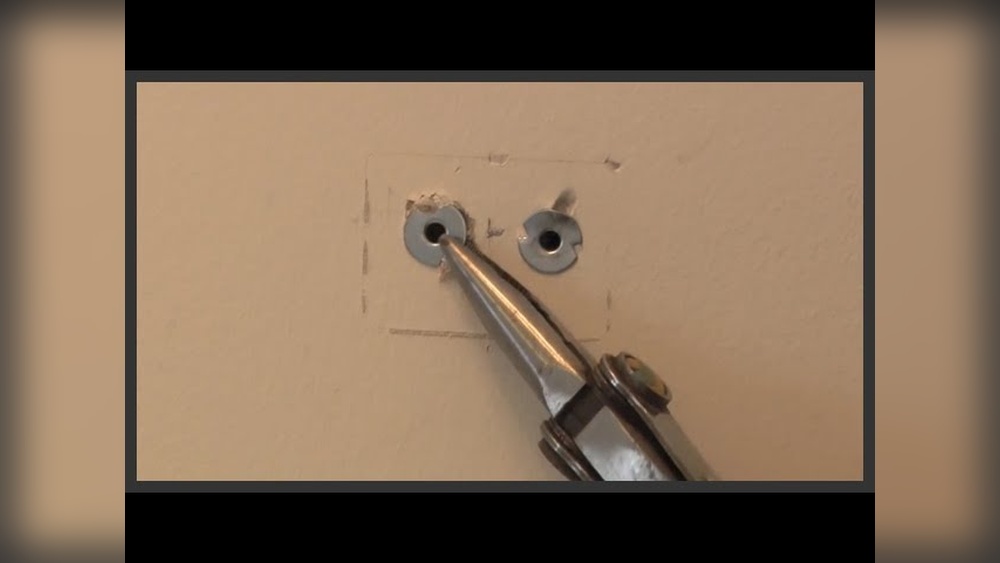
Start by gripping the metal part of the anchor with pliers. Pull gently but firmly straight out. Avoid twisting to prevent wall damage. If the anchor moves, keep pulling slowly. For stuck anchors, wiggle the pliers slightly. This loosens the grip inside the wall. Stop once the anchor is free. Clean the hole after removal.
Prying With A Flathead Screwdriver
Place the flathead screwdriver under the edge of the anchor’s rim. Push the handle down to lift the anchor. Use gentle pressure to avoid wall cracks. Work around the anchor by moving the screwdriver to different sides. This pries the anchor out evenly. Once loose, pull out by hand or with pliers. Patch the hole to finish.
Taking Out Toggle Bolts
Removing toggle bolts from walls can seem tricky. These anchors spread out behind the wall, making them strong. You need a careful approach to pull them out without damage.
Here are simple steps to take out toggle bolts safely and easily.
Pushing Through The Wall
First, try to push the toggle bolt through the wall. Use a screwdriver to turn the bolt counterclockwise. This loosens the bolt from the wall.
Keep turning until the bolt detaches from the toggle. Then, gently push the toggle inside the wall cavity. It will fall behind the drywall.
This step helps clear the bolt so you can remove the toggle next.
Retrieving The Toggle
Retrieving the toggle is the hardest part. The toggle usually stays hidden inside the wall. It is too wide to pull back through the hole.
Use a wire coat hanger or a grabber tool. Insert it through the hole to catch the toggle. Try to hook the toggle and pull it out.
If you cannot pull it out, leave the toggle inside the wall. It will not cause harm. Patch the hole and paint over it.

Credit: www.reddit.com
Extracting Molly Bolts
Molly bolts, also called metal anchors, hold things tightly on walls. Removing them can seem tricky. This section shows easy steps to extract molly bolts without damage. The right method keeps your wall safe and clean.
Unscrewing The Bolt
Start by turning the bolt counterclockwise. Use a screwdriver that fits well. Turn slowly and gently. The bolt should come out without force. If it feels stuck, stop and try the next method.
Collapsing And Pulling The Anchor
Push the bolt inside the wall slightly. This action collapses the anchor wings behind the wall. Use pliers to grip the bolt head. Pull the bolt and anchor out together. Do this slowly to avoid wall damage.
Dealing With Stubborn Anchors
Stubborn metal anchors can be tough to remove from walls. They may stay stuck even after pulling hard. Patience and the right tools help get them out without damage. Sometimes, drilling is the best solution to remove these anchors safely.
Drilling Out Anchors
Use a drill with a bit slightly smaller than the anchor. Drill slowly into the center of the anchor. This breaks the anchor inside the wall. Avoid drilling too deep to protect the wall. Once drilled, the anchor should loosen and come out easily.
Filling And Patching Holes
After anchor removal, holes remain in the wall. Fill these holes with spackling or wall filler. Use a putty knife to spread the filler evenly. Let it dry completely before sanding smooth. Paint over the patched area to match the wall color. This restores the wall’s clean look quickly.

Credit: www.youtube.com
Preventing Wall Damage
Removing metal anchors can easily damage your walls. Scratches, holes, and crumbling drywall are common problems. Taking care to protect the wall is important. Use the right tools and methods to avoid extra work later. Small efforts now save time and money later.
Gentle Removal Techniques
Start by loosening the anchor carefully. Use pliers or a screwdriver to wiggle it gently. Avoid pulling hard or fast. Pulling too quickly can tear the drywall. If the anchor spins, try pushing it inward slightly. This can break its grip without big damage. Work slowly and check the wall often. Stop if you see cracks or crumbles forming. Patience helps keep your wall smooth.
Post-removal Repairs
After removing anchors, holes often remain. Fill them with spackle or wall putty. Use a putty knife to spread the filler evenly. Let it dry fully before sanding. Sand lightly to make the surface flat. Paint over the patched area to match the wall color. This hides the repair and restores the wall’s look. Small repairs keep walls strong and clean.
Tips For Reusing Wall Anchors
Reusing metal wall anchors saves time and money. It also reduces waste and keeps walls intact.
Before using an anchor again, check it carefully. Not all anchors can be reused safely.
Checking Anchor Condition
Look for bends, cracks, or rust on the anchor. Any damage means the anchor may not hold well.
Test the anchor’s grip by inserting it into a scrap piece of drywall. If it feels loose, do not reuse it.
Clean the anchor from dust or debris before reuse. A clean anchor fits better and grips stronger.
When To Replace Anchors
Replace anchors that show any signs of wear or damage. Do not risk wall damage or falling items.
Use new anchors if the old ones do not fit snugly in the hole. Loose anchors can fail easily.
Always choose the right size and type for the weight you need to support. Safety comes first.
Frequently Asked Questions
How Can I Safely Remove Metal Anchors From Walls?
To safely remove metal anchors, first unscrew any attached screws. Use pliers to gently pull the anchor out. If it resists, carefully widen the hole with a drill or screwdriver, then extract the anchor. This prevents wall damage and makes removal easier.
What Tools Do I Need To Remove Metal Wall Anchors?
You need pliers, a screwdriver, and possibly a drill. Pliers help grip and pull the anchor. A screwdriver removes screws or widens holes. A drill can expand the hole if the anchor is stuck. These tools ensure safe and efficient removal.
Will Removing Metal Anchors Damage My Wall?
Removing metal anchors can cause minor wall damage if done improperly. Use gentle pulling and proper tools to minimize damage. Patch and paint the hole afterward for a smooth finish. Careful removal preserves your wall’s appearance.
How Do I Fix Holes After Removing Metal Anchors?
Fill holes with spackle or wall putty using a putty knife. Let it dry completely, then sand smooth. Finally, repaint the area to match the wall. This restores the wall’s surface and hides anchor removal marks.
Conclusion
Removing metal anchors from walls can be simple with the right steps. Use tools carefully to avoid damage. Take your time and follow safety tips. Small holes left behind are easy to fix. Practice makes the process smoother and faster.
You can refresh your wall after removal. Keep patience and stay calm throughout the task. Soon, you will handle wall anchors like a pro.