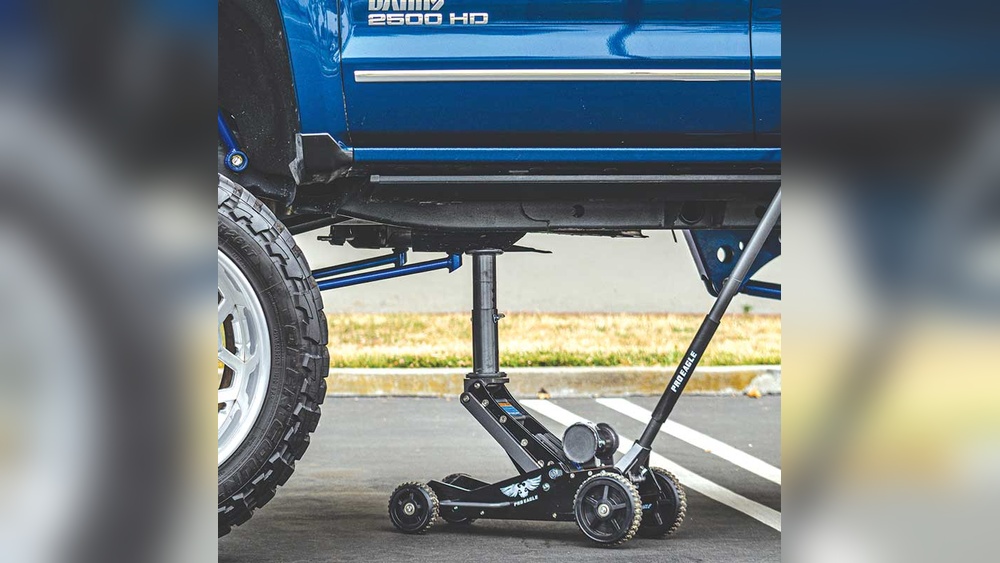
Lifting your truck safely and efficiently doesn’t have to be a challenge. Whether you’re changing a tire or checking under the hood, knowing how to use a floor jack the right way is key.
In this guide, you’ll discover simple steps that make lifting your truck easy and secure. By the end, you’ll feel confident handling your floor jack like a pro—saving time, avoiding accidents, and protecting your vehicle. Ready to get started? Let’s dive in.
Choosing The Right Floor Jack
Choosing the right floor jack is key to lifting your truck safely and easily. The right jack supports your truck’s weight and fits your workspace. This section guides you through picking the best one for your needs.
Types Of Floor Jacks
There are several types of floor jacks. The most common are hydraulic and mechanical. Hydraulic jacks use fluid pressure to lift heavy loads smoothly. Mechanical jacks rely on a screw or ratchet system. Hydraulic jacks are easier to use and faster. Mechanical jacks are lighter and cheaper but need more effort.
Weight Capacity Considerations
Check the weight capacity before buying. Your floor jack must handle the truck’s weight safely. Always choose a jack with a higher capacity than your truck’s weight. This prevents accidents and jack failure. Most trucks require jacks rated for at least 3 tons.
Material And Build Quality
Strong materials make jacks durable and safe. Look for steel or heavy-duty aluminum. Steel jacks are sturdy but heavier. Aluminum jacks are lighter and resist rust. Well-built jacks have solid welds and smooth operation. A quality jack lasts longer and works better.

Credit: www.youtube.com
Preparing Your Truck
Preparing your truck before using a floor jack is very important. It keeps you safe and helps the job go smoothly. Taking simple safety steps prevents accidents and damage. Follow these steps carefully to prepare your truck properly.
Parking On A Level Surface
Always park your truck on a flat, level area. This stops the truck from moving or rolling. Avoid slopes or uneven ground. A level surface gives the floor jack a stable base. It makes lifting safer and easier.
Engaging The Parking Brake
Set the parking brake firmly before lifting the truck. This locks the wheels in place. The truck will not roll or shift while raised. Double-check that the brake is fully on. This step is crucial for your safety.
Chocking The Wheels
Use wheel chocks to block the tires opposite the side you lift. This adds extra security against rolling. Place the chocks tightly against the wheels. Check that they do not move. Wheel chocks help keep the truck steady.
Locating The Jack Points
Finding the right jack points is key to lifting a truck safely. These spots are made to hold the weight without causing damage. Using the wrong area can harm your truck or cause accidents. Knowing where to place the floor jack is the first step in any lifting job.
Consulting The Owner’s Manual
The owner’s manual is the best source for jack points. It shows exact locations designed for lifting. Manuals often include diagrams that are easy to follow. Always check the manual before starting any lift. This ensures you use the safest and strongest points.
Identifying Safe Lift Areas
Look for solid parts on the truck frame. These include reinforced metal sections near the wheels. Avoid plastic parts or thin metal panels. Safe lift areas will hold the jack without bending or cracking. Clean these spots first to get a firm grip.
Avoiding Damage-prone Spots
Stay away from areas with wires or hoses nearby. Lifting here can cause costly damage. Avoid the truck’s body panels, as they are not built to hold weight. Do not place the jack on the bumper or exhaust system. These parts can break easily under pressure.
Positioning The Floor Jack
Positioning the floor jack correctly is key to lifting a truck safely. The right placement keeps the truck stable. It also prevents damage to your vehicle and the jack. Take your time. Focus on precision and safety before lifting.
Aligning With Jack Points
Locate the truck’s designated jack points. These spots are made to hold the jack’s weight. Check your owner’s manual if unsure. Place the jack directly under these points. Proper alignment prevents slipping and damage.
Ensuring Stable Contact
Make sure the jack’s saddle touches the truck evenly. The contact area should be flat and secure. Avoid tilting the jack or placing it on uneven ground. Stable contact supports the truck’s weight safely.
Checking Jack Placement
Double-check the jack’s position before lifting. The jack should sit firmly and not wobble. Give the jack a slight push to test stability. Adjust if the truck or jack moves. Safe placement avoids accidents during lifting.
Lifting The Truck
Lifting a truck with a floor jack is a careful process. It needs focus and steady actions to keep everything safe. This part covers how to lift the truck step by step. Follow these instructions closely to avoid accidents and damage.
Operating The Jack Handle
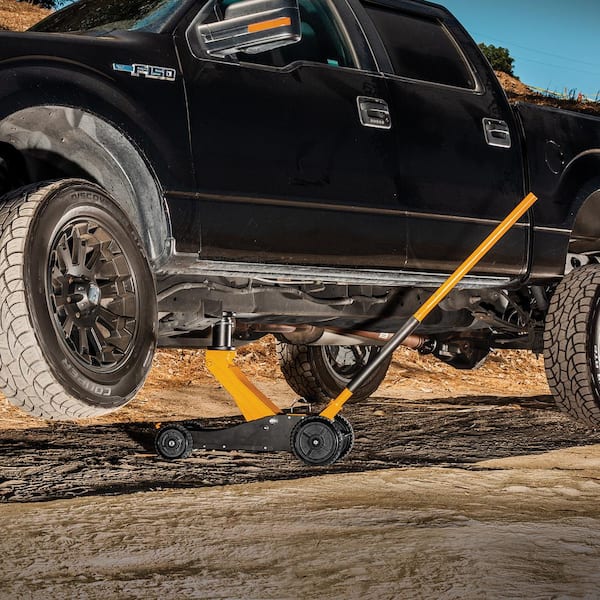
Start by placing the jack handle in the pump socket. Move the handle up and down slowly. This action pushes the jack’s arm upward. Keep pumping until the jack’s saddle touches the truck’s lifting point. Make sure the handle moves smoothly without sudden jerks.
Raising The Vehicle Slowly
Lift the truck in small steps. Pump the handle gently to raise the truck a little at a time. Pause often to check the height. Slow lifting helps prevent the truck from slipping off the jack. It also gives time to notice any issues early.
Monitoring Stability
Watch the truck’s balance during lifting. The truck should stay steady without tilting. Stop immediately if you see any wobbling or shifting. Use jack stands for extra support once the truck is lifted. Never rely on the floor jack alone for safety.
Credit: www.homedepot.com
Securing The Lifted Truck
Securing the lifted truck is the most important step after raising it with a floor jack. It keeps you safe and stops the truck from falling or moving. Never skip this step. Proper security protects you during repairs or inspections.
Using Jack Stands Properly
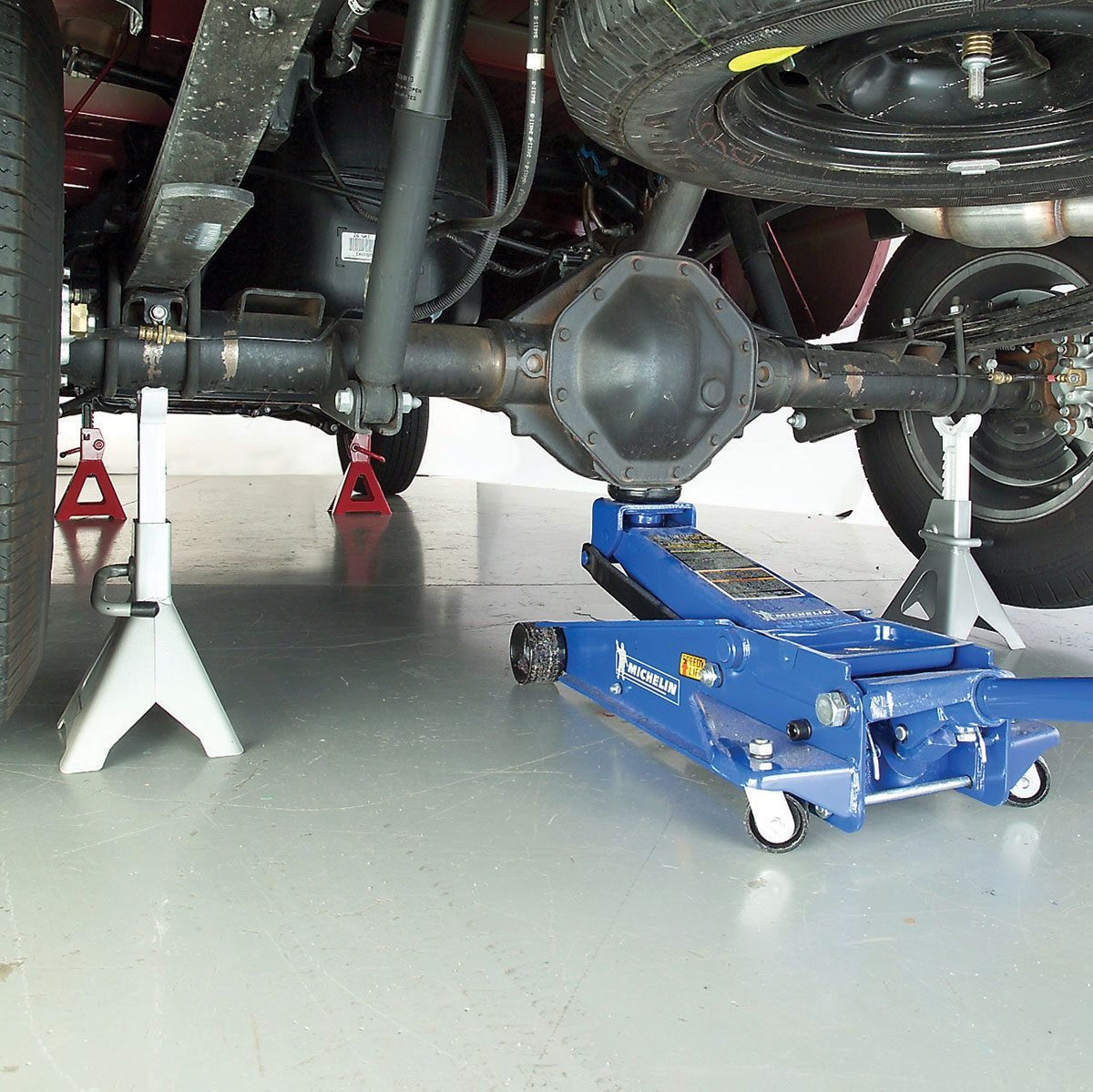
Place jack stands on a flat, solid surface. Position them under the truck’s strong points, like the frame or designated lift spots. Slowly lower the truck onto the stands. Make sure the truck rests firmly and evenly on each stand. Never rely on the floor jack alone for support.
Double-checking Stability
Give the truck a gentle push after it sits on the stands. It should not rock or shift. Check that the stands are steady and not damaged. Look under the truck again to confirm the stands are in the right place. Stability saves lives.
Avoiding Common Mistakes
Don’t place jack stands on soft or uneven ground. Avoid using objects like bricks or wood blocks for support. Never lift the truck higher than the jack stand’s limit. Don’t work under a truck that only rests on a jack. These mistakes cause accidents.
Lowering The Truck Safely
Lowering a truck safely is as important as lifting it properly. Taking your time and following the right steps helps avoid accidents and damage. This part explains how to lower the truck step-by-step. Stay focused and careful.
Removing Jack Stands
Before lowering, remove the jack stands supporting the truck. Make sure the floor jack holds the truck securely. Check that the jack is stable and in place. Slowly lift the truck a little to take weight off the stands. Then, carefully move the jack stands away from under the truck. Keep hands and feet clear of the truck’s path.
Lowering The Floor Jack Slowly
Turn the release valve on the floor jack very slowly. Lower the truck in small steps to avoid sudden drops. Keep watching the truck as it moves down. Stop lowering if you feel any unusual movement or hear strange sounds. Take your time. Safety is the top priority.
Final Safety Checks
After the truck is fully lowered, remove the floor jack carefully. Check the truck’s stability on the ground. Make sure the wheels are secure and the truck does not move. Look around for any tools or objects left under the truck. Clear the workspace. Confirm everything is safe before driving or working further.
Credit: www.familyhandyman.com
Safety Tips And Precautions
Lifting a truck with a floor jack needs careful attention. Safety comes first to avoid accidents and injuries. Follow these safety tips and precautions before starting any lifting task.
Wearing Protective Gear
Always wear gloves to protect your hands from dirt and sharp parts. Use safety glasses to shield your eyes from dust and debris. Wear sturdy shoes to protect your feet in case the jack slips or falls.
Avoiding Overloading
Check the floor jack’s weight limit before use. Never lift a truck heavier than the jack’s capacity. Overloading can cause the jack to fail and lead to serious accidents.
Place the jack under the truck’s recommended lifting points. This ensures stability and prevents damage to your vehicle.
Maintaining Your Floor Jack
Inspect the jack regularly for any signs of wear or damage. Keep the jack clean and free of dirt and grease. Lubricate moving parts as needed to keep the jack working smoothly.
Replace worn-out parts promptly. A well-maintained jack works safer and lasts longer.
Frequently Asked Questions
How Do I Safely Lift A Truck With A Floor Jack?
Place the jack under the truck’s recommended lift point. Pump the handle steadily. Use jack stands for support. Never work under a truck supported only by a floor jack. Follow your truck’s manual for safety tips.
What Type Of Floor Jack Is Best For Lifting Trucks?
A high-capacity hydraulic floor jack is best. Choose one with at least a 3-ton capacity. This ensures it can handle heavier trucks safely. Look for durability and smooth lifting action for ease of use.
Where Should I Place The Floor Jack On My Truck?
Locate the manufacturer’s designated lifting points. These are usually near the frame or axle. Avoid placing the jack on the truck’s body or suspension parts. Correct placement prevents damage and ensures safe lifting.
Can I Lift A Truck Alone With A Floor Jack?
Yes, you can lift a truck alone. But always ensure the truck is on a flat, stable surface. Use jack stands immediately after lifting. Never rely solely on the floor jack for support.
Conclusion
Lifting a truck with a floor jack is simple and safe. Always place the jack under the right spot. Check that the truck is stable before lifting. Raise the truck slowly and keep an eye on the jack. Never rush the process or take shortcuts.
Practice these steps to lift your truck with confidence. Stay safe and handle your tools carefully. This skill helps with repairs and tire changes. A floor jack makes truck work easier and quicker. Keep your jack in good shape for the best results.

