If you’ve ever tried to hang something on a cement wall, you know it’s not as simple as putting a nail in wood. Drilling hooks into cement can feel tricky and frustrating—but it doesn’t have to be.
With the right tools and a few easy steps, you can securely hang your items without worry. In this guide, you’ll discover exactly how to drill hooks into your cement wall safely and effectively. Keep reading, and you’ll be ready to tackle your next project with confidence.
Tools And Materials Needed
Drilling hooks into a cement wall needs the right tools and materials. Using proper equipment makes the task easier and safer. Below are the essential items you need to prepare before starting.
Types Of Hooks
Select hooks based on the weight they must hold. Small cup hooks work for light items. Heavy-duty hooks suit larger objects like shelves. Choose rust-resistant hooks for outdoor or damp areas.
Drill And Drill Bits
A hammer drill is best for cement walls. It combines rotary and hammering action. Use masonry drill bits designed for concrete. Match the bit size to your wall anchors for a tight fit.
Anchors And Screws
Wall anchors prevent screws from pulling out. Plastic or metal anchors come in various sizes. Pick anchors strong enough for your item’s weight. Use screws that fit the anchors perfectly for secure holding.

Credit: www.amazon.com
Preparing The Wall
Preparing the wall is the first step in drilling hooks into cement. It sets the stage for a safe and strong hold. Taking time here prevents damage and ensures your hook stays firm.
Start by checking the wall surface. Look for cracks or loose areas. A solid wall holds the hook better and avoids accidents.
Selecting The Right Spot
Choose a spot with no hidden wires or pipes. Use a stud finder or wire detector to be sure. Avoid corners or edges where the cement is thinner. Pick a flat area for better grip.
Marking The Drill Point
Mark the exact spot where you want the hook. Use a pencil or chalk for clear visibility. Double-check the height and position before drilling. This helps keep your hook straight and balanced.
Drilling Into Cement
Drilling into a cement wall needs care and the right tools. Cement is hard and dense, so you must prepare well before drilling. Using the correct drill bit and technique helps make clean holes without damaging the wall. Following safety steps keeps you safe and prevents accidents.
Choosing The Drill Bit
Select a masonry drill bit for cement walls. These bits have a strong tip made of tungsten carbide. They cut through cement without breaking. Use a bit size that matches the hook’s anchor. Avoid using wood or metal bits, as they can wear out quickly.
Drilling Technique
Mark the spot clearly on the wall before drilling. Hold the drill steady and start at a low speed. Push gently without forcing the drill inside. Use a hammer drill if available, as it makes drilling easier. Periodically pull the bit out to clear dust. Stop drilling once you reach the needed depth.
Safety Tips
Wear safety goggles to protect your eyes from dust and debris. Use a dust mask to avoid breathing in cement particles. Keep your hands away from the drill bit while working. Make sure the drill’s power cord is not tangled or wet. Work in a well-lit area to see clearly. Take breaks if you feel tired to avoid mistakes.
Installing Anchors And Hooks
Installing anchors and hooks into a cement wall is a key step for hanging heavy items safely. The right method keeps your hooks secure and prevents damage to the wall. Follow clear steps to insert anchors and secure hooks properly.
Inserting Anchors
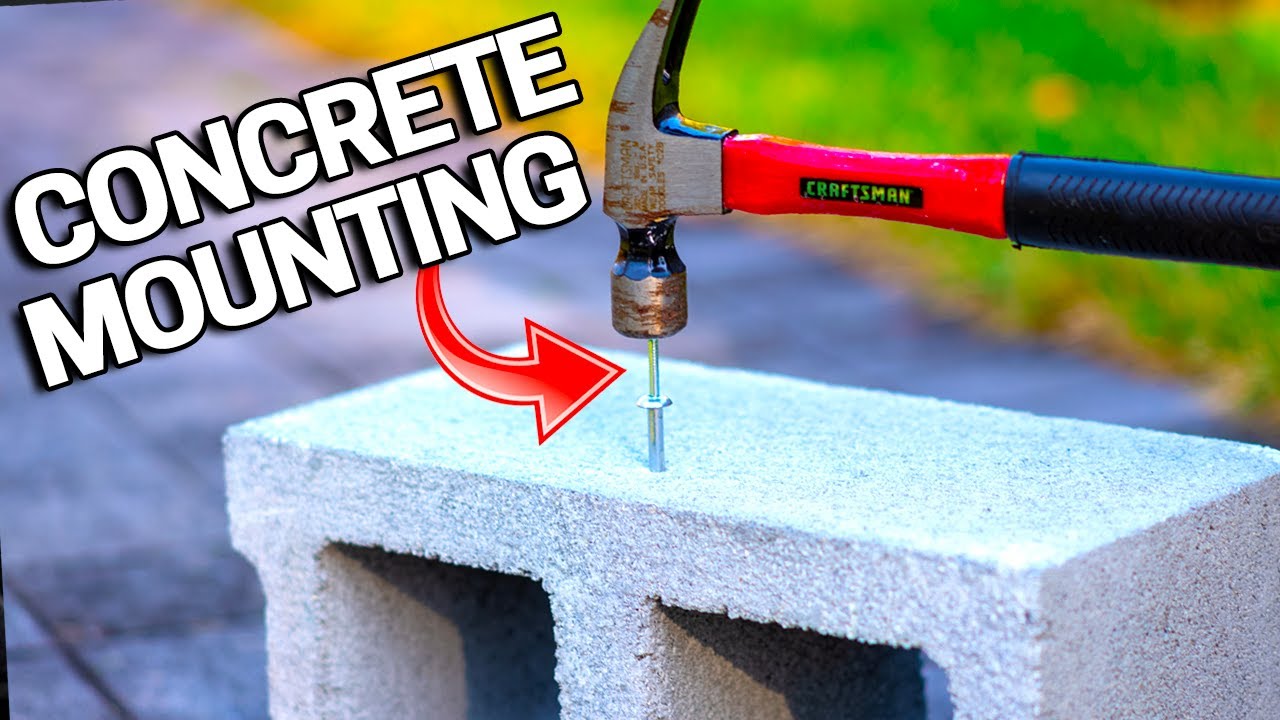
First, drill a hole in the cement wall using a masonry bit. The hole size should match the anchor size exactly. Clean out dust from the hole with a brush or blower. Next, push the anchor gently into the hole. Tap it lightly with a hammer until it sits flush with the wall surface. The anchor holds the hook firmly in place.
Securing The Hook
After the anchor is set, screw the hook into the anchor by turning it clockwise. Tighten the hook until it feels stable. Avoid over-tightening to prevent damaging the anchor. Check the hook by pulling it lightly to ensure it does not move. Properly secured hooks will hold heavy weights without slipping.
Testing Stability
Testing the stability of hooks drilled into a cement wall is a vital step. It ensures safety and prevents damage to walls and items hung. After installing hooks, check how well they hold weight. This step helps avoid accidents or falling objects.
Weight Limits
Start by hanging a light object on the hook. Gradually increase the weight to the desired load. Never exceed the weight limit recommended for the hook type. Overloading hooks can cause them to pull out or damage the wall. Note the hook’s reaction to the weight. If it holds steady, the installation is solid.
Adjustments If Needed
If the hook feels loose or wobbly, remove it carefully. Check the hole for damage or debris. Use a larger or more suitable anchor for better grip. Re-drill the hole if necessary, deeper or wider. Tighten the hook firmly but avoid overtightening. Test the stability again after adjustments. Repeat until the hook stays secure under weight.
Credit: www.youtube.com
Common Mistakes To Avoid
Drilling hooks into a cement wall requires care and attention. Avoiding common mistakes can save time and prevent damage. Many people rush or use the wrong tools. This leads to poor results or unsafe hooks. Follow these tips to get the job done right.
Using The Wrong Drill Bit
Concrete needs a special drill bit called a masonry bit. Using a regular bit will wear it down quickly. It may also break or get stuck. Always check that your drill bit is made for cement walls.
Not Marking The Spot Clearly
Drilling without marking the spot can cause holes in the wrong place. Use a pencil or tape to mark exactly where the hook goes. This ensures your hook is straight and secure.
Skipping The Pilot Hole
Drilling a small pilot hole first helps guide the larger drill bit. Skipping this step can cause cracks or uneven holes. Take time to make a small hole before drilling the full size.
Applying Too Much Pressure
Pushing hard on the drill can damage the wall or bit. Let the drill do the work. Use steady, even pressure to avoid cracks or broken bits.
Ignoring Safety Gear
Concrete dust can harm your eyes and lungs. Always wear safety glasses and a mask. Protect your hands with gloves to avoid injuries from sharp tools.

Credit: www.familyhandyman.com
Frequently Asked Questions
What Tools Are Needed To Drill Hooks Into Cement Walls?
You need a hammer drill, masonry bit, wall plugs, hooks, a pencil, and a hammer. These tools ensure proper drilling and secure hook installation into cement walls.
How Do I Choose The Right Drill Bit For Cement?
Use a masonry drill bit slightly smaller than the wall plug diameter. This ensures a tight fit and strong hold for the hooks.
Can I Drill Hooks Into Any Type Of Cement Wall?
Yes, but check wall thickness and reinforcement. Avoid drilling near electrical wires or plumbing to prevent damage and ensure safety.
How Deep Should I Drill Holes For Hooks In Cement?
Drill holes at least the length of the wall plug plus 1 cm. This provides enough depth for secure hook anchoring.
Conclusion
Drilling hooks into a cement wall is easier with the right tools. Use a drill with a masonry bit for best results. Mark your spot carefully before drilling. Wear safety glasses to protect your eyes. Take your time and drill steadily.
After drilling, insert the hook securely. This simple process helps hang items safely on cement walls. Practice a few times to gain confidence. Now, you can hang pictures, shelves, or tools without worry.