Are you struggling to hang shelves, pictures, or heavy items on your wall without worrying they’ll fall? Getting the right anchors in your wall is the key to a strong, secure hold.
But how do you choose the best anchors, and how do you install them properly? In this guide, you’ll discover simple, step-by-step tips to get anchors in your wall like a pro—so your items stay safe and steady. Keep reading, and you’ll never have to guess which anchors to use or how to put them in again!

Credit: www.wikihow.com
Types Of Wall Anchors
Wall anchors hold screws firmly in walls that cannot support weight alone. Different anchors work best for different wall types and weights. Choosing the right anchor ensures strong, safe mounting.
Plastic Expansion Anchors
Plastic expansion anchors fit into drilled holes in drywall or plaster. They expand when a screw is inserted, gripping the wall tightly. These anchors work well for light to medium loads, such as small shelves or picture frames.
Molly Bolts
Molly bolts are metal anchors that expand inside the wall cavity. They create a strong hold in drywall or hollow walls. Use molly bolts for medium to heavy objects like mirrors or towel racks.
Toggle Bolts
Toggle bolts have spring-loaded wings that open inside the wall. They spread the load over a large area, offering strong support. These anchors suit heavy items like shelves or cabinets on hollow walls.
Threaded Drywall Anchors
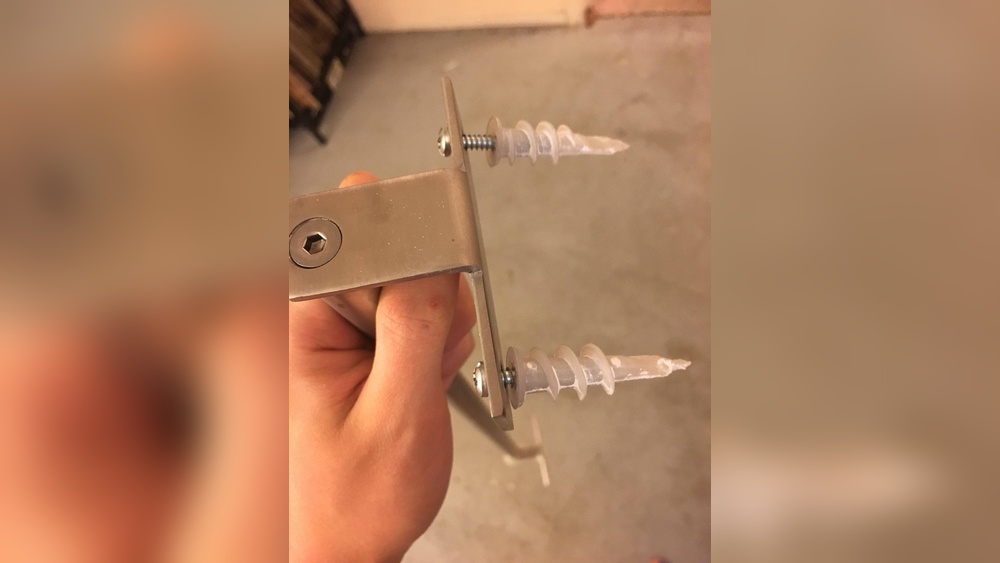
Threaded drywall anchors screw directly into drywall without pre-drilling. They create a tight grip and hold medium loads well. These anchors are easy to install and remove, ideal for hanging pictures or small fixtures.
Choosing The Right Anchor
Choosing the right anchor is important for a strong hold. The right anchor keeps items secure on your wall. Pick anchors that fit your wall type and the weight you want to hold. Wrong anchors can cause damage or make your item fall.
Assessing Wall Material
Start by checking your wall type. Drywall, plaster, concrete, and brick all need different anchors. Drywall anchors work best for soft walls. Concrete and brick require heavy-duty anchors. Knowing your wall material helps pick anchors that hold well and last long.
Considering Weight Capacity
Think about how heavy the item is. Light items need small anchors. Heavy items need strong anchors that can hold more weight. Check the anchor’s weight limit before buying. Use anchors with a weight rating higher than your item’s weight for safety.
Selecting Anchor Size
Anchor size matters for stability. Small anchors are for light items and thin walls. Big anchors fit heavy items and thick walls. Match the anchor size to the screw and wall hole. Too small anchors will not hold well. Too big anchors may damage the wall.
Tools Needed
Getting anchors in a wall requires a few basic tools. These tools help you drill holes, measure space, and fix anchors securely. Having the right tools makes the job easier and safer.
Drill And Drill Bits
A drill is essential for making holes in the wall. Use drill bits that match the size of your anchors. Different walls need different drill bits, like masonry bits for brick or concrete.
Screwdriver
A screwdriver helps to screw anchors into the wall. Choose the right type, either flathead or Phillips, based on your screws. It allows you to tighten screws without damaging the anchor.
Measuring Tape
Measuring tape ensures you place anchors exactly where needed. It helps measure distances between holes for even spacing. Precise measuring keeps your project neat and balanced.
Level
A level keeps your anchors straight and aligned. It prevents crooked mounting of shelves or pictures. Using a level improves the look and stability of your work.
Preparing The Wall
Preparing the wall is the first step to properly install anchors. It helps ensure the anchors hold firmly and safely. Taking time to prepare the wall can prevent damage and make the process smoother. Follow simple steps for the best results.
Marking Anchor Locations
Start by deciding where to place the anchors. Use a pencil to mark these spots clearly. Double-check the spacing between marks. Proper spacing avoids cracks or weak spots in the wall. Use a level to keep marks straight and even.
Drilling Pilot Holes
Select the right drill bit size for your anchors. Drill slowly and steadily at each marked point. Keep the drill perpendicular to the wall. This makes sure the hole is straight and clean. Avoid pushing too hard to prevent wall damage.
Cleaning The Hole
Remove dust and debris from the drilled holes. Use a small brush or a vacuum for cleaning. Clean holes help anchors grip the wall better. This step improves the strength and durability of the fixings. Always check the hole is clear before inserting anchors.
Installing Anchors
Installing anchors in a wall makes it strong enough to hold heavy items. The right anchor keeps screws steady and prevents damage. Different anchors work best for different wall types and weights. Follow simple steps to install each type correctly.
Inserting Plastic Anchors
Plastic anchors are easy to use and fit light loads. First, drill a hole in the wall that matches the anchor size. Push the plastic anchor into the hole until it sits flush with the surface. Tap gently with a hammer if needed. Next, insert the screw into the anchor and tighten slowly. The anchor expands inside, holding the screw firmly.
Setting Molly Bolts
Molly bolts work well for drywall and hollow walls. Drill a hole slightly smaller than the bolt’s diameter. Insert the molly bolt into the hole until the flange rests on the wall. Tighten the screw to expand the metal sleeve behind the wall. This creates a strong grip. Remove the screw, place the item to hang, then reinsert and tighten the screw fully.
Using Toggle Bolts
Toggle bolts support heavy objects on hollow walls. Drill a large hole to fit the toggle wings folded. Thread the screw through the item and into the toggle bolt. Push the toggle wings through the hole until they open inside the wall. Pull the screw back gently to lock the wings tight. Tighten the screw to secure the item firmly.
Screwing In Threaded Anchors
Threaded anchors screw directly into drywall without drilling. Choose the right size anchor for your screw. Hold the anchor against the wall and turn it clockwise. Use a screwdriver or drill for easier screwing. Insert the screw into the anchor after it is flush with the wall. Tighten the screw slowly to avoid stripping the anchor.
Securing Fixtures
Securing fixtures to a wall requires careful steps. Proper installation keeps items safe and prevents damage. This section explains how to secure fixtures using wall anchors effectively.
Aligning Fixtures Properly
Start by placing the fixture exactly where you want it. Use a level to check if it is straight. Mark the points where screws will go. Proper alignment ensures the fixture sits evenly on the wall.
Tightening Screws
Insert screws into the wall anchors carefully. Tighten them slowly to avoid stripping the anchor. Use a screwdriver or drill with control. Secure screws hold the fixture firmly without damaging the wall.
Checking Stability
After tightening, gently test the fixture’s hold. Push or pull lightly to check movement. A stable fixture does not wobble or shift. If loose, tighten screws a little more or check anchors.
Common Mistakes To Avoid
Getting anchors in the wall is not hard, but mistakes can cause problems. These errors can weaken the hold or damage the wall. Avoiding common mistakes helps keep your anchor strong and safe.
Overtightening Screws
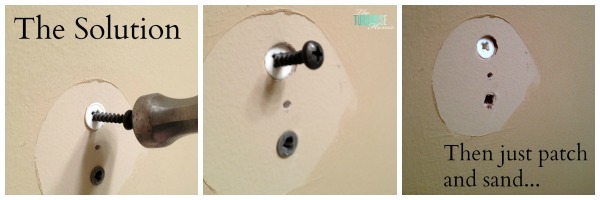
Turning screws too tight can break the anchor. It may also crack the wall. Tighten screws just enough to hold the object firmly. Stop if you feel strong resistance.
Ignoring Weight Limits
Each anchor has a weight limit. Exceeding this limit can cause the anchor to fail. Always check the weight rating before use. Choose an anchor that can hold your item’s weight safely.
Wrong Anchor For Wall Type
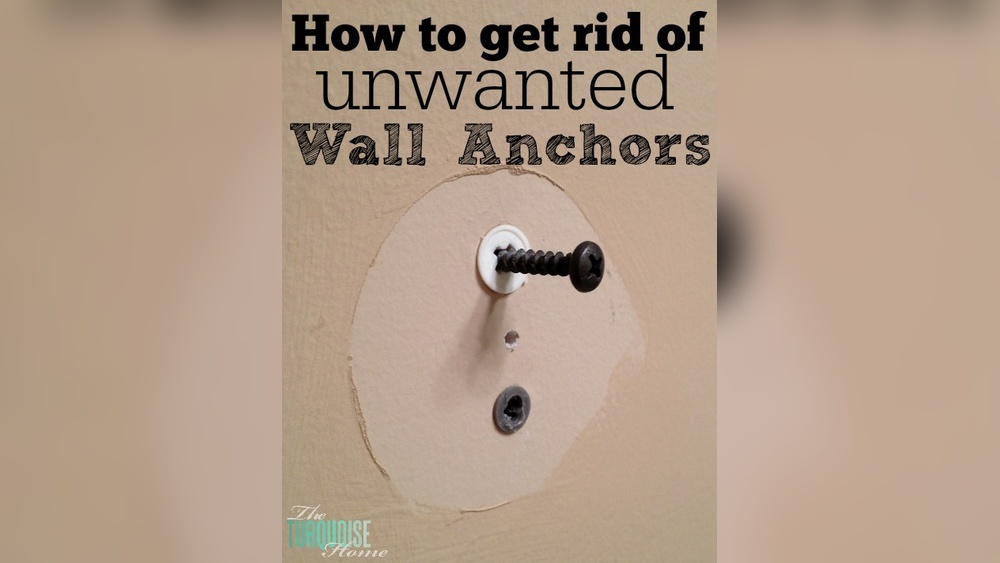
Different walls need different anchors. Drywall, concrete, and brick require specific anchors. Using the wrong type reduces the anchor’s grip. Pick anchors designed for your wall material for best results.
Credit: theturquoisehome.com
Tips For Stronger Support
Strong support is key to holding heavy items on walls safely. Simple steps can boost the strength of your anchors. These tips help keep your shelves and fixtures stable for a long time.
Using Multiple Anchors
Spread the load by using more than one anchor. This balances the weight on the wall. It reduces the chance of damage or failure. Place anchors evenly along the mounting area. This method works well for heavy or wide items.
Reinforcing Weak Walls
Weak walls need extra care. Use a piece of wood or metal plate behind the wall. This spreads the pressure from the anchor. It makes the wall stronger and safer. You can also choose larger anchors designed for weak surfaces.
Regular Inspection
Check your anchors regularly. Look for signs of loosening or damage. Tighten screws if needed. Replace anchors that show wear or cracks. Regular checks prevent accidents and extend the life of your fixtures.

Credit: www.tjlituo.com
Frequently Asked Questions
What Types Of Anchors Work Best For Walls?
Wall anchors vary by wall type. Use plastic anchors for drywall, metal anchors for heavier loads, and toggle bolts for hollow walls. Choose based on weight and wall material to ensure secure fastening and prevent damage.
How Do I Install Anchors In Drywall Safely?
Drill a hole matching the anchor size. Insert the anchor flush with the wall. Then, screw in the fastener slowly to avoid wall damage. This method ensures a firm hold without compromising drywall integrity.
Can I Use Wall Anchors On Concrete Surfaces?
Yes, but use masonry anchors designed for concrete. Drill a pilot hole with a masonry bit first. Insert the anchor and then screw in the fastener. This provides a strong, lasting hold on concrete walls.
What Weight Can Wall Anchors Typically Support?
Weight capacity depends on anchor type and wall material. Plastic anchors hold up to 10-25 pounds. Metal anchors can support 50 pounds or more. Always check manufacturer guidelines to match anchors with your load requirements.
Conclusion
Getting anchors in the wall is simple with the right steps. Choose the right anchor for your wall type. Drill carefully and insert the anchor firmly. This helps hold heavy items securely. Taking time to prepare your wall pays off.
You avoid damage and keep things safe. Practice patience, and soon you’ll do it with ease. Keep these tips in mind for your next project. The right anchors make all the difference.