Have you ever found yourself locked out and wished you had a quick way to open a deadbolt without a key? Knowing how to pick a deadbolt lock with paper clips might sound like a trick from a spy movie, but it’s a skill that could come in handy in an emergency.
Imagine turning two simple paper clips into tools that can unlock your door when you’re stuck outside. You’ll learn the easy steps to do just that—no fancy gadgets, no special training. Keep reading to discover how you can use everyday items to regain access quickly and safely.

Credit: www.wikihow.com
Tools Needed
Picking a deadbolt lock with paper clips requires the right tools. The main tool is the paper clip itself, but not all paper clips work well. You also need a few extra items to help you pick the lock smoothly. Preparing these tools in advance saves time and frustration.
Choosing The Right Paper Clips
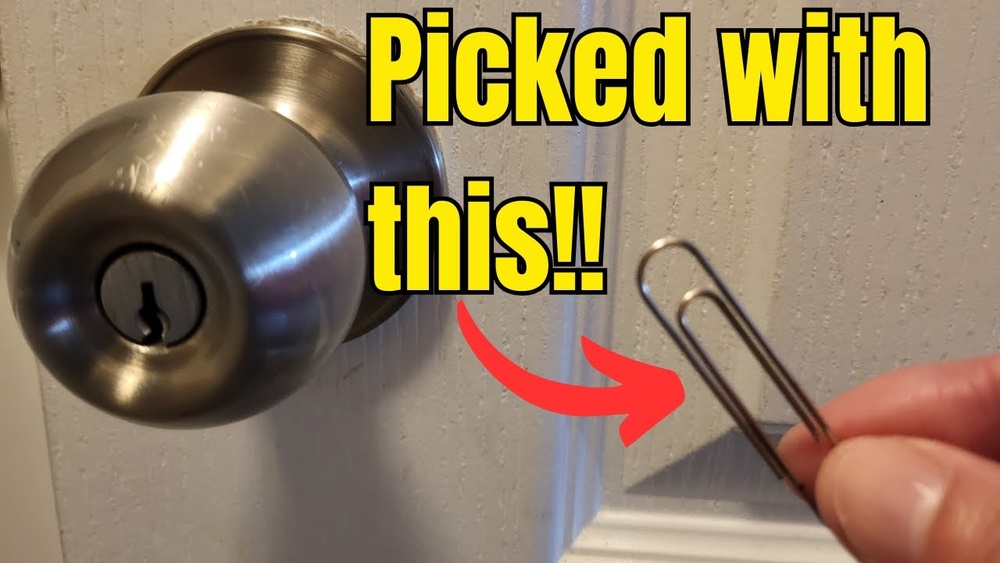
Choose paper clips made of sturdy metal. Thin or weak clips can bend or break easily. The size matters too; medium-sized clips work best for most deadbolts. Avoid coated paper clips because the plastic can melt or tear. Straighten the paper clips before use. You will need two clips: one for the tension wrench and one for the pick.
Additional Items To Prepare
Besides paper clips, have a pair of needle-nose pliers. They help bend and shape the clips accurately. A small flashlight is useful to see inside the keyhole clearly. Keep a flat surface nearby to work on. Patience and steady hands are also important tools for success.
Deadbolt Lock Basics
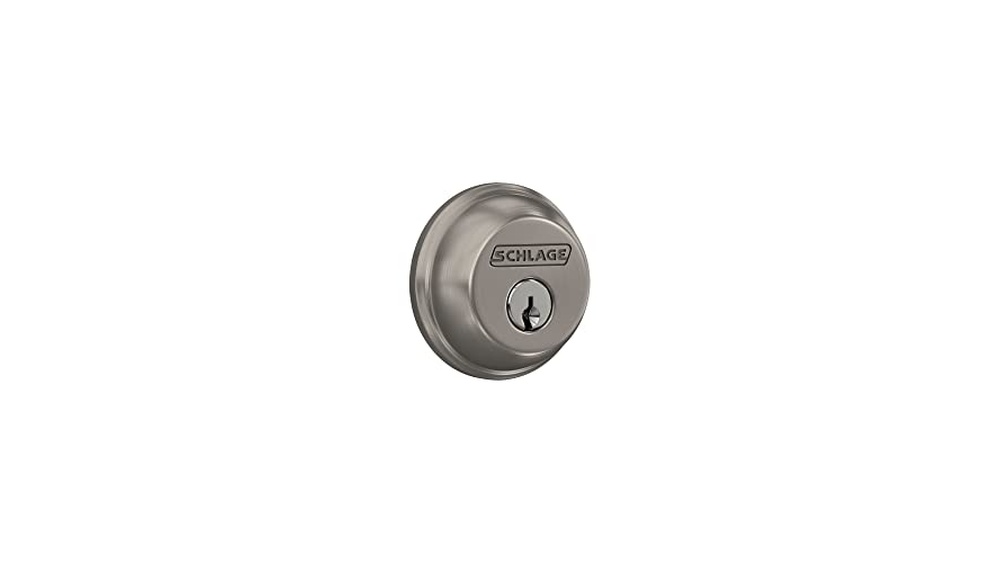
Understanding deadbolt lock basics helps in knowing how to pick one with paper clips. Deadbolt locks are common in homes. They provide strong security by using a solid metal bolt. This bolt slides into the door frame to keep the door locked.
Knowing how these locks work and their types makes the process clearer. It also helps to be aware of the lock’s mechanism before trying to pick it.
How Deadbolt Locks Work
Deadbolt locks use a metal bolt that moves in and out of the door frame. This bolt is controlled by a key or a thumb turn inside. When locked, the bolt fits tightly into the frame. This prevents the door from opening without the key.
The bolt is thicker and stronger than a spring latch. It does not move easily under force. This makes deadbolts more secure than other locks.
Types Of Deadbolt Locks
There are three main types of deadbolt locks. Single-cylinder deadbolts have a keyhole on one side only. You use a key outside and a thumb turn inside.
Double-cylinder deadbolts have keyholes on both sides. You need a key to lock or unlock from either side. This type adds security but can be risky in emergencies.
Lockable thumb turn deadbolts let you lock or unlock the thumb turn with a key. It offers more control over who can use the inside knob.
Preparing Paper Clips For Picking
Preparing paper clips for lock picking is the first step in the process. You need to create two tools from them: a tension wrench and a pick. Each tool has a special shape and purpose. Taking time to shape them correctly makes picking easier and more effective.
Shaping The Tension Wrench
Start with a standard paper clip. Unfold it so it becomes a straight wire. Bend one end at a 90-degree angle. This short end will fit inside the lock and apply tension. The long end will act as a handle. Make sure the bend is tight and firm. The tension wrench must be strong to turn the lock cylinder.
Forming The Pick
Use a second paper clip for the pick. Straighten the clip completely. Bend about one-third of the wire at a slight angle. This bent tip will lift the lock pins. The curve should be small and smooth. Avoid sharp bends that can damage the lock. The pick needs to be thin and flexible to move pins easily.
Step-by-step Picking Process
Picking a deadbolt lock with paper clips needs patience and care. This step-by-step process breaks down the basics. Follow these simple steps for better results.
Applying Tension
Bend one paper clip into a small, straight tool. Use this to turn the lock cylinder gently. Apply light pressure in the direction the key would turn. Too much force can jam the lock.
Hold the tension steady. This pressure is crucial for setting the pins later. Keep your grip firm but soft.
Manipulating The Pins
Bend the second paper clip into a thin pick shape. Insert it into the lock above the tension tool. Push the pins up one by one with soft taps.
Feel each pin lift inside the lock. Some pins may be harder to move. Take time to push each pin carefully.
Feeling For The Shear Line
The shear line is where the lock opens. When all pins reach this line, the lock turns. Listen for a small click or feel a slight give.
Adjust your tension if the pins slip down. Keep lifting pins and testing tension until the lock opens.
Common Challenges
Picking a deadbolt lock with paper clips is not always easy. There are common challenges that many face. Understanding these can help you avoid frustration and mistakes.
Deadbolts have pins that resist simple tools. Paper clips are flexible but not always precise. This causes difficulty in turning the lock quickly.
Care is needed to prevent damage to the lock or clips. Patience and steady hands improve your chance of success.
Dealing With Stiff Pins
Deadbolt pins often feel stiff and hard to move. This makes it tough to push them with paper clips. Pins may stick or resist turning.
Use gentle pressure and small movements. Forcing pins can bend or break your paper clips. Take breaks to avoid tiring your hands.
Avoiding Damage To The Lock
Lock mechanisms are delicate. Rough handling can break internal parts. This can make the lock unusable or costly to fix.
Insert paper clips carefully to avoid scratching or bending pins. Work slowly and listen for subtle clicks. This helps protect the lock’s function.

Credit: www.youtube.com
Legal And Ethical Considerations
Understanding legal and ethical rules is very important when picking a deadbolt lock. This skill can help in some cases, but it can also cause serious problems if used wrongly. Knowing when it is allowed helps avoid trouble with the law and keeps respect for other people’s property.
When Picking Is Permissible
Picking a lock is allowed in certain cases. For example, if you are trying to open your own door after losing the key. Some locksmiths pick locks with permission to help customers. Always get clear permission before picking a lock that is not yours. Emergency situations like being locked out of your home may justify picking a lock. Laws vary by place, so check local rules to stay safe.
Risks Of Unauthorized Picking
Picking locks without permission can cause legal trouble. It is often seen as breaking and entering or theft. You may face fines, arrest, or even jail time. Unauthorized picking breaks trust and can harm relationships. It also hurts your reputation and future job chances. Using lock picking skills only for legal and ethical reasons is important.
Alternative Lock Opening Methods
Sometimes, a paper clip might not open a deadbolt lock. Other methods exist to help open locked doors. These ways can be more effective or safer for your lock.
Using Bump Keys
Bump keys are special keys made for many locks. They fit into the lock and can move pins quickly. This action helps the lock turn open. Using a bump key takes some practice and care. It works best on simple locks and can damage complex locks.
Calling A Locksmith
Locksmiths have the right tools and skills. They can open almost any lock without damage. Professionals save time and prevent extra problems. Calling a locksmith is the safest choice if other methods fail. They can also give advice on lock security.

Credit: www.wikihow.com
Safety Tips
Safety is very important when picking a deadbolt lock with paper clips. Careless actions can cause injury or damage. Follow simple safety steps to protect yourself and your tools. Stay focused and work gently.
Working Carefully
Use slow and steady movements. Avoid forcing the paper clips inside the lock. Sharp bends can break the clips and hurt your fingers. Keep your hands dry to stop slipping. Take breaks if you feel tired or frustrated. Small, calm steps help you avoid accidents.
Protecting Your Tools
Paper clips are easy to bend but can snap if misused. Use clean clips without rust or dirt. Store them in a small box or container to prevent loss. Do not use damaged or rusty clips. They may break and cause injury. Keep your tools in a safe place, away from children and pets.
Frequently Asked Questions
How Can I Pick A Deadbolt Lock With Paper Clips?
You can pick a deadbolt by straightening two paper clips. One acts as a tension wrench, the other as a pick. Insert the wrench to apply slight tension, then manipulate the pins with the pick until the lock turns.
Is Picking A Deadbolt Lock With Paper Clips Legal?
Picking locks without permission is illegal in many areas. Use this technique only on locks you own or have explicit permission to pick. Always check local laws before attempting to pick any lock.
What Tools Are Needed Besides Paper Clips For Deadbolt Picking?
Besides two paper clips, you need patience and steady hands. No additional tools are necessary for basic deadbolt picking using this method. Properly prepared paper clips can substitute for professional lockpicking tools.
How Long Does It Take To Pick A Deadbolt With Paper Clips?
Time varies by lock complexity and skill level. Beginners may take 10-30 minutes or longer. Practice improves speed, but some locks may be difficult to pick even with experience.
Conclusion
Picking a deadbolt lock with paper clips takes patience and practice. It is not always easy or quick. Small movements and careful feel matter most. This skill should be used responsibly and only on locks you own. Always respect others’ property and privacy.
Learning this method can help you understand how locks work. Keep trying, and your technique will improve over time. Stay safe and use your knowledge wisely.