If you need to lift your car safely and easily, knowing how to use a 2 ton floor jack is a skill you can’t afford to miss. Whether you’re changing a tire or working on your vehicle’s underside, this tool makes the job faster and less risky.
But using it wrong can lead to accidents or damage. In this guide, you’ll learn simple, step-by-step tips to handle your floor jack like a pro. Keep reading to gain the confidence and know-how to lift your vehicle safely every time.
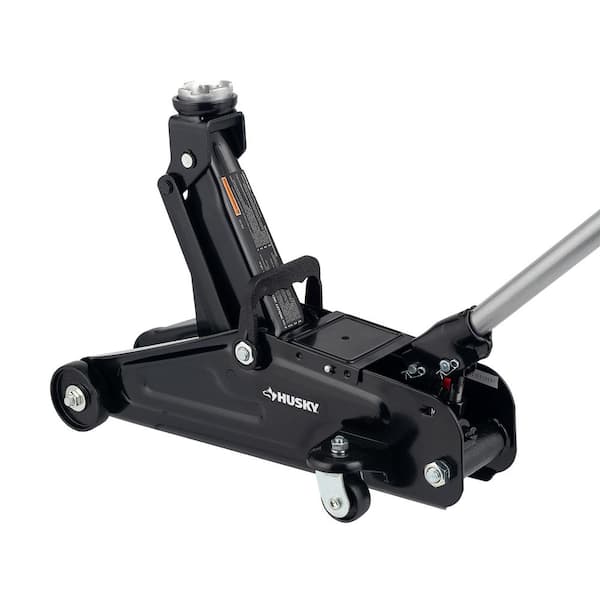
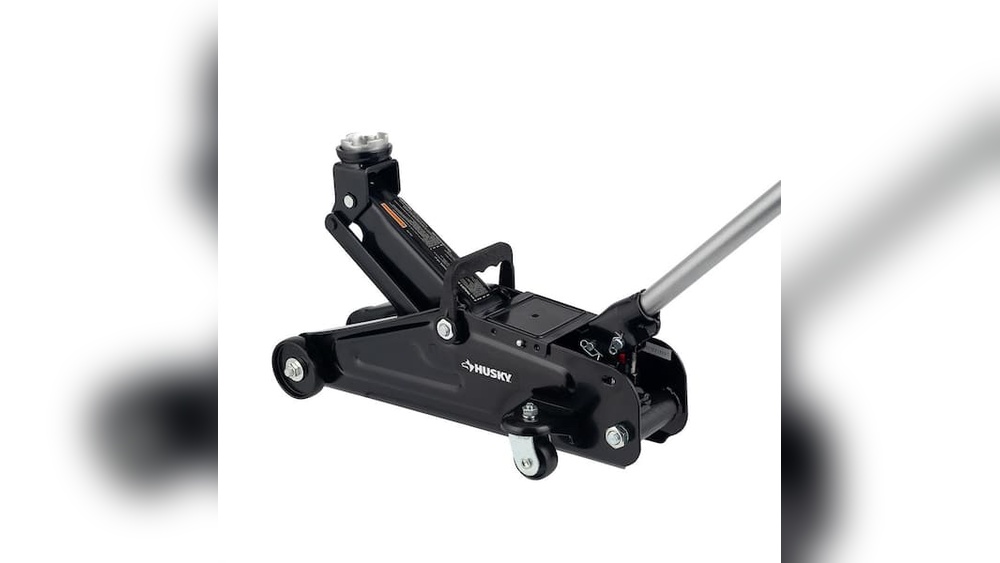
Credit: www.homedepot.com
Choosing The Right Floor Jack
Choosing the right floor jack is important for safety and efficiency. A proper jack makes lifting vehicles easier and safer. It also prevents damage to your car and tools. Understanding the types and features helps you pick the best jack for your needs.
Types Of Floor Jacks
Floor jacks come in different types. The most common are hydraulic and scissor jacks. Hydraulic jacks use fluid pressure to lift heavy loads smoothly. Scissor jacks are smaller and use a screw mechanism. Hydraulic jacks are better for frequent use and heavier vehicles.
Weight Capacity Matters
The weight capacity tells how much weight the jack can lift safely. A 2 ton floor jack can lift up to 4,000 pounds. Always choose a jack with a capacity higher than your vehicle’s weight. Using a jack with too low capacity is dangerous and can cause accidents.
Inspecting For Damage
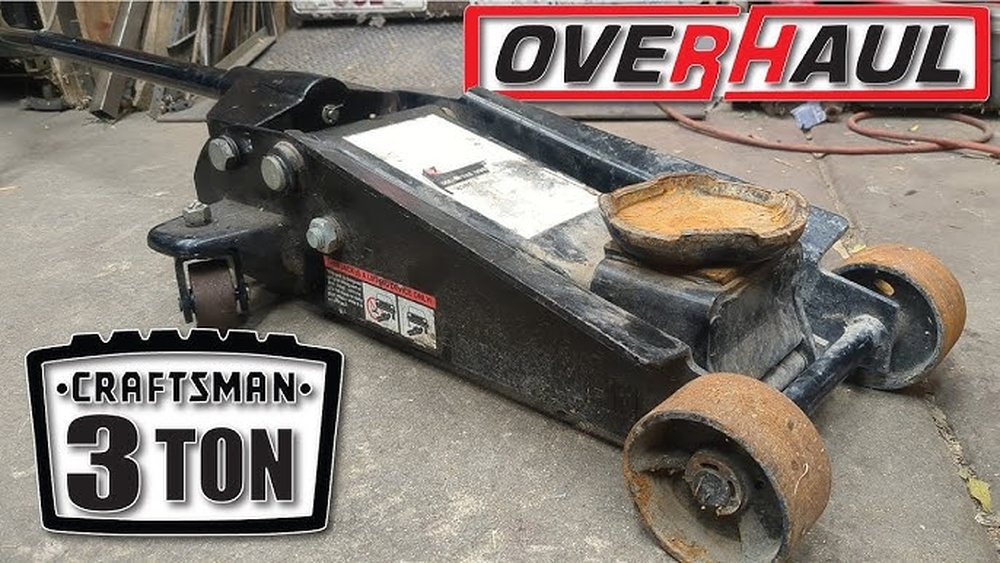
Check the floor jack for any signs of damage before use. Look for cracks, rust, or oil leaks. Make sure the wheels and handle move smoothly. Damaged jacks can fail and cause injuries. Regular inspection keeps the jack safe and reliable.

Credit: www.harborfreight.com
Preparing The Vehicle
Preparing the vehicle correctly is key before using a 2 ton floor jack. Safety comes first. Taking the right steps helps prevent accidents and damage. Follow these simple actions to get your vehicle ready for lifting.
Finding A Flat Surface
Place your vehicle on a flat, hard surface. Avoid soft ground or slopes. This ensures the jack stays stable while lifting. A driveway or garage floor works best.
Engaging The Parking Brake
Set the parking brake firmly. This stops the vehicle from moving. Even on a flat surface, the brake keeps the car in place. Always check the brake before jacking up.
Chocking The Wheels
Use wheel chocks or blocks to secure the wheels. Place them on the opposite side of the vehicle’s lift point. This prevents rolling and adds extra safety. Never skip this step.
Positioning The Floor Jack
Positioning the floor jack correctly is key for safe lifting. Proper placement prevents damage and keeps you secure. Take time to find the right spot before lifting your vehicle. This step ensures the jack supports the weight properly.
Locating Jack Points
Find the vehicle’s jack points first. These spots are made to hold the jack’s weight. Check your owner’s manual for exact locations. Usually, jack points are near the wheels or under the frame. Never place the jack on soft or uneven ground. Use solid, flat surfaces to avoid slipping.
Aligning The Jack Properly
Place the jack under the chosen jack point carefully. Make sure the jack saddle lines up with the jack point exactly. The saddle should sit flat and stable on the vehicle. Avoid tilting the jack or placing it at an angle. This helps keep the car steady while lifting. Double-check the alignment before pumping the handle.

Credit: www.autozone.com
Operating The Floor Jack
Operating a 2 ton floor jack is simple and safe when done right. This tool helps lift heavy vehicles with ease. Knowing how to use it correctly protects you and your vehicle. Follow clear steps for smooth operation and avoid damage.
Pumping The Handle
Start by placing the jack under the vehicle’s lifting point. Make sure the jack sits on a flat surface. Hold the handle firmly and pump it up and down. Each pump raises the jack’s saddle higher. Pump slowly and steadily for control. Stop if you feel resistance or hear strange noises.
Raising The Vehicle Slowly
Lift the vehicle little by little. Watch the vehicle’s body as it rises. Stop pumping when the vehicle is high enough for your work. Do not rush or use fast movements. Keep the jack steady to avoid slipping. Always use jack stands for extra safety before working under the vehicle.
Securing The Lifted Vehicle
Securing the lifted vehicle is the most important step after using a 2 ton floor jack. It keeps you safe while working under the car. Never rely only on the jack to hold the vehicle up. The jack can fail or slip. Use extra support to make sure the vehicle stays stable and does not move.
Using Jack Stands Safely
Place jack stands under the car at strong points, like the frame or pinch welds. Adjust the height to fit the lifted car. Lower the vehicle slowly onto the stands. The stands must carry the car’s weight, not the jack. Check the stands are locked in place before you start working.
Double Checking Stability
After lowering the vehicle onto the jack stands, push the car gently. Make sure it does not rock or move. Look under the car to see if the stands sit flat on the ground. Always check the ground is even and solid. Stability is key to avoid accidents while working under the vehicle.
Lowering The Vehicle
Lowering the vehicle safely is as important as lifting it. Doing this step carefully prevents damage and injury. Follow each step slowly and with attention. Take time to check that everything is secure before lowering the vehicle.
Releasing The Jack Slowly
Start by turning the release valve on the floor jack. Turn it very slowly to lower the vehicle gently. A sudden drop can cause damage or accidents. Keep your hands clear from under the vehicle while lowering. Watch the vehicle closely as it comes down.
Removing Jack Stands
Once the vehicle is almost on the ground, support it with jack stands. Carefully remove the stands one by one. Make sure the vehicle is stable before removing each stand. Never remove the stands before lowering the vehicle slightly. After removing the stands, finish lowering the vehicle completely with the jack.
Maintaining Your Floor Jack
Maintaining your 2 ton floor jack is important for safety and long life. Regular care keeps it working smoothly and prevents damage. Simple steps can save you from costly repairs.
Regular Cleaning
Clean your floor jack after each use. Remove dirt, dust, and grease. Use a dry cloth or brush to wipe all parts. Avoid water near the hydraulic system. Keep the wheels free from debris.
Lubrication Tips
Lubricate moving parts often to reduce wear. Apply light oil or grease to joints and wheels. Do not over-lubricate; a little goes a long way. Check the manufacturer’s guide for recommended oils. Smooth movement means safer operation.
Checking Fluid Levels
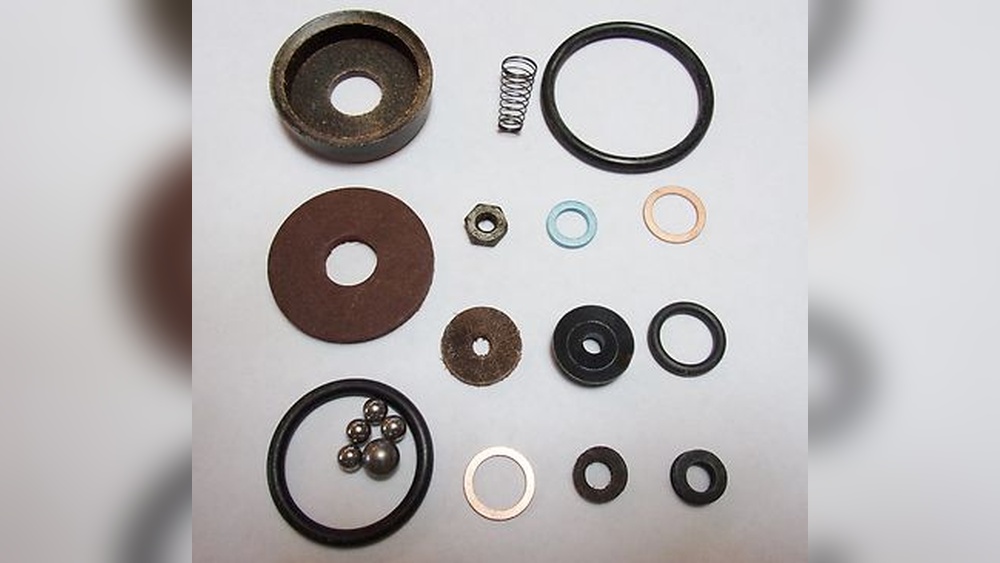
Hydraulic fluid is key to lifting power. Check the fluid level regularly. Open the fill plug and look inside. Add hydraulic fluid if low. Use the type recommended by the manufacturer. Avoid overfilling to prevent leaks.
Common Mistakes To Avoid
Using a 2 ton floor jack safely is very important. Many people make simple mistakes that can cause accidents or damage. Avoiding these common errors helps keep you safe and protects your vehicle.
Overloading The Jack
Never lift more than the jack’s 2 ton limit. Overloading causes the jack to fail or break. Check your vehicle’s weight before lifting. Using a jack beyond its capacity is dangerous.
Ignoring Surface Conditions
Always place the jack on a flat, solid surface. Soft or uneven ground can make the jack slip or sink. Avoid working on dirt, grass, or gravel. A stable base keeps the jack steady and safe.
Skipping Safety Equipment
Do not skip using jack stands after lifting. The jack alone is not enough to hold your vehicle safely. Use wheel chocks to stop the vehicle from rolling. Safety tools prevent accidents and injuries.
Frequently Asked Questions
What Weight Can A 2 Ton Floor Jack Lift Safely?
A 2 ton floor jack safely lifts up to 4,000 pounds. It’s ideal for most cars and light trucks. Always check the jack’s capacity to avoid accidents. Never exceed the weight limit for safe lifting.
How Do I Position A 2 Ton Floor Jack Correctly?
Place the jack under the vehicle’s recommended lift points. These are usually near the wheels or frame. Ensure the jack is on a flat, stable surface. Proper positioning prevents damage and ensures safety during lifting.
Can I Use A 2 Ton Floor Jack On Uneven Surfaces?
No, always use a 2 ton floor jack on level, solid ground. Uneven surfaces can cause the jack to slip or tip. This increases the risk of injury and damage to the vehicle.
How Often Should I Maintain My 2 Ton Floor Jack?
Maintain your floor jack every 3 to 6 months. Check for leaks, clean dirt, and lubricate moving parts. Regular maintenance ensures smooth operation and extends the jack’s lifespan.
Conclusion
Using a 2 ton floor jack safely makes vehicle lifting easier. Always check the jack’s condition before use. Place it on a flat, stable surface for best results. Lift the vehicle slowly and watch the jack closely. Lower the vehicle carefully after your work is done.
Following these steps helps avoid accidents and damage. A floor jack is a useful tool for many car tasks. Practice often to build confidence and skill. Safety first, every time you use the jack.