Have you ever found yourself locked out because your Defiant deadbolt just won’t budge? It’s frustrating, stressful, and can make you feel helpless.
But don’t worry—you can take control and fix this yourself. In this guide, you’ll learn exactly how to drill out a Defiant deadbolt safely and effectively. By the time you finish reading, you’ll have the confidence and know-how to get back inside without calling a locksmith.
Keep reading, and let’s solve this together.
Tools You’ll Need
Drilling out a Defiant deadbolt requires specific tools. Having the right equipment makes the job easier and safer. Prepare these tools before starting to avoid delays.
Drill Types
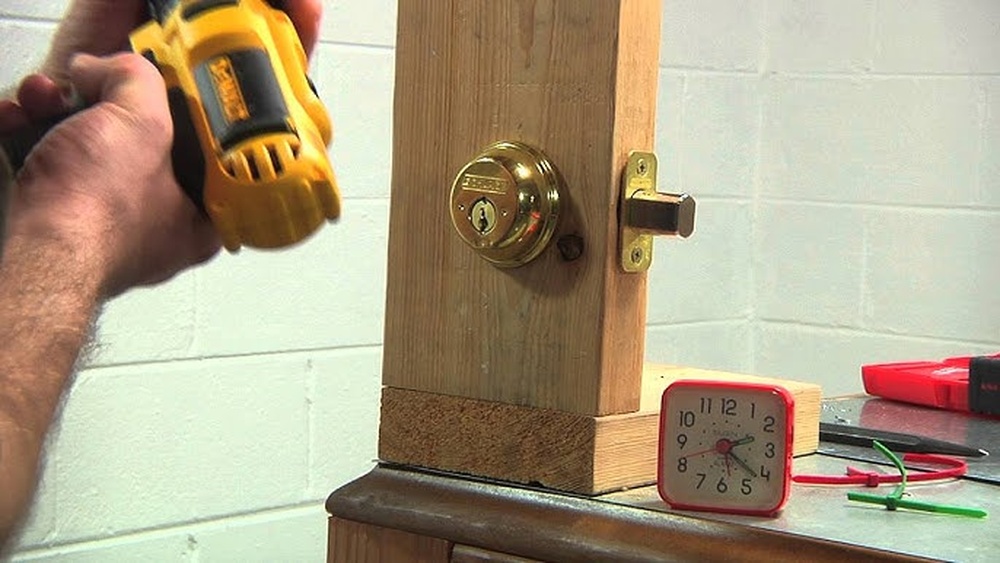
A cordless drill works best for this task. It offers good power and mobility. Choose a drill with variable speed settings. It helps control the drilling process better. Avoid using a drill with low battery or weak power.
Drill Bits
Use high-speed steel (HSS) drill bits for metal locks. Start with a small bit, around 1/8 inch, to create a pilot hole. Then use a larger bit, about 1/4 inch, to drill out the lock cylinder. Keep extra drill bits ready in case one breaks.
Safety Gear
Protect your eyes with safety goggles. Metal shavings can cause injury. Wear gloves to protect your hands from sharp edges. A dust mask helps avoid inhaling metal particles. Use ear protection if your drill is loud.
Credit: www.homedepot.com
Preparing The Work Area
Preparing the work area is the first step in drilling out a Defiant deadbolt. A clean and organized space helps you work safely and accurately. Take time to set up everything before you start drilling. This reduces mistakes and speeds up the process.
Clear The Door
Remove any objects near the door that can get in the way. This includes mats, furniture, or decorations. Clear space allows easy access to the lock and helps avoid accidents. Make sure nothing blocks your tools or your view of the lock.
Mark The Drilling Spot
Use a pencil or marker to mark the exact spot to drill. Find the center of the deadbolt cylinder carefully. A clear mark guides your drill and prevents mistakes. Double-check the spot to avoid drilling in the wrong place.
Secure The Door
Keep the door steady while drilling. Use clamps or ask someone to hold the door firmly. Movement can cause the drill bit to slip and damage the lock or door. A stable door helps you drill straight and fast.
Step-by-step Drilling Process
Drilling out a Defiant deadbolt requires care and patience. Follow each step closely to avoid damage and ensure safety. This guide breaks the process down into clear, easy actions.
Start With A Pilot Hole
Choose a small drill bit, about 1/8 inch. Place the bit in the center of the keyhole. Drill slowly and steadily. This creates a guide for larger bits. Keep the drill straight for best results.
Increase Drill Bit Size
Switch to a larger drill bit, around 1/4 inch. Drill into the pilot hole carefully. Gradually increase the bit size if needed. This widens the hole without cracking the lock. Take your time and maintain control.
Drill Through The Deadbolt
Use a strong drill bit designed for metal. Drill deeper to reach the deadbolt mechanism inside. Apply steady pressure but do not force the drill. Once the deadbolt is drilled through, it will break apart. Test the lock by turning the knob gently.

Credit: www.youtube.com
Handling Tough Deadbolts
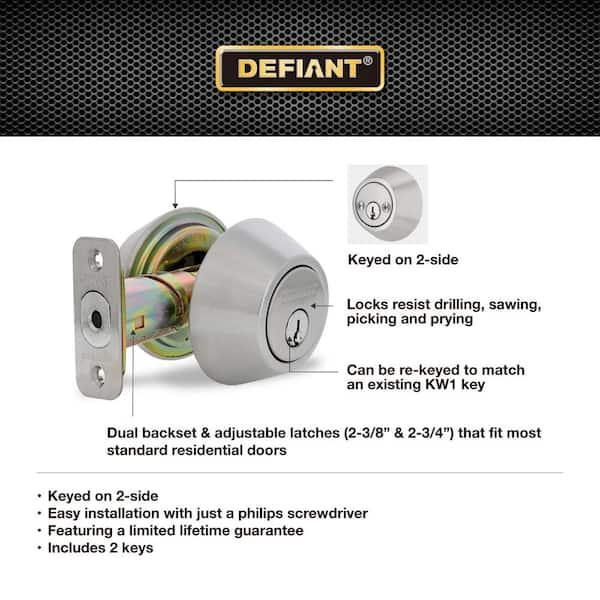
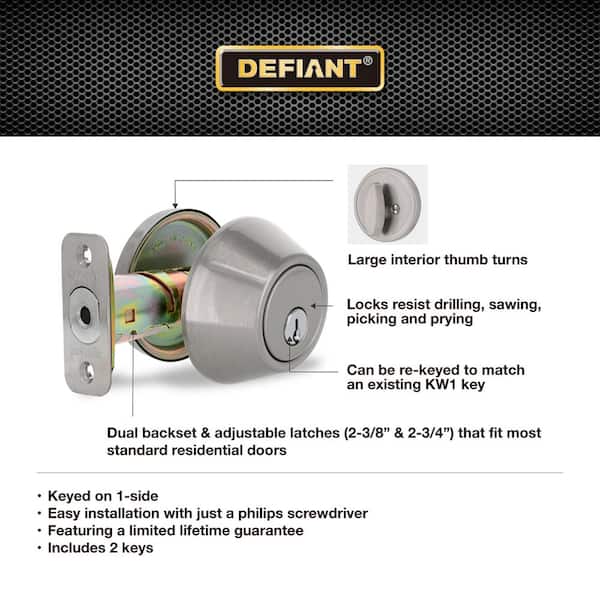
Handling tough deadbolts like the Defiant model can be tricky. These locks are built to resist common break-in methods. Drilling them out requires patience and the right tools. Safety and care must guide every step.
Focus on the right technique to make the job easier. Avoid rushing and causing extra damage. This section covers key tips for dealing with strong deadbolts.
Dealing With Hardened Steel
Defiant deadbolts often use hardened steel. This metal is very strong and hard to drill through. Use a high-quality drill bit made for metal. Carbide or cobalt bits work best. Start drilling at low speed to avoid overheating. Apply steady pressure without forcing the drill. Take breaks to cool the bit and lock.
Using Lubricant
Lubricant helps reduce heat and friction. Apply a few drops of oil to the drill bit and lock area. This keeps the bit sharp longer. It also makes drilling smoother and faster. Reapply lubricant if the drill slows down. This simple step protects your tools and the lock.
Avoiding Damage
Drilling can damage the door or frame if done carelessly. Protect surrounding areas with tape or cloth. Use a drill stop or tape mark to control depth. Drill only the lock cylinder, not the whole door. Keep the drill steady and straight to avoid slipping. Take your time to prevent costly mistakes.
Removing The Deadbolt After Drilling
Removing the deadbolt after drilling is the next important step. The drilled holes weaken the lock’s structure. This allows for easier removal of the broken parts. Careful handling prevents damage to the door. Clean the area well before installing a new lock.
Extracting Broken Pieces
Start by pulling out loose pieces from the drilled holes. Use pliers or tweezers for better grip. Gently wiggle the fragments to loosen them. Avoid pushing pieces deeper inside the door. Remove all visible parts for a clean space.
Cleaning The Lock Area
Clear dust and metal shavings from the drilled section. Use a small brush or vacuum for thorough cleaning. Wipe the area with a damp cloth to remove fine particles. Make sure the surface is smooth and free of debris. This prepares the door for a new deadbolt installation.
Replacing The Deadbolt
Replacing a deadbolt after drilling out a Defiant lock is the next important step. This ensures your door stays secure and works smoothly. Choosing the right lock and installing it properly will keep your home safe.
Choosing A New Lock
Pick a lock that matches your door’s size and style. Look for solid metal locks with good reviews for security. Simple designs often work best for easy installation.
Consider a lock with a strong bolt and durable finish. Check if it fits the existing holes to avoid extra drilling. Choose a brand known for reliability and easy use.
Installation Tips
Start by aligning the new lock with the existing holes. Tighten screws evenly to keep the lock firm. Use a screwdriver, not a drill, to avoid damage.
Make sure the bolt moves smoothly inside the door frame. Adjust the strike plate if the bolt does not fit perfectly. Take time to double-check the lock’s position.
Testing The New Lock
Test the lock several times from both sides of the door. Ensure the key turns easily without sticking. The bolt should slide fully into the strike plate.
Try locking and unlocking quickly to check for any issues. Fix any tight spots or loose parts before finishing. A good test confirms your new deadbolt works well.
Safety Tips And Precautions
Drilling out a Defiant deadbolt can be tricky and risky. Safety must be your top priority. Taking proper precautions protects you and others nearby. It also helps avoid damage to your property. Follow these safety tips carefully before starting the job.
Protective Gear Importance
Wear safety glasses to protect your eyes from flying metal shards. Use ear protection to guard your hearing against loud drill noise. Gloves protect your hands from sharp edges and heat. Choose sturdy clothing that covers your arms and legs. Proper gear reduces the risk of injury during drilling.
Avoiding Injury
Keep your hands clear of the drill bit at all times. Hold the drill firmly to prevent slipping. Drill slowly and steadily to maintain control. Stop immediately if the drill bit binds or overheats. Work in a well-lit area to see clearly. Clear the workspace of obstacles and clutter. These steps help you avoid accidents and injuries.
Legal Considerations
Make sure you own the property or have permission to drill the lock. Drilling locks without authorization is illegal. Check local laws about lock removal and property access. Keep proof of ownership or permission handy. Respect the law to avoid serious legal trouble.
Credit: www.homedepot.com
Frequently Asked Questions
How Do You Safely Drill Out A Defiant Deadbolt?
To safely drill out a Defiant deadbolt, use a power drill with a metal drill bit. Start at the keyhole and drill steadily until the pins break. Wear safety glasses and apply consistent pressure to avoid damaging the door.
What Tools Are Needed To Drill Out A Defiant Deadbolt?
You need a power drill, metal drill bits, a screwdriver, and safety glasses. A center punch helps mark the drilling spot. These tools ensure precise and safe removal of the deadbolt.
Can Drilling Damage The Door Around The Deadbolt?
Yes, drilling can damage the door if done improperly. Use the correct drill bit size and drill slowly. Protect the door surface and avoid excessive force to minimize damage.
How Long Does It Take To Drill Out A Defiant Deadbolt?
Drilling out a Defiant deadbolt usually takes 10 to 20 minutes. Time depends on your experience and the tools used. Proper preparation speeds up the process effectively.
Conclusion
Drilling out a stubborn deadbolt takes care and patience. Use the right tools and follow safety steps. Keep steady hands and drill slowly to avoid damage. Remember, this method should only be used when necessary. Taking your time helps you finish the job safely.
Now, you have clear steps to handle a tough deadbolt. Stay calm and work carefully for the best result.