If you own a Jeep, knowing how to use a floor jack is essential for your safety and convenience. Whether you need to change a tire or check under your vehicle, the right technique can make the job faster and easier.
In this guide, you’ll learn simple steps to lift your Jeep safely and confidently. By the end, you’ll feel ready to handle any situation without stress or guesswork. Keep reading to discover how to protect yourself and your Jeep every time you use a floor jack.
Credit: www.jeeppatriot.com
Choosing The Right Floor Jack
Choosing the right floor jack is important for safely lifting your Jeep. The right jack makes the job easier and protects your vehicle. Consider the type, weight capacity, and special features that fit your Jeep’s needs.
Types Of Floor Jacks
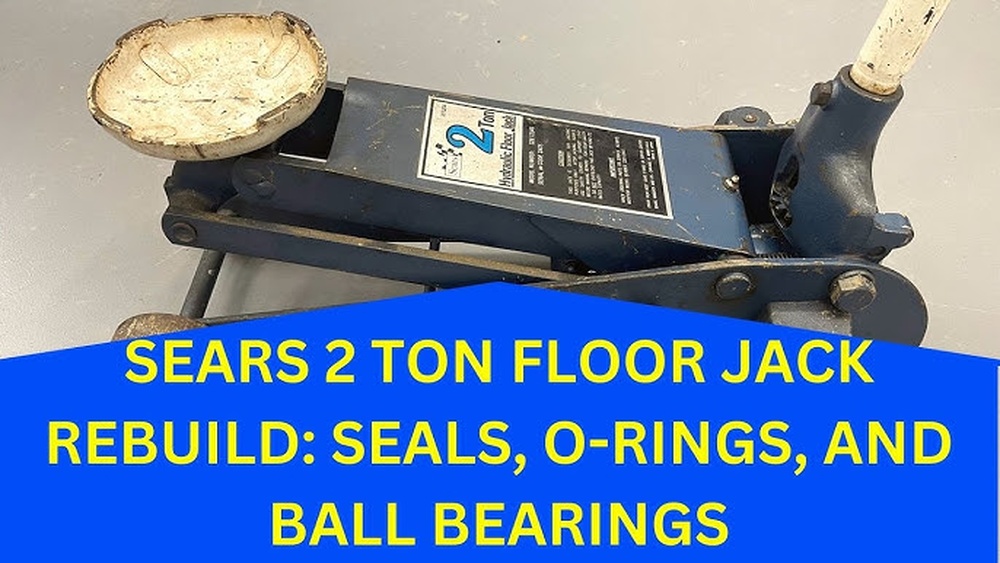
There are several types of floor jacks. The most common are hydraulic jacks, which use fluid pressure to lift heavy loads easily. Scissor jacks are smaller and manual, good for emergencies but not ideal for frequent use. Bottle jacks have a compact design but may not fit under low vehicles like Jeeps well. A hydraulic floor jack is usually the best choice for Jeep owners because it offers stability and ease of use.
Weight Capacity Considerations
Check the weight capacity before buying a jack. Your Jeep can weigh between 4,000 and 6,000 pounds. Choose a jack with a capacity higher than your Jeep’s weight. This ensures safety and prevents damage to the jack. A jack rated for at least 3 tons (6,000 pounds) is a safe choice for most Jeep models.
Features For Jeep Compatibility
Look for features that fit your Jeep’s design. A low-profile jack can slide under a Jeep with limited ground clearance. Wide lifting pads offer better contact with the Jeep’s frame. Some jacks have long handles, making lifting easier. Rubber pads protect your Jeep’s frame from scratches. These features make your floor jack safer and easier to use.

Credit: www.youtube.com
Preparing Your Jeep
Preparing your Jeep before using a floor jack is very important. It keeps you safe and makes the process easier. Taking simple steps can prevent accidents and damage to your vehicle. Follow these key steps to get ready.
Selecting A Stable Surface
Choose a flat and hard surface for your Jeep. Avoid soft ground like grass or dirt. A stable surface stops the jack from slipping. Concrete or asphalt works best. This helps keep the Jeep steady while you lift it.
Engaging Parking Brake
Always set the parking brake before using the jack. This stops the Jeep from rolling. Make sure the brake is fully on. It adds an extra layer of safety. Do not skip this step.
Chocking The Wheels
Place wheel chocks on the tires that stay on the ground. This blocks the wheels from moving. Use chocks on both sides of the tire. It keeps the Jeep secure and stable. This step is simple but very effective.
Positioning The Floor Jack
Positioning the floor jack correctly is important for safety and effectiveness. The right spot supports your Jeep firmly. It prevents damage and keeps you safe while lifting. Take your time to find the correct place before you start.
Locating Jeep Jack Points
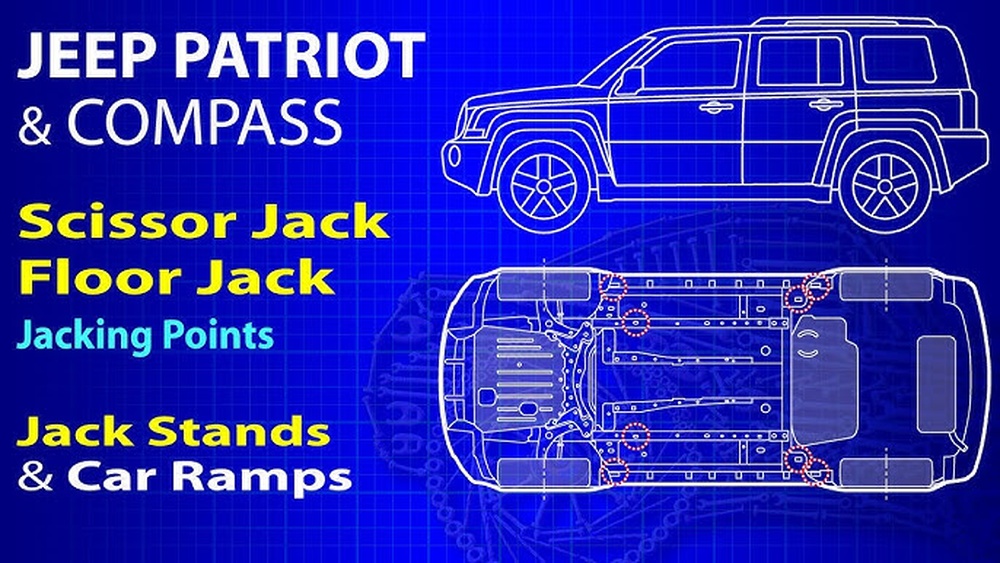
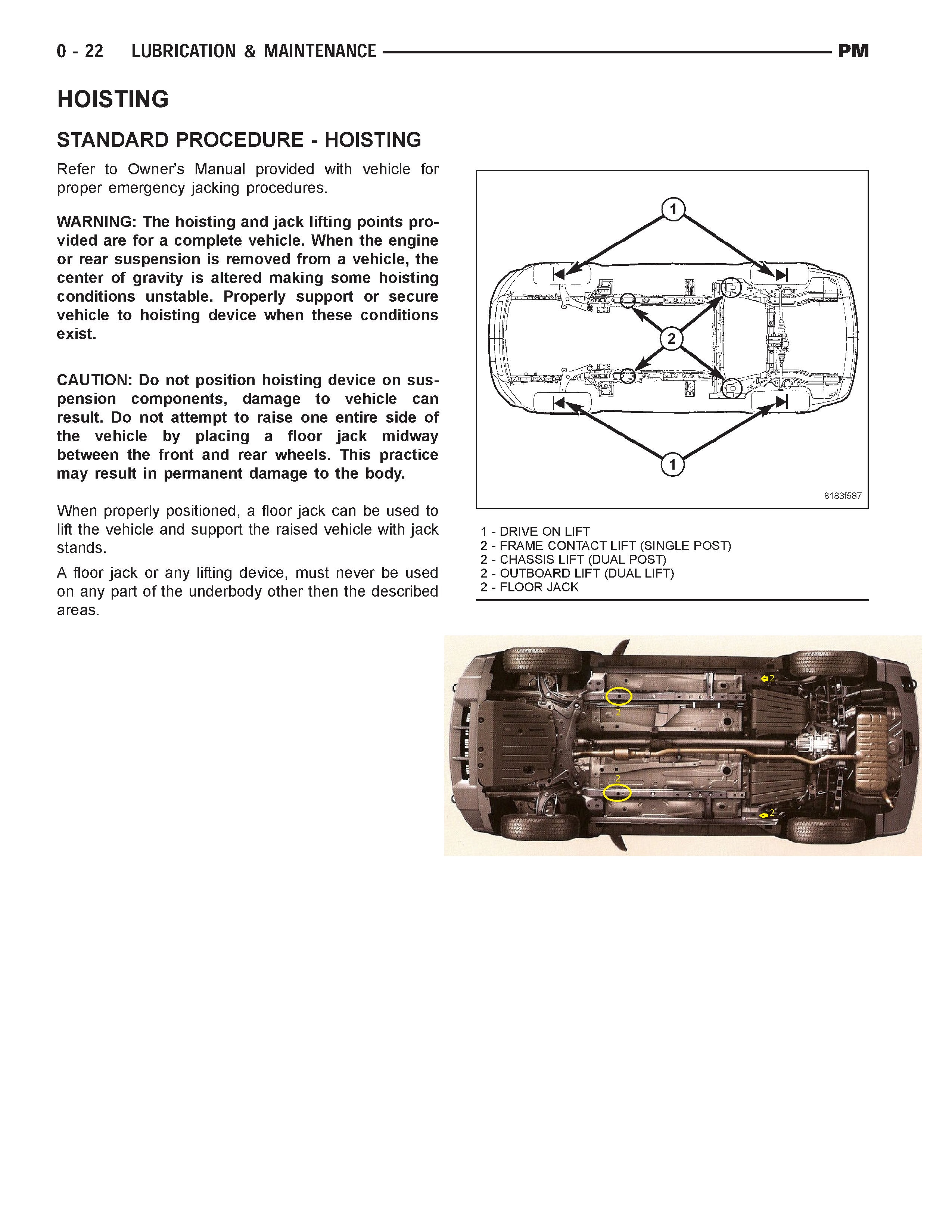
Jeep models have special jack points. These spots are strong and built to hold weight. Look near the frame, under the doors or close to the wheels. Check your Jeep’s manual for exact locations. Avoid soft parts like plastic or thin metal. Using the wrong spot can cause damage or slip.
Aligning The Jack Properly
Place the jack under the chosen jack point. Make sure the jack saddle matches the shape of the point. The jack should sit flat and stable on the ground. Adjust the jack so it stays steady as you lift. Keep the jack vertical, not tilted. This helps raise the Jeep evenly and safely.
Lifting The Jeep Safely
Lifting a Jeep with a floor jack requires attention and care. Safety is key to avoid accidents or damage. Follow these steps to lift your Jeep safely and confidently.
Operating The Jack Handle
Start by placing the jack handle into the pump socket. Move the handle up and down slowly. This action pumps hydraulic fluid and raises the jack. Keep a steady rhythm for smooth operation. Avoid sudden or jerky movements to maintain control.
Raising The Vehicle Smoothly
Position the jack under the Jeep’s recommended lifting point. Slowly pump the handle to lift the vehicle. Lift the Jeep just enough to perform your work. Stop regularly to check the height. Smooth lifting keeps the Jeep stable and prevents damage.
Monitoring Stability
Watch the Jeep as it rises. Look for any tilting or shifting. Make sure the jack stays firmly under the lifting point. Place wheel chocks on the opposite wheels for extra safety. Never work under the Jeep without proper support stands.
Securing The Jeep After Lifting
Securing your Jeep after lifting is crucial for safety. The floor jack holds the vehicle up, but it should not be the only support. Properly securing the Jeep prevents accidents and injuries. This step allows you to work under the vehicle with confidence and peace of mind.
Using Jack Stands
Place jack stands under the Jeep at strong points. Use the manufacturer’s recommended lifting points for stability. Slowly lower the Jeep onto the stands. Ensure the stands sit firmly on the ground. Never rely on the floor jack alone to hold the Jeep.
Double Checking Stability
After setting the jack stands, gently shake the Jeep. Check if the vehicle moves or rocks. If it does, reposition the stands and test again. Confirm all four stands are evenly supporting the weight. This step ensures your Jeep stays safe while lifted.

Credit: www.jeeppatriot.com
Lowering The Jeep
Lowering your Jeep safely is a key step after using a floor jack. This process requires care and attention to avoid damage or injury. Follow clear steps to bring your vehicle back to the ground smoothly and securely.
Removing Jack Stands
Before lowering the Jeep, remove the jack stands carefully. Make sure the Jeep is stable on the stands. Slowly lift the Jeep a little with the floor jack. Take out the jack stands from under the vehicle. Keep the jack steady to hold the weight.
Lowering The Vehicle Slowly
Turn the jack handle slowly to lower the Jeep. Move the handle gently to avoid sudden drops. Watch the Jeep as it comes down. Stop if you feel any resistance or hear unusual sounds. Lower the Jeep until the tires touch the ground fully.
Final Safety Checks
After lowering, remove the floor jack from under the Jeep. Check the ground around the tires for stability. Make sure the Jeep sits evenly on all wheels. Test the parking brake to ensure it holds the vehicle. Confirm all tools and stands are cleared away.
Common Mistakes To Avoid
Using a floor jack on a Jeep requires care and attention. Many people make simple mistakes that cause accidents or damage. Avoiding these errors keeps you safe and makes the job easier.
Ignoring Weight Limits
Every floor jack has a weight limit. Using a jack that cannot support your Jeep is dangerous. The jack might fail and cause injury. Always check the jack’s maximum weight rating. Make sure it matches or exceeds your Jeep’s weight.
Improper Jack Placement
Placing the jack in the wrong spot can damage your Jeep. It may slip or bend parts. Find the Jeep’s recommended jacking points. These spots are strong and safe for lifting. Double-check placement before lifting the vehicle.
Skipping Safety Equipment
Never skip safety gear like wheel chocks or jack stands. The jack alone is not enough to hold the Jeep safely. Wheel chocks stop the Jeep from rolling. Jack stands support the vehicle after lifting. Using these tools prevents accidents and injuries.
Maintenance Tips For Floor Jacks
Maintaining your floor jack is essential for safe and smooth operation. Proper care helps the jack last longer and work better on your Jeep. Simple maintenance steps keep the jack ready whenever you need it.
Regular Inspection
Check the floor jack before every use. Look for cracks, leaks, or rust on the body. Inspect the wheels and handle for damage. Test the lifting mechanism to ensure it moves smoothly. Replace worn or broken parts immediately. Regular checks prevent accidents and costly repairs.
Lubrication And Cleaning
Keep all moving parts well lubricated. Use oil or grease on the wheels and hinges. Clean dirt and debris off the jack after each use. Avoid water to stop rust from forming. Wipe the jack with a dry cloth. Proper lubrication reduces wear and keeps the jack working easily.
Storage Recommendations
Store the floor jack in a dry place to avoid rust. Keep it off the ground on a shelf or mat. Lower the jack completely before storing. Cover it with a cloth or plastic sheet to block dust. Correct storage protects the jack and keeps it ready for your Jeep.
Frequently Asked Questions
How Do I Safely Position A Floor Jack On A Jeep?
Place the floor jack under the Jeep’s designated lift points. These points are typically near the frame or axle. Ensure the jack saddle is centered and stable before lifting. Always use jack stands to support the vehicle after lifting for added safety.
What Type Of Floor Jack Is Best For A Jeep?
A hydraulic floor jack with at least a 2-ton capacity is ideal for a Jeep. This ensures it can handle the vehicle’s weight. Look for a jack with a low profile to fit under the Jeep easily. Durability and ease of use are key factors.
Can I Use A Floor Jack On Uneven Ground With A Jeep?
Avoid using a floor jack on uneven ground. It can cause instability and increase accident risk. Always operate on a flat, solid surface. Use wheel chocks to prevent movement. Safety is crucial when lifting any vehicle, including a Jeep.
How High Should I Lift My Jeep With A Floor Jack?
Lift your Jeep just enough to remove the tire or perform the needed repair. Overlifting can be dangerous and strain the jack. Typically, 6 to 12 inches is sufficient. Always support the Jeep with jack stands after lifting.
Conclusion
Using a floor jack on your Jeep is simple and safe with the right steps. Always place the jack under strong points of the vehicle. Lift slowly and watch the Jeep carefully. Never go under the Jeep without proper support.
Practice these tips to feel confident and avoid accidents. Taking care of your Jeep becomes easier this way. Keep safety as your top priority every time you use the jack. Small actions make a big difference in protecting yourself and your Jeep.