Are you struggling to lift your car higher than your floor jack allows? You’re not alone.
Sometimes, a standard floor jack just doesn’t give you the height you need to work comfortably or safely. But what if you could easily raise your vehicle higher without buying expensive equipment? You’ll discover simple, effective ways to lift your car higher than your floor jack’s limits.
By the end, you’ll have the confidence and know-how to tackle your next repair or maintenance job with ease. Keep reading to unlock these practical tips that can make your work smoother and safer.
Choosing The Right Jack
Choosing the right floor jack is essential for safe and efficient lifting. The jack must match your needs and the type of vehicle you work on. Picking the wrong jack can cause accidents or damage. Focus on the jack’s type, weight capacity, and build quality. These factors help you lift higher than the floor jack safely.
Types Of Floor Jacks
There are several types of floor jacks. The most common is the hydraulic floor jack. It uses fluid pressure to lift heavy loads smoothly. Another type is the scissor jack, which is compact and manual. It is best for light tasks and emergencies. Bottle jacks are small and portable. They use a piston to lift and work well in tight spaces. Choose the type that suits your work and space.
Weight Capacity Considerations
Each floor jack has a weight limit. This limit is the maximum weight the jack can lift safely. Always check the weight of your vehicle or object. Pick a jack with a higher weight capacity than your heaviest load. This ensures safety and prevents jack failure. Do not use a jack with a lower capacity. Overloading is dangerous and can cause accidents.
Material And Build Quality
The material and build quality affect the jack’s strength and durability. Steel jacks are strong and last longer. They handle heavy loads well. Aluminum jacks are lighter and easier to carry. They may not be as durable as steel but are good for smaller jobs. Look for solid welds and a sturdy frame. Good build quality means the jack will work reliably over time.

Credit: longhouse.org
Preparing The Vehicle
Preparing the vehicle is the first step before lifting it higher than a floor jack. Safety is the top priority. Proper preparation helps avoid accidents and damage. Follow each step carefully to keep the car steady and secure.
Selecting A Stable Surface
Choose a flat, solid surface to park your vehicle. Avoid soft ground like grass or dirt. Concrete or asphalt works best. A stable surface prevents the jack from slipping. It also stops the vehicle from shifting during lifting.
Engaging Parking Brakes
Always set the parking brake firmly. This keeps the car from rolling. Pull the brake lever or press the button fully. Check that the vehicle does not move before lifting. The parking brake locks the wheels in place.
Using Wheel Chocks
Place wheel chocks against the tires that stay on the ground. Use them on both sides of the wheels. This blocks the wheels and stops any movement. Wheel chocks add extra safety during lifting. Make sure they fit tightly and won’t slip.
Proper Jack Placement
Proper jack placement is key to lifting a vehicle safely above the floor jack. It prevents accidents and protects your car’s body. Placing the jack in the right spot gives you a stable lift and avoids damage.
Take time to find the correct place before lifting. This helps keep the vehicle steady and secure on the jack.
Locating Jack Points
Jack points are specific spots on your vehicle designed for lifting. These spots are stronger and can hold the car’s weight. Check your owner’s manual for exact jack point locations. Look for metal tabs or reinforced areas near the car’s frame. Avoid soft parts like plastic or thin metal. Using the right jack points keeps the car balanced and safe.
Avoiding Vehicle Damage
Placing the jack incorrectly can cause dents or scratches. It can also harm important parts like brake lines or fuel tanks. Always check under the vehicle before lifting. Clear away any debris or loose parts. Use a jack pad or rubber block if possible. This adds a cushion and protects the car’s surface from scratches or bends.
Aligning The Jack Correctly
Align the jack straight under the jack point. The jack saddle should fit snugly against the car. Avoid tilting the jack or placing it at an angle. Make sure the jack handle is easy to operate without slipping. A proper alignment keeps the vehicle steady during lifting. It also reduces the risk of the car slipping off the jack.

Credit: www.etsy.com
Lifting Techniques Above Floor Level
Lifting a vehicle higher than the floor jack requires careful methods. This helps keep you safe and prevents damage. Using proper techniques ensures the vehicle stays steady. It also makes your work easier and safer.
Using Jack Stands Safely
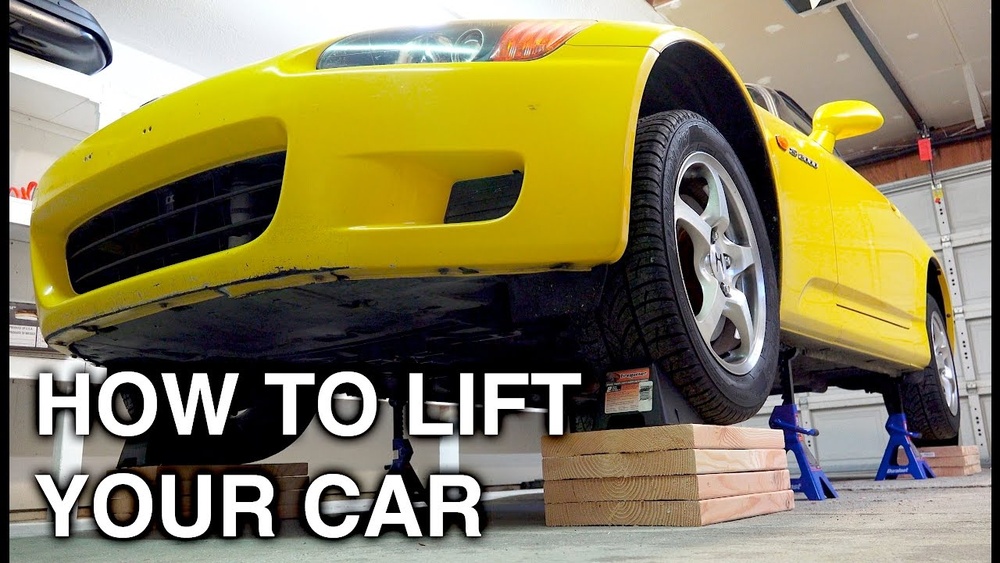
Jack stands give extra support after lifting. Place them on solid, flat ground. Always check their weight rating matches the vehicle. Position stands under strong parts of the frame. Never rely on the floor jack alone for support.
Gradual Lifting Process
Lift the vehicle slowly and in small steps. Pause often to check stability. Stop lifting if the vehicle shifts. Raise the car just enough to place jack stands. Avoid sudden moves that may cause slips or falls.
Maintaining Stability During Lift
Keep the vehicle steady by balancing weight evenly. Avoid raising one side too high. Tighten the jack and stands securely. Double-check all points before working under the vehicle. Stability lowers the risk of accidents or damage.
Safety Gear And Precautions
Safety is the top priority when lifting higher than a floor jack allows. Proper gear and clear precautions protect you from injuries. This section covers essential safety equipment and tips to avoid dangers. It also explains how to prepare for emergencies during lifting tasks.
Protective Equipment To Wear
Wear sturdy gloves to protect your hands from sharp edges and grease. Use safety goggles to shield your eyes from dust and debris. Steel-toed boots guard your feet from heavy falling objects. A hard hat adds head protection in case of unexpected drops. Always wear clothes that fit well and do not get caught in moving parts.
Avoiding Common Hazards
Never work under a lifted load without proper support stands. Check the floor jack and stands for damage before use. Keep the area clear of clutter to prevent trips and falls. Avoid sudden movements that can cause the load to shift. Make sure the vehicle or object is stable before starting work.
Emergency Preparedness
Have a phone nearby to call for help if needed. Keep a first aid kit within reach. Know the location of the nearest fire extinguisher. Inform someone about your work plan and expected time. Practice staying calm and moving away quickly if the load becomes unstable.
Maintaining And Inspecting Equipment
Maintaining and inspecting your floor jack ensures it works safely and lasts longer. Regular care helps avoid accidents and costly repairs. Simple checks and cleaning keep the jack ready for use.
Regular Jack Inspection
Check the jack before every use. Look for cracks, rust, or any damage on the body. Ensure the lifting arm moves smoothly without jerks. Test the release valve to confirm it holds pressure well.
Lubrication And Cleaning
Keep all moving parts clean and free of dirt. Use a light machine oil to lubricate joints and pivots. Wipe off excess oil to stop dust buildup. Clean the jack with a dry cloth after use to prevent rust.
Replacing Worn Components
Parts like seals, wheels, and handles wear out over time. Replace these parts as soon as you notice wear. Use only manufacturer-approved components for safety. Regular replacement avoids breakdowns during lifting tasks.
Troubleshooting Common Issues
Troubleshooting common issues with floor jacks is vital for safe and effective lifting. Problems may arise even with careful use. Knowing how to address these issues helps maintain safety and efficiency. Below are solutions to frequent challenges users face while lifting higher than the floor jack’s normal range.
Jack Slippage Solutions
Jack slippage happens when the jack moves or slips during lifting. This can cause accidents or damage. Check the jack’s contact points. Clean dirt or grease from the jack pad and vehicle’s lifting point. Use a rubber mat for better grip. Ensure the jack is on a flat, stable surface. Avoid lifting on slopes or uneven ground. Tighten loose parts on the jack. Replace worn or damaged pads immediately.
Handling Uneven Lifting
Uneven lifting makes the vehicle unstable and dangerous. Always position the jack under the recommended lift points. Check the vehicle’s manual for exact locations. Use jack stands to support the vehicle after lifting. Lift slowly and watch the vehicle’s balance. Adjust the jack if the vehicle tilts. Never lift from weak or rusted parts. Spread the load evenly by adjusting the jack position.
Dealing With Jack Failure
Jack failure can occur due to mechanical faults or wear. Test the jack before use to spot any issues. If the jack doesn’t hold pressure, check for hydraulic leaks. Replace faulty seals or oil if needed. Listen for unusual sounds during lifting. Do not use a jack that suddenly drops or does not lift smoothly. Regularly service the jack according to the manufacturer’s guide. Always have a backup lifting tool ready for emergencies.

Credit: www.amazon.ie
Frequently Asked Questions
How Can I Safely Lift Higher Than A Floor Jack?
Use sturdy jack stands or ramps to support the vehicle after lifting. Never rely solely on the floor jack. Ensure the lifting points are secure and stable to prevent accidents.
What Tools Help Lift A Car Higher Than A Floor Jack?
Hydraulic bottle jacks, scissor jacks, and ramps can lift cars higher. Combine these tools with floor jacks for added height and safety during repairs.
Why Can’t A Floor Jack Lift Very High?
Floor jacks have limited maximum height due to design constraints. Overextending risks damage or instability. Use specialized jacks or supports for greater lift heights.
Is It Safe To Lift A Vehicle Higher Than Recommended?
Lifting beyond recommended height can cause instability and accidents. Always follow manufacturer guidelines and use proper support equipment to ensure safety.
Conclusion
Lifting your car higher than a floor jack needs care and the right tools. Always check your equipment before starting. Use sturdy stands to keep your vehicle safe and steady. Take your time and follow safety steps closely. Never rush or skip important parts of the process.
Doing this keeps you safe and your car secure. Now you know how to lift higher safely and smartly. Keep practicing and stay careful every time. Safety first, always.