Are you tired of struggling with loose screws and damaged walls? Using plastic wall anchors can be the simple fix you need to hang shelves, pictures, or hooks securely.
But if you’ve never used them before, the process might seem confusing. Don’t worry—this guide will walk you through exactly how to use plastic wall anchors step-by-step, so your walls stay strong and your items stay put. Keep reading, and you’ll gain the confidence to tackle your next home project like a pro.
Choosing The Right Plastic Anchor
Choosing the right plastic anchor is key to a secure hold on your wall. Different anchors suit different walls and weights. Picking the correct type helps avoid damage and keeps your items safe. This guide explains how to select the best plastic wall anchor for your project.
Types Of Plastic Wall Anchors
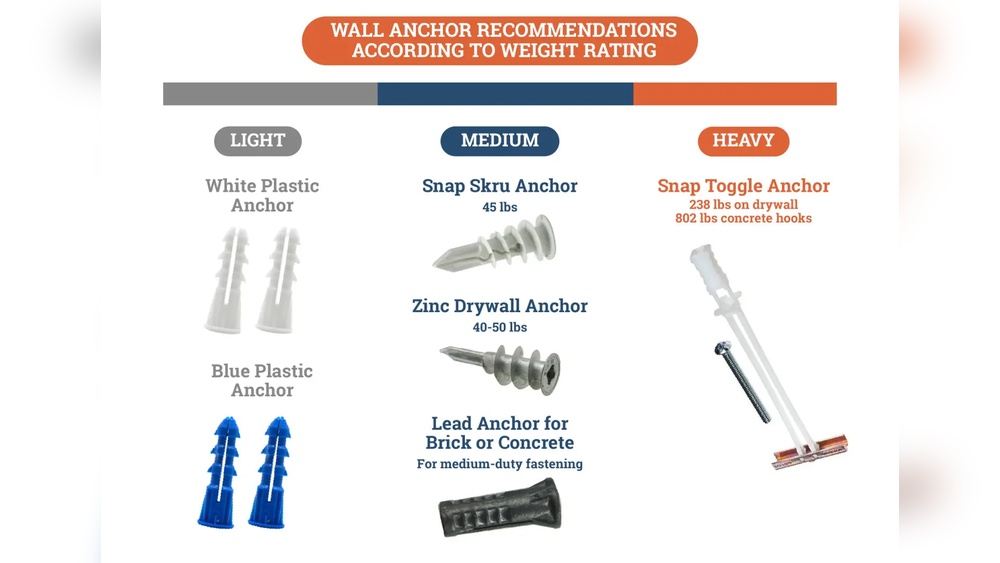
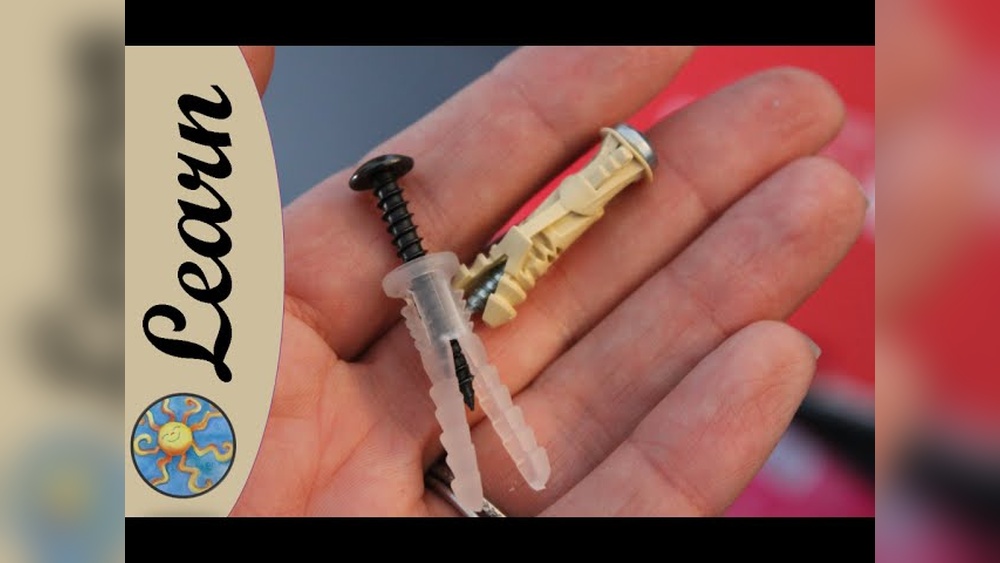
Plastic wall anchors come in many types. The most common are expansion anchors, which spread inside the wall for grip. There are also self-drilling anchors that cut into drywall without needing a pilot hole. Another type is hollow wall anchors, designed for use in drywall or plaster. Each type works best in specific situations.
Matching Anchors To Wall Materials
Not all anchors fit every wall. Drywall anchors work well in soft walls like plaster or gypsum. For concrete or brick, use anchors made for masonry. Some plastic anchors suit hollow walls, while others need solid walls. Always check the wall type before choosing an anchor.
Weight Capacity Considerations
Every anchor has a weight limit. Choose an anchor that can hold more than your item’s weight. Light anchors are fine for small pictures or clocks. Heavy anchors are needed for shelves or large mirrors. Check the package for weight ratings to ensure safety.

Credit: www.reddit.com
Tools And Materials Needed
Before using plastic wall anchors, gather the right tools and materials. This step makes the job easier and safer. Having everything at hand saves time and avoids frustration. Below are the basic tools and extra supplies you might need.
Essential Tools
- Drill with a drill bit matching anchor size
- Screwdriver, either manual or powered
- Hammer, for tapping anchors into place
- Measuring tape, to mark drill points
- Level, to ensure straight mounting
Additional Supplies
- Plastic wall anchors in proper size and type
- Screws that fit the anchors
- Pencil, to mark drilling spots
- Vacuum or brush, to clean dust after drilling
- Protective eyewear, for safety during drilling
Preparing The Wall
Preparing the wall is the first step for a strong hold with plastic wall anchors. Proper preparation helps the anchor stay firmly in place. It also prevents damage to the wall. This process involves finding the right spot and making a small hole for the anchor.
Locating Studs And Marking
Start by checking if there is a stud behind the wall. Use a stud finder or tap the wall lightly. A solid sound means a stud is there. A hollow sound means no stud. Mark the spots where you want to place the anchors. Use a pencil to make small marks. These marks guide the drilling process.
Drilling The Pilot Hole
Choose a drill bit that matches the size of the anchor. Drill a hole at the marked spot. Drill straight and slow for a clean hole. The hole should be deep enough for the anchor to fit fully. Clean out any dust from the hole. This ensures the anchor grips well inside the wall.

Credit: www.picturehangsolutions.com
Installing Plastic Wall Anchors
Installing plastic wall anchors is an easy way to hang items on drywall or plaster. These anchors provide extra support for screws. They help hold shelves, pictures, and other decorations securely on walls. The process requires simple tools and careful steps for best results.
Follow the steps carefully to ensure the anchors work well. Proper installation prevents damage to walls and keeps your items safe.
Inserting The Anchor Properly
Start by drilling a hole that matches the size of the anchor. The hole should be clean and smooth. Push the plastic anchor gently into the hole. Use your thumb or a small hammer to tap it in. Stop when the anchor is flush with the wall surface. Avoid forcing the anchor deep inside. It should fit snugly but not bend or break.
Ensuring A Secure Fit
Once the anchor is in place, check its grip by gently pulling it. The anchor should stay firmly in the wall. Insert the screw slowly into the anchor. Tighten the screw until it feels secure. Do not overtighten, as this may damage the anchor or wall. A tight fit keeps the screw stable and the item firmly held.
Attaching Fixtures To Anchors
Attaching fixtures to plastic wall anchors ensures a strong hold on walls. The right screws and careful tightening prevent damage and keep the fixture secure. Proper steps help your items stay in place for a long time.
Choosing The Right Screws
Select screws that fit the anchor size. Too long screws can crack the wall. Too short screws won’t hold the fixture tightly. Use screws made for the anchor’s material. Match the screw thickness to the anchor’s hole. This ensures a firm grip without slipping.
Tightening Without Damage
Turn screws slowly into the anchor. Stop when the fixture feels tight against the wall. Over-tightening can crack the anchor or wall. Use a screwdriver, not a power drill, for better control. Check the fixture often to avoid pushing too hard.
Troubleshooting Common Issues
Troubleshooting common issues with plastic wall anchors helps keep your projects secure. Sometimes anchors do not hold well or damage the wall. These problems can be fixed with simple steps. Follow clear advice to solve these issues quickly.
Dealing With Loose Anchors
Loose anchors happen when the hole is too big. The anchor will spin or fall out. Remove the loose anchor carefully. Use a bigger anchor size or a metal anchor. Another way is to fill the hole with wood filler or putty. Let it dry fully before re-inserting the anchor. This gives a tight grip and stops movement.
Fixing Cracked Walls
Cracked walls can weaken anchor hold. Cracks often appear from too much pressure. Stop by removing the anchor and cleaning the crack. Use a patching compound or wall filler to seal cracks. Wait until dry, then sand smooth. Drill a new hole near the patch for the anchor. This keeps the wall strong and secure.
Safety Tips And Best Practices
Using plastic wall anchors safely helps protect your walls and items. Follow best practices to avoid damage and keep things secure. Understanding weight limits and wall conditions is key. Simple safety steps make your project easier and safer.
Avoiding Overloading
Check the weight limit of each plastic wall anchor. Do not hang items heavier than the anchor can hold. Overloading can cause anchors to pull out or break. Use multiple anchors for heavy items to spread the weight. Always choose anchors designed for the type of wall you have.
Maintaining Wall Integrity
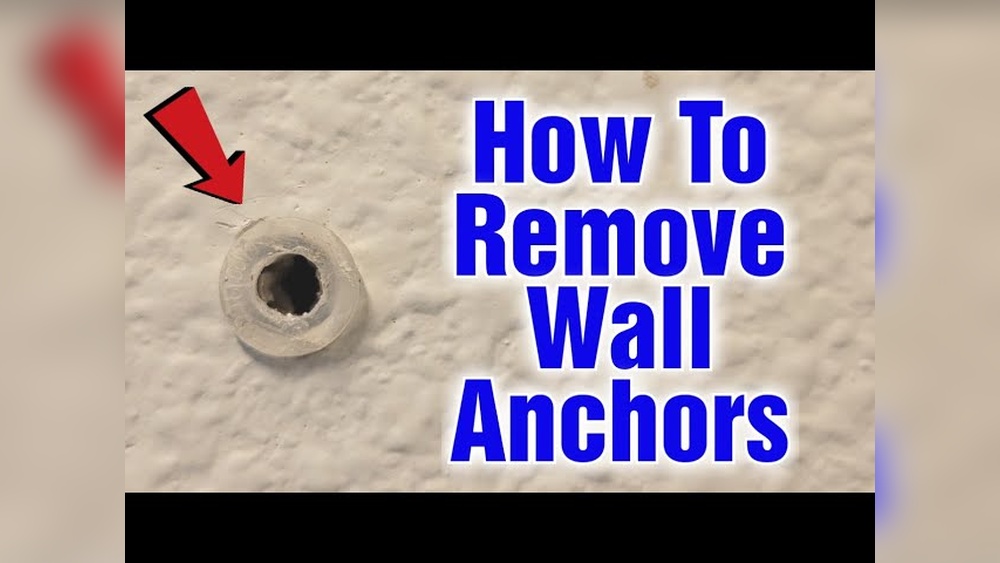
Drill the correct hole size for each anchor to fit snugly. Avoid large holes that weaken the wall around the anchor. Insert anchors straight to prevent cracks or damage. Remove anchors carefully if you need to move or replace them. Repair any wall damage before installing new anchors.
:max_bytes(150000):strip_icc()/how-to-use-and-discard-anchor-screws-1822671-Final-ec8091ccf65241b1b1f888549f25003a.jpg)
Credit: www.thespruce.com
Frequently Asked Questions
What Are Plastic Wall Anchors Used For?
Plastic wall anchors secure screws in drywall or hollow walls. They prevent screws from pulling out and provide strong support for lightweight fixtures.
How Do You Install Plastic Wall Anchors Correctly?
Drill a hole matching the anchor size. Insert the anchor flush with the wall. Then, screw into the anchor carefully to avoid damage.
Can Plastic Wall Anchors Hold Heavy Items?
Plastic anchors support light to medium weights, typically up to 20 pounds. For heavier loads, use metal anchors or toggle bolts instead.
What Types Of Walls Work With Plastic Anchors?
Plastic anchors work best in drywall, plaster, and hollow walls. They are not ideal for concrete or brick walls, which need specialized anchors.
Conclusion
Using plastic wall anchors makes hanging items easier and safer. Choose the right size for your wall and screw. Drill a hole, insert the anchor, then tighten the screw slowly. Avoid forcing the screw to prevent damage. This method holds objects firmly on drywall or plaster.
Practice a few times to gain confidence. With simple steps, wall anchors provide strong support. Try this technique for your next home project. It helps keep your walls neat and secure. Simple, reliable, and effective—plastic wall anchors work well every time.