Are you struggling to figure out how to put those Anchor Feeney’s in the wall without making a mess? You’re not alone.
Getting the right grip and support for your shelves, hooks, or frames can be tricky if you don’t use the right method. But don’t worry—once you learn the simple steps, you’ll feel confident and ready to hang anything securely. Keep reading, and you’ll discover easy tips that save you time, prevent damage, and make your walls hold strong every time.
Choosing The Right Anchor
Choosing the right anchor is key to a strong hold in your wall. Different anchors work best for different walls. Picking the wrong type can cause damage or weak support.
This guide helps you find the best anchor for your project. Learn about types of anchors and match them to your wall material. This makes hanging items safer and easier.
Types Of Wall Anchors
Plastic expansion anchors are common and easy to use. They work well in drywall for light loads. Metal anchors, like molly bolts, are stronger. They expand inside the wall for a firm grip. Toggle bolts have wings that open behind the wall. They hold heavy items securely. Self-drilling anchors screw directly into drywall. No pre-drilling needed. Each type fits certain needs and weights.
Matching Anchors To Wall Material
Drywall needs light or medium anchors like plastic or self-drilling types. For plaster walls, metal anchors or toggle bolts work better. Concrete or brick require heavy-duty anchors, such as sleeve or wedge types. Wood studs allow screws without anchors. Knowing your wall type helps pick the right anchor. This prevents holes and ensures safety.
Gathering Tools And Materials
Before you start putting anchor Feeney’s in the wall, gather all needed tools and materials. Being prepared saves time and makes the job easier. It helps you avoid interruptions and ensures safety. Having the right tools also improves the quality of your work.
Focus on collecting everything you need in one place. This way, you won’t have to stop your work to search for something. Let’s explore the essential tools and safety gear required for this task.
Essential Tools
Start with a drill that fits the size of your anchors. A drill makes holes quickly and cleanly. You need the right drill bit to match the anchor size. A hammer helps to tap the anchors gently into the wall. Use a screwdriver to tighten screws securely into the anchors. A tape measure ensures precise placement on the wall. A pencil helps mark spots for drilling. A level keeps your work straight and neat.
Safety Gear
Protect yourself while working on the wall. Wear safety goggles to shield your eyes from dust and debris. Gloves protect your hands from sharp edges and rough surfaces. Use a dust mask to avoid breathing in dust. If working on a ladder, ensure it is stable and secure. Safety gear reduces risks and keeps you comfortable during work.
Preparing The Wall
Preparing the wall is the first step to install anchor fasteners properly. It helps ensure the anchors hold tightly and safely. Careful preparation prevents damage to the wall and keeps your items secure.
Start by choosing the exact place where you want to place the anchors. The wall must be clean and free of dust or loose paint. This makes the anchors stick better and last longer.
Locating The Spot
Find the right spot on the wall for your anchor fasteners. Use a tape measure to check the height and distance between points. Choose a solid area, not near cracks or weak spots. Mark the spot lightly with a pencil.
Marking Drill Points
Mark drill points clearly at the chosen spots. Use a level tool to make sure marks are straight and even. This keeps your anchors aligned and supports the weight evenly. Double-check marks before drilling to avoid mistakes.
Drilling The Hole
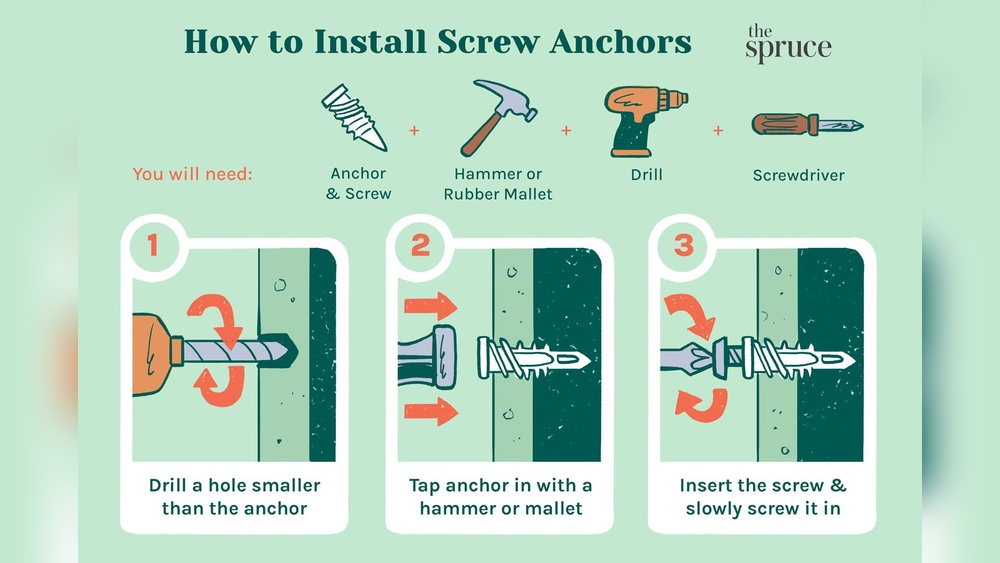
Drilling the hole is the first real step when putting Anchor Feeney’s in the wall. It sets the stage for a secure fit. A clean, correctly sized hole helps the anchor hold tight. Taking time here makes your work last longer and stay safe.
Focus on drilling with care. The right tools and technique make all the difference. Avoid rushing or forcing the drill. Let the drill bit do the work smoothly.
Selecting The Drill Bit
Choose a drill bit that matches the size of the anchor. The hole must be just wide enough for the anchor to fit snugly. Too small, and the anchor won’t go in. Too big, and it will be loose.
Use a masonry bit for concrete or brick walls. For drywall, a regular twist bit works fine. Always check the anchor package for recommended drill bit size.
Drilling Technique
Hold the drill steady and straight. Start drilling slowly to avoid slipping. Apply gentle pressure and let the bit cut into the wall.
Stop drilling once you reach the right depth. You can mark this on the bit with tape. Pull the drill out carefully to clear dust from the hole.
Inserting The Anchor
Inserting an anchor into the wall is a key step for strong support. It helps hold screws firmly and prevents damage. Following the right method ensures safety and durability.
Positioning The Anchor
Start by choosing the exact spot on the wall. Use a pencil to mark the point clearly. Check for pipes or wires behind the wall first. This avoids accidents and damage.
Align the anchor with the mark carefully. Hold it steady before drilling or pushing it in. Proper placement means better hold and stability.
Securing The Anchor In Place
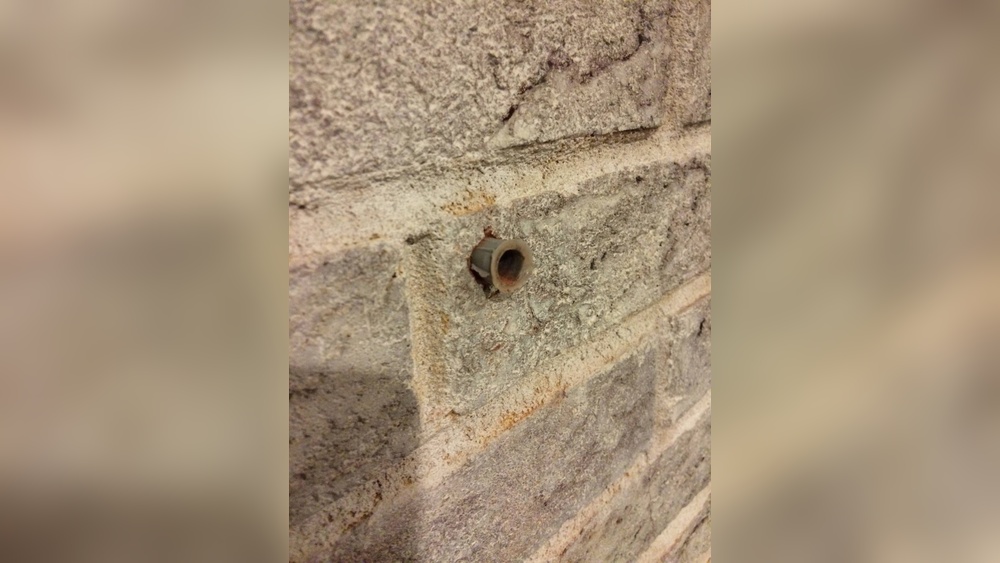
Insert the anchor into the hole gently but firmly. Use a hammer or screwdriver if needed for tight fitting. Make sure the anchor sits flush with the wall surface.
Test the anchor by pulling lightly to check hold. It should not move or wiggle. A secure anchor keeps your items safe and strong on the wall.
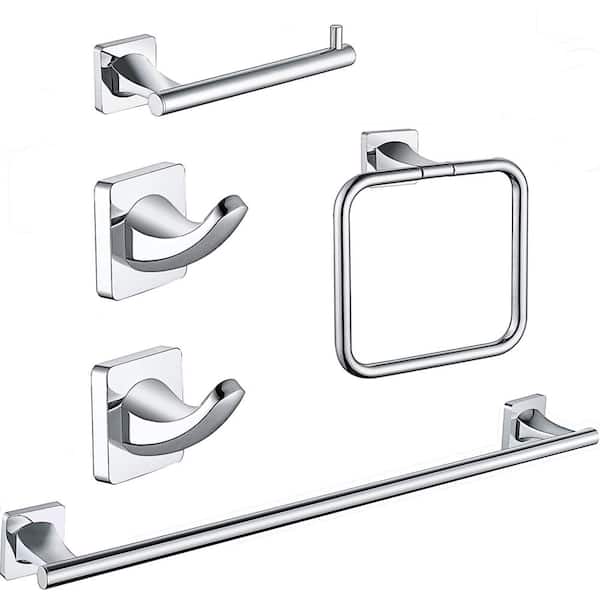
Credit: www.homedepot.com
Mounting Your Item
Mounting your item on the wall is an important step. It keeps your object secure and safe. Using anchor Feeneys helps hold heavy or awkward items firmly.
Follow simple steps to place your item correctly. This guide breaks down the process into two key parts: aligning with the anchor and tightening the screw.
Aligning With The Anchor
Start by holding your item close to the wall. Look for the anchor hole on the wall. Make sure the hole in your item lines up exactly with the anchor.
Take your time. Check the fit before moving forward. Proper alignment prevents damage and keeps the item steady.
Tightening The Screw
Next, insert the screw into the anchor hole. Use a screwdriver to turn it slowly. Tighten the screw until it feels firm but not too tight.
Avoid over-tightening. It can break the anchor or damage the wall. Stop once the item is secure and does not move.
Troubleshooting Common Issues
Troubles with anchor Feeney’s in the wall are common. They can cause frustration and weaken your setup. Fixing these issues fast saves time and keeps your wall safe.
Loose Anchors
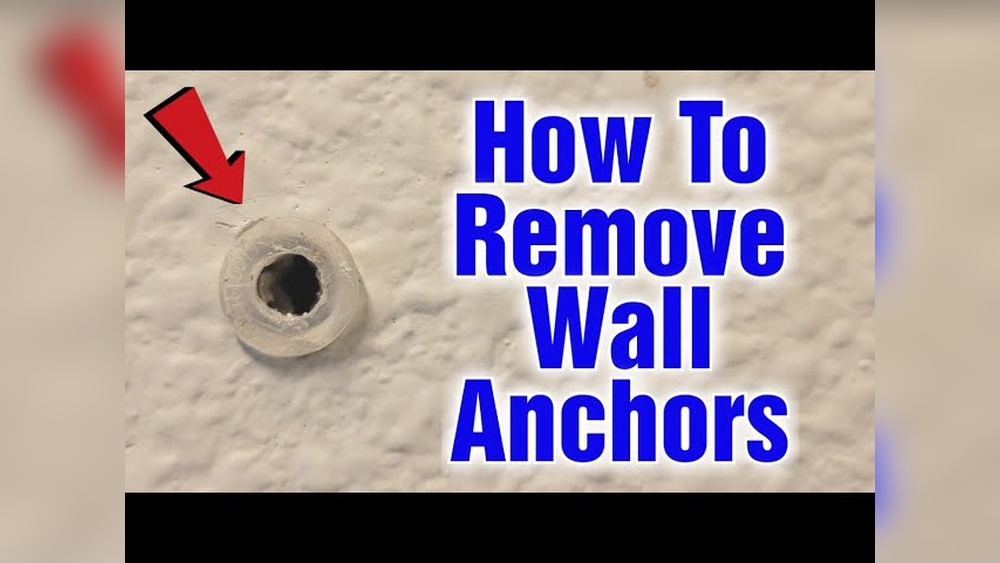
Loose anchors fail to hold weight properly. Check if the anchor spins or wiggles in the hole. This usually means the hole is too big or the anchor is the wrong size. Use a larger anchor or fill the hole with a repair compound and try again. Tighten screws carefully to avoid over-expanding the anchor. Proper fit stops anchors from loosening over time.
Wall Damage Prevention
Drilling holes can harm your wall. Use a drill bit that matches the anchor size. Drill slowly and straight to avoid cracks or chips. Avoid hitting electrical wires or pipes inside the wall. Use a stud finder to locate safe spots. Clean dust from the hole before inserting the anchor. This helps the anchor grip better and reduces wall damage.
Credit: www.homedepot.com
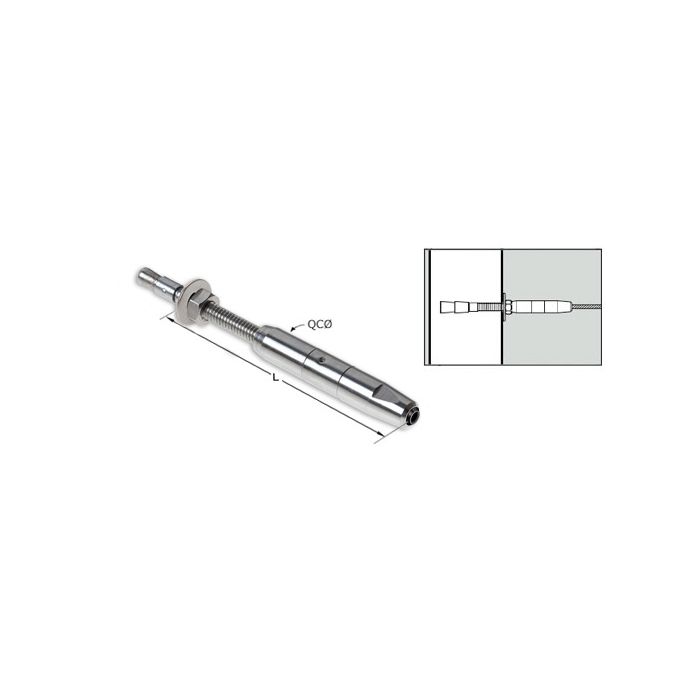
Credit: www.stairwayshop.com
Frequently Asked Questions
What Tools Are Needed To Install Anchor Feeney’s?
You need a drill, screwdriver, level, tape measure, and the correct drill bit size for your wall type. Anchors and screws specific to Anchor Feeney’s are essential for a secure hold.
How Do You Choose The Right Wall For Anchor Feeney’s?
Select a solid wall like drywall with studs or masonry for strong support. Avoid hollow or weak walls to prevent anchors from failing or damaging the surface.
What Steps Ensure A Secure Fit For Anchor Feeney’s?
Mark the spot, drill a hole matching anchor size, insert the anchor, then screw in the fastener firmly. Ensure anchors are flush with the wall for maximum stability.
Can Anchor Feeney’s Support Heavy Objects On Walls?
Yes, if installed properly into studs or masonry, Anchor Feeney’s can hold heavy items. Always check the weight limit specified for your anchors before mounting heavy objects.
Conclusion
Anchor Feeneys hold items firmly on walls. Start by marking the spot clearly. Drill a hole that fits the anchor size. Push the anchor gently into the wall. Tighten the screw to expand the anchor inside. Check the anchor is secure before hanging anything.
This method works well on drywall or plaster. Practice makes it easier over time. Now, you can hang shelves, pictures, or mirrors safely. Simple steps lead to strong wall support every time.