Are you looking to add a sleek, modern touch to your space with floating shelves but unsure what small brackets to use? Choosing the right brackets can make all the difference in both the look and strength of your shelves.
You want something that’s sturdy, easy to install, and discreet enough to keep that clean floating effect. Keep reading, and you’ll discover simple, effective bracket options that fit your style and needs perfectly. By the end, you’ll feel confident picking the best small brackets for your floating shelves—making your room look sharp and organized in no time.
Types Of Small Brackets
Small brackets support floating shelves by holding them firmly on walls. Choosing the right type helps match your room’s style and shelf weight. Different materials offer unique benefits and looks. Here are common types of small brackets for floating shelves.
Metal Brackets
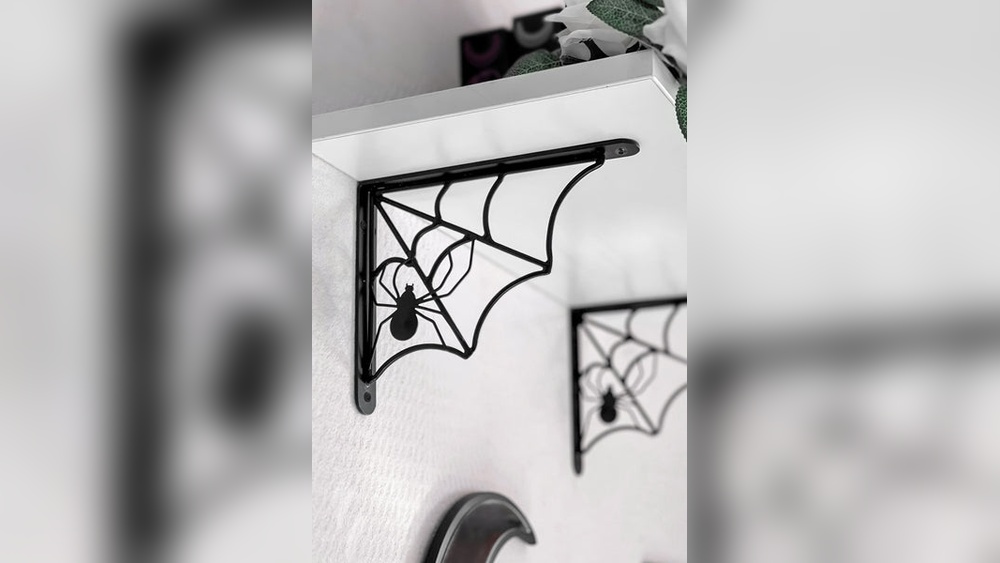
Metal brackets are strong and durable. They hold heavy shelves without bending or breaking. Steel and aluminum are common metals used. Metal brackets often have a sleek, modern look. They work well in kitchens and offices. Some have decorative designs to add style.
Wooden Brackets
Wooden brackets blend well with wooden shelves. They offer a natural, warm appearance. Wood types like oak, pine, or walnut are popular choices. Wooden brackets can be carved or shaped for a custom look. They are strong but best for light to medium loads. Perfect for living rooms or bedrooms.
Plastic Brackets
Plastic brackets are lightweight and easy to install. They resist moisture, making them good for bathrooms or kitchens. These brackets are less strong than metal or wood. Plastic brackets often come in various colors and shapes. They are ideal for small, light shelves.
Invisible Brackets
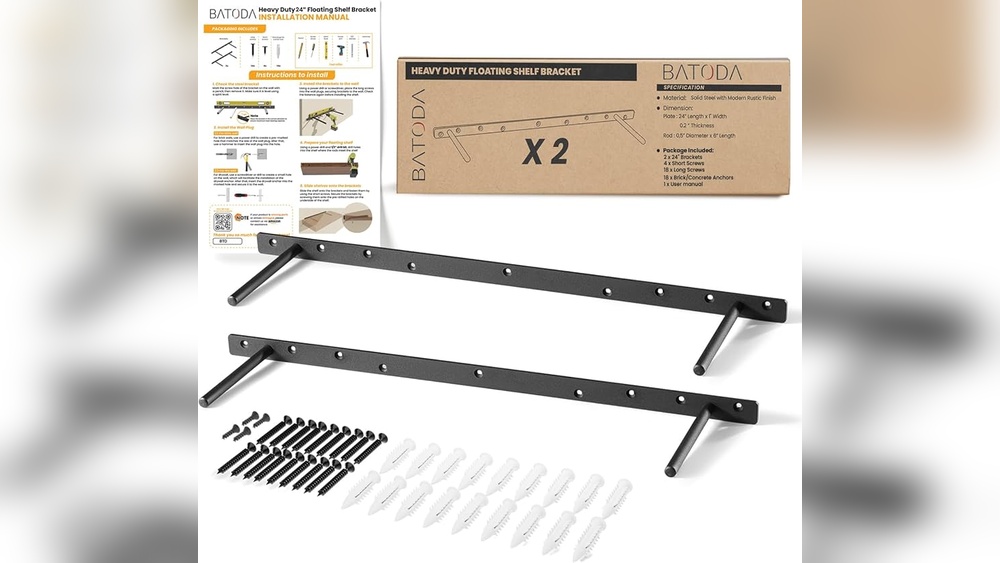
Invisible brackets hide behind the shelf for a clean look. They make shelves appear to float without support. These brackets require precise installation and strong wall anchors. Invisible brackets suit modern and minimalist designs. They hold medium to heavy shelves securely.
Choosing The Right Bracket Size
Choosing the right bracket size is important for a floating shelf. The bracket must fit the shelf and support its weight. Small brackets work well for light shelves, but the size depends on the shelf’s length and thickness. The wrong size can cause the shelf to tilt or fall. Measure carefully and think about the shelf’s use before choosing brackets.
Measuring Shelf Dimensions
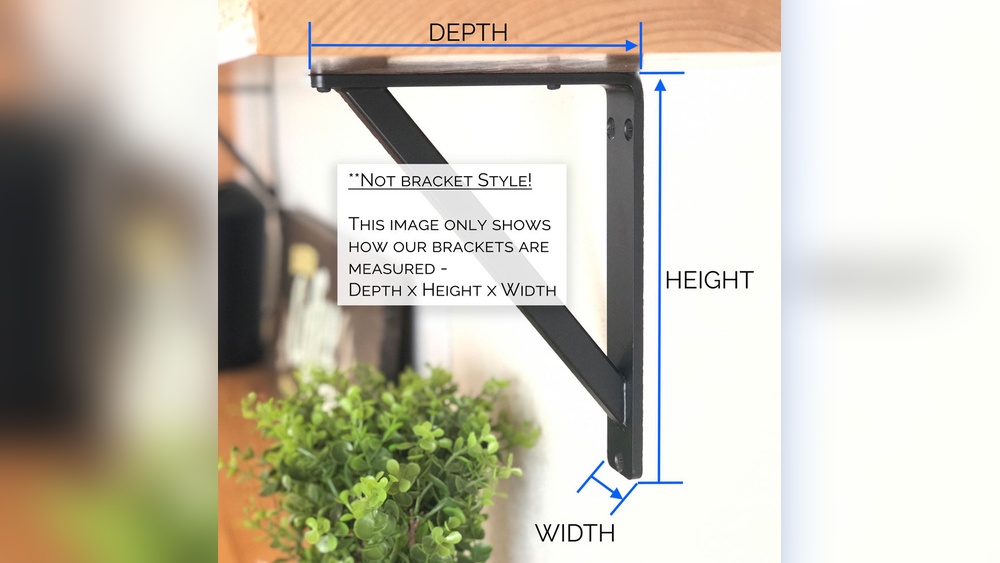
Start by measuring the length and thickness of your shelf. Use a tape measure for accuracy. The bracket should be slightly shorter than the shelf length. This keeps the bracket hidden and maintains the floating look. Thickness matters too. The bracket should fit snugly inside the shelf without bending it. Write down these numbers before buying brackets.
Weight Capacity Considerations
Think about what you will place on the shelf. Heavy items need strong brackets. Check the weight limit of each bracket before purchase. The total weight includes the shelf and its contents. Add some extra weight for safety. Choose brackets that hold more than your estimated load. This prevents accidents and keeps your shelf stable.
Diy Bracket Materials
DIY bracket materials offer great options for floating shelves. They allow you to create sturdy supports without buying expensive hardware. Using simple materials can add charm and character to your shelf design.
Choosing the right material depends on your tools and style preferences. Here are some popular DIY bracket materials to consider.
Reclaimed Wood Pieces
Reclaimed wood pieces give a rustic and natural look to shelves. Small wood blocks or strips cut from old furniture work well. Sand them smooth and finish with paint or stain. Attach them to walls to hold the shelf securely. Wood brackets blend nicely with wooden shelves for a classic style.
Metal Straps And Flat Bars
Metal straps and flat bars create strong and modern brackets. Cut strips of metal to size and bend them at right angles. Drill holes to screw them into the wall and shelf. These brackets hold heavy items and last long. Metal adds an industrial touch to any room.
Pvc Pipes And Fittings
PVC pipes and fittings make unique and affordable brackets. Cut small sections of pipe and connect with elbow joints. Paint them to match your shelf or wall color. PVC is lightweight yet sturdy enough for light shelves. It’s also easy to work with and resistant to moisture.

Credit: www.mockett.com
Tools Needed For Diy Brackets
Creating small brackets for floating shelves requires a few basic tools. These tools help you cut, drill, and secure the brackets properly. Having the right equipment makes your DIY project easier and safer. Below are the key tools you need to prepare.
Cutting Tools
Cutting tools shape the bracket material to the right size. A hacksaw works well for metal brackets. For wood brackets, a handsaw or jigsaw is ideal. Use a metal file or sandpaper to smooth rough edges. Sharp blades ensure clean cuts and reduce effort.
Drilling Equipment
Drilling equipment helps create holes for screws or bolts. A cordless drill is handy and portable. Choose drill bits that match your bracket material. Drill slowly to avoid damaging the material. A drill guide can keep holes straight and accurate.
Fasteners And Anchors
Fasteners hold the bracket firmly in place. Wood screws fit wooden brackets and walls. Metal brackets may require machine screws and nuts. Anchors provide extra support on drywall or plaster walls. Use anchors rated for the shelf’s weight for safety.
Step-by-step Diy Bracket Installation
Installing small brackets for a floating shelf can be easy with the right steps. Follow this simple guide to fit your brackets and shelf securely. This DIY method saves money and adds a personal touch to your space.
Preparing The Brackets
Start by choosing brackets that fit your shelf size and weight. Check if the brackets are strong enough to hold your items. Clean the brackets to remove dust and dirt. Mark the spots on the wall where you will place the brackets. Use a level tool to keep marks straight and even. Drill pilot holes to make screwing easier and avoid wall damage.
Mounting Brackets On The Wall
Align the brackets with the pilot holes on the wall. Hold the bracket firmly against the wall. Use screws and a screwdriver to attach the brackets tightly. Check each bracket with a level to ensure it is straight. Tighten screws until the bracket does not move. Avoid over-tightening to prevent wall damage.
Securing The Floating Shelf
Place the shelf on the mounted brackets carefully. Adjust the shelf so it sits evenly on both brackets. Use screws to fix the shelf to the brackets if holes are available. Check the shelf for balance and stability. Make sure the shelf does not wobble or tilt. Your floating shelf is now ready for use.
Styling Small Brackets
Small brackets for floating shelves do more than support weight. They add style and character to your space. Styling these brackets lets you match your room’s look. It turns a simple shelf into a design feature. Choose colors, finishes, and decorations that fit your style. Make your shelves stand out or blend in quietly.
Painting And Finishing Options
Paint small brackets to suit your room’s theme. Use matte paint for a soft, subtle look. Glossy paint adds shine and draws attention. Metallic finishes like gold or silver bring a modern touch. You can also try rustic finishes for a vintage feel. Use spray paint for even coverage and quick drying. Seal the paint with a clear coat to protect it. Choose colors that match your walls or contrast boldly.
Decorative Enhancements
Add small decorations to your brackets for extra charm. Attach small wooden or metal cutouts for a unique look. Use stencils to paint patterns or shapes. Wrap brackets with thin rope or twine for a natural feel. Stick on small decals or stickers for a fun touch. Consider adding tiny plants or fairy lights nearby. These small details make your shelves more inviting and personal.
Common Mistakes To Avoid
Choosing the right brackets for a floating shelf is important. Many people make mistakes that cause shelves to fall or look bad. Avoiding these common errors helps keep shelves safe and neat. Here are key mistakes to watch out for.
Using Undersized Brackets
Small brackets may seem fine but often lack strength. Undersized brackets cannot hold heavy items well. This causes shelves to bend or break quickly. Always pick brackets that fit the shelf size and weight needs.
Ignoring Wall Material
Not all walls hold brackets the same way. Drywall, brick, or wood each need different screws and anchors. Using wrong supports weakens the hold. Check the wall type before installing brackets for a secure fit.
Improper Fastening
Fastening brackets poorly leads to loose shelves. Screws that are too short or loose will fail. Make sure to use the right screws and tighten them well. Secure fastening ensures the shelf stays in place safely.

Credit: cascadeironco.com
Budget-friendly Bracket Alternatives
Finding the right small brackets for floating shelves does not have to be expensive. Many budget-friendly alternatives work well and save money. These options use everyday items or affordable products. They provide good support and a neat look for your shelves.
Repurposed Household Items
Old metal strips can serve as small brackets. Cut them to size and screw them into the wall and shelf. Strong wooden pieces, like leftover trim or blocks, also work well. Paint or stain these pieces to match your shelf. Even flat metal braces from furniture or appliances can hold up a shelf. Look around your home for sturdy items that can be reused.
Affordable Store-bought Options
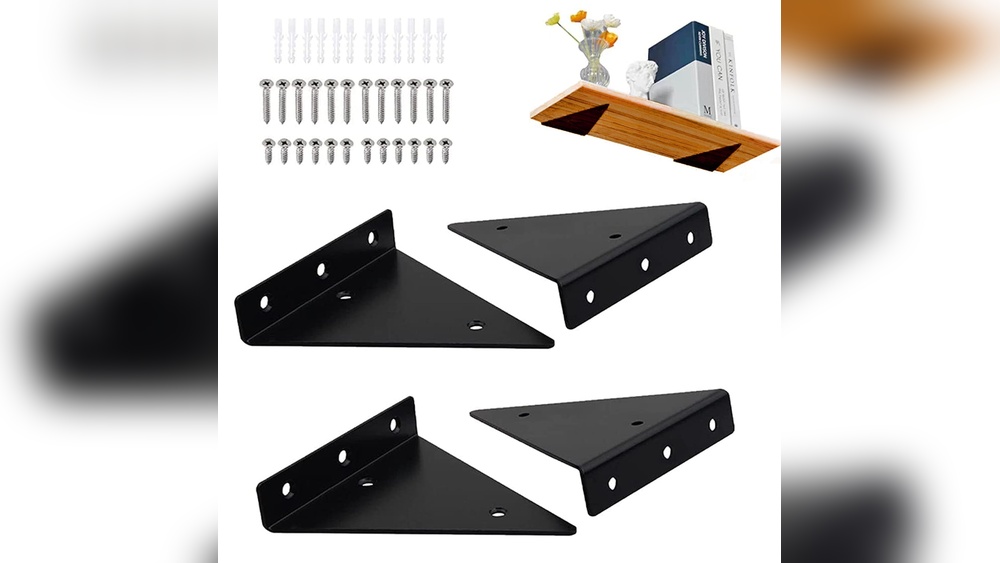
Small L-brackets made of steel or plastic come at low prices. Hardware stores carry simple designs that blend with any decor. Corner braces and angle brackets offer strong support for light shelves. These brackets come in different sizes and finishes. Choose powder-coated or painted ones for a clean look. Buying in packs often lowers the cost per bracket.

Credit: www.amazon.com
Frequently Asked Questions
What Are The Best Small Brackets For Floating Shelves?
The best small brackets are steel L-brackets, concealed floating shelf brackets, and angle brackets. They offer strong support and a clean look.
Can I Use Metal Brackets For Small Floating Shelves?
Yes, metal brackets like steel or aluminum provide excellent strength. They are durable and support various shelf weights effectively.
How Do Small Brackets Support A Floating Shelf?
Small brackets fit inside the shelf and attach to the wall. This hidden support creates a sleek, floating appearance without visible hardware.
Are Plastic Brackets Suitable For Floating Shelves?
Plastic brackets are generally not recommended. They lack strength and durability needed to support the weight of floating shelves safely.
Conclusion
Choosing the right small brackets makes your floating shelf strong and neat. Metal brackets offer great support and last long. Wooden brackets bring a warm and natural look. Hidden brackets keep the shelf looking clean without visible hardware. Always match brackets to the shelf size and weight.
Proper brackets help your shelf hold items safely. This simple step improves both style and function in your space. Take time to pick brackets that fit your needs best. Your floating shelf will look great and stay steady for years.