Are you struggling to find the right shelf bracket for your space? Choosing the perfect bracket can make all the difference in keeping your shelves sturdy and looking great.
But with so many options out there, how do you know which one fits your needs? In this guide, you’ll discover exactly what shelf bracket you need, tailored to your style and purpose. Keep reading to make sure your shelves not only hold up but also enhance your room’s look effortlessly.
Types Of Shelf Brackets
Shelf brackets hold up your shelves and come in different styles. Choosing the right type helps your shelves stay strong and look good. Each bracket type fits different needs and spaces. Below are common types of shelf brackets you can use.
L-shaped Brackets
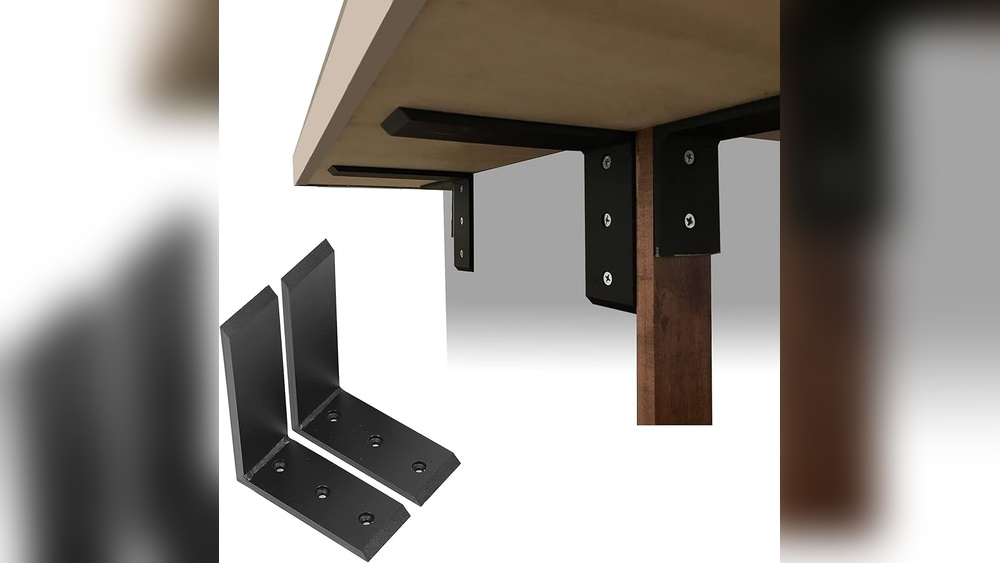
L-shaped brackets are simple and strong. They form a right angle, supporting shelves from underneath. These brackets work well for most shelves. They are easy to install and usually made of metal or wood.
Floating Brackets
Floating brackets hide behind the shelf for a clean look. They make shelves appear as if they are floating on the wall. These brackets suit modern and minimal styles. They need strong wall support to hold weight safely.
Decorative Brackets
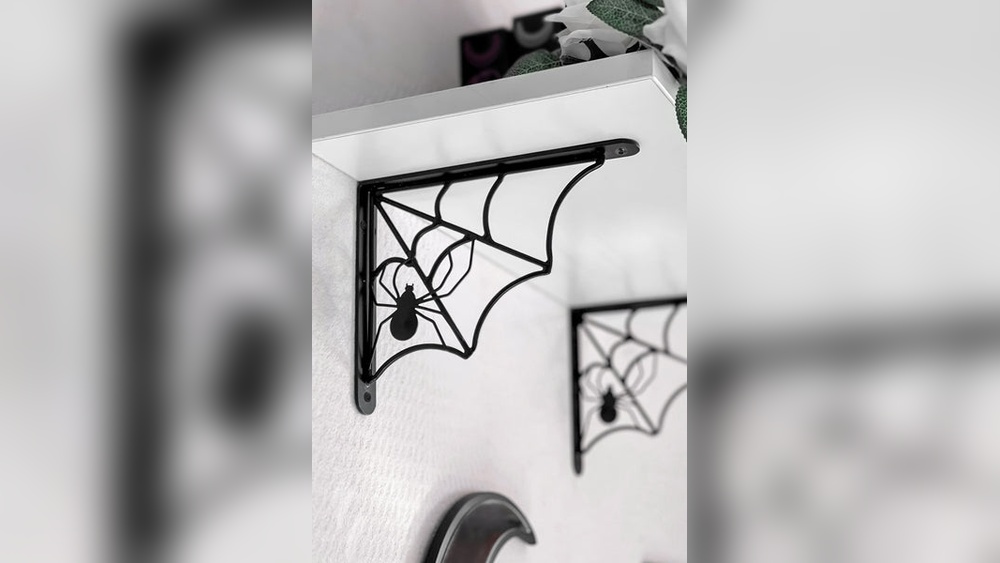
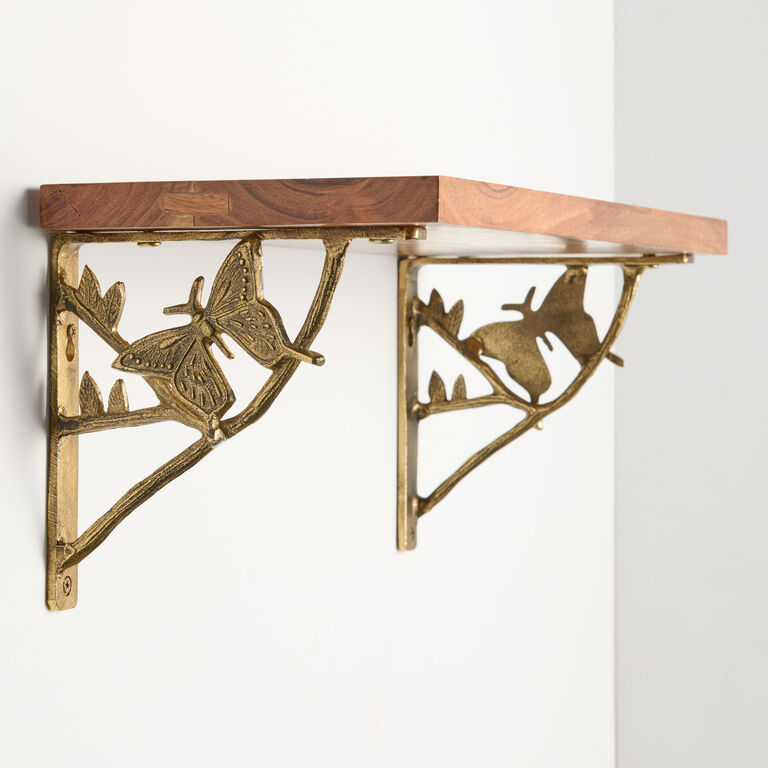
Decorative brackets add style to shelves. They come in many designs like scrolls or patterns. These brackets are both functional and pretty. Use them to match your room’s theme or add character.
Heavy-duty Brackets
Heavy-duty brackets hold heavy or large shelves. Made from strong metal, they provide extra support. These brackets are perfect for tools, books, or heavy items. They keep shelves stable and safe under heavy loads.

Credit: www.amazon.com
Materials And Finishes
Choosing the right material and finish for shelf brackets affects both strength and style. Shelf brackets come in various materials, each with unique benefits. Finishes protect the brackets and enhance their look. Understanding these options helps pick the best fit for your space.
Steel And Metal Options
Steel brackets offer strong support for heavy shelves. They resist bending and last a long time. Metal brackets can have a shiny or matte surface. They work well in modern or industrial spaces. Rust-resistant coatings help metal brackets stay durable.
Wooden Brackets
Wooden brackets add warmth and natural beauty. They suit classic and rustic decor styles. Wood can be carved or plain for different looks. These brackets are strong but best for lighter shelves. Finishes like stain or varnish protect wood from damage.
Plastic And Resin Choices
Plastic brackets are lightweight and affordable. Resin brackets can mimic wood or metal designs. These materials resist moisture and are easy to clean. Plastic and resin work well in bathrooms or kitchens. They may not hold very heavy shelves.
Powder Coating And Paints
Powder coating adds a tough, colorful layer to metal brackets. It prevents rust and scratches. Painted brackets come in many colors for style variety. Both finishes improve bracket lifespan and appearance. Choose colors that match or contrast your decor.
Choosing Bracket Size
Choosing the right bracket size is key for a strong and stable shelf. The size affects how well the shelf supports weight and fits the space. Selecting the correct bracket length and weight capacity keeps your shelf safe and functional. Start by measuring the shelf depth accurately. Then, consider how much weight the shelf will hold. Finally, match the bracket length to the shelf size for the best fit.
Measuring Shelf Depth
Measure the shelf depth from front to back. Use a tape measure for accuracy. The bracket should be at least as long as the shelf depth. A longer bracket offers more support. Avoid brackets shorter than the shelf depth. They can cause the shelf to tip or sag.
Weight Capacity Considerations
Check the bracket’s weight limit before buying. Think about the items you will place on the shelf. Heavy objects need brackets with higher weight capacity. Choose brackets that can hold more weight than your shelf needs. This prevents bending or breaking over time.
Matching Bracket Length
The bracket length should match or slightly exceed the shelf depth. This provides better stability and balance. A bracket that is too short may not support the shelf properly. Longer brackets distribute weight evenly and reduce stress on the wall. Ensure your brackets fit your shelf size perfectly.
Wall Types And Mounting
Choosing the right shelf bracket depends a lot on the type of wall and how you mount it. Different walls need different tools and methods. Proper mounting keeps shelves strong and safe. Understanding wall types helps pick the right bracket and anchors.
Drywall Installation Tips
Drywall is common in many homes. It is soft and cannot hold heavy weight alone. Use wall studs or anchors to support shelves. Find studs with a stud finder for best results. If no studs are available, use drywall anchors designed for weight.
Drill holes carefully to avoid damage. Insert anchors fully before screwing brackets. Tighten screws until firm but do not over-tighten.
Mounting On Concrete Or Brick
Concrete and brick walls are strong but hard to drill. Use a hammer drill with masonry bits for holes. Clean dust from holes before inserting anchors. Use concrete anchors or sleeve anchors for best hold.
Mark bracket spots carefully. Drill holes deep enough for anchors. Tighten screws firmly to secure brackets.
Using Studs For Support
Studs are wooden beams behind drywall. They hold the most weight. Use a stud finder to locate them. Mount brackets directly into studs for strong support.
Use long screws to reach deep into studs. Check that brackets are level before drilling. This method works well for heavy shelves.
Anchor Types For Different Walls
Plastic anchors suit light loads on drywall. Metal anchors hold medium weight. Toggle bolts are best for heavy shelves in drywall.
Concrete anchors fit concrete and brick walls. Molly bolts work well in drywall and hollow walls. Choose anchors based on wall type and shelf weight.
Design And Style Matching
Choosing the right shelf bracket is key to matching your room’s style. The bracket should blend well with your furniture and walls. A good match makes your shelves look natural and neat. Different designs fit different room themes. Think about the look you want before picking a bracket.
Modern Minimalist Brackets
Modern minimalist brackets have clean lines and simple shapes. They often come in black, white, or metal colors. These brackets suit rooms with little decoration and bright spaces. They keep the focus on the shelf and items on it. Minimalist brackets are strong but not bulky.
Rustic And Vintage Styles
Rustic and vintage brackets have a warm, old-fashioned feel. They use wood, wrought iron, or metal with a worn look. These brackets look great in cozy rooms or spaces with wooden furniture. They add charm and character to your shelves. Choose brackets with curves or detailed patterns for a vintage touch.
Industrial Look Options
Industrial shelf brackets use metal and raw finishes. They often have exposed screws and pipes. These brackets fit rooms with concrete walls or metal furniture. They give a tough, urban look to your shelves. Industrial brackets are sturdy and perfect for heavy items.
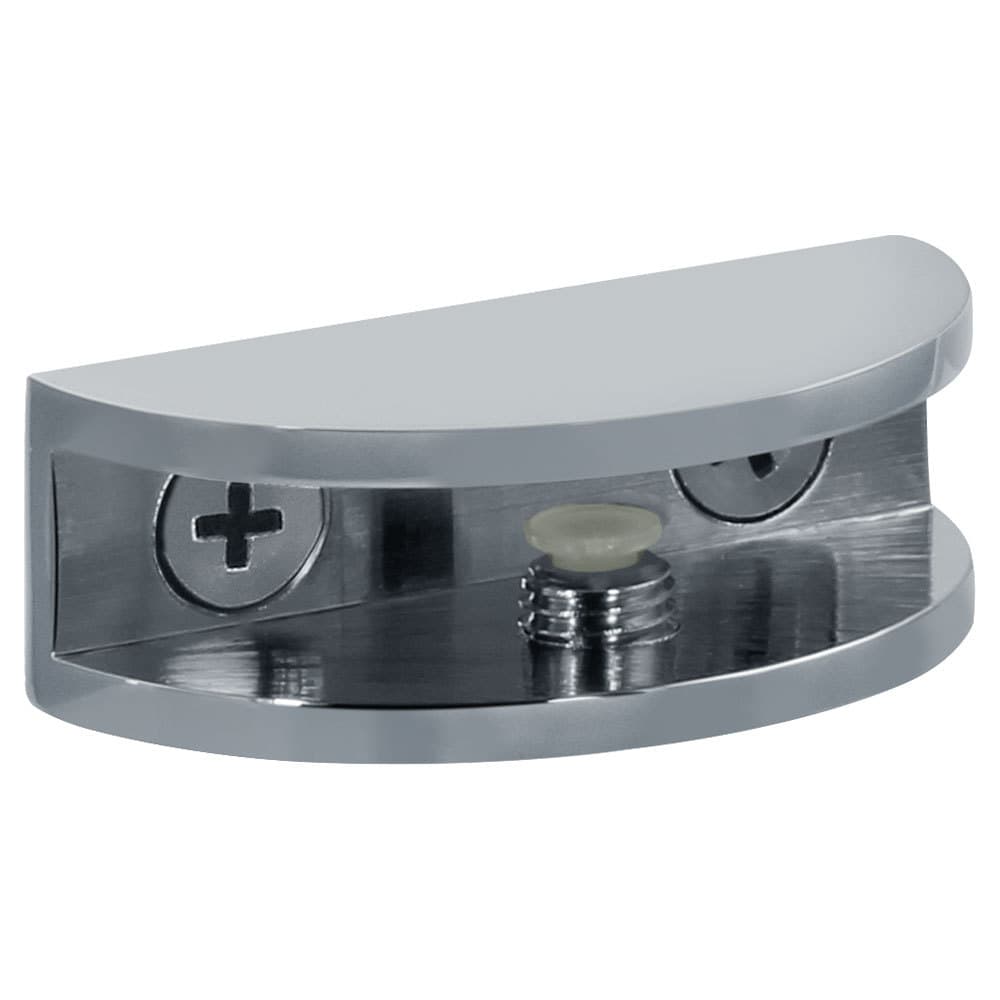
Credit: www.dullesglass.com
Installation Tools And Tips
Installing the right shelf bracket needs proper tools and clear steps. Good preparation makes the job easier and safer. This section guides you through the tools and tips for a smooth installation.
Essential Tools Needed
Start with a drill to make holes in the wall. Use a screwdriver to fix screws tightly. A level helps keep the shelf straight. Tape measure checks distance and placement. Pencil marks where you drill. Wall anchors support heavy shelves. Safety goggles protect your eyes.
Step-by-step Installation
First, measure and mark bracket spots on the wall. Next, drill holes at the marks. Insert wall anchors if the wall is hollow. Align the bracket and screw it into place. Use the level to check the bracket is straight. Repeat for the other brackets. Finally, place the shelf on the brackets and secure it.
Common Mistakes To Avoid
Do not skip measuring and marking points. Avoid using wrong screws for your wall type. Forgetting the level causes uneven shelves. Not using wall anchors can make shelves fall. Over-tightening screws may damage brackets or walls. Ignore safety gear, risking injury. Take your time for a safe, strong install.
Maintaining Shelf Brackets
Maintaining your shelf brackets helps keep shelves strong and safe. Regular care stops damage and extends their life. Simple checks and cleaning make a big difference.
Cleaning And Care
Dust and dirt can build up on brackets. Wipe them with a soft cloth regularly. Use mild soap and water for tough grime. Avoid harsh chemicals that can damage metal or paint. Dry brackets well after cleaning to prevent rust.
Checking For Wear And Tear
Look for cracks, bends, or rust on brackets. Check screws and bolts to see if they are loose. Tighten any loose parts immediately. Notice any wobbling or shifting when you place weight on the shelf. These signs show the bracket may not be safe.
When To Replace Brackets
Replace brackets if they show strong rust or cracks. Broken or bent brackets cannot support shelves properly. If screws keep loosening, new brackets may be needed. Using worn brackets risks your shelf falling and causing damage.
Credit: www.worldmarket.com
Frequently Asked Questions
What Types Of Shelf Brackets Are Available?
Shelf brackets come in various types like L-shaped, floating, decorative, and heavy-duty. Choose based on shelf weight and style needs.
How To Choose The Right Shelf Bracket Size?
Measure the shelf depth and weight. Select a bracket that supports the shelf length plus weight safely.
Can Shelf Brackets Support Heavy Loads?
Yes, heavy-duty brackets are designed for heavy loads. Always check the weight rating before installation.
What Materials Are Shelf Brackets Made From?
Common materials include steel, aluminum, plastic, and wood. Metal brackets are stronger for heavier shelves.
Conclusion
Choosing the right shelf bracket makes a big difference. It supports your shelf and holds the weight safely. Think about the material, size, and style before buying. Metal brackets work well for heavy items. Wooden ones suit light to medium loads.
Measure your space carefully to avoid mistakes. Simple steps help you pick what fits best. A good bracket keeps your shelves steady and neat. Take your time and choose wisely for a strong, lasting shelf.