Are you planning to put up a new shelf but unsure about what size bracket you need? Choosing the right bracket isn’t just about looks—it’s about making sure your shelf stays strong and safe.
If you pick a bracket that’s too small, your shelf could wobble or even fall. Too big, and it might look bulky or out of place. You’ll discover simple tips to find the perfect bracket size for your shelf, so you can hang it with confidence and keep your space organized and stylish.
Keep reading to get the answers you need before your next DIY project!

Credit: www.yesterhome.com
Choosing The Right Bracket Size
Choosing the right bracket size is important for a strong and safe shelf. The bracket holds the shelf in place. It must fit the shelf size and support the weight on it. Too small or weak brackets can cause the shelf to fall. Take time to pick the correct size for your shelf.
Measuring Your Shelf Dimensions
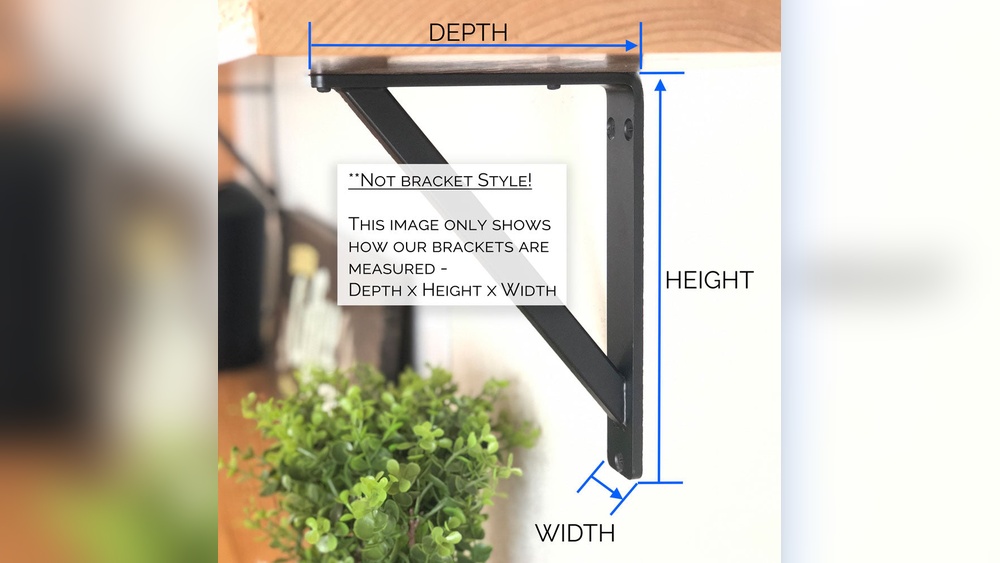
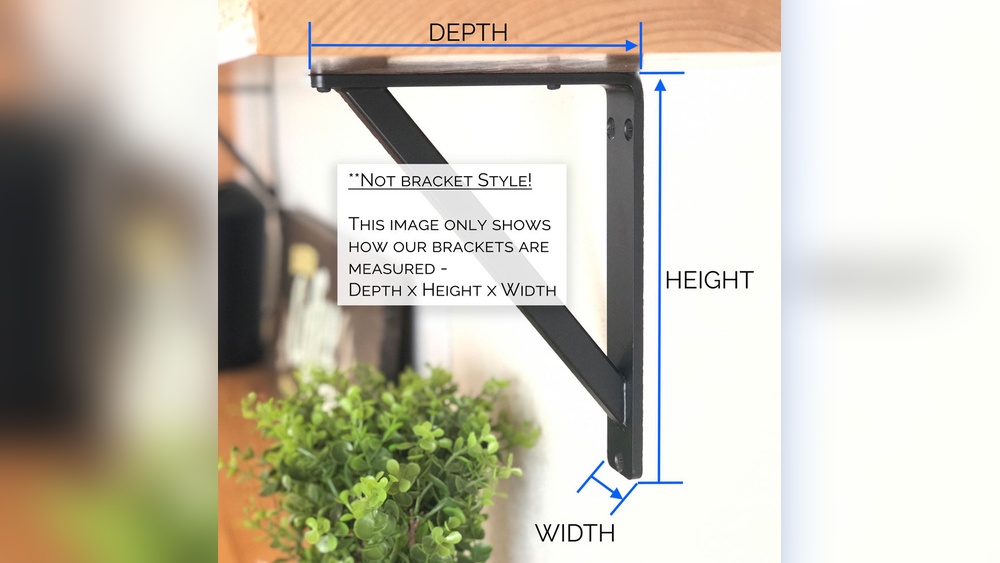
Measure the length and width of your shelf first. The bracket size should match the shelf depth. A bracket too short will not support the shelf well. A bracket that is longer than the shelf can look odd. Use a tape measure for exact numbers. Note down the measurements before buying brackets.
Considering Shelf Material
The material affects how strong the shelf is. Wood shelves need sturdy brackets. Glass shelves require brackets that hold without pressure points. Metal shelves may need special brackets to avoid damage. Choose brackets that suit your shelf material. This keeps your shelf safe and stable.
Assessing Load Capacity
Think about how much weight the shelf will hold. Heavy items need stronger, larger brackets. Light shelves can use smaller brackets. Check the bracket’s weight limit before buying. Use more brackets for very heavy shelves. This prevents the shelf from bending or falling.
Types Of Shelf Brackets
Shelf brackets hold shelves safely on walls. Choosing the right type helps support the shelf and its items. Different brackets fit different needs and styles. Understanding the common types makes the choice easier.
L-shaped Brackets
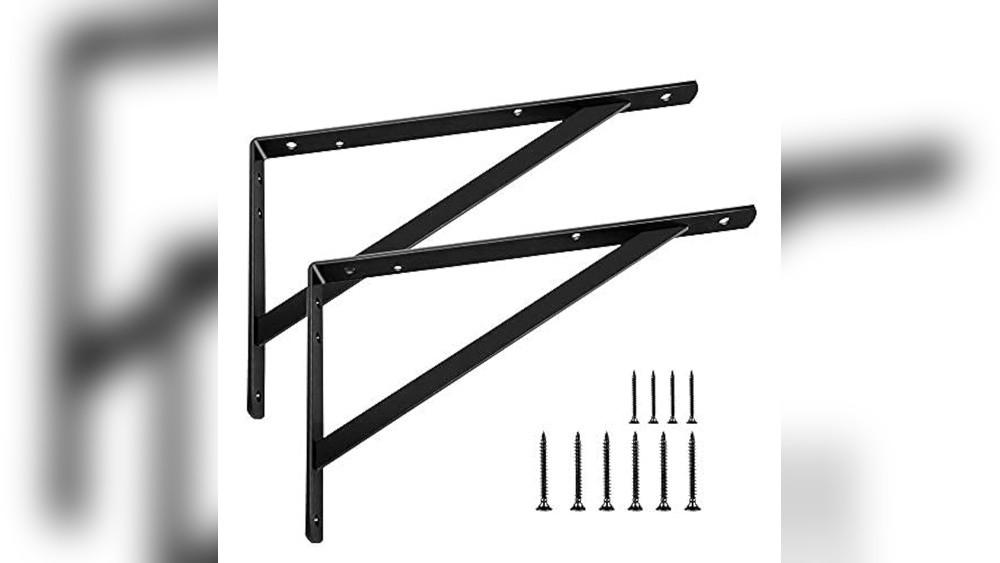
L-shaped brackets are simple and strong. They form a right angle, supporting the shelf from underneath. These brackets work well for most shelves. They come in metal or wood, matching many decors. Easy to install, they suit light to medium loads.
Floating Brackets
Floating brackets hide behind the shelf for a clean look. They make shelves appear to float on the wall. Ideal for modern and minimal styles. These brackets need precise installation for strong support. Best for lightweight items and small shelves.
Heavy-duty Brackets
Heavy-duty brackets hold large or heavy shelves. Made from thick metal or steel for extra strength. Perfect for storing books, tools, or heavy decor. They often have extra support arms or reinforcements. Use these when you need strong, reliable shelf support.
Bracket Length And Depth
Choosing the right bracket length and depth is key for a strong shelf. The bracket must support the shelf fully. This prevents sagging and keeps your items safe. Understanding how bracket size relates to shelf size helps you pick the best fit.
Matching Bracket Length To Shelf Depth
Bracket length should match the shelf depth closely. A bracket too short won’t support the shelf well. It may cause the shelf to tilt or break. Pick a bracket that is the same length or just a little shorter than the shelf depth. This way, the bracket supports most of the shelf’s weight. Avoid brackets longer than the shelf. They can look odd and may be hard to install.
Overhang Considerations
Some shelves have a small overhang beyond the bracket. A little overhang looks neat and can protect walls. But too much overhang puts pressure on the bracket ends. This can lead to bending or damage. Keep the overhang under 2 inches for safety. If your shelf overhangs more, choose longer or stronger brackets. This gives extra support and keeps shelves steady.

Credit: hovr.helpjuice.com
Weight Limits And Support
Choosing the right bracket size depends on the shelf’s weight limits and support. Shelves must hold items safely without bending or falling. Knowing how much weight your shelf will carry helps pick strong brackets. Proper support keeps shelves steady and long-lasting.
Calculating Shelf Load
Start by figuring out the total weight your shelf will hold. Add the weight of all items you plan to place on it. Include the shelf’s own weight. Use this total to decide how strong your brackets need to be. Always allow a little extra strength for safety.
Distributing Weight Evenly
Spread items across the shelf to avoid pressure points. Uneven weight can cause brackets to bend or break. Place heavy objects near the brackets for better support. Balanced weight helps keep your shelf stable and secure.
Material And Finish Options
Choosing the right bracket material and finish affects your shelf’s strength and look. Materials vary in weight, durability, and style. Finishes protect the bracket from damage and match your room’s design. Here are the common options to consider.
Steel Vs. Aluminum Brackets
Steel brackets offer strong support for heavy shelves. They resist bending and carry large loads. Steel is ideal for books or kitchen shelves. Aluminum brackets are lighter and easier to install. They resist rust and corrosion well. Aluminum works best for light to medium shelves.
Wooden Bracket Choices
Wooden brackets add warmth and natural beauty to shelves. They fit well in rustic or classic rooms. Softwood brackets are affordable but less strong. Hardwood brackets hold more weight and last longer. Wood can be painted or stained to match décor.
Finishes For Durability And Style
Powder coating on metal brackets prevents rust and scratches. It comes in many colors to blend with your walls. Clear varnish or paint protects wooden brackets from moisture. Matte or glossy finishes change the bracket’s look and feel. Choose finishes that suit your room’s style and use.
Installation Tips
Proper installation is key for strong and safe shelves. Using the right tools and techniques helps your shelf hold weight without damage. Follow these tips to install brackets correctly and keep your shelf steady.
Wall Anchors And Studs
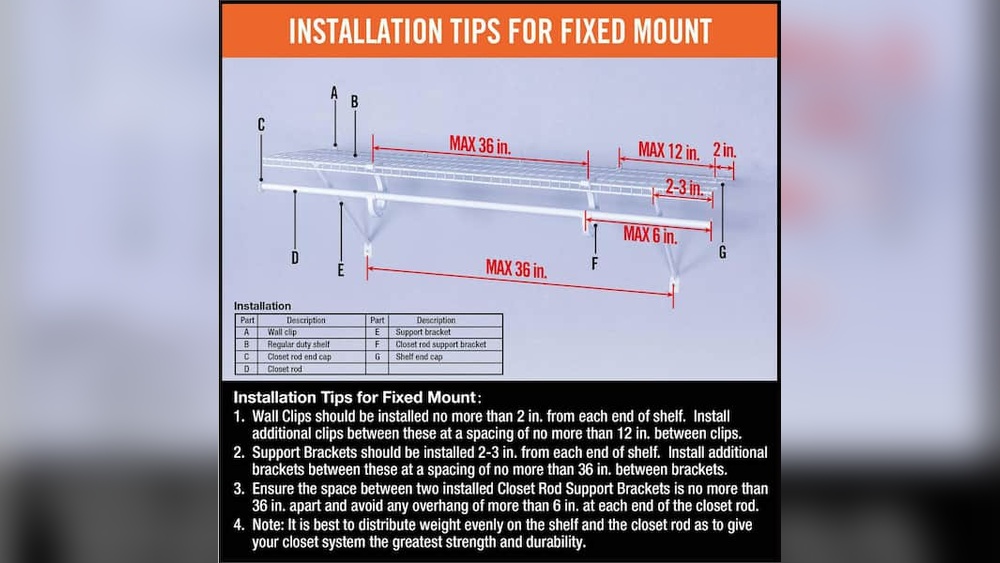
Find wall studs before mounting brackets. Studs offer the best support for heavy shelves. Use a stud finder to locate them easily. If no stud is available, use wall anchors made for your wall type. Anchors spread weight and prevent holes from widening. Choose anchors rated for your shelf’s load.
Spacing Between Brackets
Place brackets evenly to balance weight. For most shelves, space brackets 16 to 24 inches apart. Wider spacing may cause the shelf to sag. Narrow spacing provides extra support for heavy items. Match bracket spacing to shelf length and thickness for best results.
Tools Needed For Secure Mounting
Gather basic tools before starting. You need a drill, level, screwdriver, tape measure, and pencil. A stud finder helps locate studs quickly. Use a level to keep brackets straight. Mark bracket positions carefully with a pencil. These tools ensure a safe and easy installation.
Common Mistakes To Avoid
Choosing the right shelf bracket size is important. Many people make mistakes that weaken their shelves. Avoid these common errors to keep your shelves safe and strong.
Using Undersized Brackets
Small brackets cannot support heavy shelves. They bend or break under weight. Always pick brackets that fit the shelf length and load. Bigger brackets spread the weight better.
Ignoring Wall Type
Different walls need different brackets and anchors. Drywall cannot hold heavy shelves without strong anchors. Brick or concrete walls require special screws. Know your wall type before buying brackets.
Overloading Shelves
Putting too much weight on shelves causes damage. Even strong brackets fail if the load is too high. Check the weight limit of brackets and shelves. Spread heavy items evenly across the shelf surface.
Custom Brackets For Unique Needs
Standard shelf brackets may not fit every need. Some shelves require unique sizes or shapes. Custom brackets solve this problem. They offer support tailored to your shelf’s size and style. Custom brackets also add a personal touch to your space. They can be made from various materials and designed for specific weight needs. This flexibility helps you create a shelf that is both strong and stylish.
Diy Bracket Ideas
Making your own brackets can be simple and fun. Use wood pieces cut to your desired length and shape. Metal pipes or flat bars can also make sturdy brackets. Paint or stain your DIY brackets to match your room decor. Attach decorative elements like hooks or patterns for extra flair. Measuring carefully ensures your shelf stays level and secure. A custom bracket fits perfectly and holds your shelf safely.
Where To Find Custom Options
Many stores and online shops offer custom shelf brackets. Search for local metalworkers or carpenters who can create brackets to your specifications. Some websites allow you to choose size, material, and color. Custom brackets come in steel, wood, aluminum, and more. Prices vary based on design and material. Ordering custom brackets helps get the exact fit and style you want. This ensures your shelf looks good and stays strong.

Credit: vadania.com
Frequently Asked Questions
What Size Bracket Supports A 12-inch Shelf?
A 12-inch shelf typically needs brackets at least 10-12 inches long. This ensures proper support and prevents sagging. Choose brackets that match or slightly exceed the shelf depth for stability.
How To Choose Bracket Size For Heavy Shelves?
For heavy shelves, select brackets longer than the shelf depth. Use heavy-duty brackets rated for the shelf’s weight. Proper size and material ensure safety and durability.
Can Bracket Size Affect Shelf Weight Capacity?
Yes, larger brackets distribute weight better and increase capacity. Small brackets may cause shelves to sag or fail. Always match bracket size to shelf length and load.
What Bracket Size Fits Floating Shelves Best?
Floating shelves usually require brackets 12-14 inches long for hidden support. The bracket must fit inside the shelf depth and hold the shelf securely.
Conclusion
Choosing the right bracket size keeps your shelf steady and safe. Check the shelf length and weight before picking brackets. Use larger brackets for heavy or long shelves. Small shelves need smaller brackets for support. Measure twice to avoid mistakes.
Proper brackets help your shelf last longer. Strong brackets stop shelves from sagging or falling. Now, you can pick brackets with confidence. Enjoy your well-supported shelf every day.