Are you planning to install shelves but unsure about how far apart to place your shelf brackets? Getting the right distance between shelf brackets is key to making your shelves strong, stable, and long-lasting.
If the brackets are too far apart, your shelf might sag or even break. Too close, and you’re wasting space and materials. You’ll discover the simple rules and expert tips that will help you find the perfect distance for your shelf brackets.
Keep reading to avoid costly mistakes and make your shelves both beautiful and sturdy.

Credit: www.amazon.com
Shelf Bracket Basics
Shelf brackets hold shelves firmly on walls. They support the weight of items placed on shelves. Choosing the right bracket ensures safety and durability. It also keeps shelves looking neat and stable. Understanding basic bracket types and materials helps pick the best fit.
Knowing these details helps you decide the correct distance between shelf brackets. The distance affects how much weight your shelf can bear. It also influences the shelf’s overall strength and appearance.
Types Of Shelf Brackets
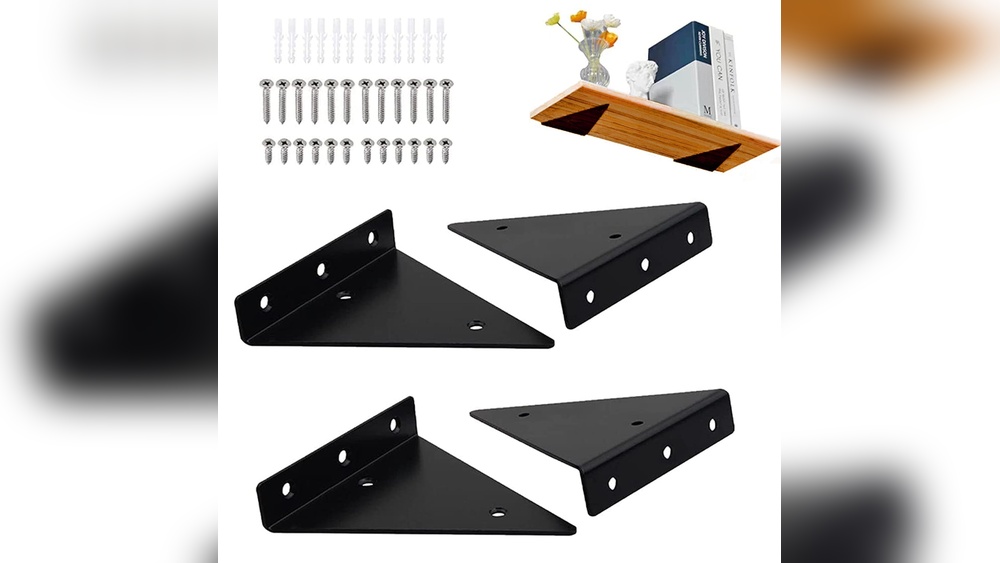
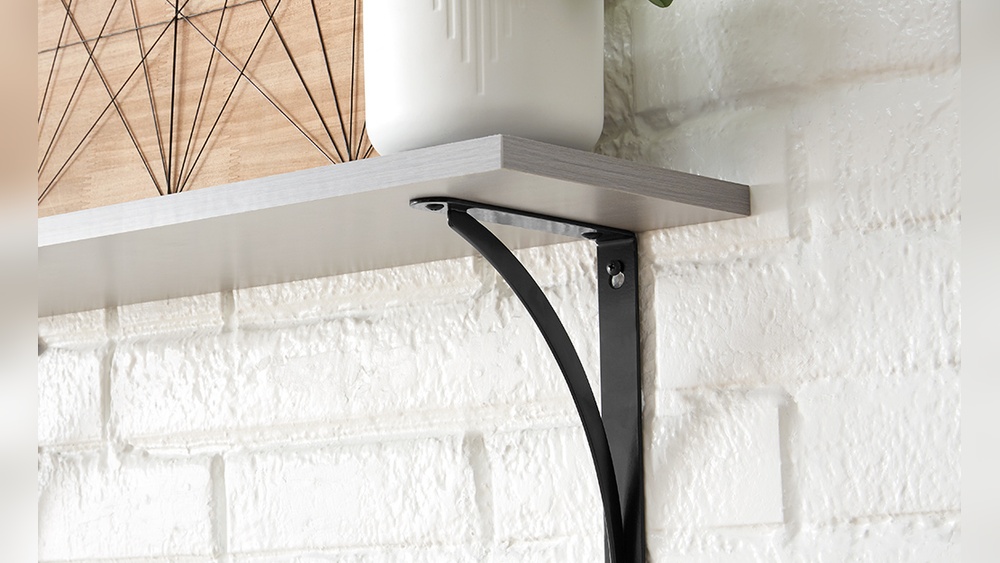
There are many shelf bracket types. L-shaped brackets are common and easy to install. Floating brackets hide the support for a clean look. Decorative brackets add style and support at once. Heavy-duty brackets hold heavier shelves and items. Each type suits different shelf needs.
Materials Used For Brackets
Brackets come in various materials. Steel brackets offer strong support and last long. Aluminum brackets are light and resist rust. Wooden brackets provide a classic, natural look. Plastic brackets are less strong but affordable. The material affects bracket strength and shelf stability.
Factors Affecting Bracket Spacing
Choosing the right distance between shelf brackets is not random. Several factors affect how far apart brackets should be placed. Understanding these can help you build strong, stable shelves. These factors include the type of shelf material, the expected weight, and the shelf’s length.
Shelf Material And Thickness
The material of the shelf influences bracket spacing significantly. Wood, metal, and glass each hold weight differently. Thicker shelves can span longer distances without sagging. Thin shelves need brackets placed closer together to stay firm. Always check the shelf’s thickness before deciding bracket spacing.
Weight Capacity And Load
Heavier items require brackets to be closer. Light objects allow for wider spacing. Consider what you plan to place on the shelf. Books and tools weigh more than decorations. Brackets must support the total load to avoid bending or falling.
Shelf Length Considerations
Longer shelves need more support points. Short shelves can use fewer brackets spaced farther apart. The length affects how the shelf bends under weight. Placing brackets too far apart on long shelves causes sagging. Break long shelves into sections with brackets evenly spread.
Recommended Distances For Shelf Brackets
Choosing the right distance between shelf brackets is key to shelf strength and safety. The space affects how much weight the shelf can hold. It also helps keep the shelf from bending or breaking. Different shelves need different bracket spacing. This depends on the shelf size and the weight it will carry.
Here are the recommended distances for shelf brackets based on common uses. These guidelines help you install shelves that last long and work well.
Standard Spacing Guidelines
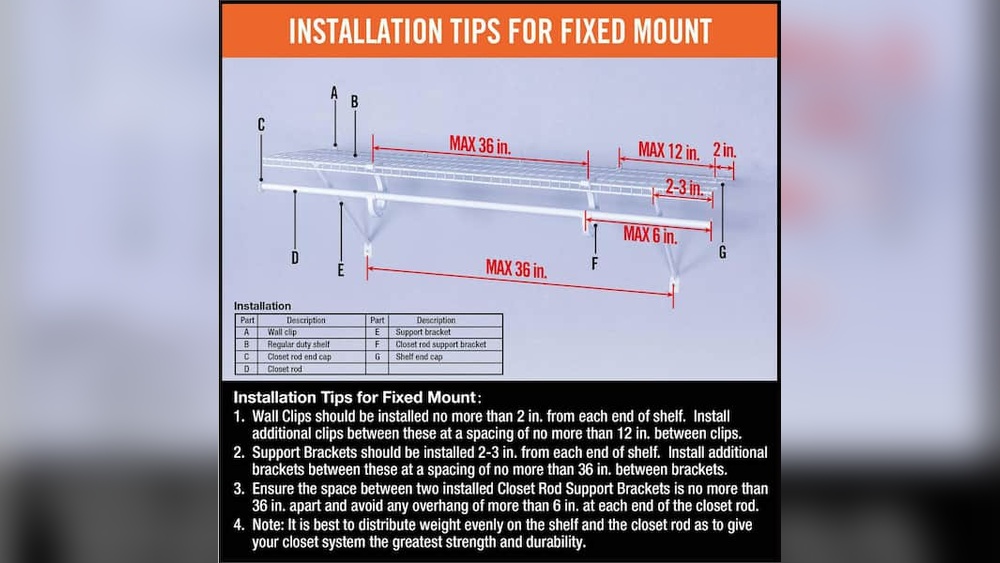
For most shelves, place brackets about 16 to 24 inches apart. This distance suits shelves holding everyday items like books and decorations. Keep brackets closer for longer shelves to avoid sagging. Use wall studs for bracket placement to ensure strong support.
Spacing For Heavy Loads
Shelves carrying heavy items need brackets placed closer together. Aim for 12 to 16 inches between brackets. This spacing helps support weight like tools, kitchenware, or heavy books. Use strong brackets and secure them firmly to the wall for safety.
Spacing For Lightweight Shelves
Lightweight shelves, such as floating or small decorative shelves, can have wider bracket spacing. Brackets 24 to 32 inches apart often work well. These shelves hold light items like picture frames or small plants. Ensure brackets match the shelf type for proper balance.

Credit: www.amazon.com
Installation Tips
Installing shelf brackets correctly is key for strong, safe shelves. Proper installation keeps shelves balanced and prevents damage. Follow these simple tips for a secure setup.
Measuring And Marking
Measure the wall space carefully before drilling. Mark the exact spots for brackets with a pencil. Check the distance between brackets matches the shelf length. This ensures good support and avoids sagging.
Using Wall Anchors
Choose wall anchors that fit your wall type and shelf weight. Drill holes for anchors at your marked points. Insert anchors firmly to hold screws tight. Anchors give extra strength and stop brackets from pulling out.
Ensuring Level Shelves
Use a spirit level to check shelf alignment. Adjust bracket positions if shelves tilt. Level shelves look neat and keep items stable. Confirm level before tightening screws fully for best results.
Common Mistakes To Avoid
Choosing the right distance between shelf brackets is key to making shelves strong and safe. Many people make simple mistakes that cause shelves to break or fall. Avoiding these common errors saves time and money. Here are some frequent mistakes and how to prevent them.
Overloading Shelves
Placing too much weight on shelves is a top error. Every shelf has a weight limit. Going beyond this limit causes brackets to bend or break. Spread heavy items evenly. Use more brackets for heavier loads. This keeps shelves steady and safe.
Incorrect Bracket Placement
Brackets placed too far apart reduce shelf support. The longer the shelf, the closer the brackets should be. Brackets too close to the edges can cause tipping. Place brackets evenly under the shelf. Measure carefully before drilling holes. This balances the weight well.
Ignoring Wall Type
Walls vary in strength and material. Drywall alone cannot hold heavy shelves. Use anchors or screws made for your wall type. Check if walls are concrete, brick, or plaster. Choose brackets and fasteners that match. This ensures shelves stay firmly attached.
Customizing Bracket Distance
Customizing the distance between shelf brackets is important for strong, stable shelves. Each shelf and wall can be different. This means the space between brackets should change to fit your needs. Customizing bracket distance keeps shelves safe and looking good.
Adapting For Unique Shelf Designs
Some shelves have unusual shapes or sizes. These need special bracket spacing. Wider shelves need brackets placed farther apart. Thin, long shelves need brackets closer together. Adjusting bracket distance matches the shelf design. It helps hold the shelf firmly in place.
Adjusting For Uneven Walls
Walls are not always flat or straight. Uneven walls can cause shelves to tilt or become loose. Change bracket distance to fit wall bumps or dips. Placing brackets where the wall is strongest gives better support. This keeps shelves level and safe over time.
:max_bytes(150000):strip_icc()/installing-wall-shelves-with-standards-139829-hero-820eb376acea4a5db9c74876dd52955c.jpg)
Credit: www.thespruce.com
Frequently Asked Questions
What Is The Ideal Distance Between Shelf Brackets?
The ideal distance between shelf brackets is typically 16 to 24 inches. This range supports most shelf sizes and weights effectively, preventing sagging and ensuring stability.
How Does Bracket Spacing Affect Shelf Strength?
Proper bracket spacing evenly distributes the shelf load. Closer brackets increase strength, while wider spacing may cause bending or failure under heavy weight.
Can Shelf Bracket Distance Vary By Shelf Material?
Yes, heavier materials like hardwood need closer brackets. Lighter materials like plywood may allow wider spacing without compromising support.
What Tools Help Measure Shelf Bracket Distance Accurately?
Use a tape measure and level for accuracy. Mark bracket positions evenly to ensure balanced support and a straight shelf installation.
Conclusion
Choosing the right distance between shelf brackets keeps shelves strong and steady. Too far apart, and shelves may sag or break. Too close, and you waste space and materials. Most shelves work well with brackets spaced 16 to 24 inches apart.
This spacing balances support with style. Remember, the shelf’s weight and material affect the best bracket distance. Proper placement helps your shelves look neat and hold items safely. Follow these simple tips for shelves that last and look good every day.