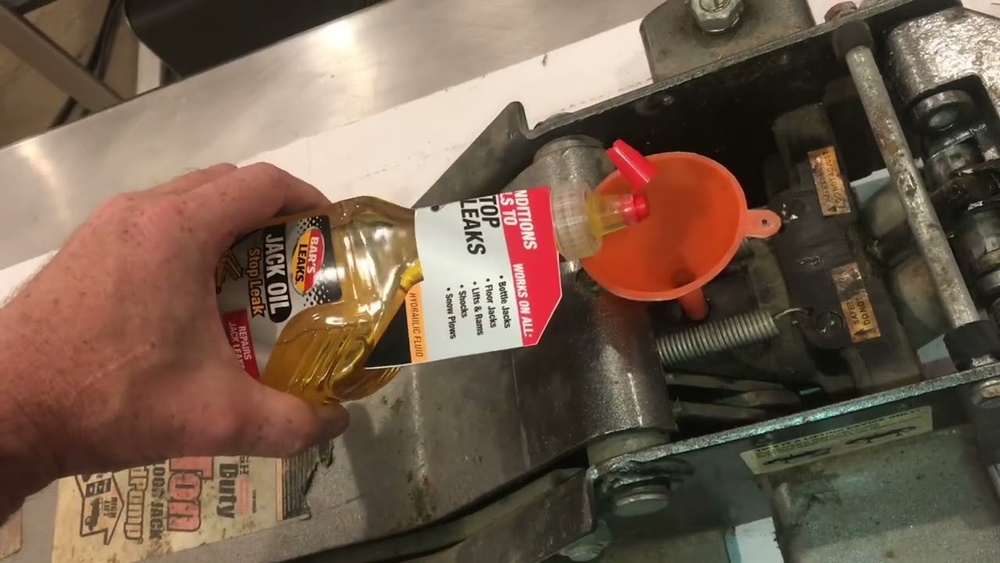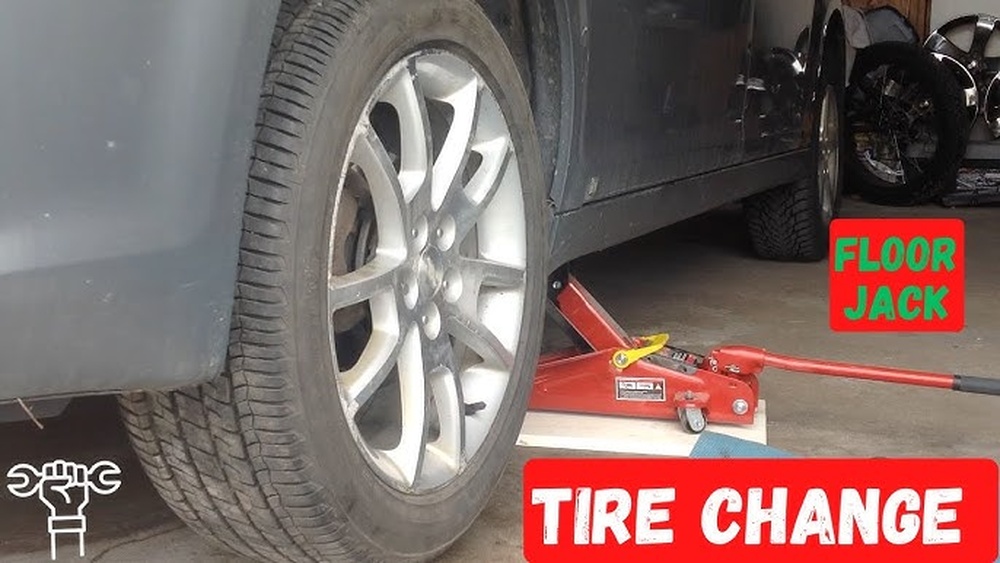
Changing a tire can feel stressful, especially if you’re not sure where to start. But with the right tool—a floor jack—you can lift your car safely and easily.
Imagine handling a flat tire on your own, without waiting for help or expensive roadside service. In this guide, you’ll learn step-by-step how to use a floor jack to change your tire quickly and confidently. By the end, you’ll have the skills to get back on the road fast, saving time and money.
Keep reading, and take control of your car maintenance like a pro.
Choosing The Right Floor Jack
Choosing the right floor jack is key for a safe and easy tire change. The right jack lifts your vehicle steadily without risk. Picking the wrong one can cause damage or accidents. This guide helps you find the perfect floor jack for your needs.
Types Of Floor Jacks
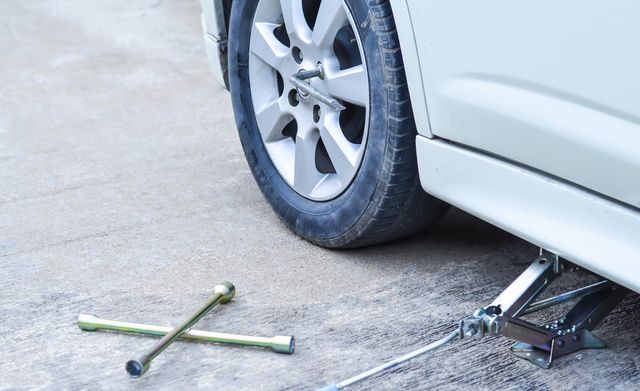
Hydraulic floor jacks are common and easy to use. They lift heavy weights smoothly. Scissor jacks are smaller and cheaper but need more effort. Bottle jacks fit tight spaces but may not work under some cars. Choose the type that fits your vehicle and storage space.
Weight Capacity Considerations
Check the weight your floor jack can lift. It must hold your vehicle’s weight safely. Find your car’s weight in the manual or online. Always pick a jack with a higher capacity than your car. This adds a safety margin during lifting.
Safety Features To Look For
Look for a wide base for better stability. A safety valve stops the jack from overloading. Non-slip saddle pads protect your car and stop slipping. Locking mechanisms keep the jack in place while you work. These features help prevent accidents during tire changes.
Credit: www.caranddriver.com
Preparing Your Vehicle
Preparing your vehicle is the first step in safely changing a tire using a floor jack. Careful preparation helps prevent accidents and makes the process easier. Follow these steps to get your car ready before you start lifting it.
Parking On A Level Surface
Park your car on flat ground. This keeps the vehicle stable during the lift. Avoid hills or uneven areas. A level surface reduces the risk of the car slipping off the jack.
Engaging The Parking Brake
Set the parking brake to lock the wheels. This stops the car from moving unexpectedly. Always engage the brake before lifting the car. It adds an extra layer of safety.
Loosening Lug Nuts Before Lifting
Loosen the lug nuts slightly before raising the vehicle. Do not remove them yet. Turning the nuts while the car is on the ground prevents the wheel from spinning. This step makes removing the nuts easier later.
Positioning The Floor Jack
Positioning the floor jack correctly is key to changing a tire safely. It helps prevent damage to your car and keeps you safe. Take your time to place the jack in the right spot before lifting the car.
Locating Jack Points On Your Car
Most cars have specific spots for a floor jack. These spots are strong enough to hold the car’s weight. Check your owner’s manual for exact jack points. They are usually near the wheels, under the car’s frame.
Look for small notches or reinforced areas. Avoid placing the jack on plastic parts or the car’s body panels. Wrong placement can cause damage or make the car slip off the jack.
Placing The Jack Correctly
Position the jack under the marked jack point. Make sure the jack’s saddle touches the car firmly. The saddle is the part that lifts the vehicle. Align it straight under the jack point to avoid slipping.
Keep the jack handle in a comfortable position. This helps when you pump the jack to lift the car. Check again that the jack is centered and stable before lifting.
Ensuring Stability Before Lifting
Check the ground surface where you place the jack. It should be flat and hard, not soft or uneven. Soft surfaces can cause the jack to sink or tilt.
Set the parking brake on your car. Place wheel chocks or blocks on the wheels that stay on the ground. This stops the car from rolling while you lift it.
Lift the car slowly and watch for any movement. Stop if the jack shifts or the car feels unstable. Adjust the jack or reposition it if needed.

Credit: www.youtube.com
Lifting The Vehicle Safely
Lifting a vehicle safely is the first step in changing a tire. It protects you and your car during the process. Using a floor jack correctly helps avoid accidents and damage. Follow each step carefully for a smooth and secure lift.
Operating The Floor Jack Handle
Start by placing the floor jack handle into its socket. Pump the handle up and down smoothly. This action raises the jack’s lifting arm. Keep pumping until the arm nears the car’s lifting point. Avoid quick or jerky movements to stay safe.
Raising The Car To The Right Height
Lift the car just enough to remove the tire easily. Stop when the tire is a few inches off the ground. Check that the car is stable on the jack. Do not lift higher than needed. This reduces risk and keeps the car steady.
Using Jack Stands For Extra Support
Never rely only on the floor jack to hold the car. Place jack stands under the car frame near the jack. Lower the car slowly onto the stands. Make sure the stands are secure and level. This extra support protects you while changing the tire.
Removing And Replacing The Tire
Removing and replacing a tire is an essential skill for every driver. It ensures safety and saves time during a flat tire emergency. Using a floor jack makes the process easier and safer. Follow these steps carefully to remove the flat tire and mount the spare.
Removing Lug Nuts Completely
After loosening the lug nuts, remove them one by one. Turn each nut counterclockwise until it comes off. Keep the lug nuts in a safe place. This prevents losing them during the tire change.
Taking Off The Flat Tire
Grasp the tire firmly and pull it straight off the wheel hub. Avoid tilting it to prevent damage. Set the flat tire aside on a flat surface. Make sure the wheel hub is clean and ready for the spare.
Mounting The Spare Tire
Lift the spare tire and align it with the wheel studs. Push it gently onto the hub. Ensure the tire sits flush against the wheel assembly. This helps avoid wobbling when driving.
Hand-tightening Lug Nuts
Place each lug nut back on the studs by hand. Turn them clockwise to tighten lightly. Do not use tools yet; hand-tightening prevents cross-threading. Once all nuts are in place, tighten them fully after lowering the car.
Lowering The Vehicle
Lowering the vehicle is a critical step after changing a tire. It ensures the car sits safely back on the ground. This step must be done carefully to avoid damage or injury. Follow these simple instructions to lower your vehicle smoothly and safely.
Slowly Lowering The Jack
Turn the jack handle slowly to lower the car. Do this step with steady, gentle movements. Lower the vehicle until the tire touches the ground. Stop lowering when the car feels stable and secure.
Removing The Jack From Under The Car
Once the vehicle rests on the ground, remove the jack carefully. Pull the jack straight out from under the car. Do not tilt or force it out to avoid damage. Keep the jack in a safe place for later use.
Tightening Lug Nuts Fully
Use a wrench to tighten the lug nuts completely. Tighten nuts in a crisscross pattern for even pressure. Make sure each nut is snug and secure. This step prevents the tire from wobbling while driving.
Post-tire Change Checks
After changing a tire using a floor jack, some important steps follow. These checks keep you safe and your vehicle in good shape. Simple actions can prevent problems on the road. Pay attention to these tasks before driving away.
Checking Tire Pressure
Check the tire pressure with a reliable gauge. Inflate the tire to the recommended level found in your car manual. Proper pressure helps the tire last longer and improves fuel efficiency. Too low or too high pressure can cause poor handling or damage.
Storing Tools And Jack Properly
Put the floor jack back in its storage place securely. Store all tools used during the tire change in your car’s tool kit. Keeping everything organized saves time next time you need them. Loose tools can cause noise or damage inside the vehicle.
Test Driving Safely
Drive slowly and carefully after the tire change. Listen for unusual sounds and feel the car’s handling. Stop and check the tire again if anything feels wrong. This short test ensures the tire is fixed well and safe for longer drives.

Credit: www.amazon.com
Frequently Asked Questions
How Do I Safely Position A Floor Jack To Change A Tire?
Place the floor jack under the vehicle’s designated lift point near the tire. Ensure the jack is stable and on a flat surface before lifting. Proper positioning prevents damage and keeps you safe during tire change.
What Steps Should I Follow To Lift A Car With A Floor Jack?
First, engage the parking brake and place wheel chocks. Position the jack at the lift point. Pump the handle to raise the car until the tire is off the ground. Always lift slowly and steadily.
Can I Use A Floor Jack On Any Vehicle For Tire Changes?
Most floor jacks work on cars, SUVs, and light trucks. Check your jack’s weight capacity and the vehicle’s manual for lift points. Using the right jack ensures safety and effectiveness during tire changes.
How Do I Lower The Car Safely After Changing A Tire?
Turn the jack’s release valve slowly to lower the vehicle gently. Remove the jack when the tire is fully on the ground. Lowering carefully prevents sudden drops and damage.
Conclusion
Using a floor jack to change a tire is simple and safe. Always place the jack on a flat surface. Lift the car slowly and steady. Remove the old tire carefully. Put the new tire on and tighten the bolts well.
Lower the car gently and check the tire pressure. Practice these steps to feel confident. A little care makes a big difference. Stay safe and keep your car ready.