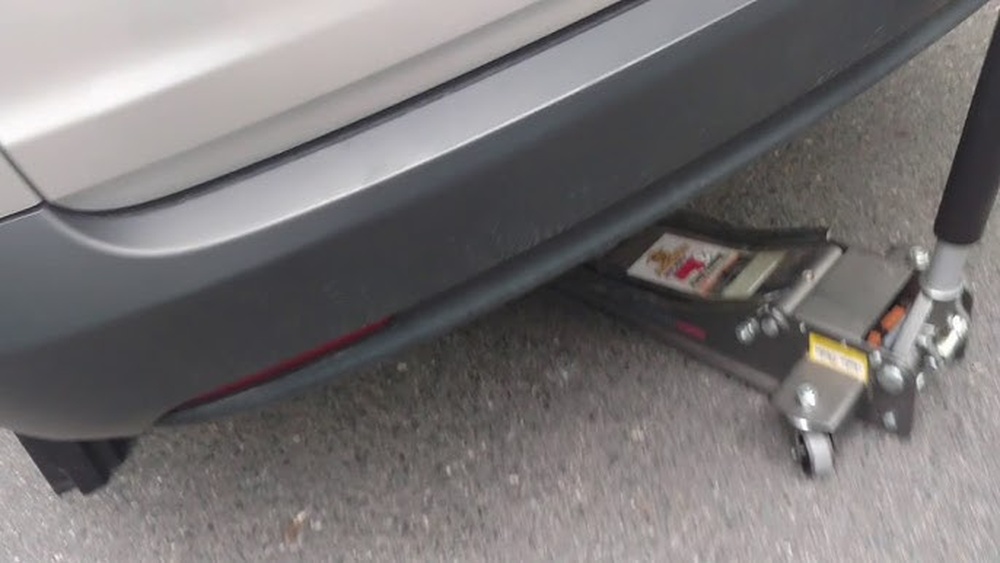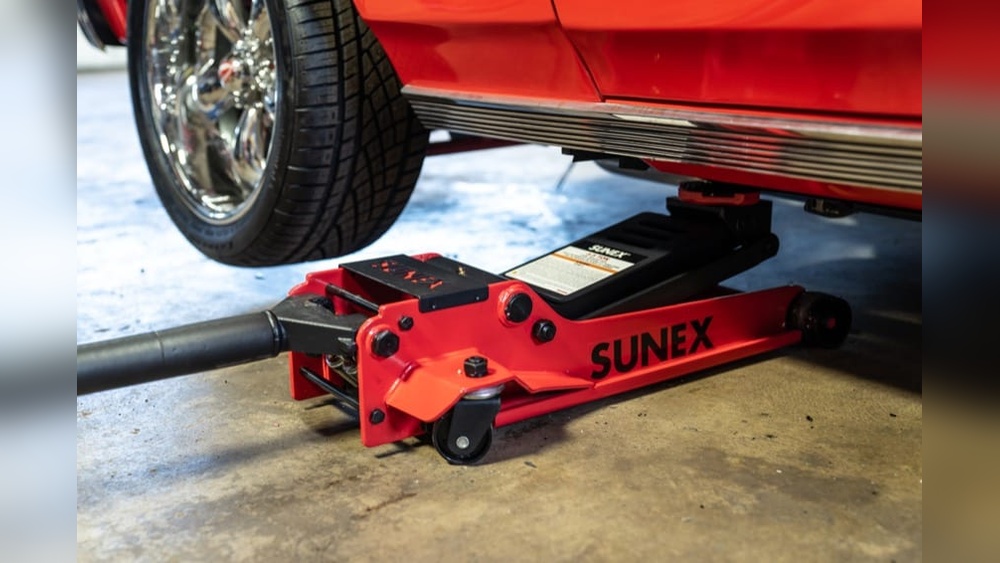
Lifting your car with a floor jack might seem simple, but one wrong move can lead to serious injury or damage. If you want to protect yourself and your vehicle, knowing how to use a floor jack safely is a must.
You’ll discover clear, step-by-step tips that anyone can follow. Whether you’re changing a tire or working under your car, mastering these safety basics will give you confidence and keep you secure. Keep reading—you don’t want to miss these crucial safety secrets.
Credit: www.hagerty.com
Choosing The Right Floor Jack
Choosing the right floor jack is very important for safety and ease of use. A proper floor jack supports your vehicle firmly. It also makes lifting easier and safer. Knowing the types, weight capacity, and materials helps you pick the best jack.
Types Of Floor Jacks
There are several types of floor jacks. The most common are hydraulic and scissor jacks. Hydraulic jacks use fluid pressure to lift heavy loads easily. Scissor jacks are smaller and lighter but need more effort. Choose a type based on the vehicle and work you plan to do.
Weight Capacity Considerations
Every floor jack has a weight limit. This limit shows the heaviest load it can lift safely. Always pick a jack with a capacity higher than your vehicle’s weight. Using a jack with too low capacity is dangerous. It can fail and cause accidents.
Material And Build Quality
Strong materials make a floor jack safer and last longer. Steel jacks are heavy but very durable. Aluminum jacks are lighter and easier to move. Check the welding and joints for good build quality. A well-built jack will hold steady and work smoothly.
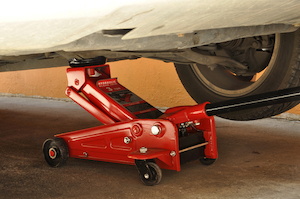
Credit: tameson.com
Preparing Your Vehicle
Preparing your vehicle is the first step to use a floor jack safely. It stops your car from moving and keeps you safe. Take time to set everything right before lifting your vehicle.
Parking On A Flat Surface
Always park your car on a flat surface. Avoid slopes or uneven ground. A flat surface keeps the vehicle steady. It prevents the jack from slipping or tipping over. Check the ground before parking.
Engaging The Parking Brake
Set the parking brake firmly. This stops the vehicle from rolling. Make sure the brake holds tight. Test it by gently trying to move the car. If it rolls, tighten the brake again.
Using Wheel Chocks
Place wheel chocks against the tires. Use them on the wheels that stay on the ground. Chocks block the wheels from moving. They add extra safety while lifting. Always use chocks before you start jacking up.
Setting Up The Floor Jack
Setting up the floor jack correctly is the first step to safe lifting. This process helps keep the vehicle stable. It prevents accidents and damage. Follow these steps carefully to ensure safety.
Locating The Jack Points
Check your vehicle’s manual for jack points. These are strong spots made for lifting. Avoid soft or rusty areas. Place the jack on these points only. This keeps the car steady and safe.
Positioning The Jack Correctly
Place the jack so its saddle touches the jack point. The jack should be straight and centered. Make sure it does not lean to one side. This stops slipping or tipping over.
Checking Jack Stability
Before lifting, press down on the jack handle slowly. Watch if the jack holds firm. If it moves or slips, reposition it. The ground should be flat and hard. Avoid soft or uneven surfaces for stability.

Credit: shop.advanceautoparts.com
Lifting The Vehicle Safely
Lifting a vehicle safely is the key step when using a floor jack. It keeps you and your car protected. Careful lifting prevents accidents and damage. Follow clear steps to raise the vehicle correctly. This section explains how to do it safely and smoothly.
Operating The Jack Handle
Insert the jack handle firmly into the pump socket. Turn or pump the handle slowly and steadily. Avoid quick or jerky movements. Keep hands and feet clear from moving parts. Control the handle to keep the jack stable.
Raising The Vehicle Slowly
Lift the vehicle at a slow, even pace. Watch the car’s movement closely. Stop lifting if the car shifts or feels unstable. Slow lifting helps spot problems early. It also reduces stress on the jack and vehicle.
Avoiding Common Lifting Mistakes
Never lift a vehicle on soft or uneven ground. Use wheel chocks to stop rolling. Avoid placing the jack in weak or rusty areas. Do not overload the jack beyond its limit. Always double-check the jack placement before lifting.
Securing The Vehicle After Lifting
After lifting a vehicle with a floor jack, securing it properly is very important. The vehicle must stay stable and safe during repairs. A lifted car can shift or fall, causing injuries or damage. Use proper tools and check everything carefully. Never skip safety steps for any job under a vehicle.
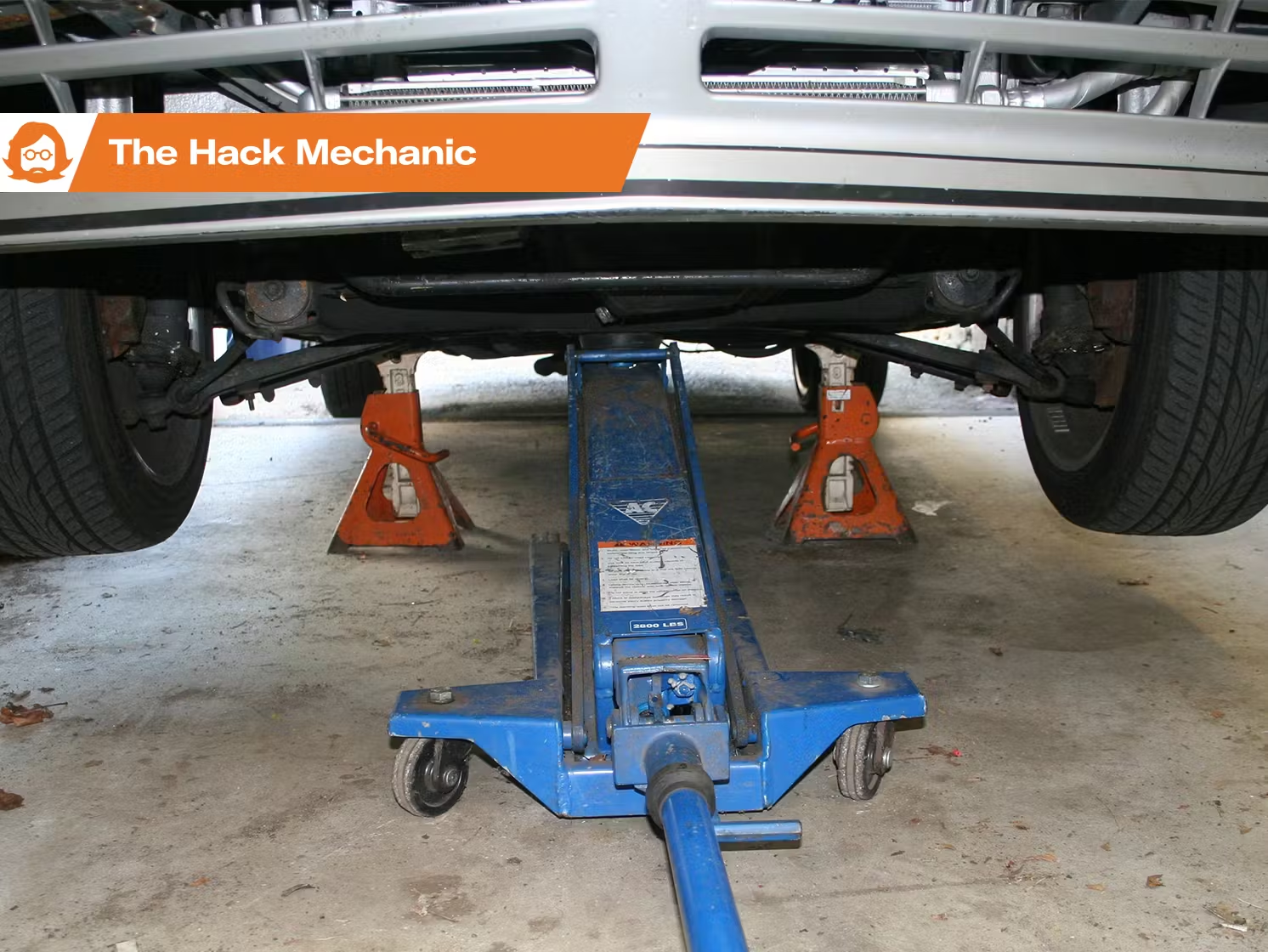
Using Jack Stands
Place jack stands under the vehicle after lifting it. Use stands that fit your car’s weight and size. Position them under strong points like the frame or designated lift spots. Slowly lower the car onto the stands. The stands hold the car securely, reducing risk of falls. Never work under a car supported by a jack alone.
Avoiding Reliance On The Jack Alone
Floor jacks are for lifting, not holding. They can fail or leak, causing sudden drops. Use the jack only to raise the car. Always add jack stands before starting work. Do not trust the jack to keep the vehicle safe. This simple step prevents serious accidents every time.
Double-checking Stability
After setting the jack stands, test the vehicle’s stability. Gently push the car to see if it moves. Check if the stands sit firmly on the ground. Make sure the floor jack is removed or lowered away. Confirm the car does not rock or shift. Safety depends on a stable, steady vehicle before work begins.
Lowering The Vehicle Properly
Lowering the vehicle properly is a critical step after using a floor jack. It ensures your safety and protects your car. Taking time during this phase prevents accidents and damage. Follow each step carefully to lower the vehicle safely.
Removing Jack Stands Safely
Before lowering, remove the jack stands carefully. Make sure the vehicle is stable on the jack alone. Do not rush this step. Stand clear and lift the jack slightly to take weight off the stands. Then, pull the stands away gently. Keep your hands and feet away from the vehicle’s underside.
Lowering The Vehicle Slowly
Turn the jack handle slowly to lower the car. Lowering too fast can cause sudden drops. Watch the vehicle closely as it moves down. Stop if the car wobbles or shifts. Make small adjustments for smooth, steady lowering. Patience here keeps you safe and avoids damage.
Final Safety Checks
Once the vehicle is fully down, remove the jack carefully. Check that the car sits evenly on the ground. Look under the vehicle for any tools or obstructions. Ensure the wheels are stable and the car won’t roll. Double-check the parking brake is set before walking away.
Maintenance And Storage Tips
Proper maintenance and storage of a floor jack help keep it safe and reliable. Regular care extends its life and ensures smooth operation. Neglect can cause damage and unsafe conditions.
Regular Inspection And Cleaning
Check your floor jack before each use. Look for leaks, cracks, or worn parts. Clean dirt and grease from the jack’s surface. Use a cloth and mild cleaner. Avoid harsh chemicals that can damage metal or paint.
Remove any debris from moving parts. This stops jams and keeps the jack working smoothly. A clean floor jack is safer and lasts longer.
Lubrication And Repairs
Apply lubricant to all moving parts regularly. Use light machine oil or grease. This reduces friction and wear. Lubricate the wheels, hinges, and pump mechanism.
Fix any damage right away. Replace worn or broken parts. Don’t use a jack that leaks oil or has weak components. Proper repairs keep the jack safe and effective.
Proper Storage Practices
Store the floor jack in a dry, clean place. Avoid damp areas that cause rust. Keep it away from direct sunlight and extreme temperatures.
Lower the jack to its lowest position before storing. This relieves pressure on the hydraulic system. Cover the jack to protect it from dust and dirt.
Good storage habits keep the jack ready for safe use every time.
Common Safety Hazards To Avoid
Using a floor jack can make car maintenance easier and faster. Yet, it carries risks if not handled properly. Knowing common safety hazards helps prevent accidents and damage. Focus on avoiding these frequent mistakes for safe jack use.
Overloading The Jack
Every floor jack has a weight limit. Overloading the jack can cause it to fail suddenly. This may lead to the vehicle falling, causing injury or damage. Always check the vehicle’s weight and use a jack rated for that load.
Using On Uneven Ground
A floor jack works best on flat, solid surfaces. Using it on uneven ground can cause instability. The jack may tip over or slip during lifting. Always find a level spot before jacking up your vehicle to ensure safety.
Ignoring Manufacturer Guidelines
Manufacturers provide specific instructions for safe jack use. Ignoring these can lead to dangerous situations. Follow the user manual for setup, lifting points, and maintenance. Proper use extends jack life and protects users from harm.
Frequently Asked Questions
How Do I Position A Floor Jack Correctly?
Place the floor jack under the vehicle’s designated lifting points. Ensure the jack pad is centered and stable. Check the surface is flat and solid before lifting. Proper positioning prevents damage and ensures safety.
What Safety Gear Should I Wear When Using A Floor Jack?
Wear gloves to protect your hands and safety glasses to shield your eyes. Use steel-toe boots for foot protection. Safety gear minimizes injury risk during jack operation.
How Do I Lower A Vehicle Safely With A Floor Jack?
Slowly turn the release valve to lower the jack gradually. Ensure no one is under the vehicle. Lowering slowly prevents sudden drops and accidents.
Can I Use A Floor Jack On Uneven Ground?
No, using a floor jack on uneven or soft ground is unsafe. Always operate on a flat, solid surface to avoid jack instability and accidents.
Conclusion
Using a floor jack safely protects you and your vehicle. Always check the jack’s condition before use. Place the jack on a flat, strong surface. Lift the vehicle slowly and watch for any slips. Never get under a car supported only by a jack.
Use jack stands for extra safety and support. Follow these steps every time you work. Safety comes first. Stay careful, stay safe.