Have you ever walked into a dark room and watched the lights turn on all by themselves? That’s the magic of motion sensor light switches.
But how exactly do they work? Understanding this simple yet smart technology can help you save energy, boost your home’s convenience, and add a touch of modern comfort to your daily life. Keep reading, and you’ll discover how these switches detect your presence and light up your space without you lifting a finger.
It’s easier than you think—and you’ll want to know how to make the most of it.
Basics Of Motion Sensor Switches
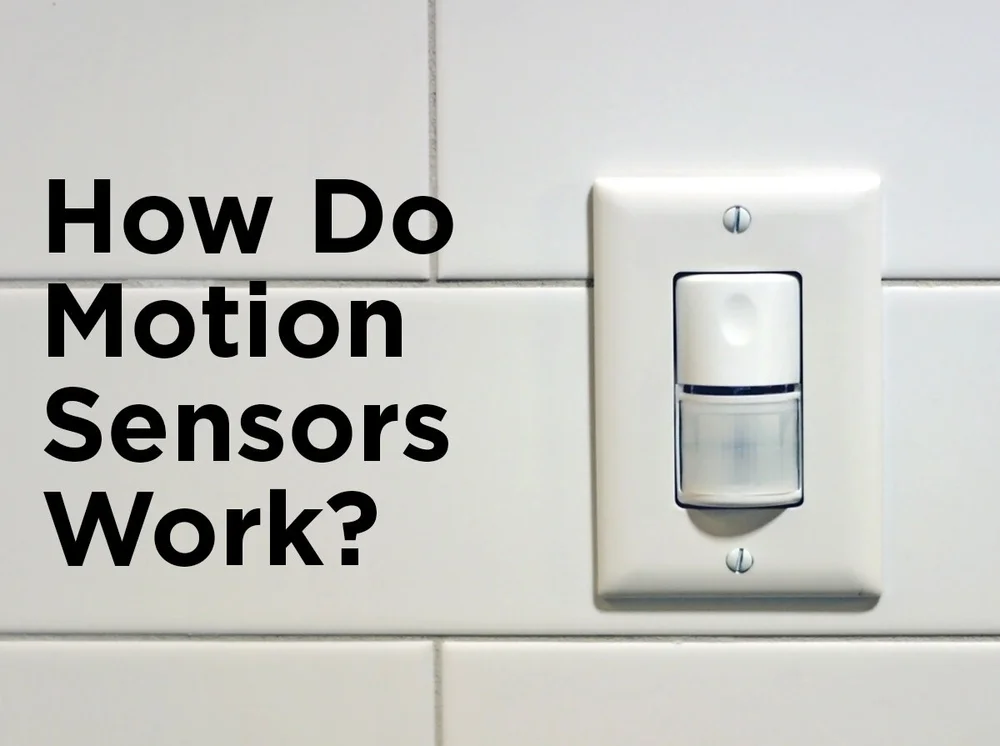
Motion sensor light switches turn lights on and off automatically. They sense movement in a room or area. This makes them useful for saving energy and adding convenience. Understanding how these switches work helps you choose the right one.
These switches use sensors to detect motion. They then send signals to control the light. Different types of sensors and methods make this possible.
Types Of Motion Sensors
There are mainly two types of motion sensors used in light switches. Passive Infrared (PIR) sensors detect body heat. Microwave sensors send out waves and measure reflections. Each type works well in different settings.
Core Components
A motion sensor switch has three main parts. The sensor detects movement. The control unit processes the signal. The switch turns the light on or off. These parts work together to manage lighting efficiently.
Detection Methods
Motion sensors detect movement by sensing heat or waves. PIR sensors pick up infrared energy from people. Microwave sensors emit waves that bounce back when moving objects are near. These methods help the switch know when to act.
Credit: blog.1000bulbs.com
How Motion Sensors Detect Movement
Motion sensor light switches turn on lights by detecting movement. They use special sensors to spot changes in their surroundings. These sensors sense motion using different technologies. Each technology has its own way to detect movement accurately and quickly.
Infrared Sensing Technology
Infrared sensors detect heat from bodies. They sense the infrared light that humans and animals give off. When a warm object moves, the sensor notices the change in heat. This triggers the light switch to turn on the light. Infrared sensors work best in small to medium rooms.
Ultrasonic Sensing
Ultrasonic sensors use sound waves that humans cannot hear. They send out high-frequency sound waves and listen for echoes. If something moves, the echo changes. The sensor detects this change and activates the light. Ultrasonic sensors cover wide areas and can sense motion around corners.
Microwave Sensing
Microwave sensors send out microwave signals. These waves bounce off objects and return to the sensor. Moving objects change the frequency of the returned waves. The sensor picks up on this change and switches on the light. Microwave sensors work well through thin walls and glass.
Working Mechanism Of Light Switches
Motion sensor light switches turn lights on and off automatically. They detect movement in a room or area. This helps save energy and adds convenience. The main parts inside the switch work together to sense motion and control the light.
The sensor uses technology like infrared or microwave signals. It watches for changes in heat or movement. When it spots activity, it sends a signal to the switch. The switch then powers the light on.
Triggering The Light
The sensor detects motion by sensing heat or movement. It sends a signal to the switch circuit. The circuit activates the light instantly. The light stays on as long as motion is detected. Once no movement is found, the light will turn off after a set time.
Adjusting Sensitivity
Sensitivity controls how much movement the sensor needs to trigger. You can set it higher or lower. Higher sensitivity means the light responds to small movements. Lower sensitivity ignores minor motions. This helps avoid false triggers from pets or outside activity.
Timer Settings
The timer controls how long the light stays on. It starts counting when motion stops. You can set the timer to seconds or minutes. This saves energy by turning off lights quickly. It also keeps lights on longer if needed, for safety or comfort.
Installation Tips
Installing motion sensor light switches can boost your home’s energy efficiency. Proper installation ensures they work correctly and last long. Follow these tips to avoid common problems and enjoy hassle-free lighting.
Choosing The Right Location
Select a spot where the sensor detects movement easily. Avoid placing it near heat sources or vents. These can cause false triggers. Place the sensor at a height between 6 to 8 feet for best coverage. Make sure the sensor faces the area you want to light.
Wiring Basics
Turn off the power before starting any wiring. Identify the load, line, and neutral wires in your switch box. Connect the sensor wires according to the manual. Use wire nuts to secure connections tightly. Double-check each connection before restoring power.
Common Installation Mistakes
Do not skip turning off the power. Connecting wires incorrectly can damage the switch. Avoid placing the sensor where it faces direct sunlight. Do not install near objects that move often, like curtains. Test the sensor after installation to ensure it works properly.
Benefits Of Motion Sensor Light Switches
Motion sensor light switches offer many benefits that improve daily life. These switches turn lights on only when needed. This saves energy and adds comfort. They also boost safety around the home.
Energy Efficiency
Motion sensor switches reduce wasted electricity. Lights turn off automatically when no one is in the room. This cuts down on high energy bills. Homes use less power without any effort from people. It is a simple way to save energy every day.
Enhanced Security
These switches add an extra layer of safety. Lights switch on when movement is detected. This can scare away intruders at night. It also helps people see clearly when walking outside. Motion sensor lights make homes safer and more secure.
Convenience
Motion sensor switches offer great ease of use. No need to find light switches in the dark. Lights turn on automatically as you enter. This makes moving around safer and easier. They are perfect for busy places like hallways and bathrooms.

Credit: blog.1000bulbs.com
Troubleshooting Common Issues
Troubleshooting common issues with motion sensor light switches helps keep them working well. These switches use sensors to detect movement and turn lights on or off. Sometimes, problems occur that stop the switch from working correctly. Understanding these issues makes fixing easier and faster.
False Triggers
False triggers happen when the light turns on without real movement. This can happen due to heat from appliances or sunlight shining on the sensor. Moving curtains or small animals can also cause false triggers. Check for objects near the sensor that might move or reflect heat. Adjusting the sensor’s sensitivity can reduce false triggers.
Sensor Not Detecting
Sometimes the sensor does not detect motion at all. Dust, dirt, or spider webs on the sensor block its view. Clean the sensor gently with a soft cloth. Make sure the sensor points to the area where people move. Avoid placing it too high or behind furniture. Test the sensor by walking in front of it to confirm it works.
Light Staying On
The light may stay on longer than needed or never turn off. This can be caused by a wrong time delay setting. Adjust the time delay to a shorter period. Another cause is a wiring problem or a faulty switch. Check the wiring carefully or replace the switch if needed. Proper settings and wiring ensure the light turns off correctly.
Future Trends In Motion Sensor Technology
Motion sensor technology is evolving rapidly. It is becoming smarter, more efficient, and easier to use. These changes will improve how we control lighting and save energy. The future holds exciting innovations that will enhance everyday living spaces.
Smart Home Integration
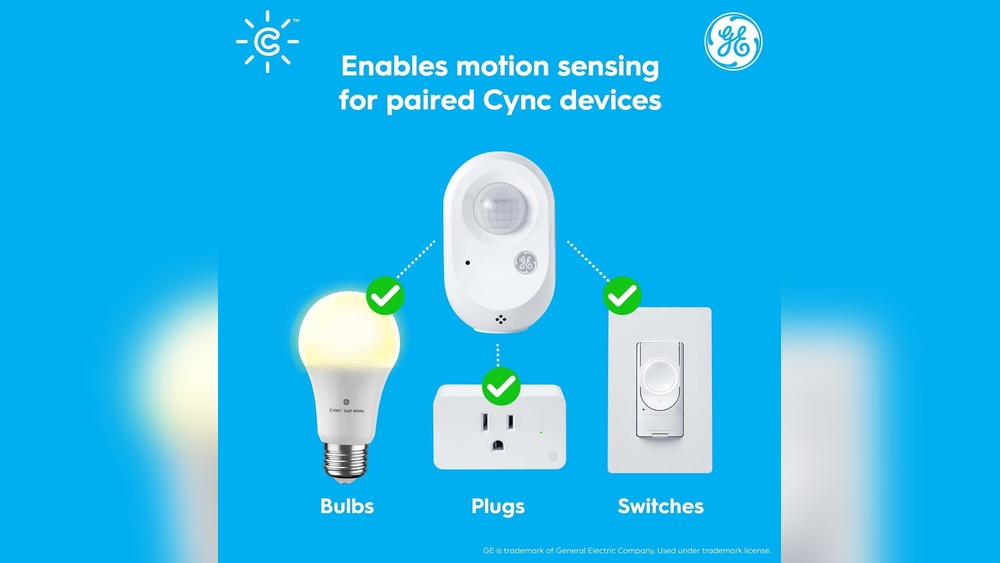
Motion sensor light switches will connect seamlessly with smart home systems. They will communicate with other devices like thermostats and security cameras. This allows for better automation and control. Users can customize settings through apps or voice commands. It makes managing home lighting simpler and more flexible.
Advanced Detection Features
New sensors will detect motion more accurately. They will recognize different types of movement and body heat. This reduces false triggers from pets or objects. Some sensors will adjust sensitivity based on time of day or room use. This makes lighting more responsive and reliable.
Energy Saving Innovations
Future motion sensor switches will focus on saving more energy. They will use low-power technology to run efficiently. Sensors will turn off lights faster when rooms are empty. Some systems will learn user habits to optimize lighting schedules. These improvements help reduce electricity bills and environmental impact.

Credit: www.youtube.com
Frequently Asked Questions
How Do Motion Sensor Light Switches Detect Movement?
Motion sensor light switches use infrared or ultrasonic sensors to detect body heat or motion. When movement is sensed, they trigger the light to turn on automatically. This technology helps save energy by activating lights only when needed.
Can Motion Sensor Switches Save Energy Effectively?
Yes, motion sensor switches reduce energy waste by turning off lights in empty rooms. They operate only when movement is detected, cutting down unnecessary electricity use. This makes them an eco-friendly and cost-saving lighting option for homes and offices.
Are Motion Sensor Light Switches Easy To Install?
Most motion sensor light switches can be installed like regular switches. Basic electrical knowledge or professional help may be needed. They fit standard switch boxes and require wiring to the power source and light fixture.
What Types Of Sensors Are Used In These Switches?
Common sensors include Passive Infrared (PIR) and ultrasonic sensors. PIR sensors detect body heat, while ultrasonic sensors emit sound waves to sense movement. Some switches combine both for higher accuracy and fewer false triggers.
Conclusion
Motion sensor light switches detect movement to control lighting automatically. They save energy by turning lights off when no one is around. These switches use sensors like infrared or ultrasonic waves to sense motion. Installation is simple and helps improve home safety and convenience.
Understanding how they work helps you choose the right switch. They offer smart lighting without complicated setups. A small change that makes daily life easier and more efficient.