Have you ever wondered how easy it is to change a light switch yourself? You might think it’s a job for an electrician, but the truth is, with a little guidance, you can do it safely and quickly.
Imagine saving time and money by handling this simple task on your own. You’ll discover step-by-step instructions that anyone can follow, even if you have no experience. Ready to take control of your home repairs and feel proud of your handiwork?
Keep reading, because changing a light switch is easier than you think.
/how-to-replace-a-light-switch-1824670_hero_40432-43add2624f6c4522a4ee50bb24ece2be.jpg)
Credit: www.thespruce.com
Tools Needed
Changing a light switch requires a few basic tools. Having the right tools makes the job easier and safer. These tools help you remove the old switch and install the new one correctly. You do not need many tools, but each one plays an important role.
Essential Tools
A flathead screwdriver is key for prying off the switch plate. A Phillips screwdriver helps remove screws holding the switch. Wire strippers are useful to prepare wires if needed. A voltage tester checks if the power is off before you start. Needle-nose pliers help bend and hold wires during installation.
Safety Gear
Safety is important when working with electricity. Wear insulated gloves to protect against electric shock. Safety goggles protect your eyes from dust and sparks. Use a flashlight if the area is dark after turning off the power. Rubber-soled shoes add extra safety by reducing the risk of electric shock.

Credit: www.youtube.com
Types Of Light Switches
Light switches come in different types. Each type has its own way to control lighting. Knowing the types helps you choose the right switch for your needs.
Toggle Switches
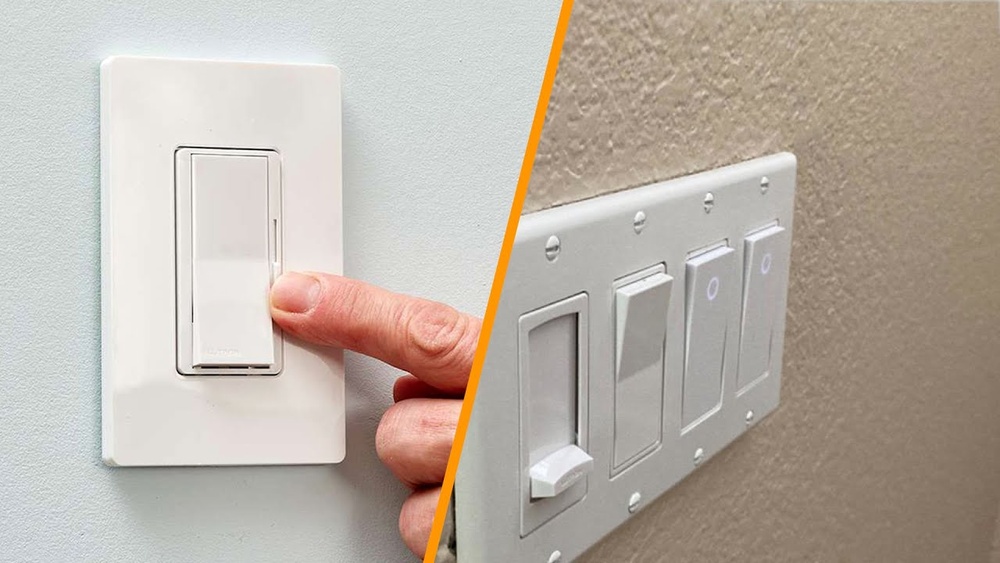
Toggle switches are the most common type found in homes. They have a simple lever that moves up or down. Up usually means the light is on, and down means off. These switches are easy to install and replace. They work well for basic on-off control.
Dimmer Switches
Dimmer switches let you change the brightness of a light. You can make the room brighter or softer. This switch uses a dial or slider to adjust light levels. Dimmers save energy by lowering light power. They add comfort and style to any space.
Smart Switches
Smart switches connect to your phone or voice assistant. You can control lights without touching the switch. They offer features like scheduling and remote control. Installation can be simple but may need some tech setup. Smart switches bring convenience and modern control to your home.
Preparing For The Job
Preparing to change a light switch involves a few simple but important steps. These steps keep you safe and make the job easier. Understanding how to prepare well saves time and prevents accidents. Safety is the top priority before handling any electrical work.
Turning Off Power
Start by turning off the power to the switch you want to change. Find the correct circuit breaker in your electrical panel. Flip the switch to the “off” position. This stops electricity from flowing to the switch.
Double-check that you turned off the right breaker. This step is critical to avoid electric shock. Always assume wires are live until you confirm power is off.
Testing For Electricity
Use a voltage tester or a multimeter to check for electricity. Touch the tester to the wires inside the switch box. The tester will show if current is still present.
Never skip this step. It confirms the power is really off. Testing ensures your safety before touching any wires. If the tester shows power, do not proceed. Turn off the breaker again and test once more.
Removing The Old Switch
Removing the old light switch is the first step to installing a new one. It is a simple process if you follow the right steps carefully. Make sure the power is off before you start to avoid any shocks.
Unscrewing The Cover Plate
The cover plate hides the switch and screws hold it in place. Use a screwdriver to remove these screws. Keep them safe for later use. Gently pull off the cover plate to expose the switch.
Disconnecting Wires
Next, unscrew the switch from the electrical box. Carefully pull the switch forward to see the wires. Note how the wires connect to the switch. Loosen the screws and disconnect each wire. Avoid pulling on the wires themselves.
Installing The New Switch
Installing the new switch is the next step after removing the old one. This part is simple but needs care. Connecting wires properly and securing the switch are key to a safe, working light switch.
Connecting Wires Correctly
First, match each wire to the right terminal on the switch. Usually, black wires go to brass screws. White wires connect to silver screws. Ground wires attach to the green screw. Tighten screws firmly to hold wires in place. Loose wires can cause problems or shocks. Double-check each wire before moving on.
Securing The Switch
Push the switch gently back into the electrical box. Make sure no wires are pinched or bent sharply. Align the switch so it fits flush with the wall. Use the mounting screws to fix it tightly. A loose switch feels unsafe and can move when used. Attach the cover plate last to finish the job.
Testing The New Switch
Testing the new switch is a key step after installation. It makes sure the switch works safely and correctly. This step involves restoring power and checking the switch’s function. Taking time here avoids future problems and keeps your home safe.
Restoring Power
First, restore power to the switch. Go to your circuit breaker and turn the switch back on. Be careful during this step. Make sure no tools or wires touch anything else. Power should flow to the new switch now. This step is simple but important for safety.
Checking Functionality
Next, test if the switch works well. Flip the switch up and down slowly. Watch the light or device it controls. It should turn on and off without flickering. Listen for any strange sounds. If the switch feels loose or doesn’t work, check your connections. Fix any issues before you finish. Proper testing means your switch is ready to use.
Common Mistakes To Avoid
Changing a light switch may seem simple. Many try it themselves to save money. Yet, mistakes can cause safety issues or damage. Avoiding common errors keeps the job safe and smooth.
Understanding these mistakes helps prevent problems. It also makes the task easier and faster. Read on to learn what to watch out for.
Turning Off Power Without Checking
Always switch off power at the breaker box. Do not trust the wall switch alone. Use a voltage tester to confirm no electricity flows. Skipping this step risks electric shock.
Mixing Up Wires
Wires look similar but have different jobs. Label wires before removing the old switch. Connect each wire to the correct terminal. Wrong connections can cause the switch to fail.
Using The Wrong Tools
Use insulated screwdrivers and pliers. Avoid tools that can slip or cause shorts. Proper tools make the work safer and easier.
Not Securing The Switch Properly
Loose switches can cause sparks or flickering lights. Tighten screws firmly but do not overtighten. The switch should sit flush against the wall plate.
Ignoring Local Electrical Codes
Follow local rules for electrical work. Some areas require permits or professional help. Ignoring codes can lead to fines or unsafe wiring.
:max_bytes(150000):strip_icc()/how-to-replace-a-light-switch-1824670_07_newswitch_40431-69f2872f4a734dc89e3c2bed8711fc69.jpg)
Credit: www.thespruce.com
When To Call A Professional
Changing a light switch can be simple, but some situations need expert help. Knowing when to call a professional keeps you safe and avoids damage. Electrical work can be risky without proper knowledge and tools. Here are clear signs you should hire a pro for your light switch issues.
Signs Of Electrical Problems
Flickering lights or buzzing sounds mean a possible wiring issue. Sparks or burning smells near the switch are dangerous. These signs suggest serious electrical faults. Avoid fixing these yourself to prevent shocks or fires.
Complex Wiring Systems
Old homes may have outdated or complicated wiring setups. Multi-way switches or dimmer switches require special skills. Handling these needs experience to ensure proper connections. Incorrect wiring can cause switch failure or hazards.
Damage To Switch Or Wall Box
Cracked switches or broken wall boxes need more than a simple swap. Damaged parts may expose live wires. A professional can safely replace or repair these components. This prevents accidental contact with electricity.
Uncertain About Electrical Safety
Feeling unsure or nervous about handling wires is normal. Professionals have training and tools to work safely. They follow strict safety codes and standards. Calling an expert avoids accidents and gives peace of mind.
Frequently Asked Questions
How Difficult Is It To Replace A Light Switch?
Replacing a light switch is generally easy for beginners. It requires basic tools and safety precautions. Turning off the power is essential before starting. Following simple steps, most can complete the task within 20-30 minutes safely.
What Tools Do I Need To Change A Light Switch?
You need a screwdriver, voltage tester, wire stripper, and electrical tape. These tools help safely remove and connect wires. Having these ready ensures a smooth and secure switch replacement process.
Is It Safe To Change A Light Switch Myself?
Yes, it is safe if you turn off the power first. Use a voltage tester to confirm no electricity flows. Follow step-by-step instructions carefully and avoid working in wet conditions.
How Much Time Does Changing A Light Switch Take?
Changing a light switch usually takes 20 to 30 minutes. This includes shutting off power, removing the old switch, wiring the new one, and testing. Experience can reduce the time needed.
Conclusion
Changing a light switch is not as hard as it seems. With basic tools and care, many can do it themselves. Always remember to turn off the power first. Follow steps slowly and double-check your work. Safety comes first. This simple task can save time and money.
Try it out and gain confidence. Small projects like this build skills for bigger ones later. Give it a go and see how easy it can be.