Have you ever noticed a sleek light switch on the wall without any visible screws? Those are screwless light switches, and they’re not just about looks—they bring a smooth, modern feel to your home.
But how do they actually work? If you’re curious about what makes these switches different and how they can fit into your space, you’re in the right place. Keep reading, and you’ll discover the simple yet clever design behind screwless light switches—and why they might be the perfect upgrade for your home.
Basics Of Screwless Switches
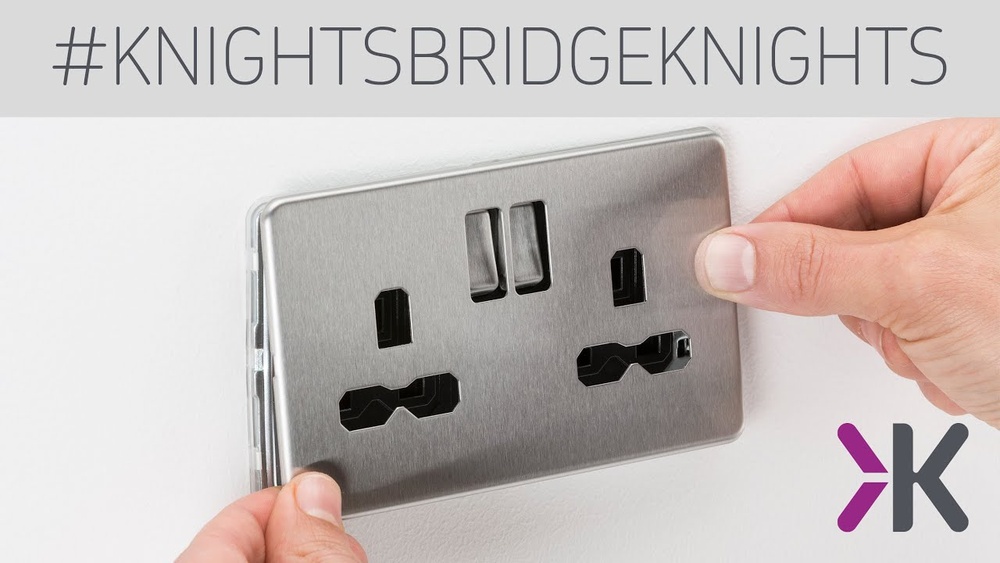
Screwless light switches offer a clean and modern look for any room. They remove the visible screws that traditional switches have. This design makes walls look smooth and neat. Understanding their basics helps you see why many choose them.
Design And Components
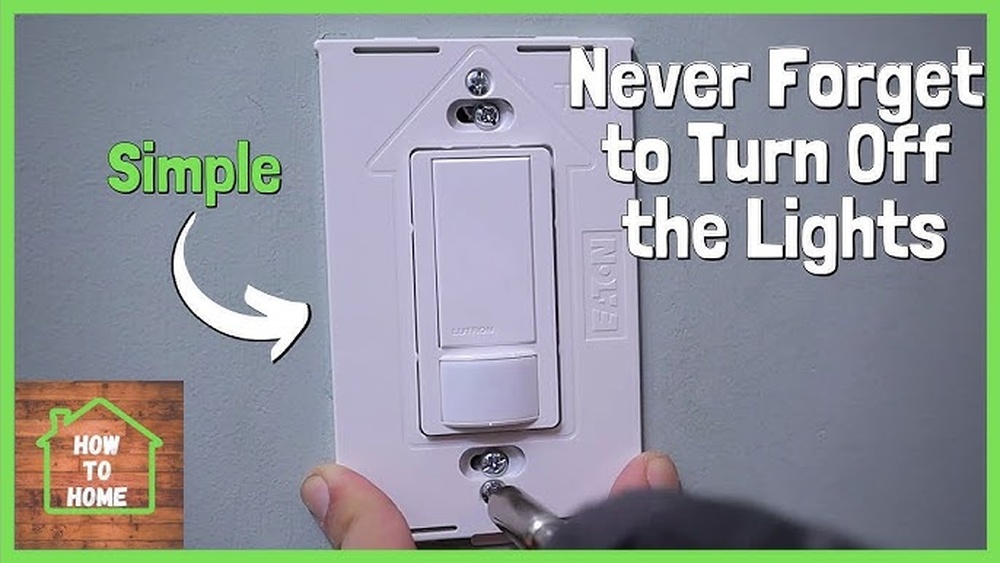
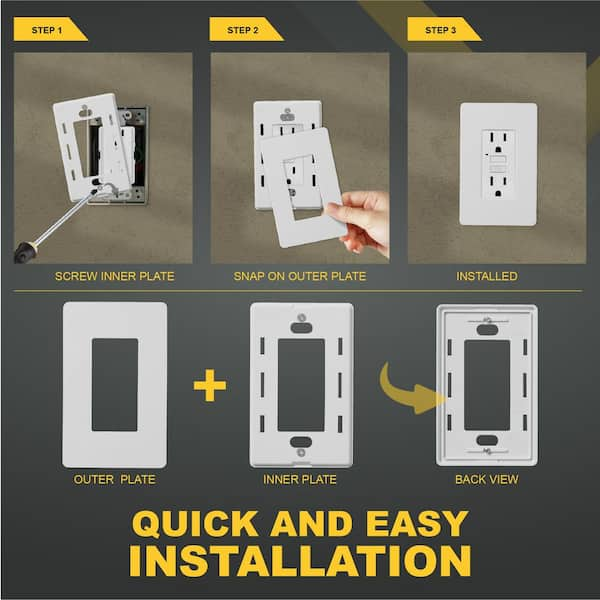
Screwless switches have a simple but smart design. A large plastic faceplate covers the switch. This faceplate snaps into place without screws. Beneath it, the switch mechanism controls the light. The faceplate hides all screws and wiring. This keeps everything safe and tidy.
Difference From Traditional Switches
Traditional switches show screws on the front. These screws hold the faceplate to the wall. Screwless switches use clips to secure the plate instead. This gives a smoother, cleaner surface. Both types work the same way to turn lights on and off. The main change is the look and ease of cleaning.
Installation Process
Installing screwless light switches is straightforward with the right steps. These switches offer a clean look by hiding screws beneath the faceplate. The installation process ensures a secure and safe fit for your home lighting. Understanding the tools, wiring steps, and safety measures makes the task easier and safer.
Tools Required
Gather these tools before starting the installation:
- Voltage tester
- Flathead screwdriver
- Wire stripper
- Needle-nose pliers
- Insulated gloves
- Electric tape
These tools help prepare and connect wires safely and correctly.
Step-by-step Wiring
First, turn off the power at the circuit breaker.
Use the voltage tester to confirm no electricity is flowing.
Remove the old switch by loosening screws and disconnecting wires.
Strip about half an inch of insulation from the wire ends.
Connect the wires to the new switch terminals according to the instructions.
Push wires carefully back into the electrical box.
Attach the screwless faceplate by snapping it into place.
Turn the power back on and test the switch for proper function.
Safety Precautions
Always switch off power before working on electrical devices.
Double-check with a voltage tester to avoid shocks.
Wear insulated gloves to protect your hands.
Handle wires carefully to prevent damage or shorts.
If unsure about any step, consult a professional electrician.
Electrical Mechanism
Screwless light switches work through a simple but effective electrical system. They control the flow of electricity to turn lights on or off. Inside the switch, parts connect or disconnect the electrical current. This action controls the power going to the light fixture.
The design hides screws to give a clean look. Still, the core function stays the same as regular switches. Understanding this helps you see how these modern switches operate.
How The Switch Controls Current
The switch controls the current by opening or closing a path. When the switch is off, the path is open, stopping electricity. When turned on, the path closes, allowing electricity to flow.
This flow powers the light bulb or fixture. The switch acts like a gate for electricity. It either lets the current pass or blocks it.
Internal Contact System
Inside, the switch has metal contacts that touch or separate. These contacts complete or break the electrical circuit. When pressed, they move to connect the wires inside.
The connection lets electricity flow smoothly. When released, the contacts separate to stop the current. This simple mechanism is reliable and safe for everyday use.
Types Of Screwless Switches
Screwless light switches come in different types. Each type offers unique features and styles. Choosing the right one depends on your needs and room design.
These switches provide a clean look by hiding screws and hardware. They fit well in modern homes and offices. Below are the main types you will find.
Toggle And Rocker Variants
Toggle switches use a small lever to turn lights on or off. They are simple and familiar to many people. The screwless design hides the mounting screws for a sleek look.
Rocker switches have a flat, wider surface that rocks back and forth. They are easier to press, especially for children and older adults. The smooth surface helps keep dust away.
Both toggle and rocker variants come in different colors and finishes. They fit most standard electrical boxes and make upgrading easy.
Smart And Touch-activated Models
Smart screwless switches connect to Wi-Fi or Bluetooth. You can control them with a phone app or voice commands. This adds convenience and modern control to your lighting.
Touch-activated switches respond to a light tap or swipe. They do not need physical buttons. The touch surface is easy to clean and looks very modern.
Both smart and touch models often include features like dimming and timers. They help save energy and improve your home’s comfort.
Advantages Over Traditional Switches
Screwless light switches offer several benefits compared to traditional switches. Their design and function improve the user experience in many ways. These switches are not just about looks. They also bring practical advantages that matter in daily use. Let’s explore the main benefits.
Aesthetics And Design
Screwless switches have a clean, sleek appearance. The absence of visible screws creates a smooth, modern look. They fit well in contemporary homes and offices. The flat surface makes cleaning easier. Colors and finishes match various interior styles. These switches blend seamlessly with walls. They provide a neat, polished look that traditional switches lack.
Ease Of Maintenance
Without screws, these switches are simpler to maintain. Dirt and dust do not gather around screw heads. The smooth surface wipes clean quickly. Replacement or repair is faster with snap-on panels. No need for special tools to open the switch. Maintenance takes less time and effort. This convenience saves energy and reduces hassle.
Enhanced Safety Features
Screwless switches reduce the risk of electric shock. The covered edges prevent accidental contact with wiring. They are often made with fire-resistant materials. Tight assembly keeps parts secure inside the switch. Less chance of loose screws causing hazards. Safe to use around children and pets. These switches meet high safety standards for peace of mind.
Credit: www.homedepot.com
Common Issues And Troubleshooting
Screwless light switches offer a clean look but can face issues like any electrical device. Understanding common problems helps keep them working well. Troubleshooting these switches is simple with the right steps. Below are typical problems and how to fix them.
Wiring Problems
Incorrect wiring is a frequent cause of switch failure. Loose or crossed wires stop the switch from working properly. Check if wires are connected firmly to the terminals. Turn off power before inspecting to stay safe. Use a voltage tester to ensure no current is present. Correct wiring restores switch function and prevents hazards.
Switch Malfunctions
Switches may stop working due to internal faults. Dirt, dust, or worn parts can cause malfunctions. A switch that feels loose or fails to click might need replacement. Testing with a multimeter checks continuity and confirms switch status. Replace faulty switches to maintain light control and safety.
Fixing Loose Connections
Loose connections cause flickering or no light at all. Tighten screws or clips holding wires in place. Make sure no wire strands are frayed or exposed. Secure connections improve electrical flow and switch reliability. Regular checks prevent future problems and extend switch life.
Compatibility With Home Wiring
Compatibility with home wiring is key for screwless light switches. These switches must work well with your existing electrical system. Understanding this helps avoid issues during installation. It also ensures safety and proper function.
Integration With Existing Circuits
Screwless light switches fit most standard home wiring setups. They connect to the same wires as traditional switches. This includes live, neutral, and ground wires. The switch design hides the screws under the plate. This does not affect the wiring connections.
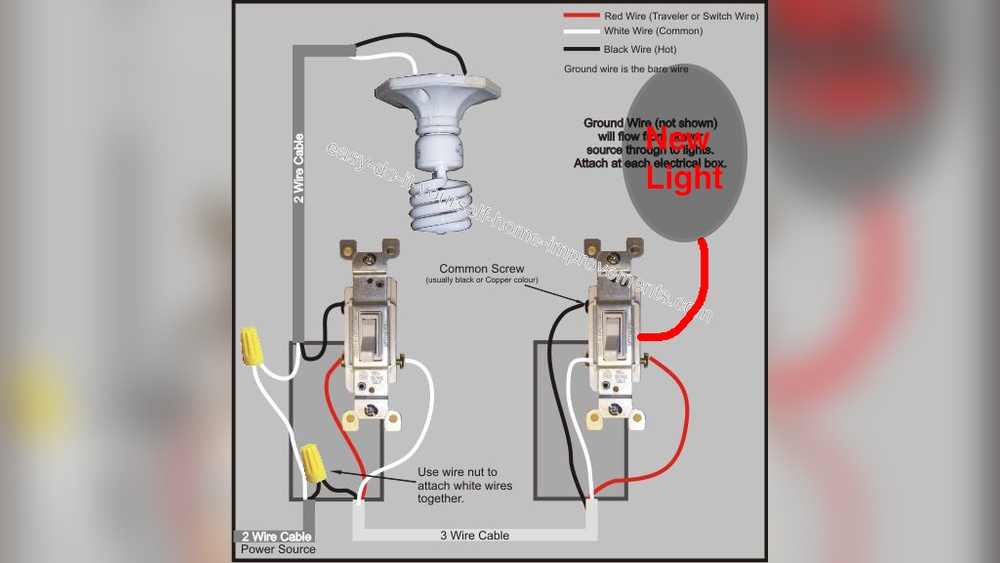
Check your circuit type before installation. Most homes use single-pole or three-way circuits. Screwless switches support these common types. They also work with standard voltage levels. This makes replacement quick and simple.
Considerations For New Installations
For new wiring, plan the switch location carefully. Screwless switches need enough space behind the wall plate. This space holds the switch mechanism without exposed screws. Proper wiring techniques are essential to maintain safety.
Use the correct wire gauge and secure connections tightly. Follow local electrical codes and standards. New installations allow easy integration of screwless switches. This setup keeps your home wiring neat and modern.

Credit: www.youtube.com
Future Trends In Switch Technology
The future of switch technology points to smarter, more efficient designs. Screwless light switches are evolving beyond basic on/off functions. New trends focus on convenience and energy savings. These changes will impact homes and offices alike.
Wireless And Smart Integration
Wireless technology lets switches connect without wires. This feature makes installation easier and neater. Smart integration allows control through phones or voice commands. Users can set timers or adjust lights remotely. These smart switches improve daily comfort and security.
Energy Efficiency Improvements
Future switches will use less power while running. They will include sensors to detect room occupancy. Lights turn off automatically in empty rooms. This helps reduce electricity waste. Improved energy efficiency lowers utility bills and helps the environment.
Credit: www.reddit.com
Frequently Asked Questions
How Do Screwless Light Switches Function Internally?
Screwless light switches use snap-on faceplates that conceal mounting screws. Internally, they operate like traditional switches, connecting or breaking electrical circuits to control lighting.
Are Screwless Light Switches Safer Than Traditional Ones?
Yes, screwless switches reduce exposed edges and loose screws, lowering shock and injury risks. They provide a cleaner, safer surface for everyday use.
Can I Install Screwless Switches Myself?
If you have basic electrical knowledge and follow safety guidelines, you can install screwless switches. Always turn off power before installation and consult instructions carefully.
What Materials Are Screwless Light Switches Made Of?
Screwless switches typically use durable plastic or metal for faceplates. These materials ensure strength, a sleek look, and easy cleaning without visible screws.
Conclusion
Screwless light switches offer a clean and modern look. They work by hiding screws under the switch plate. This design makes installation simple and neat. Many people prefer them for their smooth surface and easy cleaning. Understanding how they function helps you choose the right switch.
These switches combine style with practicality in any room. Try one to see the difference in your home. Simple, safe, and stylish—screwless switches fit well everywhere.