Have you ever wondered if your light switch is at the right height? It might seem like a small detail, but the height of a light switch can make a big difference in your daily comfort and convenience.
Whether you’re building a new home, renovating, or just curious, knowing the proper height can save you from awkward reaching or constant adjustments. You’ll discover the ideal height for light switches and why it matters for you and your home.
Keep reading to make sure your switches are just where they should be.
Standard Switch Heights
Standard switch heights help keep electrical switches easy to reach. They make homes and buildings safer and more comfortable for everyone. Knowing the right height for light switches is important for both new builds and renovations. These guidelines vary between residential and commercial spaces.
Residential Recommendations
In most homes, light switches sit about 48 inches from the floor. This height suits most adults and children over five. It also follows common building codes in many places. The switch should be easy to reach without bending or stretching. This height works well near doors and hallways. It helps people quickly turn lights on or off.
Commercial Building Standards
Commercial buildings often place switches slightly higher. The typical height is around 48 to 52 inches from the floor. This range meets accessibility rules for public buildings. It allows people in wheelchairs to reach the switches. Businesses must follow safety and convenience standards. Placing switches at the right height helps avoid accidents. It also ensures smooth building inspections and approvals.

Credit: www.reddit.com
Factors Influencing Switch Placement
Several factors affect the height and placement of a light switch. Understanding these factors helps create a safe and convenient environment. Placement depends on how people use the space, their needs, and legal rules. Each factor plays a role in deciding the best spot for a switch.
Accessibility Considerations
Switches should be easy for everyone to reach. This includes children, elderly people, and those with disabilities. Placing switches too high or too low can cause problems. The goal is to ensure comfort and safety for all users. Switches near doorways help users find them quickly in the dark.
Room Function And Layout
The type of room impacts switch placement. In kitchens, switches may go near the entrance or counters. Bedrooms often have switches by the door and near the bed. Large rooms might need multiple switches for convenience. Furniture and door swings also affect the best switch location.
Building Codes And Regulations
Local rules often set standards for switch height and placement. These codes ensure safety and accessibility. Typical height ranges from 42 to 48 inches from the floor. Following these rules avoids legal problems and ensures proper function. Checking codes before installation is always important.
Switch Height For Different Users
Switch height varies depending on who uses it most. Different users need different heights for comfort and safety. Setting the right height helps everyone use switches easily. It is important for children, elderly, and disabled people.
Children And Families
Children need switches low enough to reach. This helps them turn lights on and off safely. Families with young kids should place switches around 36 inches from the floor. This height keeps switches accessible without stretching. It also prevents accidents from climbing on furniture.
Elderly And Disabled Accessibility
Elderly and disabled people may have limited movement. Switches should be easy to reach from a wheelchair or sitting position. The ideal height is between 36 and 48 inches from the floor. This range allows smooth access without bending or stretching. Proper switch height improves independence and safety for these users.
Types Of Light Switches And Their Placement
Light switches come in various types, each with unique features and ideal placements. Choosing the right switch affects convenience and room design. Understanding different switch types helps decide the best height and location for installation.
Placement depends on switch style and user needs. Some switches work better at a certain height or spot. Here is a look at common switch types and where they fit best.
Toggle Switches
Toggle switches are the classic on/off type. They have a small lever that flips up or down. These switches usually sit around 48 inches from the floor. This height suits most adults and makes the switch easy to find.
They work well near doorways and hallways. Toggle switches fit tight spaces and simple designs. Their shape allows quick use without looking.
Rocker And Paddle Switches
Rocker and paddle switches are flat and wide. They press on one side to turn on or off. These switches often install at the same height as toggles, about 48 inches.
The large surface area helps people with limited hand strength. They blend well into modern homes. Rocker switches also offer dimming options, enhancing control over lighting.
Smart Switches
Smart switches connect to Wi-Fi for remote control. They look like rocker switches but have extra buttons or touchpads. Placement usually follows the 48-inch rule for easy access.
Smart switches allow control via smartphone or voice. They can be placed anywhere in the home but work best near entrances. This placement combines manual and digital use.
Installation Tips For Proper Height
Installing a light switch at the correct height is important for safety and ease of use. Proper height makes the switch easy to reach for most people. This section covers helpful tips for setting the right height during installation.
Measuring And Marking
First, measure the height from the floor to the desired switch location. The standard height is usually around 48 inches. Mark the wall clearly with a pencil where the switch will go. Double-check the measurement before cutting or drilling.
Tools Needed
You will need a tape measure, pencil, level, and screwdriver. A stud finder helps avoid wiring behind studs. A drywall saw is useful for making precise holes. Gather these tools before starting the job for smooth work.
Common Mistakes To Avoid
Avoid placing the switch too high or too low. This can make it hard to reach. Don’t skip measuring twice; errors can cause trouble later. Avoid cutting too large a hole in the wall. Make sure the switch box is flush with the wall surface.
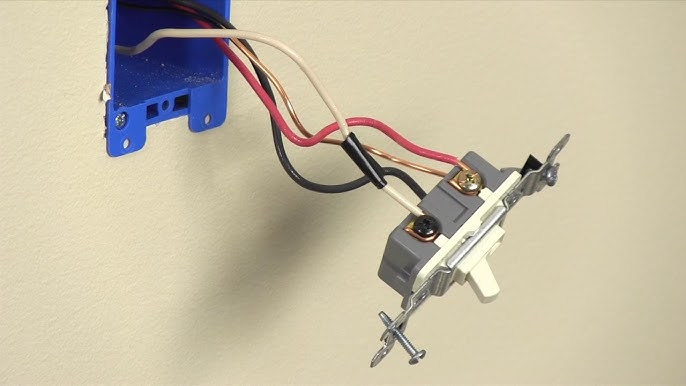
Credit: www.youtube.com
Adjusting Switch Height In Renovations
Adjusting switch height during renovations can improve both comfort and safety. Homeowners often want to change switch positions to suit new layouts or accessibility needs. This task requires careful planning to meet building codes and personal preferences. Small changes can make a big difference in daily use.
Challenges And Solutions
Moving a light switch can be tricky. Walls may have hidden wiring or pipes. Cutting into drywall can cause damage if not done right. Switch height must follow local rules for safety and accessibility.
Solutions include using a stud finder to avoid wiring and pipes. Hiring a professional electrician ensures safe rewiring. Measuring switch height carefully helps achieve the best position. Using surface-mount boxes can reduce wall damage.
Consulting Professionals
Electricians know the rules and best practices. They help choose the right height for switches. Professionals ensure work meets safety standards. They handle wiring and switch installation properly. Consulting them reduces risks and saves time. Their advice can improve home functionality and safety.
Global Variations In Switch Height
Light switch height varies around the world. Different countries set different standards. These differences depend on local building codes and user needs. Understanding these variations helps when traveling or building homes abroad.
Us And Canada
In the US and Canada, switches usually sit 48 inches from the floor. This height is easy to reach for most adults. It also fits well with wheelchair accessibility rules. Builders follow the National Electrical Code for these measurements.
Europe
Europe shows more variety in switch height. Many countries place switches between 90 and 110 centimeters high. This range suits average European room designs. Some places prefer switches a bit lower for easier access.
Asia And Other Regions
In Asia, switch heights vary greatly. Some countries set switches as low as 80 centimeters. Others use heights similar to Europe or North America. Climate and building style influence these choices. Other regions follow their local safety codes and customs.

Credit: www.youtube.com
Frequently Asked Questions
How High Should A Light Switch Be Installed?
A light switch is typically installed 48 inches from the floor. This height is standard for easy reach and accessibility. It complies with most building codes and ensures convenience for people of different heights.
Why Is 48 Inches The Standard Height For Switches?
The 48-inch height suits average adult reach comfortably. It balances accessibility for standing users and compliance with electrical codes. This height also prevents accidental switching by children or pets.
Are There Exceptions To The Standard Light Switch Height?
Yes, exceptions exist for accessibility or design needs. For example, switches may be lower for wheelchair users. Always check local building codes and ADA guidelines before installation.
How Does Switch Height Affect Home Accessibility?
Proper switch height improves usability for everyone, including disabled individuals. Installing switches between 42 and 48 inches meets ADA standards. This promotes independence and safety in the home environment.
Conclusion
A light switch should be easy to reach for everyone. Usually, it sits about 48 inches from the floor. This height works well for most adults and children. It keeps your home safe and convenient. Remember, following the right height helps avoid accidents.
It also makes your space look neat. Adjust the height only if special needs require it. Simple rules like these make daily life easier. Keep your switches at the right height for comfort and safety.