Are you wondering how to get the most out of your solar lights with an on-off switch? You might think charging them is straightforward, but there’s a simple trick that can make a big difference in how long and how well they shine.
Imagine never worrying about your lights running out of power at the wrong time. This guide will show you exactly how to charge your solar lights using the on-off switch, so you can enjoy bright, reliable lighting whenever you need it.
Keep reading—your solar lights will thank you.
Solar Lights Basics
Solar lights are a popular choice for outdoor lighting. They are simple and save energy. Understanding how they work helps you use them better. This section explains the basics of solar lights and the role of the on off switch.
Solar lights charge during the day and light up at night. The on off switch controls this process. Knowing these details helps you charge and use solar lights correctly.
How Solar Lights Work
Solar lights have small solar panels. These panels collect sunlight and turn it into electricity. The electricity charges a battery inside the light. At night, the battery powers the LED bulb. This process allows the light to work without wires.
Solar lights use clean energy from the sun. They save electricity and reduce bills. They are easy to install in gardens, paths, or patios.
Role Of The On Off Switch
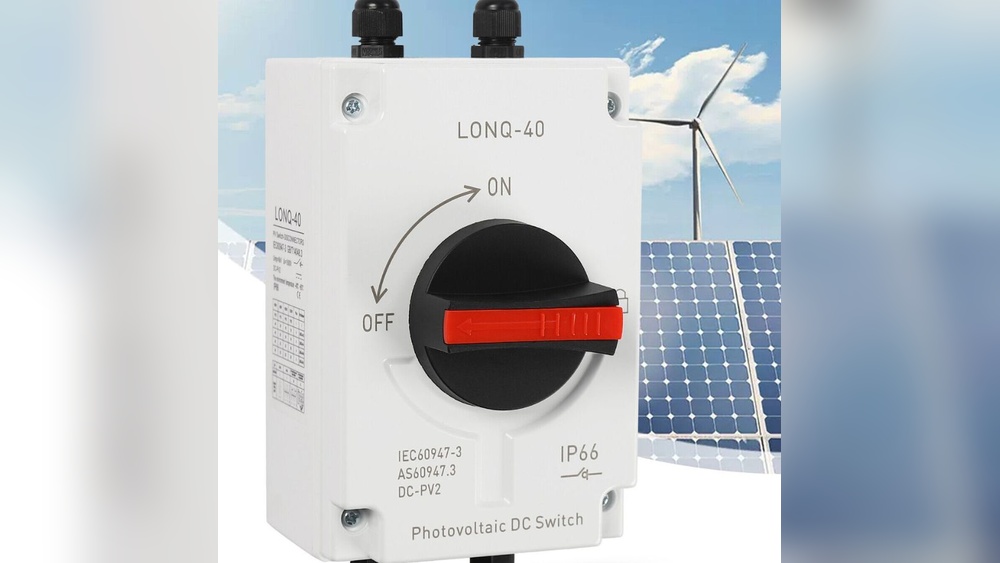
The on off switch controls the light’s power flow. When switched on, the solar light charges and lights up automatically. When off, it stops charging and lighting. This saves battery life when the light is not needed.
Some solar lights come with an automatic sensor. The switch helps you control charging times. Turning the switch off at night can save energy. Turning it on during the day ensures full charging.
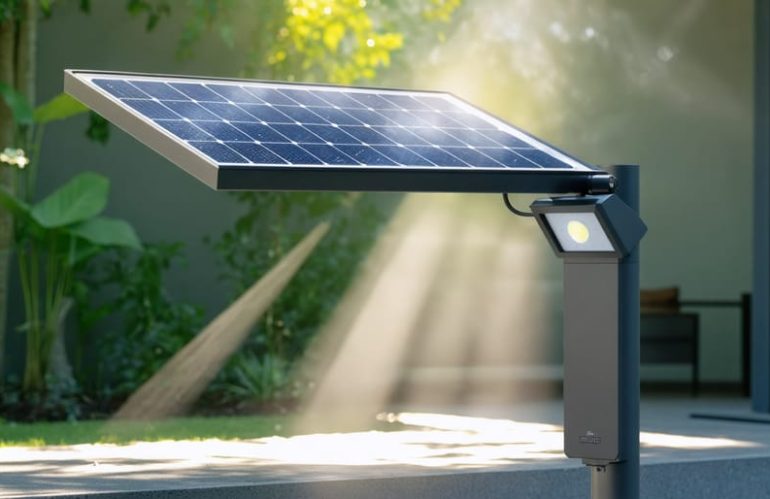
Credit: www.residentialsolarpanels.org
Preparing Solar Lights For Charging
Preparing solar lights for charging is an important first step. It helps ensure the lights charge properly and last longer. Proper preparation means checking the key parts of the solar light. This includes the on/off switch, the battery, and the solar panel. Each part must work well before you start charging.
Locating The On Off Switch
The on/off switch controls power to the solar light. Most solar lights have a small switch on the back or bottom. Sometimes it is hidden under a cover or near the battery compartment. Find this switch and make sure it is in the “on” position. This allows the solar panel to charge the battery.
Checking Battery And Solar Panel
The battery stores the energy collected from the solar panel. Check the battery for any signs of damage or corrosion. Replace the battery if it looks worn out or swollen. Look at the solar panel for dirt, dust, or damage. Clean the panel gently with a soft cloth if it is dirty. A clean panel can absorb sunlight better, improving charging efficiency.
Charging Solar Lights With The Switch
Charging solar lights with an on-off switch is simple and effective. The switch controls the power flow, allowing the battery to charge only when needed. This helps save energy and extends the life of the solar light. Understanding how to use the switch properly ensures your lights stay bright and ready.
Proper use of the switch also prevents unnecessary battery drain. It gives you control over when the solar light charges and when it powers the LED. Follow these steps to optimize charging and get the best performance from your solar lights.
Turning On The Switch
First, locate the on-off switch on your solar light. It is usually at the base or under a small cover. Flip the switch to the “on” position. This allows the solar panel to start charging the battery. Keep the switch on during daylight hours for effective charging. Turn it off only if you want to stop charging or save battery power during low sunlight.
Positioning Solar Lights For Maximum Sunlight
Place your solar lights where sunlight hits directly. Avoid shaded spots near trees, walls, or buildings. South-facing areas usually get the most sun. Keep the solar panel clean and free from dust or debris. Proper positioning ensures the battery charges fully and the light lasts longer at night.

Credit: heftyberry.store
Charging Without Direct Sunlight
Charging solar lights without direct sunlight is possible and useful. Clouds, shade, or indoor use can limit sun exposure. Solar lights with an on/off switch can still recharge with other light sources. Understanding how to charge them without direct sun helps keep your lights working.
Using Artificial Light Sources
Artificial light can charge solar lights but works slower. Use bright LED or fluorescent lamps for better results. Place the solar panel close to the light source. Keep the light on for several hours to charge fully. Avoid dim or colored lights as they reduce charging power.
Indoor Charging Tips
Choose a well-lit room with good artificial lighting. Place solar panels near windows or under lamps. Make sure the on/off switch is set to “on” to allow charging. Clean the solar panel surface to remove dust and dirt. Check the battery level regularly to prevent overcharging or draining.
Troubleshooting Charging Issues
Troubleshooting charging issues is important for solar lights with an on/off switch. Problems can stop the lights from charging or working properly. Fixing these issues helps the lights last longer and work better.
Switch Not Responding
The switch may not respond if it is dirty or damaged. Dirt can block the connection inside the switch. Clean the switch gently with a dry cloth.
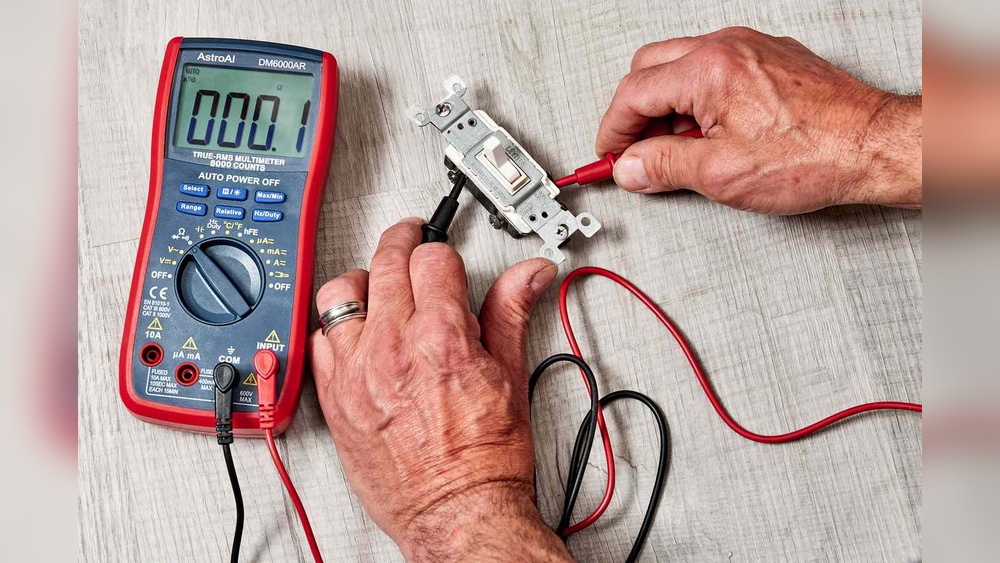
Check if the switch feels loose or stuck. A broken switch needs replacement. Test the switch with a multimeter to see if it works well. Replace the switch if it does not connect properly.
Poor Charging Performance
Poor charging can happen if the solar panel is dirty or shaded. Clean the panel with a soft cloth to remove dust or dirt. Make sure the panel faces direct sunlight for several hours.
Old or damaged batteries also cause poor charging. Replace the batteries if they hold little power. Check all connections between the solar panel, battery, and switch for loose wires. Tighten any loose connections to improve charging.
Maintaining Solar Lights
Maintaining solar lights is key to keeping them bright and efficient. Regular care helps the lights last longer and work better. Simple steps can prevent common problems and save you money over time.
Cleaning Solar Panels
Dust and dirt reduce solar panel efficiency. Clean panels with a soft cloth and water. Avoid using harsh chemicals or abrasive materials. Clean the panels once every two weeks for best results. Clear panels capture more sunlight and charge faster.
Battery Replacement Tips
Solar light batteries wear out after months of use. Replace batteries when lights dim or stop working. Use the same type of battery recommended by the manufacturer. Turn off the light using the on/off switch before replacing the battery. Proper battery care ensures longer light life and better performance.

Credit: outdoorlights.store
Frequently Asked Questions
How Do I Charge Solar Lights With An On/off Switch?
To charge solar lights, keep the switch in the “on” position during daylight. This allows the solar panel to absorb sunlight and charge the battery efficiently.
Can I Charge Solar Lights If The Switch Is Off?
No, solar lights won’t charge if the switch is off. The switch must be turned on for the solar panel to power the battery.
How Long Should Solar Lights Charge With The Switch On?
Solar lights usually need 6-8 hours of direct sunlight with the switch on to fully charge. This ensures optimal brightness at night.
Does The On/off Switch Affect Solar Light Battery Life?
Yes, leaving the switch on allows proper charging and discharging cycles, which help maintain battery life and performance over time.
Conclusion
Charging solar lights with an on-off switch is simple and effective. Turn the switch off during charging to save energy. Place the lights where sunlight hits directly for best results. Regularly check the switch to ensure proper charging. This method helps keep your solar lights bright and lasting longer.
Enjoy the benefits of easy, eco-friendly lighting at home or outdoors. Small steps make a big difference in using solar power wisely. Try these tips and see your lights shine brighter every night.