Have you ever wanted to control the lighting in your home with just a simple flip of a switch? Installing a switch for a light might seem tricky, but it’s easier than you think.
With the right steps, you can save money and add convenience to your space. In this guide, you’ll learn exactly how to install a switch safely and quickly—even if you’re not an expert. Ready to take charge of your lighting?
Let’s get started.

Credit: community.smartthings.com
Tools And Materials Needed
Installing a switch for a light needs the right tools and materials. This step is important for safety and success. Using proper tools makes the job easier and faster.
Gather everything before you start. It helps avoid interruptions and keeps you focused on the task. Here are the key tools and materials you will need.
Basic Tools For Installation
- Screwdriver (flathead and Phillips)
- Wire stripper
- Voltage tester
- Needle-nose pliers
- Drill (optional for mounting)
Electrical Materials
- Light switch
- Electrical box
- Wire nuts
- Electrical tape
- Electrical wires (usually 14/2 or 12/2 gauge)
Safety Gear
- Insulated gloves
- Safety glasses
- Work boots
These tools and materials ensure a smooth installation process. Choose quality items for durability and safety. Prepare well to avoid risks and delays.
Safety Precautions
Safety is the top priority when installing a switch for a light. Electric work can be dangerous without the right steps. Taking safety precautions protects you from shocks and injuries. It also helps prevent damage to your home wiring.
Follow clear rules before starting. Use proper tools and stay alert throughout the process. Safety ensures the job goes smoothly and safely.
Turn Off Power At The Circuit Breaker
Always switch off power at the main breaker box. This stops electricity from flowing to the wires. Double-check with a voltage tester to be sure no current is present.
Use Insulated Tools
Choose tools with insulated handles to avoid electric shocks. These tools protect you if you accidentally touch live wires. Using the right tools makes the task safer and easier.
Wear Protective Gear
Wear gloves and safety glasses during installation. Gloves protect your hands from cuts and shocks. Glasses guard your eyes from sparks or debris.
Check For Damaged Wires
Inspect wires before connecting the switch. Replace any frayed or broken wires to prevent hazards. Safe wiring ensures your switch works correctly.
Turn Off The Power
Turning off the power is the first step in installing a light switch safely. Electricity can cause serious injury or damage. Always make sure the power is off before starting any electrical work.
Double-checking the power status protects you from shocks. It also prevents accidents during installation. Taking this simple step saves time and trouble later.
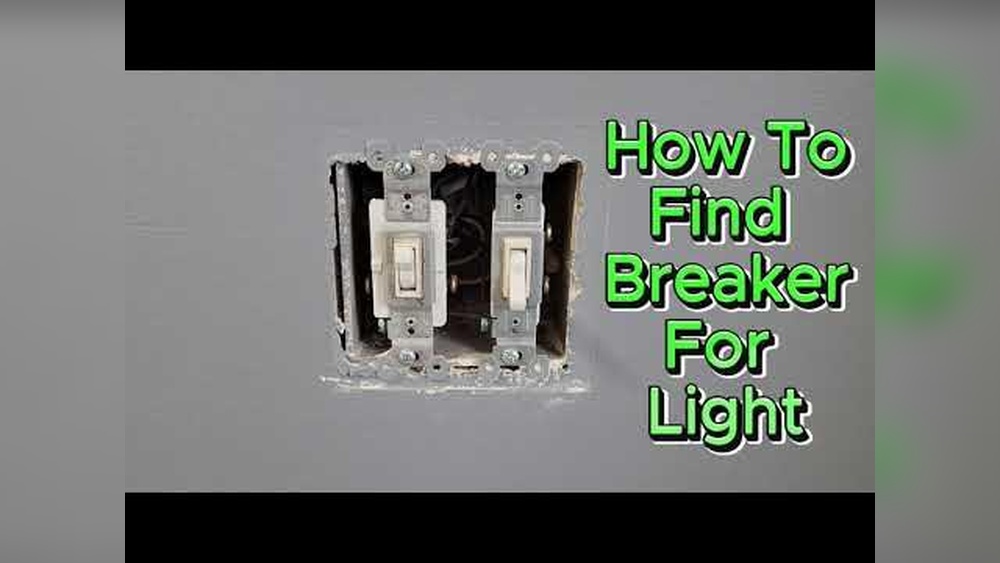
Locate The Circuit Breaker
Find your home’s circuit breaker panel. It is usually in the basement, garage, or utility room. Look for the label that controls the light you want to work on.
Switch Off The Correct Breaker
Flip the breaker switch to the off position. This stops electricity from flowing to the light switch. Confirm the switch is off by testing the light or using a voltage tester.
Use A Voltage Tester To Confirm
A voltage tester checks for live wires. Touch the tester to the wires in the switch box. If the tester does not light up or beep, the power is off. This step ensures your safety before touching any wires.
Remove The Old Switch
Removing the old switch is the first step in installing a new light switch. It is important to do this safely and carefully. This process helps avoid damage to wires or walls. Follow the steps below to remove the old switch properly.
Find the circuit breaker that controls the switch. Turn it off to cut power. Use a voltage tester to be sure the power is off. Never touch wires without checking.
Remove The Switch Cover Plate
Use a screwdriver to remove the screws holding the cover plate. Keep the screws safe for later use. Gently pull off the cover plate to expose the switch.
Unscrew The Old Switch
Remove the screws securing the switch to the electrical box. Pull the switch out carefully. Do not force it to avoid wire damage.
Disconnect The Wires
Note how wires connect to the switch. Use a screwdriver to loosen the terminal screws. Carefully detach the wires from the switch. Keep the wires separated to avoid confusion.
Prepare The Wires
Preparing the wires is a key step before installing a switch for a light. It ensures the connection is safe and works well. Proper wire preparation helps avoid problems like shorts or loose contacts.
Take your time and follow safety rules strictly. Always turn off power at the circuit breaker to avoid shocks.
Locate the right circuit breaker and switch it off. Use a voltage tester to confirm no electricity flows. Never handle wires if power is still on.
Strip The Wire Insulation
Use a wire stripper to remove about half an inch of insulation. Expose the copper wire carefully without cutting the wire strands. Clean wires ensure good electrical contact.
Identify The Wires
Look for the black (hot), white (neutral), and green or bare (ground) wires. Confirm each wire’s purpose by checking your home’s wiring code. Correct identification avoids wiring mistakes.
Twist The Wire Strands
Twist the exposed wire strands tightly. This keeps wires together and makes them easier to connect. Loose strands can cause poor connections and sparks.
Prepare For Wire Nuts
Gather the wires you will join under a wire nut. Hold wires firmly and twist the nut clockwise. A secure nut keeps wires connected and safe.

Credit: www.dummies.com
Connect The New Switch
Connecting the new switch is a key step in installing a light switch. This part involves working with electrical wires carefully. Proper connection ensures the light works safely and correctly. Follow the steps below to connect your switch with confidence.
Identify Wire Types
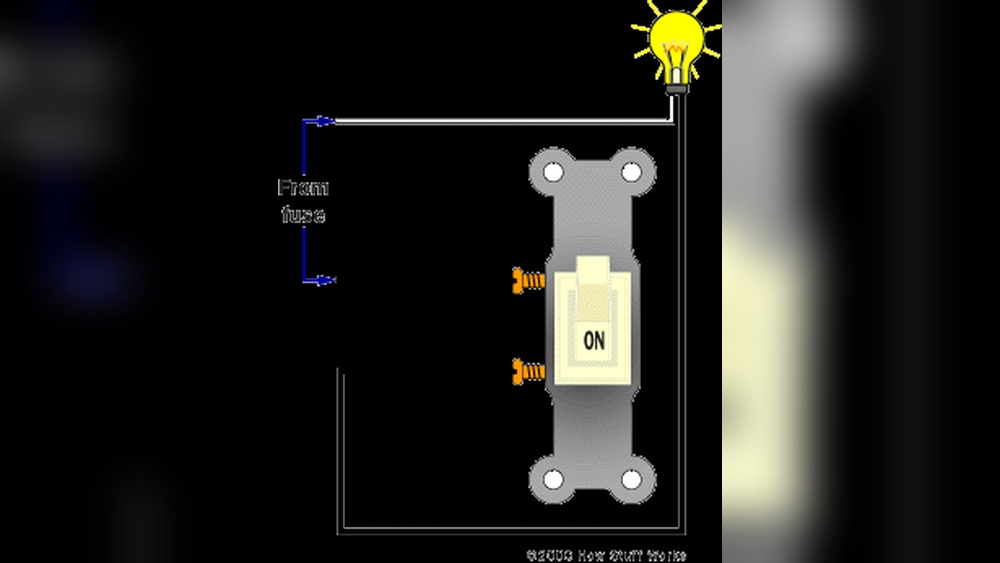
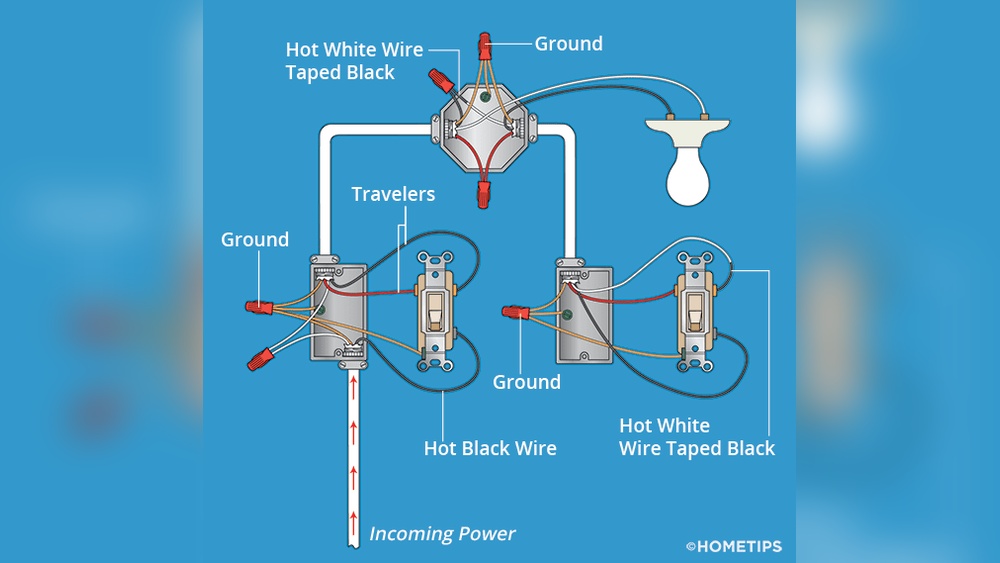
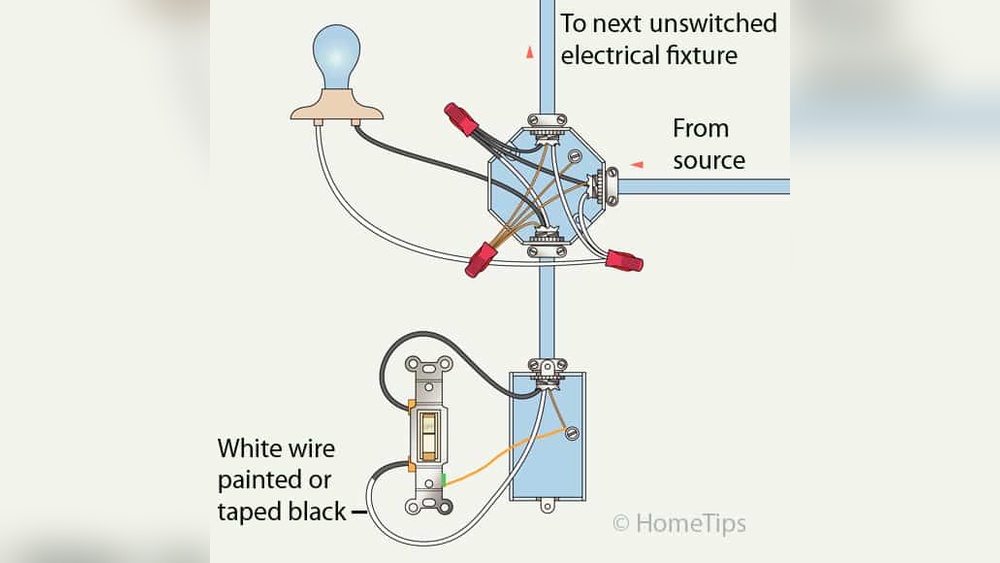
First, recognize the different wires inside the switch box. Usually, you find three types: live (hot), neutral, and ground wires. The live wire carries electricity to the switch. The neutral wire completes the electrical circuit. The ground wire protects from electric shocks. Each wire has a specific color for easy identification. Black or red is live, white is neutral, and green or bare is ground. Knowing the wires helps avoid mistakes and keeps the work safe.
Attach Wires To Terminals
Next, connect the wires to the switch terminals. Loosen the screws on the switch. Wrap the live wire around the brass terminal screw. The neutral wire usually goes to the silver terminal, but some switches only connect live and ground wires. Attach the ground wire to the green terminal screw. Make sure the wires are tight and secure. Loose connections can cause sparks or switch failure. After connecting, gently push the wires back into the box. Screw the switch into place, ready for testing.
Secure The Switch In The Box
Securing the switch in the box is an important step in installing a light switch. This step ensures the switch stays in place and works safely. A loose switch can cause problems or even be dangerous. Follow these simple instructions to fix the switch properly.
Prepare The Switch Box
First, check the box for any debris or loose wires. Clean the area if needed. Make sure the wires are neatly arranged. This helps avoid damage when placing the switch inside.
Align The Switch Correctly
Place the switch inside the box. Match the screw holes on the switch with those on the box. Keep the switch facing the right direction for easy use.
Use The Right Screws
Use the screws that come with the switch. These screws fit perfectly and hold the switch tightly. Avoid using different screws, as they may not fit well.
Tighten The Screws Securely
Turn the screws slowly by hand or with a screwdriver. Tighten until the switch feels firm. Do not overtighten, as this can crack the switch or box.
Check For Stability
Gently wiggle the switch to test its hold. It should not move or feel loose. A stable switch ensures safe use and long life.
:max_bytes(150000):strip_icc()/how-to-wire-and-install-single-pole-switches-1152330-05-2de77af170364a6fb3846f30634a5cd3.jpg)
Credit: www.thespruce.com
Restore Power And Test
Restoring power and testing the new switch is the final step in your installation. This step ensures the switch works correctly and the light operates as expected. Safety is important, so follow each instruction carefully.
Turn The Circuit Breaker Back On
Find your home’s circuit breaker panel. Flip the switch for the light’s circuit back to the ON position. This will restore electricity to the wiring you worked on. Check that power is flowing to the switch.
Test The Switch Function
Press the switch to turn the light on. The light should glow brightly without flickering. Press the switch again to turn the light off. Confirm the switch changes the light’s state smoothly.
Troubleshoot If The Light Does Not Work
Check the switch wiring if the light stays off. Make sure all wires are tight and in the right terminals. Verify the circuit breaker is fully ON and not tripped. Replace the switch if problems continue.
Troubleshooting Tips
Troubleshooting is key after installing a switch for a light. Problems can happen even with careful work. Knowing common issues and fixes saves time and frustration.
Check each step carefully. Small errors often cause big problems. Use these tips to find and fix issues fast.
Check The Power Supply
Make sure the power is off before testing. Use a voltage tester to check the wires. Confirm power is reaching the switch box. No power means a problem with the circuit or breaker.
Verify Wiring Connections
Loose or wrong wires stop the switch from working. Check each wire is connected to the right terminal. Tighten any loose screws. Follow the wiring diagram exactly.
Test The Switch Itself
The switch can be faulty. Remove the switch and test it with a multimeter. Replace the switch if it shows no continuity when flipped on.
Inspect The Light Fixture
Sometimes the problem is the light, not the switch. Check if the bulb is working. Replace the bulb or fixture if needed. Make sure the fixture wires are secure.
Reset The Circuit Breaker
The breaker may trip during installation. Find the correct breaker and reset it. Test the switch again after resetting. A tripped breaker stops power flow.
Look For Short Circuits
Short circuits cause breakers to trip or lights not to work. Check for damaged wires or bare wire contact. Replace or repair any damaged wiring carefully.
Frequently Asked Questions
How Do I Safely Install A Light Switch?
Turn off power at the breaker before starting. Use a voltage tester to confirm no electricity flows. Follow wiring diagrams carefully. Secure connections with wire nuts and tighten screws properly. Always use the correct switch type for your light fixture.
What Tools Are Needed To Install A Light Switch?
You need a screwdriver, wire stripper, voltage tester, and wire nuts. A drill may be helpful for new installations. Always have electrical tape on hand. These tools ensure safe and efficient switch installation.
Can I Replace A Light Switch Without An Electrician?
Yes, if you follow safety steps and instructions. Turn off the power and test wires. Use proper tools and wiring diagrams. If unsure, consult a professional to avoid hazards. DIY is possible for simple switch replacements.
How Do I Identify Wires For A Light Switch?
Typically, black or red wires are hot, white is neutral, and green or bare is ground. Use a voltage tester to confirm live wires. Proper identification prevents wiring mistakes and ensures safe switch installation.
Conclusion
Installing a switch for a light is simple with the right steps. Always turn off power before starting work. Use proper tools and follow safety rules. Connect wires carefully and check all connections. Test the switch to make sure the light works.
Taking your time helps avoid mistakes and accidents. You can save money by doing this yourself. Enjoy the satisfaction of a job well done.