Struggling to get rid of stubborn outdoor mounting tape without damaging your walls or surfaces? You’re not alone.
Removing this sticky tape can feel like a frustrating battle, but it doesn’t have to be that way. In this guide, you’ll discover simple, effective steps to safely and easily remove outdoor mounting tape. By the time you finish reading, you’ll have the confidence and know-how to tackle any sticky mess quickly—saving you time and stress.
Ready to make your surfaces clean again? Let’s dive in.
Types Of Outdoor Mounting Tape
Outdoor mounting tapes come in different types. Each type suits specific uses and surfaces. Understanding these types helps in choosing the right tape for your project. It also guides you on the best removal method.
Double-sided Foam Tape
Double-sided foam tape is thick and soft. It sticks well on rough surfaces like brick or wood. The foam layer absorbs shock and fills gaps. This tape is great for mounting signs and decorations outdoors. It holds strong but can be tricky to remove without residue.
Heavy-duty Adhesive Tape
Heavy-duty adhesive tape uses strong glue. It works well on metal, plastic, and glass. This tape is designed to hold heavy items in place. It resists water and sunlight. Removing it can require heat or special solvents because of its strong bond.
Removable Vs Permanent Tape
Removable tape sticks well but peels off easily. It leaves little or no residue behind. This tape is good for temporary mounting. Permanent tape creates a lasting bond. It is hard to remove and may damage surfaces. Choose removable tape for short-term use and permanent tape for long-term needs.

Credit: www.amazon.com
Tools And Materials Needed
Removing outdoor mounting tape needs the right tools and materials. These help you work safely and cleanly. Using proper items makes the job easier and protects surfaces.
Heat Sources
Heat softens the tape’s adhesive. A hair dryer or heat gun works well. Warm the tape gently. This loosens the glue and helps peel the tape off without damage.
Scrapers And Blades
Scrapers remove tape bits and residue. Use plastic scrapers to avoid scratches. Razor blades work but need care. Hold blades at a low angle for safety and best results.
Adhesive Removers
Adhesive removers break down sticky residue. Use products made for outdoor surfaces. Apply with a cloth or sponge. Let it sit a few minutes, then wipe clean. Test first on a hidden spot.
Preparing The Surface
Preparing the surface is a key step before removing outdoor mounting tape. It helps avoid damage and makes the process easier. A clean and protected area ensures better results. Take your time and follow simple steps for best outcomes.
Cleaning The Area
Start by removing dirt and dust from the tape area. Use a soft cloth and mild soap with water. Gently wipe the surface to avoid scratches. Let the area dry completely before you begin removing the tape. Clean surfaces help the tape loosen more easily.
Protecting Surroundings
Cover nearby plants, furniture, or walls to prevent damage. Use plastic sheets or old towels to shield these areas. Tape or weigh down coverings to keep them in place. This step avoids mess and protects surfaces from cleaners or adhesive residue.
Heat Method For Tape Removal
The heat method is a great way to remove outdoor mounting tape. Heat softens the adhesive, making the tape easier to peel off. This method works well on many surfaces, including metal, glass, and plastic. Using controlled heat prevents damage to the surface beneath the tape.
Two common tools for this method are a hair dryer and a heat gun. Both tools deliver heat but at different intensities. Choose the right tool based on the tape type and the surface material.
Using A Hair Dryer
A hair dryer is a safe tool to soften tape adhesive. Hold it a few inches from the tape. Move it slowly side to side to heat the tape evenly. Avoid staying in one spot too long to prevent damage.
After heating for one to two minutes, try peeling the tape gently. If it resists, apply more heat. The softened adhesive will allow the tape to come off without leaving much residue.
Applying A Heat Gun Safely
A heat gun produces higher temperatures than a hair dryer. Use it carefully to avoid burning or warping surfaces. Keep the heat gun moving constantly over the tape.
Start with the lowest heat setting. Increase only if the tape does not soften. Hold the gun at least six inches away from the surface. This distance helps protect the material and ensures even heating.
Wear heat-resistant gloves for safety. Once the tape softens, peel it off slowly. The heat gun is very effective for tougher tapes and larger areas.
Manual Removal Techniques
Manual removal techniques for outdoor mounting tape are simple and effective. You can do these without special tools. They work well for small areas or delicate surfaces. Be patient and gentle to avoid damage.
Peeling Off The Tape
Start by lifting one edge of the tape carefully. Use your fingernail or a plastic card to get under the tape. Pull the tape slowly and steadily at a low angle. Avoid quick or forceful yanks to prevent tearing. If the tape breaks, repeat the process on the remaining parts.
Warming the tape slightly can help soften the adhesive. Use warm water or a hairdryer on low heat. This makes peeling easier and cleaner.
Scraping Residue
After removing the tape, some sticky residue may stay on the surface. Use a plastic scraper or an old credit card to scrape it off gently. Avoid metal tools to prevent scratches.
Work in small sections, scraping carefully until the residue is gone. If the residue is stubborn, apply a little rubbing alcohol or soapy water. Let it sit for a minute before scraping again.
Using Adhesive Removers
Removing outdoor mounting tape can be tough. The sticky residue often stays behind, making surfaces look dirty. Using adhesive removers helps to clean these sticky spots quickly. These products soften the glue, making it easier to wipe away.
Commercial Solvents
Commercial solvents are made to break down strong adhesives. They work fast and are easy to find in stores. Apply a small amount on the tape residue and wait a few minutes. The glue will start to loosen. Use a cloth or scraper to remove the softened tape. Always read the label and test on a small area first. Some solvents may harm delicate surfaces.
Natural Alternatives
Natural alternatives are safer for people and the environment. Oils like coconut or olive oil can soften tape residue. Rub the oil on the sticky area and let it sit for several minutes. The adhesive will become sticky and easier to remove. Vinegar and baking soda also help break down glue. These options take longer but avoid harsh chemicals. They work well on most outdoor surfaces.
Cleaning Residual Adhesive
After removing outdoor mounting tape, sticky residue often stays behind. This leftover adhesive can attract dirt and make surfaces look messy. Cleaning it off is important to restore a clean, smooth surface. Use simple household items to remove the sticky marks safely. Focus on gentle methods that protect your walls or furniture.
Soap And Water
Soap and water work well on fresh adhesive residue. Mix warm water with a few drops of mild dish soap. Dip a soft cloth into the solution and wring out the excess water. Gently rub the sticky area in small circles. Let the soap sit for a minute to soften the glue. Wipe the surface clean with a damp cloth. Repeat if needed until the residue disappears. This method is safe for most surfaces and easy to try first.
Rubbing Alcohol
Rubbing alcohol is effective for tougher adhesive residue. Pour some alcohol on a cotton ball or soft cloth. Dab it on the sticky spots and let it sit for a few seconds. The alcohol breaks down the glue, making it easier to remove. Rub gently until the residue loosens and wipes away. Avoid using too much liquid to protect your surface. Test in a small hidden area before full use. Rubbing alcohol works well on glass, metal, and plastic surfaces.
Preventing Surface Damage
Removing outdoor mounting tape can be tricky. The tape sticks tightly and may damage the surface underneath. Taking care to protect your walls, windows, or furniture is important. Preventing surface damage saves time and keeps your space looking good.
Avoiding Scratches
Use gentle tools to remove the tape. A plastic scraper or old credit card works well. Avoid metal tools that can scratch or gouge surfaces. Pull the tape slowly and at an angle. Quick, forceful moves can tear paint or finish. If the tape resists, soften it first with heat from a hair dryer. Warm tape peels off easier and safer.
Testing Products First
Try cleaning products on a small hidden spot first. Some adhesives need special removers. Others come off with soap and water. Test helps ensure the product does not harm the surface. Avoid strong chemicals on delicate materials like wood or painted walls. Always follow the product instructions carefully. Patience here avoids costly repairs later.
Tips For Future Tape Use
Using outdoor mounting tape correctly can save time and avoid damage. Follow these tips for better results next time. Choosing the right tape and applying it well makes a big difference. Let’s explore how to pick the best tape and use it properly.
Choosing The Right Tape
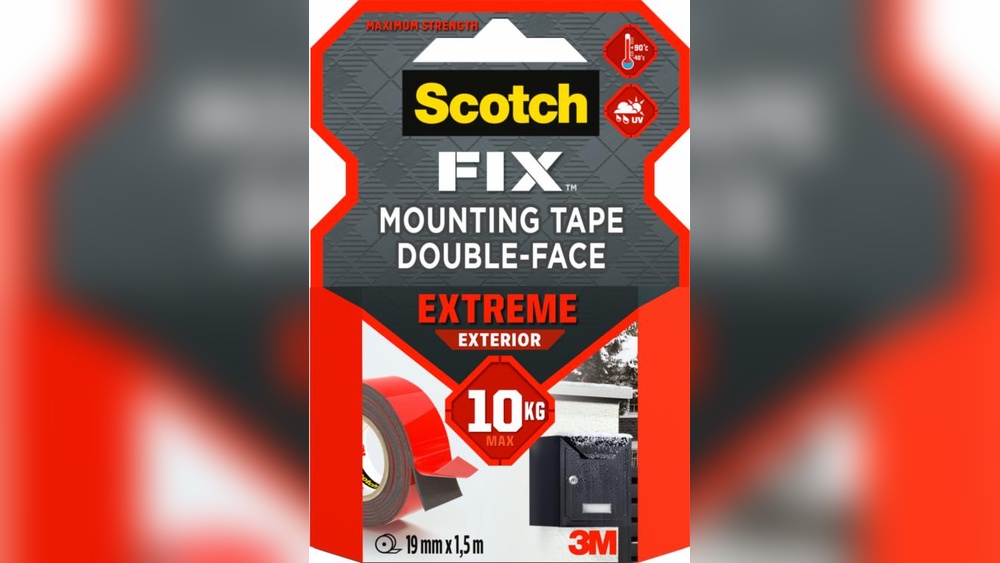
Pick tape designed for outdoor use. Look for waterproof and UV-resistant labels. These tapes hold up well in sun and rain. Consider the surface type too. Some tapes stick better on rough surfaces, others on smooth. Check the weight and size limits of the tape. Always buy a tape that matches your project needs.
Proper Application Techniques
Clean the surface before applying tape. Dirt and dust reduce stickiness. Use rubbing alcohol or soap and water to clean. Let the surface dry fully. Apply tape with firm pressure to avoid air bubbles. Press along the tape edges well. Avoid stretching the tape during application. Allow the tape to set before adding weight or stress.

Credit: www.3m.com

Credit: www.amazon.com
Frequently Asked Questions
What Is The Best Method To Remove Outdoor Mounting Tape?
The best method involves using heat to soften the adhesive. Apply a hairdryer or heat gun on low. Gently peel off the tape with your fingers or a plastic scraper. Clean any residue with rubbing alcohol or adhesive remover.
How Can I Safely Remove Mounting Tape Without Damage?
Use gentle heat and avoid sharp tools. Heat softens the adhesive, making removal easier. Peel slowly to prevent surface damage. Finish by cleaning residue with mild solvent or soap and water.
Can I Reuse Outdoor Mounting Tape After Removal?
No, outdoor mounting tape loses adhesion once removed. It’s best to use new tape for secure mounting. Reusing old tape may result in weak bonding and falling objects.
What Tools Help Remove Outdoor Mounting Tape Efficiently?
Use a hairdryer or heat gun, plastic scraper, rubbing alcohol, and a soft cloth. Heat loosens adhesive, scraper lifts tape, and rubbing alcohol cleans residue for a smooth surface.
Conclusion
Removing outdoor mounting tape does not have to be hard. Use heat or oil to soften the adhesive. Peel gently to avoid damage to surfaces. Clean leftover sticky spots with rubbing alcohol or soap. Take your time and be patient.
These simple steps help keep your space neat and safe. Now, you can remove tape without stress or mess.