Have you ever wondered how those tiny bolts, screws, and nuts that hold everything together are actually made? Fasteners might seem simple, but the process behind creating these essential components is surprisingly fascinating.
Whether you’re curious about the materials used or the manufacturing steps involved, understanding how fasteners are made can give you a new appreciation for the strength and precision in your everyday products. You’ll discover the key methods and materials that bring fasteners to life—and why each choice matters for the final product’s performance.
Keep reading, and you’ll see fasteners in a whole new light.

Credit: www.youtube.com
Fastener Materials
Fasteners are made from various materials chosen for strength, durability, and environment. The choice depends on the use and conditions the fastener will face. Materials affect the fastener’s performance and lifespan. Understanding these materials helps explain how fasteners meet different needs.
Common Metals
Steel is the most widely used metal for fasteners. It offers great strength at a low cost. Different steel grades provide options for hardness and toughness. Zinc plating or galvanization protects steel from rust. Carbon steel fasteners are common for general use in construction and machinery.
Stainless steel contains chromium, which resists corrosion well. It suits outdoor or wet environments perfectly. Stainless steel fasteners last longer in harsh conditions. They do cost more but reduce maintenance needs.
Aluminum fasteners are lightweight and resist corrosion. They work well where reducing weight is important. Aluminum is softer than steel, so it fits light-duty applications. It also conducts heat and electricity.
Specialty Alloys
Fasteners can be made from specialty alloys for extreme conditions. Titanium alloys are strong but much lighter than steel. They resist corrosion and heat well, ideal for aerospace and medical uses. Nickel alloys offer high strength and corrosion resistance in harsh chemicals and heat. These materials cost more but provide excellent performance where standard metals fail.
Non-metal Options
Some fasteners use non-metal materials like nylon and plastic. Nylon fasteners resist corrosion and do not conduct electricity. They are lightweight and quiet under vibration. Plastic fasteners are also corrosion-resistant and used in electronics or appliances. These materials suit light loads and non-structural needs. They offer a cost-effective solution for specific applications.
Manufacturing Methods
Fasteners are essential components used in countless applications. Their quality depends on the manufacturing methods used. Three common methods create most fasteners: cold forging, hot forging, and machining. Each method shapes metal in unique ways to meet strength and precision needs. The choice depends on the fastener type and the material used. Understanding these methods reveals how raw metal transforms into reliable fasteners.
Cold Forging
Cold forging shapes metal at room temperature. It involves pressing or hammering metal blanks into dies. This process increases metal strength by refining its grain structure. Cold forging creates fasteners quickly and with high precision. It suits high-volume production of small parts like screws and bolts. The process also reduces material waste, making it cost-effective. Cold forged fasteners have excellent surface finish and tight tolerances.
Hot Forging
Hot forging heats metal above its recrystallization temperature. This makes metal softer and easier to shape. The heated metal is then pressed or hammered into dies. Hot forging allows complex shapes and larger fasteners to be made. It improves the metal’s internal structure and toughness. This method suits fasteners that need high strength and durability. Hot forging requires cooling and heat treatment after shaping.
Machining
Machining cuts fasteners from metal rods or bars. Tools like lathes and mills remove material to form threads and shapes. This method offers high accuracy and flexibility for custom fasteners. Machining is slower and more expensive than forging but allows complex designs. It works well for low volume or prototype production. Machined fasteners often require secondary finishing processes to improve durability and appearance.
Cold Forging Process
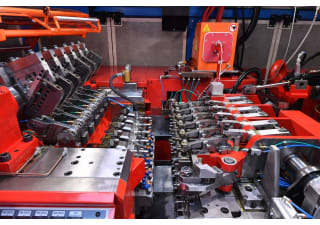
The cold forging process shapes fasteners without heating the metal. It uses high pressure to form the material at room temperature. This method improves strength and surface finish. Cold forging also reduces waste and speeds up production. It is common for making bolts, screws, and nuts.
Material Preparation
Cold forging starts with selecting the right metal wire or rod. The metal is cut into pieces called blanks. These blanks must be clean and free of defects. Proper preparation ensures uniform shaping and strong fasteners.
Die Design
Dies are tools that shape the metal during forging. Each die matches the fastener’s final design. Precision in die design is critical. It controls the shape, size, and thread pattern of the fastener. Well-made dies produce accurate and consistent fasteners.
Shaping And Forming
The metal blank is placed into the die under high pressure. The pressure forces the metal to flow and fill the die cavity. This forms the fastener’s head, shank, and threads. The process uses multiple steps for complex shapes. Cold forging strengthens the metal by compressing its fibers.
Credit: www.expometals.net
Hot Forging Process
The hot forging process plays a vital role in making strong and durable fasteners. This method shapes metal by heating it to high temperatures until it becomes soft. The heated metal is then pressed into molds, forming the desired fastener shape. Hot forging improves the metal’s grain structure, which boosts strength and toughness. This process is common for making bolts, screws, and other fasteners that need to endure heavy use. Below, we explore key steps in the hot forging process.
Heating Techniques
Heating is the first step in hot forging. Metal blanks are placed in furnaces and heated between 1,200°F and 2,300°F. The exact temperature depends on the metal type. Heating makes the metal soft and easier to shape. Uniform heating is critical to avoid weak spots. Modern furnaces use gas, electricity, or induction to heat metals quickly and evenly. Proper heating ensures the metal flows well during forging and maintains quality.
Forming Stages
After heating, the metal enters the forming stage. It is placed into dies that shape it under high pressure. Forging presses or hammers apply force to mold the metal into the fastener’s shape. This can include heads, threads, or shanks depending on the fastener type. The metal flows to fill the die cavities, creating precise shapes. Multiple stages may be used for complex fasteners to achieve detailed features and tight tolerances.
Cooling Procedures
Once formed, the fasteners must cool carefully. Cooling can be done slowly in air or faster using water or oil baths. Controlled cooling helps reduce internal stress and prevents cracks. The cooling method affects the metal’s hardness and strength. After cooling, fasteners may undergo heat treatment to improve their mechanical properties further. Proper cooling ensures the final product is strong, durable, and ready for use.
Machining Process
The machining process shapes fasteners with precision and care. It uses machines to cut, form, and finish metal parts. This process suits fasteners that need detailed features or small production runs. Machining ensures each fastener meets exact size and shape requirements. The process involves several key steps to create high-quality fasteners.
Cutting And Threading
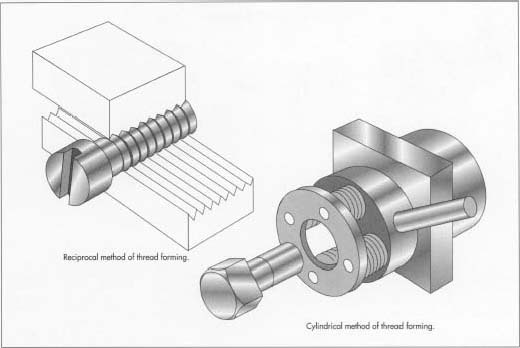
Cutting removes excess metal from the fastener blank. Machines like lathes and mills perform this task. Threading forms the spiral grooves on screws and bolts. It allows fasteners to grip and hold parts firmly. Threading can be done by rolling or cutting threads into the metal. Accurate threading ensures smooth assembly and strong connections.
Surface Finishing
Surface finishing improves fastener durability and appearance. It removes rough edges and smooths surfaces. Common methods include polishing, grinding, and coating. Coatings protect against rust and corrosion. Zinc plating and black oxide are popular finishes. A well-finished surface extends fastener life and reliability.
Quality Checks
Quality checks verify fastener dimensions and strength. Inspectors use tools like calipers and microscopes. They check thread size, length, and surface finish. Some tests measure hardness and tensile strength. Defective fasteners are rejected or reworked. Rigorous checks ensure only top-quality fasteners reach customers.
Credit: www.madehow.com
Coatings And Treatments
Coatings and treatments play a crucial role in the production of fasteners. They enhance fasteners’ durability, strength, and resistance to harsh conditions. These processes protect the metal from rust, wear, and environmental damage. Coatings and treatments extend the fastener’s life and ensure reliable performance in various applications.
Corrosion Resistance
Corrosion resistance prevents fasteners from rusting and degrading. Fasteners exposed to moisture or chemicals need extra protection. Manufacturers apply special coatings that create a barrier against corrosion. Zinc coatings are common for this purpose. They stop moisture from reaching the metal surface. Some fasteners receive a layer of paint or powder coating for added defense.
Surface Plating
Surface plating improves fasteners’ appearance and durability. It involves adding a thin metal layer on the fastener surface. Common plating metals include nickel, chrome, and zinc. This layer adds shine and protects against scratches and corrosion. Plating also helps fasteners resist wear from friction. It ensures that fasteners look good and last longer.
Heat Treatments
Heat treatments strengthen fasteners by changing their metal structure. The process involves heating the fastener to a specific temperature. Then, it cools down at a controlled rate. This changes the metal’s hardness and toughness. Heat-treated fasteners can handle higher stress and pressure. They are less likely to break or deform during use.
Quality Control Measures
Quality control is vital in fastener manufacturing. It ensures each piece meets strict standards. Without quality checks, fasteners may fail in critical applications. Manufacturers use several methods to maintain high quality. These methods verify dimensions, material properties, and performance. They guarantee fasteners are safe, durable, and reliable.
Dimensional Inspection
Dimensional inspection checks the size and shape of fasteners. Precise measurements ensure parts fit correctly. Tools like calipers and micrometers measure length, diameter, and thread pitch. Automated optical systems scan fasteners for defects. Any part outside tolerance is rejected. This step prevents assembly problems and mechanical failures.
Material Testing
Material testing verifies the composition and strength of fasteners. Tests confirm the metal meets required standards. Common tests include hardness, tensile strength, and chemical analysis. These tests ensure fasteners resist wear and corrosion. Proper material guarantees long-lasting and safe fasteners.
Performance Evaluation
Performance evaluation tests fasteners under real conditions. This includes stress tests and fatigue testing. Fasteners must hold loads without breaking or deforming. Some tests simulate vibration and temperature changes. Performance checks confirm fasteners work in their intended environment. Only fasteners that pass all tests reach customers.
Applications And Material Selection
The choice of fastener material depends heavily on where and how it will be used. Applications vary widely, from simple household repairs to complex industrial machinery. Material selection ensures the fastener meets the needs of strength, durability, and resistance to environmental conditions.
Fasteners must perform well under specific conditions. Choosing the right material helps maintain safety and efficiency. Cost also plays a role, as some materials are more expensive but necessary for certain uses.
Strength Requirements
Fasteners must have the right strength to hold parts together. High-stress applications need strong materials like alloy steel. For lighter tasks, materials like aluminum or nylon may be enough. The strength needed depends on the load and forces the fastener will face.
Environmental Factors
Fasteners face different environments that affect their performance. Corrosion is a common problem in wet or salty conditions. Stainless steel is often used to resist rust. In high temperatures, materials like titanium or special alloys work better. Choosing materials that withstand the environment increases fastener life.
Cost Considerations
Cost influences the choice of fastener materials. Steel is affordable and widely used for many applications. Stainless steel costs more but offers better corrosion resistance. Expensive materials are chosen only when necessary. Balancing cost with performance ensures good value and reliability.
Frequently Asked Questions
How Are Fasteners Manufactured?
Fasteners are made by cold forging, hot forging, or machining metal or non-metal materials. Manufacturers choose methods based on fastener type and material.
What Are Fasteners Made Out Of?
Fasteners are made from metals like steel, stainless steel, aluminum, brass, bronze, alloy steel, and nickel alloys. Non-metal options include nylon for lightweight, nonconductive needs. Material choice depends on strength, durability, corrosion resistance, and application requirements. Steel remains the most common fastener material.
Are Bolts Forged Or Cast?
Bolts are typically forged, not cast. Forging improves their strength and durability by shaping metal under high pressure.
What Are The Four Types Of Fasteners?
The four types of fasteners are bolts, screws, nuts, and washers. These secure materials together in various applications.
Conclusion
Fasteners start as raw metal, shaped by forging or machining. Each step shapes strength and size for specific uses. Materials like steel, stainless steel, and aluminum fit different needs. Quality control ensures fasteners meet strict standards. Understanding their making helps appreciate their role in everyday products.
Fasteners hold the world together, quietly and effectively.