Are you curious about fasteners that have threads on both ends? These unique fasteners, often called studs or double-end studs, play a crucial role in holding parts tightly together in many machines and structures.
Imagine needing to secure two separate components firmly without the fastener spinning or loosening—this is exactly where these threaded wonders come into play. You’ll discover what makes fasteners with threads on both ends so reliable, how they work, and why they might be the perfect solution for your next project.
Keep reading to unlock the secrets behind these essential connectors and learn how they can improve your fastening tasks.
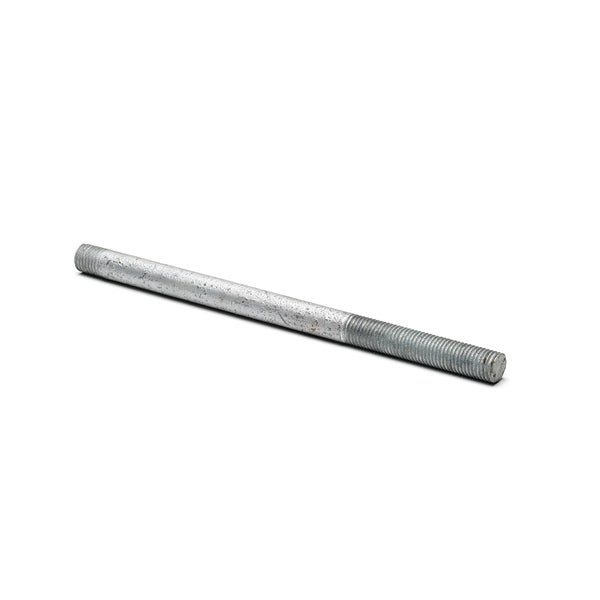
Credit: threadlineproducts.com
Threaded Fasteners Basics
Threaded fasteners with threads on both ends play a key role in many mechanical and construction tasks. They allow two parts to be joined securely, making them essential in industries like automotive, plumbing, and machinery. Understanding these fasteners helps you choose the right type for your project and use them effectively.
What Are Double-ended Fasteners
Double-ended fasteners, also called studs, have threads on both ends. The middle part may be smooth or fully threaded. One threaded end screws into a tapped hole. The other end holds a nut or washer to clamp parts together. They join two components without a head like regular bolts have.
Types Of Studs
There are two main types of studs. Double-end studs have a smooth section in the center. Fully threaded studs have threads running along the entire length. Both types fit different needs. Double-end studs offer precise alignment. Fully threaded studs provide maximum grip along the whole fastener.
How Threaded Fasteners Work
Threaded fasteners hold parts by fitting threads into matching holes or nuts. Tightening the nut on one side pulls parts together. The threads convert turning motion into strong clamping force. This force keeps components firmly in place. The design resists loosening from vibration or movement.
Common Uses Of Double-ended Fasteners
Double-ended fasteners, also known as studs, have threads on both ends with a smooth section in the middle. They serve many purposes in different industries. These fasteners hold parts tightly together. Their design allows easy assembly and disassembly of components. Here are some common uses of double-ended fasteners.
Engine Assembly Applications
Double-ended fasteners are key in engine assembly. They hold cylinder heads firmly to engine blocks. The threaded ends allow nuts to clamp parts securely. This ensures a tight seal to prevent leaks. Their strength withstands high pressure and heat inside engines. Mechanics prefer these fasteners for easy engine repairs.
Piping And Flange Connections
Studs are widely used in piping systems. They connect flanges on pipes to create strong joints. The double threads let workers attach nuts on both sides. This tightens the flange connection and stops leaks. Such fasteners handle high pressure in pipelines. They also make flange maintenance simpler.
Industrial Machinery
Industrial machines rely on double-ended fasteners for assembly. They join heavy parts that need strong support. These fasteners secure gears, shafts, and frames. Their threaded ends allow quick adjustments or replacements. They resist vibrations and heavy loads. This keeps machines running smoothly and safely.
Benefits Of Threads On Both Ends
Threads on both ends of a fastener offer distinct advantages for many mechanical and construction applications. These fasteners provide flexibility and strength in securing parts together. Their design allows easy adjustments and reliable performance under stress.
Enhanced Clamping Force
Threads on both ends increase the clamping power of a fastener. One end fits securely into a tapped hole. The other end receives a nut or washer to tighten the connection. This setup ensures a firm hold between two surfaces. It reduces the chance of parts loosening over time. Strong clamping force improves stability and safety in assemblies.
Improved Load Distribution
Fasteners with threads on both ends spread the load evenly across the joint. Each threaded end shares the tension and pressure. This balance reduces stress on any single point. It prevents damage to the fastener or the parts being joined. Better load distribution leads to longer-lasting connections. It also supports heavier weights without failure.
Ease Of Installation And Removal
These fasteners simplify the process of putting parts together and taking them apart. Both ends can be threaded into place or removed using standard tools. This dual-thread design allows quick adjustments without damaging the fastener. It saves time during assembly and maintenance. Easy handling makes these fasteners popular in many industries.

Credit: www.amazon.com
Design Variations And Features
Fasteners with threads on both ends come in various designs to meet different needs. Each type offers unique features that suit specific applications. Understanding these design variations helps you choose the right fastener for your project.
Double-end Studs With Unthreaded Shank
Double-end studs have threads on both ends but a smooth middle section. This unthreaded shank adds strength and reduces wear. It also helps align parts during assembly. These studs are common in automotive and machinery uses. The unthreaded section prevents damage to components and improves load distribution.
Fully Threaded Studs
Fully threaded studs feature threads along their entire length. This design allows for adjustable fastening and better grip. They are ideal for applications requiring precise tension control. Fully threaded studs work well in tight spaces where nuts must be positioned anywhere along the fastener. They also provide flexibility in length adjustment.
Material And Coating Options
Materials for these fasteners include stainless steel, carbon steel, and alloy steel. Each material offers different strength and corrosion resistance. Coatings like zinc, black oxide, and galvanization add extra protection. Choosing the right material and coating extends fastener life. It also ensures performance in harsh environments like outdoors or industrial settings.
Installation Tips And Best Practices
Installing fasteners with threads on both ends requires attention to detail. Proper installation ensures strong, reliable joints. Following simple tips can prevent damage and improve performance. Below are essential practices for smooth installation and long-lasting results.
Selecting The Right Thread Size
Choose a thread size that matches the holes and nuts perfectly. A wrong size causes poor fit and weak connections. Check the thread pitch and diameter carefully. Use gauges or measuring tools to confirm accuracy. Proper thread size reduces the risk of stripping or cross-threading.
Proper Torque Application
Apply the correct torque to tighten the fastener securely. Too little torque leads to loose joints. Too much torque can damage threads or break the fastener. Use a torque wrench for precise control. Follow manufacturer torque specifications for best results. Tighten gradually and evenly on both ends.
Using Nuts And Washers Effectively
Always use nuts and washers to spread the load and protect surfaces. Washers prevent damage to the joined parts and keep nuts from loosening. Use lock nuts or thread-locking compounds for extra security in vibration-prone areas. Tighten nuts evenly on both ends to balance the clamping force.
Common Challenges And Solutions
Fasteners with threads on both ends face specific challenges during use. These issues can affect performance and durability. Understanding these problems helps in finding effective solutions. Proper handling and maintenance ensure longer life and reliable connections. Below, common challenges are discussed with practical solutions.
Thread Damage Prevention
Thread damage occurs from improper handling or excessive force. Avoid using worn or mismatched tools. Apply lubricants to reduce friction during installation. Use thread protectors during storage and transport. Inspect threads regularly for signs of wear or deformation. Replace damaged fasteners promptly to avoid joint failure.
Corrosion Resistance Strategies
Corrosion weakens fasteners and reduces holding strength. Choose fasteners made from stainless steel or coated materials. Apply protective coatings like zinc plating or galvanization. Keep fasteners dry and clean to minimize rust formation. Use corrosion inhibitors in harsh environments. Regular inspections help detect early corrosion signs.
Ensuring Secure Joints Under Vibration
Vibration can loosen fasteners and cause joint failure. Use lock nuts or thread-locking adhesives for added security. Employ spring washers or lock washers to maintain tension. Design joints with proper torque specifications. Regularly check and retighten fasteners in vibration-prone applications. Select fasteners designed to resist vibration loosening.
Industry Standards And Specifications
Industry standards and specifications ensure fasteners with threads on both ends meet safety and performance needs. These standards guide manufacturers and users on dimensions, materials, and mechanical properties. Following these rules helps maintain consistency and reliability across various applications.
Relevant Fastener Standards
Several organizations set standards for double-ended fasteners. ASTM International provides specifications for materials and strength. ISO standards cover thread sizes and tolerances globally. SAE standards focus on automotive and aerospace fasteners. Compliance with these ensures compatibility and safety in use.
Quality Control Measures
Quality control checks fasteners during and after production. Inspections include thread accuracy, material hardness, and surface finish. Non-destructive testing verifies internal integrity. These steps prevent defects that could cause failure in critical applications.
Certifications To Look For
Certifications prove a fastener meets industry requirements. Common ones include ISO 9001 for quality management systems. ASTM certification confirms material and mechanical properties. Third-party testing certificates add extra assurance of product reliability.
Innovations And Emerging Trends
Fasteners with threads on both ends continue to evolve through new technologies and designs. These innovations improve durability, ease of use, and application range. Industries demand stronger and smarter fasteners for modern machinery and construction. Emerging trends focus on materials, coatings, and intelligent solutions that enhance performance and reliability.
Advanced Materials For Studs
New materials make studs stronger and lighter. High-strength alloys and composites reduce weight without losing toughness. Stainless steel varieties resist corrosion in harsh environments. Titanium studs offer excellent strength-to-weight ratios. These materials extend the lifespan and reliability of fasteners. They also support eco-friendly manufacturing processes.
Coating Technologies
Coatings protect studs from rust and wear. Advanced coatings include zinc, phosphate, and ceramic layers. These layers improve resistance to chemicals and heat. Some coatings reduce friction, making installation easier. Others enhance thread grip to prevent loosening. Coating technology helps fasteners perform well under extreme conditions.
Smart Fastening Solutions
Smart fasteners integrate sensors and monitoring systems. They detect tension, temperature, and vibration in real-time. This data helps prevent mechanical failures early. Wireless communication allows remote monitoring of critical joints. Smart studs boost safety in automotive and aerospace industries. They also reduce maintenance costs and downtime.

Credit: www.amazon.com
Frequently Asked Questions
What Is A Fastener With Threads On Both Ends?
A fastener with threads on both ends is called a stud. It often has an unthreaded middle section. One end screws into a tapped hole, while a nut secures the other end to clamp parts together.
What Is A Fastener Having Threading On Both Sides Called?
A fastener with threading on both sides is called a stud. It often has an unthreaded middle section. Studs join two components securely using nuts on each threaded end.
Do Threaded Fasteners Hold Two Or More Materials Together?
Threaded fasteners hold two or more materials together by creating tension that clamps them securely. Tightening converts torque into force, ensuring a strong joint.
What Is Threaded On Both Ends?
A fastener threaded on both ends is called a stud. It connects two components using nuts on each threaded end.
Conclusion
Fasteners with threads on both ends provide strong, reliable connections. They help join parts securely and evenly. These fasteners come in different types for various uses. Knowing their function aids in choosing the right one. Using them correctly ensures stability and durability in assemblies.
They remain essential in many construction and mechanical projects. Consider them when a secure, double-ended fastening is needed.