If you’re planning to install Hardie board siding, choosing the right fasteners is crucial for a long-lasting, secure finish. Using the wrong nails or screws can lead to problems like rust, warping, or even siding failure.
But don’t worry—this guide will help you understand exactly what fasteners work best for Hardie board, why they matter, and how to use them correctly. By the end, you’ll feel confident that your siding will stand strong against Austin’s weather and protect your home for years to come.
Keep reading to discover the simple yet essential fastener choices that will save you time, money, and headaches down the road!
Hardie Board Fastener Types
Choosing the right fasteners for Hardie board is crucial for a strong, lasting installation. The fastener must hold the siding firmly without damaging the material. Different types of fasteners suit various needs and conditions. Understanding these options helps ensure the siding performs well over time.
Nails Vs Screws
Nails offer quick installation and flexibility. They can handle slight movement in the siding without loosening. Screws provide a tighter hold and resist pull-out better. They require more time to install but give a secure fit. Both nails and screws must be suitable for fiber cement to avoid damage.
Corrosion-resistant Options
Hardie board often faces moisture and weather exposure. Corrosion-resistant fasteners prevent rust and staining. Stainless steel nails and screws resist corrosion best. Hot-dip galvanized fasteners also offer good protection. Using these options extends the life of the siding and keeps its appearance clean.
Specialized Fiber Cement Screws
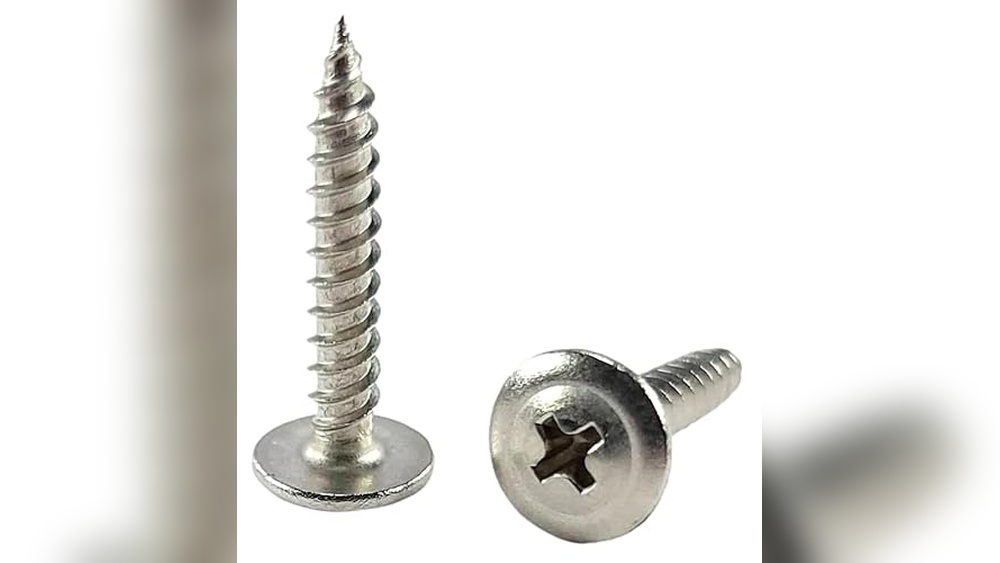
Specialized screws designed for fiber cement have features to reduce cracking. They have sharp threads and tips for easy penetration. These screws often have ceramic or epoxy coatings to prevent rust. Using the right fiber cement screws helps avoid damage and ensures a strong hold for Hardie board.
Fastener Materials
Choosing the right fastener material is crucial for Hardie Board siding. The fasteners must resist rust and corrosion. This ensures long-lasting siding performance. Different materials offer various benefits. Understanding these materials helps pick the best fastener for your project.
Stainless Steel
Stainless steel fasteners resist rust and corrosion best. They are ideal for coastal or humid areas. These fasteners last longer and keep the siding secure. Stainless steel is strong and durable. It prevents staining on the Hardie Board surface.
Hot-dip Galvanized
Hot-dip galvanized fasteners have a thick zinc coating. This protects them from rust over time. They are cost-effective and reliable for most climates. These fasteners work well in areas with moderate moisture. The coating prevents corrosion and extends fastener life.
Ceramic Coated Fasteners
Ceramic coated fasteners offer extra protection against corrosion. The coating is smooth and durable. It reduces friction during installation. These fasteners prevent staining and maintain siding appearance. Ceramic coating works well in harsh weather conditions.
Choosing The Right Fastener Size
Choosing the right fastener size is crucial for a secure Hardie Board installation. The fastener must hold the board tightly without damaging it. Using the correct size helps prevent cracks and ensures the siding lasts longer.
Fastener size depends on board thickness and the material behind it. Proper length and diameter keep the board firmly attached to the wall. The head style also affects how well the fastener holds and resists weather.
Length Recommendations
Fasteners should be long enough to pass through the Hardie Board and at least 1 inch into the framing. For a 5/8 inch board, use 1 1/4 inch fasteners. Thicker boards need longer fasteners to reach the framing securely.
Too short fasteners cause weak attachment and loose siding. Too long fasteners may damage internal components or split the wood. Correct length ensures a strong, stable hold.
Diameter And Head Style
Choose fasteners with a diameter of 8 or 9 for Hardie Board. Thicker fasteners provide better grip but can crack the board if too large. Match the diameter to the board thickness and wall material.
Use corrosion-resistant fasteners with a wafer or bugle head. These heads sit flush or slightly below the surface. They reduce splitting and help seal the siding against moisture.
Impact On Durability
Proper fastener size improves the siding’s lifespan. Fasteners that are too small or short can loosen over time. This allows water to enter and cause damage.
Correct fasteners resist rust and hold firmly, protecting the board from wind and weather. This keeps the siding looking good and reduces repair costs.
Credit: www.aerosmithfastening.com
Installation Techniques
Installing Hardie board siding requires precise techniques to ensure durability and a clean look. Proper fastening and alignment prevent damage and improve the siding’s performance. Each step in installation plays a key role in the overall strength of the siding system. Focus on the starter strip, nailing method, and fastener spacing for best results.
Starter Strip Setup
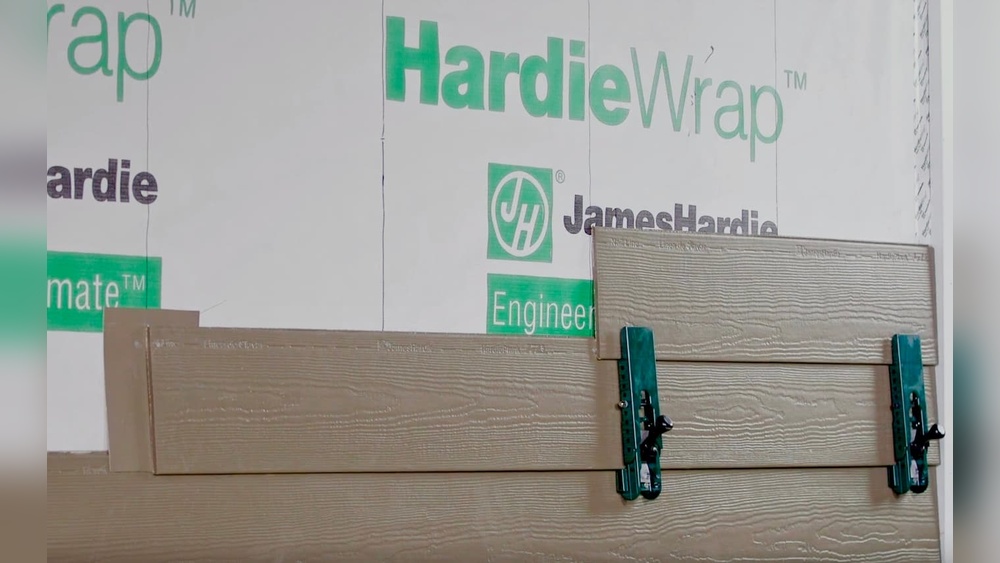
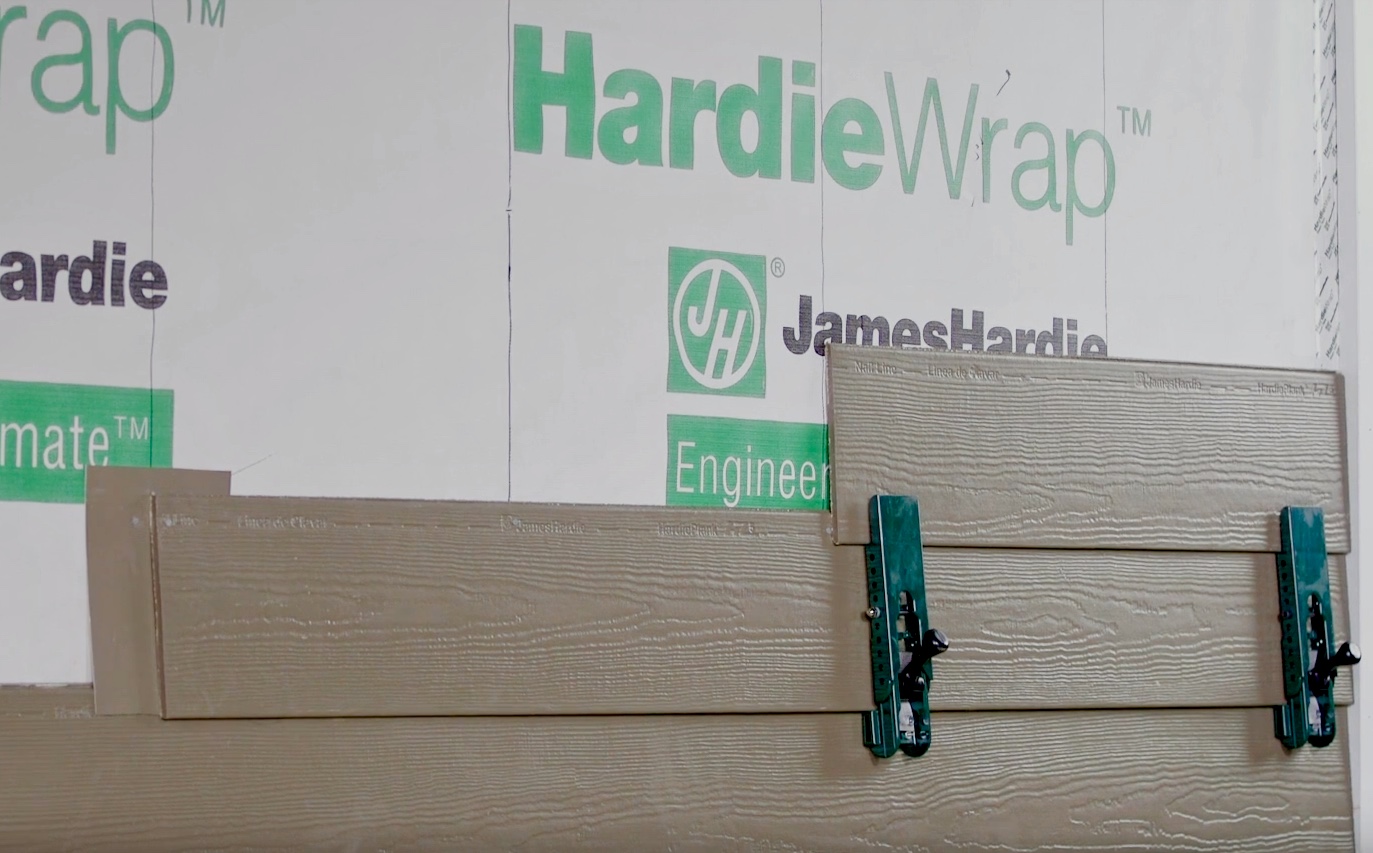
Begin with a level starter strip at the bottom of the wall. The starter strip supports the first course of Hardie board. Secure it tightly to the wall framing. Make sure it is straight and level to avoid uneven rows above. This strip helps keep siding pieces aligned and off the ground to prevent moisture damage.
Blind Nailing Method
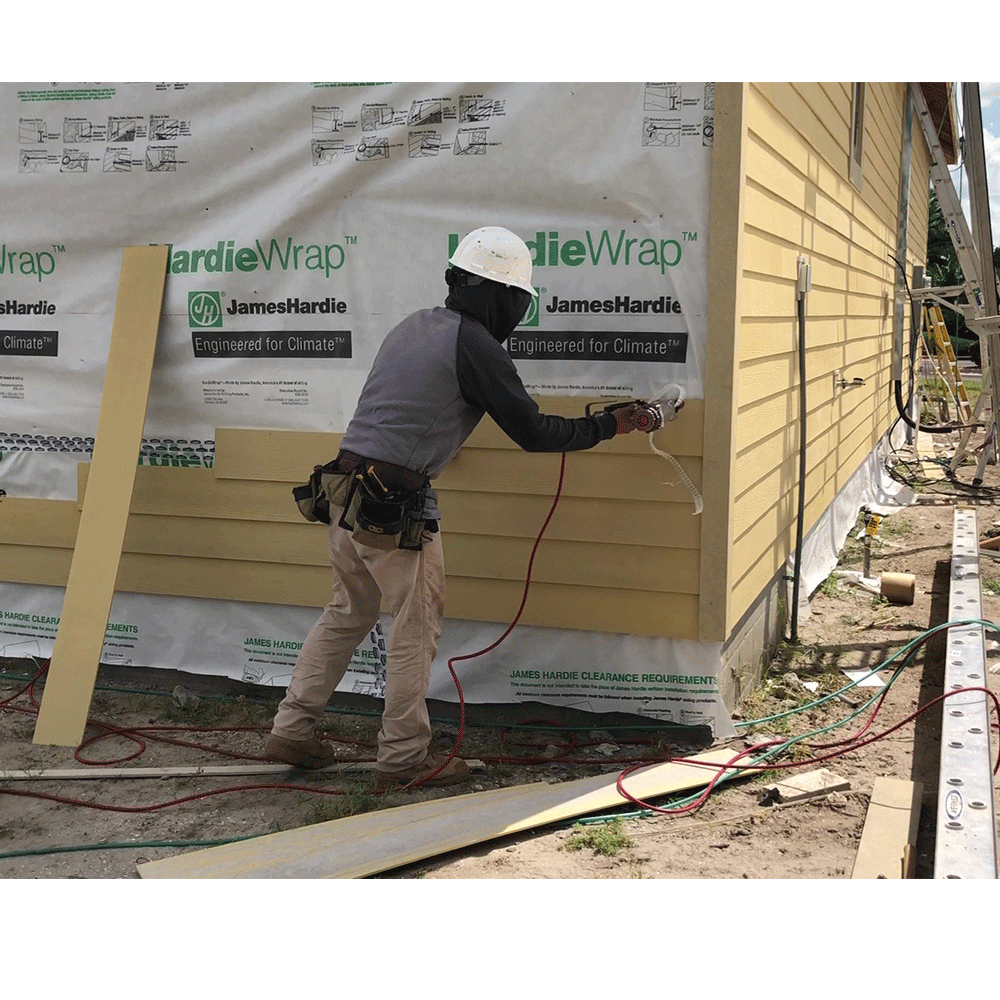
Use the blind nailing method to fasten Hardie board. Drive nails through the top edge into the studs. The nail heads must be flush but not over-driven. This method hides nails under the next siding panel. It protects fasteners from weather and creates a smooth, clean finish. Use corrosion-resistant nails or screws to avoid rust.
Proper Fastener Spacing
Space fasteners evenly along each siding panel. Nails or screws should be placed about 16 inches apart. Fasten at every stud to secure the siding firmly. Avoid placing fasteners too close to edges to prevent cracking. Correct spacing reduces movement and wind damage. Follow manufacturer guidelines for specific spacing requirements.
Surface Preparation
Proper surface preparation is essential for installing Hardie Board siding correctly. It ensures durability and prevents damage caused by moisture and shifting. Preparing the surface lays a strong foundation for the siding and fasteners to perform well over time.
Vapor Barrier Importance
A vapor barrier stops moisture from entering the wall. It protects the sheathing and framing from water damage. Use a high-quality, breathable barrier to allow trapped moisture to escape. This barrier helps prevent mold and rot inside the walls.
Sheathing Requirements
Sheathing must be flat, dry, and secure before installing Hardie Board. Plywood or oriented strand board (OSB) works best. Avoid damaged or warped panels that can cause uneven siding. Fasten the sheathing tightly to the studs to keep it stable.
Level Starter Strip Placement
Place a level starter strip at the bottom of the wall to hold the first row. This strip keeps the siding straight and aligned. Check it carefully with a level to avoid crooked boards. A proper starter strip supports the entire siding installation.
Credit: www.jameshardie.com
Cutting And Handling Hardie Board
Cutting and handling Hardie Board requires care and the right tools. This fiber cement siding material is tough but fragile if handled incorrectly. Proper techniques help prevent cracks and chips during installation. Following safe cutting practices also protects your health and improves project results.
Using Specialized Blades
Use carbide-tipped blades made for fiber cement. These blades cut cleanly through Hardie Board without excessive dust. A circular saw with a fine-toothed blade works best. Cutting slowly reduces heat and blade wear. Avoid using wood blades that can cause chipping or rough edges.
Avoiding Material Damage
Support Hardie Board fully when cutting to prevent breakage. Place it on a flat surface and clamp it if needed. Score the board first, then snap it along the line for straight cuts. Avoid bending the material sharply, which can cause cracks. Handle the edges gently to keep them intact.
Safety Tips
Wear a dust mask to avoid inhaling cement dust. Use safety goggles to protect your eyes from particles. Work in a well-ventilated area or outdoors. Clean up dust regularly to maintain a safe workspace. Gloves protect your hands from sharp edges and irritation.
Dealing With Openings And Joints
Dealing with openings and joints in Hardie Board siding requires careful attention. These areas are vulnerable to water infiltration and air leaks. Proper installation around windows, doors, and joints ensures durability and a clean finish. Using the right techniques and materials protects your siding and home from damage.
Fitting Around Windows And Doors
Cut Hardie Board panels precisely to fit around windows and doors. Leave a small gap for expansion and contraction. Use corrosion-resistant fasteners to secure panels firmly. Avoid driving fasteners too deep to prevent damage. Properly fitted panels prevent water from seeping behind the siding.
Using Joint Flashing
Joint flashing seals the gaps where two Hardie Board panels meet. Install flashing behind the siding at all horizontal and vertical joints. It directs water away from the seams to avoid leaks. Use metal or flexible flashing designed for fiber cement siding. Overlap flashing sections to create a continuous water barrier.
Caulking For Water Resistance
Apply high-quality exterior caulk at all joints and openings. Choose caulk compatible with fiber cement materials. Seal gaps between siding and trim around windows and doors. Smooth the caulk bead to ensure full coverage and adhesion. Proper caulking keeps water out and improves energy efficiency.

Credit: forum.nachi.org
Common Mistakes To Avoid
Installing Hardie board siding requires care and attention. Mistakes can cause damage or reduce the siding’s lifespan. Avoiding common errors helps your siding stay strong and look good for years. Here are some frequent mistakes to watch out for when fastening Hardie board.
Overdriving Fasteners
Driving fasteners too deep can weaken the board. Overdriven nails or screws may break the surface or leave holes. This can let water enter and cause damage. Fasteners should sit flush with the siding without sinking in. Use the right tool settings for consistent depth.
Incorrect Fastener Type
Using the wrong fasteners leads to rust and failure. Hardie board needs corrosion-resistant nails or screws. Stainless steel or hot-dip galvanized fasteners work best. Avoid common nails or plain screws that can rust quickly. Always check the manufacturer’s recommendations before buying fasteners.
Ignoring Expansion Gaps
Hardie board expands and contracts with temperature changes. Skipping expansion gaps can cause buckling or cracks. Leave proper spacing between boards and around openings. Follow spacing guidelines for your climate and siding type. This allows the siding to move safely without damage.
Recommended Fastener Brands
Choosing the right fasteners for Hardie Board siding is essential for a strong and lasting installation. Certain brands are trusted by professionals for their durability and corrosion resistance. These recommended fastener brands ensure your siding stays secure and performs well over time. Below are some reliable options to consider for your project.
Simpson Strong-tie
Simpson Strong-Tie offers high-quality fiber-cement screws designed for Hardie Board. Their fasteners resist rust and corrosion, perfect for outdoor use. These screws have sharp threads for easy penetration into wood or metal studs. Builders trust this brand for consistent strength and durability.
Hillman Fasteners
Hillman Fasteners provide wafer-head cement board screws that work well with Hardie siding. These screws have a ceramic coating to prevent rust. The wafer head design helps hold the siding firmly without splitting. They come in various sizes to fit different installation needs.
Backer-on Rock-on
Backer-On Rock-On fasteners are specifically made for cement boards like Hardie. Their star flat head screws offer a clean finish and strong grip. These screws are corrosion-resistant and designed to withstand weather exposure. Many contractors prefer them for their reliability and ease of use.
Maintenance Tips For Longevity
Proper maintenance of fasteners for Hardie Board siding ensures lasting performance. Taking care of these fasteners helps avoid costly repairs and keeps siding secure. Routine checks and timely actions extend the lifespan of your siding system. Below are simple maintenance tips to keep your fasteners in top shape.
Inspecting Fasteners Periodically
Check fasteners at least twice a year. Look for any that are loose, missing, or damaged. Tighten screws that have loosened over time. Use a flashlight to spot hidden issues behind siding edges. Early detection stops small problems from growing.
Replacing Damaged Screws
Remove rusted or stripped screws immediately. Replace them with corrosion-resistant fasteners made for Hardie Board. Use screws with proper length and head type for a firm hold. Avoid mixing fastener types to prevent siding damage. New screws improve siding stability.
Preventing Rust And Corrosion
Choose stainless steel or hot-dip galvanized screws to resist rust. Keep fasteners dry by ensuring proper siding installation and drainage. Apply rust-inhibiting spray if you live in humid or coastal areas. Avoid touching fasteners with bare hands to reduce corrosion risk. Clean fasteners gently with a soft brush if dirt builds up.
Frequently Asked Questions
What Is The Best Way To Fasten Hardie Board Siding?
Fasten Hardie board siding using corrosion-resistant nails or screws, like stainless steel or hot-dip galvanized. Blind nail into studs with a level starter strip. Stagger seams, use a vapor barrier, and leave gaps for caulking at corners and openings for best results.
What To Attach A Hardie Board With?
Attach Hardie board with corrosion-resistant fasteners like stainless steel or hot-dip galvanized nails or screws. Use fiber cement screws for best results. Ensure fasteners penetrate studs securely for stable installation. Avoid regular nails to prevent rust and damage.
Can You Nail A Hardie Board With A Framing Nailer?
You can use a framing nailer on Hardie board only if it supports corrosion-resistant nails. Use nails at least 1. 5 inches long. Avoid split or weak fastening by pre-drilling or using a nailer designed for fiber cement siding. Follow manufacturer recommendations for best results.
What Is The Best Fastener For Hardie Soffit?
The best fastener for Hardie soffit is corrosion-resistant fiber cement screws or hot-dip galvanized nails. Use stainless steel for durability.
Conclusion
Choosing the right fasteners for Hardie Board ensures strong, lasting siding. Use corrosion-resistant nails or screws designed for fiber-cement materials. Proper fastening prevents damage from weather and keeps the siding secure. Always follow installation guidelines for best results. Good fasteners make your Hardie Board perform well over time.