If you’re looking to create a flawless deck without visible screws ruining the clean look, mastering the Cortex Hidden Fastening System is your key. This innovative system lets you secure your decking boards firmly while keeping fasteners out of sight, giving your outdoor space a sleek, professional finish.
In this guide, you’ll learn exactly how to install the Cortex Hidden Fastening System step by step, ensuring your deck is not only sturdy but also visually stunning. Ready to transform your decking project with a fastener solution that combines strength and style?
Keep reading, and you’ll discover the easy techniques that make hidden fastening a game-changer for your next build.
Tools And Materials
Installing the Cortex Hidden Fastening System requires the right tools and materials. Proper preparation helps ensure a smooth and secure deck assembly. Using recommended items improves durability and the finished look.
Required Tools
Start with a cordless drill or impact driver. Use a special Cortex collated screw driver bit. A tape measure and carpenter’s square help keep accurate spacing. A chalk line ensures straight deck board placement. Safety glasses and gloves protect your eyes and hands during installation.
Choosing The Right Fasteners
Only use Cortex hidden fasteners designed for your decking type. These fasteners fit into the deck board grooves. They provide a clean, screw-free surface. Select the fastener length based on your deck board thickness. Avoid mixing fastener brands to maintain system compatibility.
Decking And Framing Materials
Choose decking boards compatible with hidden fastening systems. Composite, PVC, and some hardwoods work well. The framing should be made of pressure-treated wood or metal. Ensure joists are spaced evenly, typically 16 inches apart. This spacing supports fasteners and deck boards securely.
Preparing The Deck
Preparing the deck is a crucial step before installing the Cortex Hidden Fastening System. This stage ensures a solid, even foundation for your deck boards. Proper preparation avoids future issues and helps the fasteners perform well. Follow these steps carefully to get started.
Inspecting Joists And Frame
Check all joists for damage or rot. Replace any weak or broken pieces. Make sure the frame is level and square. Tighten loose connections and add support where needed. A strong frame keeps the deck stable and safe.
Measuring And Marking
Measure the deck area accurately. Mark the joist locations on the deck surface. Use a pencil or chalk line for clear marks. These guides help place fasteners in the right spots. Accurate marking speeds up the installation process.
Cleaning Deck Surface
Remove dirt, leaves, and debris from the deck surface. Sweep or use a blower to clear the area. Clean surfaces allow fasteners to hold better. This step also prevents damage to the decking material. A clean deck surface helps achieve a neat finish.
Installing Cortex Fasteners
Installing Cortex fasteners ensures a clean and durable deck surface. These hidden fasteners secure deck boards firmly without visible screws. Proper installation guarantees a strong hold and a professional look. Follow these steps carefully to install Cortex fasteners correctly.
Aligning The Hidden Fasteners
Start by placing the hidden fastener into the groove of the deck board. Make sure the fastener aligns perfectly with the edge of the board. Proper alignment keeps the deck boards evenly spaced and secure. Check each fastener’s position before driving screws. This step prevents misalignment and uneven gaps.
Securing Fasteners To Joists
Position the fastener over the joist below the deck board. Use a drill with the correct bit to drive the screw through the fastener. Secure the fastener tightly to the joist for a strong hold. Avoid overtightening, which can damage the board or fastener. Ensure each screw is flush but not sunk too deep.
Spacing And Placement Tips
Place fasteners at every joist along the deck board. Keep consistent spacing to avoid board movement or warping. Follow the manufacturer’s recommended spacing distance for best results. Space fasteners evenly to maintain deck stability and appearance. Double-check the spacing as you work to maintain uniformity.

Credit: www.diyhomecenter.com
Working With Composite And Pvc Decking
Composite and PVC decking materials require special care during installation. The Cortex Hidden Fastening System offers a clean, fastener-free surface ideal for these deck types. Proper techniques ensure strong, long-lasting decks without surface damage. This section explains key points for working with composite and PVC decking.
Fastener Compatibility
The Cortex system uses screws designed for composite and PVC boards. These fasteners resist corrosion and provide strong holding power. Use fasteners that match your decking brand and material. Avoid using regular wood screws, as they may cause splitting or poor grip.
Handling Different Board Types
Composite boards are dense and can be brittle, while PVC boards are softer and flexible. Handle composite boards carefully to prevent cracks. Support PVC boards well to avoid bending during installation. Keep boards clean and dry for best results.
Avoiding Damage During Installation
Pre-drilling is often unnecessary with Cortex fasteners, but check your board’s requirements. Align fasteners precisely in the groove to prevent surface marks. Use the correct drill settings to avoid overheating or stripping screws. Work steadily and avoid forcing fasteners.
Finishing Touches
Finishing touches are key to a professional-looking deck using the Cortex Hidden Fastening System. These final steps ensure your deck is not only strong but also smooth and safe. Take your time to check every detail before calling the job done.
Checking Fastener Stability
Test each fastener by pressing gently on the deck boards. The boards should feel firmly attached with no movement. If any board wiggles, tighten the fastener carefully. Avoid overtightening to prevent damage to the deck material.
Covering Screw Heads
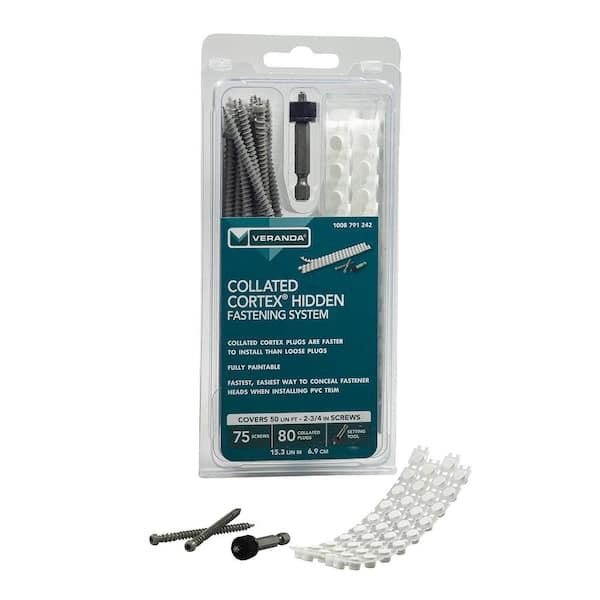
Use the supplied caps or plugs to cover screw heads. This step hides the screws completely for a clean look. Press each cover firmly until it snaps into place. Covered screws protect against rust and enhance deck appearance.
Final Deck Inspection
Walk over the entire deck surface slowly. Look for any raised screws or uneven boards. Check that gaps between boards are even and consistent. Clear away any debris or dust left from installation. This inspection guarantees a safe and attractive deck ready for use.
Credit: www.homedepot.com
Troubleshooting Common Issues
Troubleshooting common issues during Cortex Hidden Fastening System installation helps keep your project on track. Simple fixes can save time and prevent damage. Understanding typical problems lets you work confidently and efficiently.
Dealing With Stripped Screws
Stripped screws happen when the driver slips or the screw head is weak. Stop turning immediately if the screw won’t bite. Use a screw extractor or rubber band to get better grip. Replace stripped screws with high-quality ones to avoid repeats. Always use the correct bit size for Cortex screws.
Fixing Misaligned Fasteners
Misaligned fasteners can cause uneven decking and gaps. Remove the fastener carefully to avoid board damage. Realign the hidden fastener so it sits squarely in the groove. Check joist placement to ensure proper fastening points. Tighten screws evenly to hold boards firmly in place.
Addressing Board Movement
Board movement happens due to wood expansion or loose fasteners. Check that all fasteners are secure and seated properly. Add extra fasteners if boards feel loose or shift. Leave proper spacing between boards for natural expansion. Use quality Cortex screws to reduce movement and maintain stability.
Maintenance Tips
Maintaining the Cortex Hidden Fastening System is key to keeping your deck safe and looking great. Regular care helps avoid costly repairs and extends the fastener’s life. Simple checks and cleaning make a big difference.
Inspecting Fasteners Regularly
Check all fasteners every few months. Look for any that are loose or missing. Tighten loose screws to keep boards secure. Replace any fasteners that show signs of rust or wear. Early detection prevents bigger problems later.
Cleaning And Care
Keep the fasteners free from dirt and debris. Use a soft brush to clear dust and leaves. Avoid harsh chemicals that can damage the fastener’s finish. Wash gently with mild soap and water if needed. Dry the area thoroughly to stop rust.
Replacing Damaged Components
Replace any damaged fasteners right away. Remove the old fastener carefully to avoid board damage. Use the same type and size for a proper fit. Follow the installation steps to secure the new fastener. This keeps your deck safe and stable.

Credit: www.decksdirect.com
Frequently Asked Questions
Do You Need To Predrill For Cortex Screws?
Cortex screws usually do not require predrilling for composite or PVC decking. Simply drive them straight into the material.
Do Trex Hidden Fasteners Go On Every Joist?
Yes, Trex hidden fasteners must be installed at every joist to securely fasten each deck board properly.
How Do You Install Hidden Fastener Decking?
Slide the hidden fastener into the deck board groove. Align it on the joist, then securely screw it in. Repeat for each board.
What Is The Cortex Hidden Fastening System For Pvc Trim?
The Cortex hidden fastening system secures PVC trim with concealed screws. It features a TORX ttap drive for easy, strip-resistant installation and a stability button to keep fasteners straight. This system offers a fast, clean, and durable fastening solution for PVC trim.
Conclusion
Installing the Cortex Hidden Fastening System is straightforward and efficient. Follow each step carefully for a strong, clean finish. This system keeps fasteners hidden, improving deck appearance. Use the right tools and materials for best results. With patience and precision, your deck will look neat and last longer.
Enjoy the clean lines and professional look this system provides. Keep safety in mind and check your work as you go. The Cortex system offers a reliable way to fasten decking without visible screws.