If you’re working with wood and need a strong, reliable joint, corrugated fasteners are your secret weapon. But how do you hammer them in correctly to get the best hold without damaging your project?
You might have seen these wavy, zigzag-shaped fasteners and wondered about the right technique to use them effectively. This guide will walk you through simple, step-by-step instructions on how to hammer corrugated fasteners like a pro—saving you time, effort, and frustration.
Keep reading, and you’ll learn the tips and tricks that make your woodworking stronger and your finishes cleaner. Your next project will thank you!
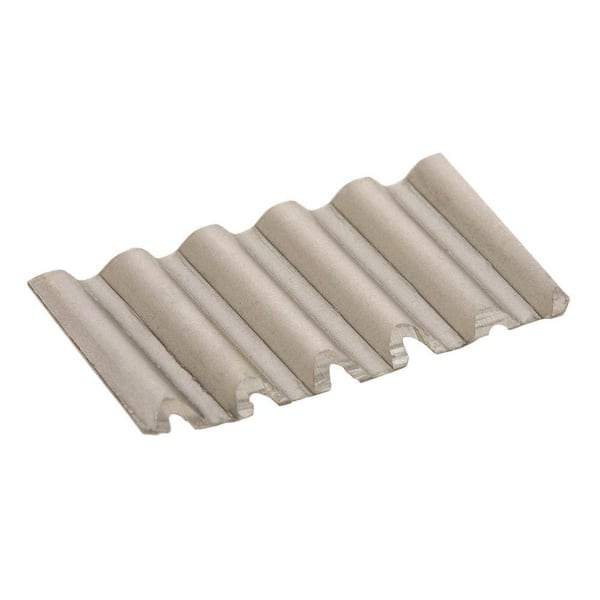
Credit: www.homedepot.com
Choosing Corrugated Fasteners
Choosing the right corrugated fasteners is key for a strong and lasting hold. These fasteners come in different styles and materials. Picking the correct type ensures your project stays secure and looks neat. Understanding the options helps you avoid mistakes and saves time on the job.
Types Of Corrugated Fasteners
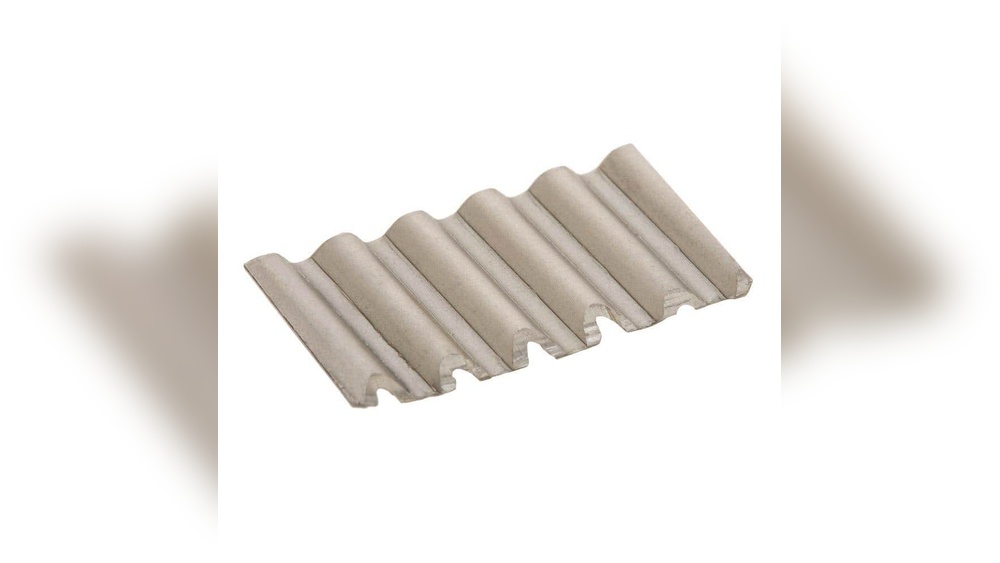
Corrugated fasteners vary by shape and size. Common types include CF, W, and X shapes. Each offers different holding power and flexibility. CF fasteners provide a tight grip for heavy-duty jobs. W-shaped fasteners work well for medium strength needs. X-shaped fasteners are ideal for lighter tasks. Choose the shape that fits your project needs.
When To Use Corrugated Fasteners
Use corrugated fasteners when joining parallel wood boards. They are perfect for tabletops and paneling. These fasteners help avoid wood splitting. They also hold pieces tightly together without screws or glue. For projects needing a strong, clean joint, corrugated fasteners perform well. Avoid using them on very thin or fragile wood.
Materials Compatibility
Corrugated fasteners work best with wood materials. Softwoods and hardwoods both respond well. Avoid using them on metal or plastic surfaces. Some fasteners come coated to resist rust. Choose coated fasteners for outdoor or damp environments. Always match fastener material to the wood type for best results.
Tools You Need
To hammer corrugated fasteners correctly, having the right tools is essential. Proper tools help you drive fasteners smoothly without damaging materials. It also makes your work faster and more precise.
This section highlights the key tools you need for best results. Choosing the right hammer and using extra tools can make a big difference.
Selecting The Right Hammer
Choose a hammer with a smooth face to avoid marks on the fasteners. A claw hammer with a comfortable grip works well. It allows better control and reduces hand fatigue. The hammer weight should be moderate, around 16 ounces. Heavy hammers may cause damage, while light ones may not drive fasteners fully.
Additional Tools For Best Results
Use a nail set to drive fasteners below the wood surface without splitting. A small block of wood can protect the fastener head during hammering. Pliers come handy to hold small fasteners steady. A measuring tape helps in placing fasteners evenly. These tools improve accuracy and protect your materials.
Preparing The Work Area
Preparing the work area is the first step to hammer corrugated fasteners correctly. It helps ensure safety and accuracy. A clean, organized space makes the task easier and faster. Taking time to prepare prevents mistakes and damage to materials.
Surface Preparation
Clear the surface of dust, dirt, and debris. Use a brush or cloth to wipe the wood clean. Smooth surfaces help fasteners hold better. Check for any nails or screws that may block the fastener. Remove or hammer them down to avoid problems.
Make sure the wood is dry. Wet wood can weaken the bond and cause slipping. If needed, sand rough spots lightly. This creates an even surface for the fasteners to grip.
Aligning Wood Pieces
Place the wood pieces in the exact position needed. Hold them firmly to avoid movement. Use clamps if possible to keep the pieces steady. Proper alignment ensures strong, neat joints.
Check edges and corners for evenness. Misaligned pieces cause weak joints and gaps. Adjust the wood until it fits tightly together. Once aligned, you can start hammering the fasteners with confidence.
Credit: www.betcofasteners.com
Hammering Techniques
Hammering corrugated fasteners requires specific techniques to ensure a secure hold and avoid damaging the materials. Using the right hammering method improves the strength of the joint and keeps the wood intact. Focus on proper positioning, hammer angle, and controlled striking force to achieve the best results.
Proper Fastener Positioning
Place the corrugated fastener flat against the wood surface. Align it so the waves grip the edges of the boards. Hold the fastener steady with your fingers at first. Avoid bending or twisting the fastener during placement. Correct positioning prevents splitting and ensures a tight fit.
Hammer Angle And Grip
Hold the hammer near the end of the handle for better control and power. Position the hammer so it strikes the fastener straight on, not at an angle. Keep your wrist firm but relaxed to avoid slipping. A steady grip helps deliver accurate and strong hits every time.
Striking With Controlled Force
Start with light taps to set the fastener in place. Increase force gradually while hammering to avoid bending the fastener. Focus on smooth, even strikes rather than hard, wild swings. Controlled force protects the wood and keeps the fastener aligned for a secure hold.
Avoiding Common Mistakes
Using corrugated fasteners correctly ensures strong wood joints. Avoiding common mistakes helps keep your project sturdy and neat. Simple steps prevent damage to wood and fasteners. Focus on key areas to improve your hammering technique.
Preventing Wood Splitting
Wood splits if hammered too hard or too close to edges. Start by placing fasteners away from edges and ends. Use a gentle tapping motion to set fasteners before full hammering. Pre-drilling small holes reduces pressure and prevents cracks. Choose the right size fastener for the wood thickness.
Avoiding Fastener Damage
Damaged fasteners weaken the joint and look unprofessional. Use a hammer with a smooth face to avoid bending fasteners. Hold the fastener steady and hammer straight to keep it aligned. Avoid hitting the corrugated edges directly. Replace bent or rusty fasteners to ensure strength.
Ensuring Secure Joints
Secure joints hold materials firmly together without wobbling. Drive fasteners flush with the wood surface, not too deep or loose. Space fasteners evenly for balanced strength. Check joints after hammering to ensure no gaps appear. Tighten loose fasteners promptly to maintain stability.
Finishing Touches
After driving corrugated fasteners into the wood, the finishing touches complete the job. These steps ensure the joint stays strong and secure. Proper finishing prevents movement and maintains the wood’s integrity over time.
Bending Fastener Legs
Bend the fastener legs carefully to lock the joint. Use pliers or a flat screwdriver for better control. Bend each leg flat against the wood surface. This prevents the fastener from pulling out. Avoid bending too hard to stop wood damage.
Checking Joint Stability
Press the joint to test its firmness. Wiggle the connected pieces gently to feel any looseness. A stable joint should not move or shift. If it feels loose, hammer the fastener deeper and bend the legs again. Check all fasteners for even security.
Removing Corrugated Fasteners
Removing corrugated fasteners requires care and the right approach. These fasteners hold wood pieces tightly together. Removing them without damage is important for reusing materials or fixing mistakes. Proper removal keeps wood intact and ready for new projects.
Tools For Removal
Use a flat pry bar or a small crowbar to start. Needle-nose pliers help grip the fastener edges. A hammer with a claw is useful for prying out stubborn fasteners. Sometimes, a putty knife can help lift fasteners gently. Choose tools that fit the size of the fasteners.
Safe Extraction Methods
Start by loosening the edges of the fastener gently. Work slowly to avoid splitting the wood. Use pliers to pull the fastener straight out once loosened. Tap lightly with a hammer if the fastener is stuck. Keep pressure even to prevent bending or breaking the wood.

Credit: www.ironwirenails.com
Frequently Asked Questions
How To Remove Corrugated Staples?
Use pliers to grip and pull staples gently. If stuck, pry them out carefully with a flat tool. Avoid wood damage.
What Is A Corrugated Fastener Tool?
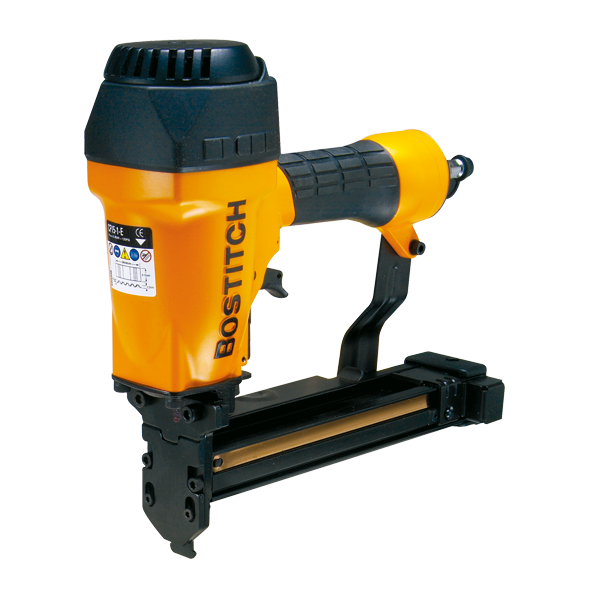
A corrugated fastener tool drives wavy metal strips to join wood securely. It prevents splitting and ensures strong, durable woodworking joints.
How To Use Two Prong Fasteners?
Place the two-prong fastener through aligned materials. Bend each prong inward using pliers or a blunt tool to secure the joint firmly.
When To Use Corrugated Fasteners?
Use corrugated fasteners to join parallel boards, create strong wood joints, and prevent wood splitting. They hold better than nails in small timber.
Conclusion
Hammering corrugated fasteners takes practice and care. Use steady, controlled strikes for best results. Avoid hitting too hard to prevent damage. Hold the fastener firmly in place before starting. Choose the right hammer size for easier driving. Corrugated fasteners provide strong, lasting joints in woodwork.
Follow these simple steps to work safely and efficiently. With patience, your projects will hold tight and look great. Keep tools in good condition for smoother work each time. Trust the process, and your skills will improve quickly.