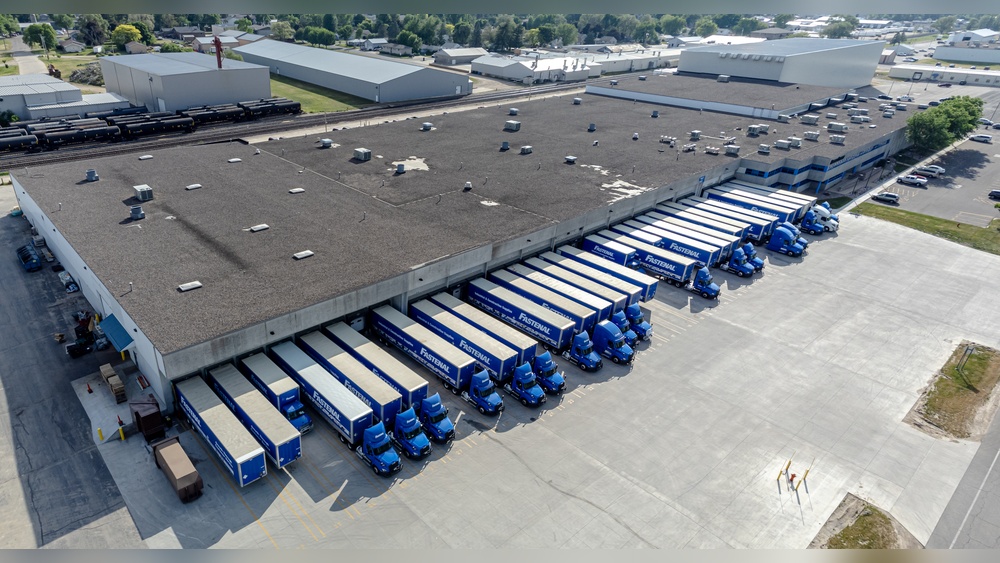
Are you curious whether Fastenal is publicly traded and how that might affect your investment decisions? Knowing if a company is listed on the stock market can open up new opportunities for your portfolio and help you understand its financial health.
You’ll discover Fastenal’s status as a public company, its stock symbol, and what that means for you as an investor or business enthusiast. Keep reading to get clear, straightforward answers that will help you make smarter moves with your money.
Fastenal Company Profile
Fastenal is a well-known company in the industrial supply sector. It offers a wide range of products for construction, manufacturing, and maintenance. Understanding Fastenal’s profile helps clarify its public trading status and market presence.
The company has grown steadily since its founding. Its operations span multiple locations, serving many industries. Fastenal’s business model focuses on customer service and product availability.
Founding And History
Fastenal was founded in 1967 in Winona, Minnesota. Bob Kierlin started the company with a small store. Over time, Fastenal expanded across the United States. The company went public in 1987, listing on the NASDAQ exchange. Its growth continued through acquisitions and new branches.
Core Business And Products
Fastenal supplies industrial and construction products. It offers fasteners, tools, safety gear, and more. Customers include manufacturers, contractors, and government agencies. The company focuses on quality products and quick delivery. Fastenal also provides inventory management solutions for clients.
Headquarters And Operations
Fastenal’s headquarters is in Winona, Minnesota. It operates thousands of stores and distribution centers worldwide. The company employs over 20,000 people. Operations include retail stores, e-commerce, and vending machines. Fastenal serves customers in North America, Asia, and Europe.
Stock Market Listing
Understanding Fastenal’s stock market listing helps investors and enthusiasts track its financial performance. The company’s presence on the stock market reflects its growth and business transparency. This section explains Fastenal’s public or private status, its stock exchange and symbol, and details about its initial public offering.
Public Or Private Status
Fastenal is a publicly traded company. It offers shares to the public through stock markets. This status allows investors to buy and sell Fastenal stock freely. Being public means the company follows strict financial reporting rules. It also provides transparency to shareholders and the market.
Stock Exchange And Symbol
Fastenal trades on the NASDAQ stock exchange. Its stock symbol is “FAST.” NASDAQ is known for technology and industrial companies. The “FAST” symbol makes it easy for investors to find and track Fastenal. Trading on NASDAQ increases the company’s visibility among investors.
Initial Public Offering
Fastenal held its initial public offering (IPO) in 1987. The IPO marked its transition from a private to a public company. During the IPO, Fastenal sold shares to raise capital for growth. This event opened new opportunities for investment and expansion. Since then, Fastenal has grown steadily with active trading of its shares.
Stock Performance
Fastenal’s stock performance reveals insights into its market presence and investor confidence. Tracking its price movements, dividends, and earnings helps understand its financial health. Investors watch these factors closely to gauge potential opportunities.
Fastenal trades under the symbol FAST on the NASDAQ exchange. The company has attracted significant interest from institutional investors. Its stock data shows how the business has grown and adapted over time.
Recent Price Trends
Fastenal’s stock price has experienced moderate fluctuations in recent months. It reflects changes in the industrial supply market and broader economic shifts. The stock showed resilience during market dips, often recovering steadily. Short-term trends may indicate investor sentiment and external influences.
Historical Stock Data
Since its IPO in 1987, Fastenal’s stock has generally trended upward. The company has expanded its product lines and global reach. Past stock data highlights periods of rapid growth and occasional slowdowns. Long-term investors often value this steady progression and market adaptation.
Dividend And Earnings Reports
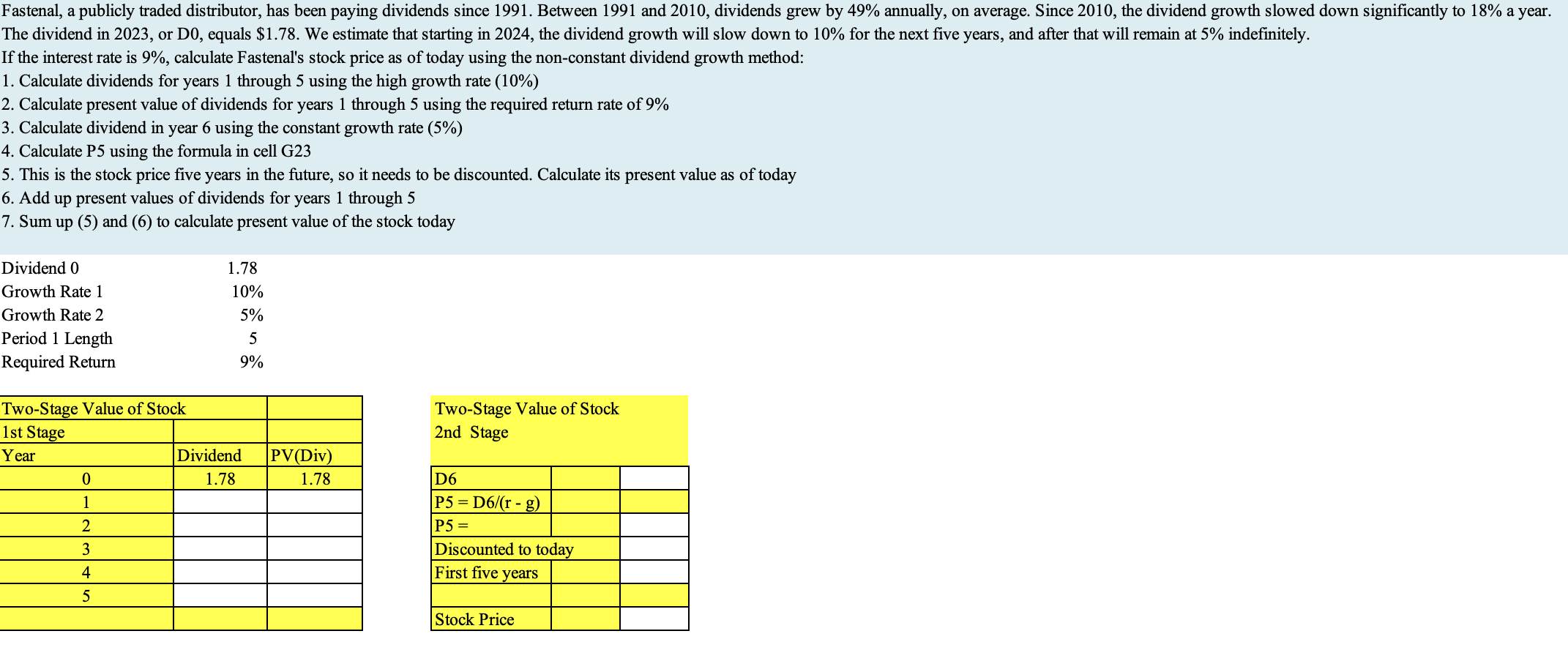
Fastenal consistently pays dividends, appealing to income-focused investors. Its earnings reports reveal steady revenue growth and controlled expenses. Dividend increases over time demonstrate strong cash flow and commitment to shareholders. Quarterly earnings updates provide transparency on company performance.

Credit: en.wikipedia.org
Investor Information
Fastenal is a publicly traded company listed on the NASDAQ stock exchange. Investors seeking to learn about its ownership and market stance will find key details under investor information. This section highlights major shareholders, institutional ownership, and analyst ratings. Understanding these elements helps gauge the company’s market position and investor confidence.
Major Shareholders
Fastenal’s ownership includes several major shareholders. Founders and executives hold a significant stake. Large individual investors also own shares. These shareholders influence company decisions and governance. Their involvement shows confidence in Fastenal’s business model.
Institutional Ownership
Institutional investors control a large portion of Fastenal’s stock. Firms like The Vanguard Group, BlackRock, and State Street Global Advisors are key holders. Their investments reflect trust in Fastenal’s growth potential. Institutional ownership often signals stability and strong market interest.
Analyst Ratings
Financial analysts provide ratings to guide investors. Fastenal has varied ratings based on recent performance and forecasts. Some analysts see growth opportunities, while others caution on valuation. These ratings help investors make informed decisions about buying or selling stock.
Investment Considerations
Investing in Fastenal requires careful thought about several factors. Understanding these can help decide if Fastenal fits your portfolio and goals. Below are key points to consider before making an investment decision.
Valuation Metrics
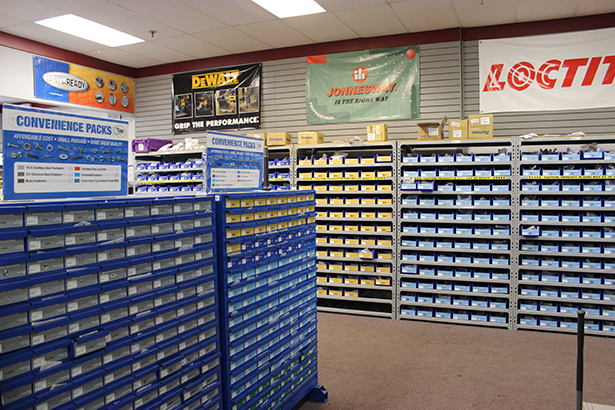
Fastenal’s stock price compared to earnings and book value shows how the market values it. Its price-to-earnings (P/E) ratio often appears higher than the industry average. This suggests investors expect steady growth. The company’s dividend yield offers income but remains moderate. Evaluating these metrics helps gauge if the stock is fairly priced.
Growth Prospects
Fastenal has grown through expanding its product range and store network. The company targets industrial and construction sectors with steady demand. It invests in technology to improve sales and efficiency. This focus may support consistent revenue growth over time. Watch for new markets or services that could boost future earnings.
Market Risks
Fastenal faces risks from economic slowdowns that reduce demand for industrial supplies. Competition from other distributors can pressure prices and market share. Changes in raw material costs may affect profit margins. Regulatory changes or supply chain issues could also impact operations. These risks can influence stock performance and should be monitored closely.
Credit: positivelysuperior.com
Where To Trade Fastenal Stock
Fastenal stock offers opportunities for many investors. Knowing where to trade it is important. This guide helps you understand the best ways to buy and sell Fastenal shares. You will learn about trusted brokerage platforms, trading hours, and order types.
These details help you trade Fastenal stock smartly and with ease. Even beginners can follow along and make informed decisions.
Brokerage Platforms
Fastenal stock trades on the NASDAQ exchange under the symbol FAST. You can buy or sell it using many online brokerages. Popular platforms include ETRADE, Charles Schwab, TD Ameritrade, and Robinhood. These platforms provide user-friendly interfaces and research tools. Choose one that fits your budget and trading style. Most offer mobile apps for trading on the go.
Trading Hours
The NASDAQ stock market operates from 9:30 AM to 4:00 PM Eastern Time. These are the regular trading hours for Fastenal stock. Pre-market and after-hours trading also exist but with less volume. Prices can be more volatile outside regular hours. It is safer to trade during normal market times for better liquidity and price stability.
Order Types
When trading Fastenal stock, you can use different order types. A market order buys or sells shares immediately at the current price. A limit order sets a price limit to buy or sell. Stop orders help limit losses or lock profits by triggering a trade at a set price. Learning these order types helps control your trades and manage risks effectively.
Credit: www.chegg.com
Frequently Asked Questions
Is Fastenal Public Or Private?
Fastenal is a publicly traded company listed on NASDAQ under the ticker symbol FAST. It operates in industrial and construction supplies.
What Is The Stock Symbol For Fastenal?
The stock symbol for Fastenal is FAST. It trades on the NASDAQ stock exchange.
Is Fastenal Stock A Good Investment?
Fastenal stock shows steady growth and strong dividends but may be overvalued. Assess risk tolerance before investing.
When Did Fastenal Ipo?
Fastenal went public with its IPO on November 22, 1987. It trades under the symbol FAST on NASDAQ.
Conclusion
Fastenal is indeed publicly traded on NASDAQ under the symbol FAST. Its shares are owned by many large investors like Vanguard and BlackRock. The company has shown steady growth in industrial supplies. Investors watch Fastenal’s stock performance closely. Understanding its public status helps in making informed investment choices.
Keep an eye on market updates for the latest news. Fastenal’s public trading reflects its strong market presence. This information can guide your financial decisions effectively.