If you’ve ever wondered what makes certain panels on cars, aircraft, or race vehicles snap securely into place yet come off quickly when needed, the secret often lies in Dzus fasteners. These clever little devices might seem simple, but they pack a punch in convenience and strength.
You might ask yourself, how do Dzus fasteners work so efficiently to hold parts together while allowing fast removal? Understanding this could save you time and hassle in your next project or repair. You’ll discover exactly how these quarter-turn fasteners operate, why they’re trusted across industries, and how they can make your work smoother and faster.
Ready to unlock the mystery behind Dzus fasteners? Let’s dive in.
Credit: dragracesolutions.com
Dzus Fastener Basics
Dzus fasteners are simple but effective devices. They hold panels and parts firmly in place. Their design allows quick fastening and release, ideal for vehicles and machinery. Understanding their basics helps in using them properly and safely. Below are the key aspects that explain how Dzus fasteners work.
Key Components
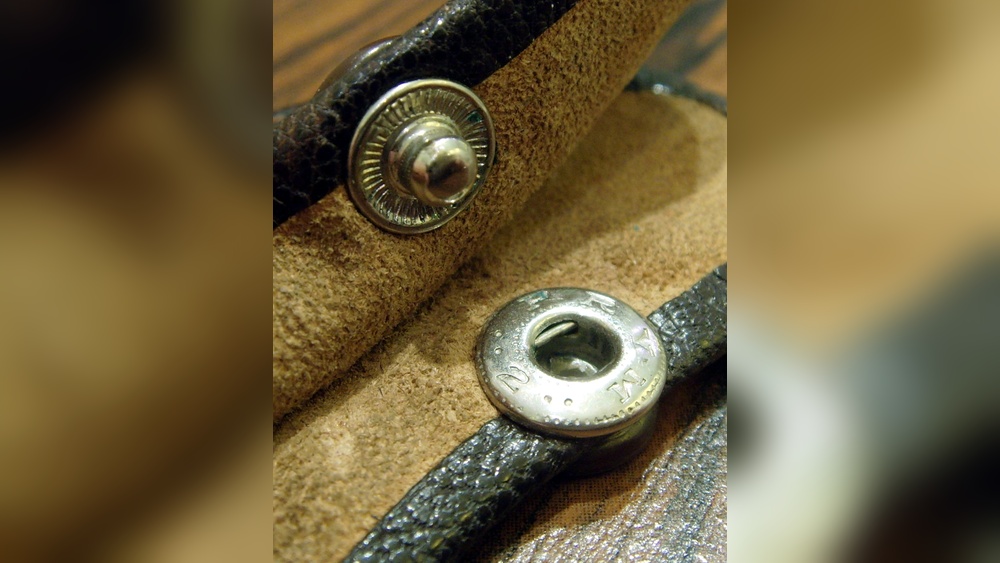
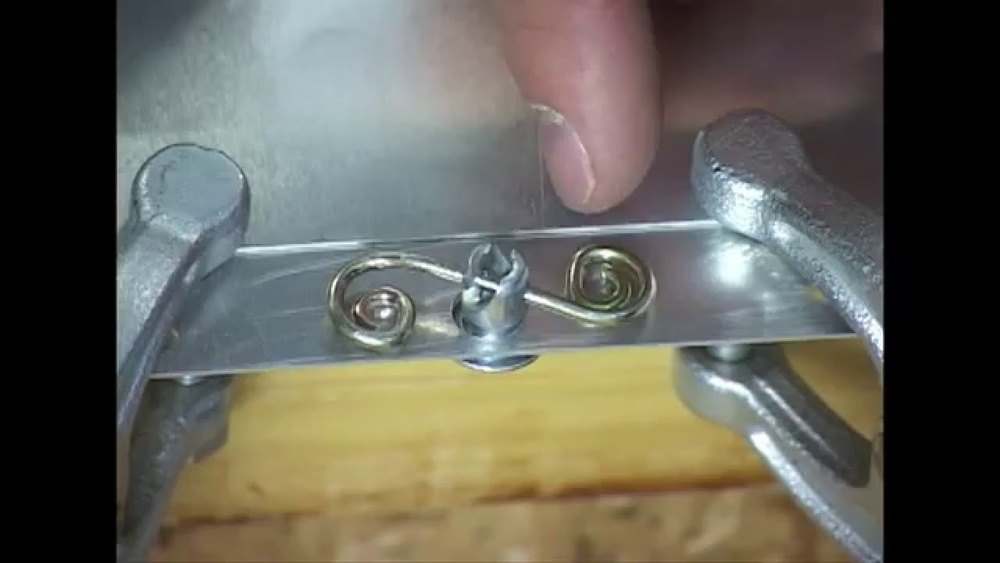
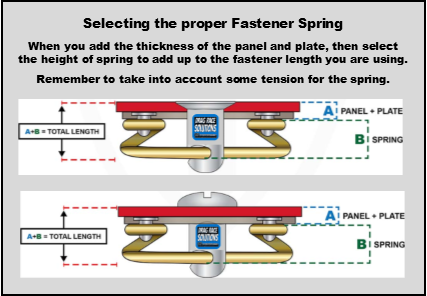
A Dzus fastener has three main parts. The stud, usually metal, fits into the panel. The receptacle or grommet holds the stud securely. A spring inside the receptacle provides tension. Together, these parts keep panels tightly joined.
Spiral Cam Mechanism
The spiral cam is a special shape on the stud. It matches a groove in the receptacle. When turned, the spiral pulls the panels together. This mechanism locks the parts firmly. It also prevents loosening during vibration or movement.
Quarter-turn Operation
Dzus fasteners use a quarter-turn to lock and unlock. Turn the stud 90 degrees to engage or release it. This quick action saves time compared to screws or bolts. Tools are not always needed; sometimes fingers can turn the fastener. The fastener often clicks when locked, giving a clear signal of secure fastening.
Installation Process
The installation process for Dzus fasteners is straightforward and efficient. It ensures panels stay firmly attached while allowing easy removal. Each step plays a key role in the proper functioning of these fasteners.
Preparing Panels
Start by aligning the panels that need to be fastened. Ensure the holes on both panels match perfectly. Clean the panel edges to remove dirt and grease. This step helps the fasteners fit securely and prevents damage.
Inserting The Fastener
Take the fastener stud and insert it through the hole from one panel. The stud must fit smoothly without forcing it. Position the receptacle and spring on the opposite panel, aligned with the stud. The stud and receptacle work together to hold the panels.
Securing And Locking
Turn the fastener stud a quarter turn using your hand or a simple tool. The spiral cam inside the fastener engages, locking the panels tightly. You may hear a slight click, signaling it is secure. Check for firm attachment and adjust if needed.
Common Applications
Dzus fasteners serve many industries due to their quick-release feature. They allow easy access to panels and parts without tools. Their design holds panels firmly even in high-vibration conditions. Below are some common applications where Dzus fasteners prove essential.
Aircraft Panels
Aircraft use Dzus fasteners to secure skin panels and access doors. Maintenance crews remove panels quickly for inspection and repairs. The fasteners keep panels tight during flight, resisting vibration and pressure changes. This reliability makes them a trusted choice in aviation.
Race Car Bodywork
Race cars rely on Dzus fasteners for fast body panel removal. Pit crews can change parts swiftly during races, saving valuable seconds. The quarter-turn mechanism allows quick fastening without tools. They hold securely even under intense racing conditions.
Other Vehicle Uses
Dzus fasteners appear on street rods, scooters, and off-road vehicles. They offer easy panel removal for repairs and customization. Many industrial machines also use them for quick access to internal parts. Their versatility fits many vehicle types and equipment.
Benefits Of Dzus Fasteners
Dzus fasteners offer many benefits that make them a popular choice for securing panels. Their design helps users save time and effort. These fasteners provide a reliable and strong hold. They are ideal for applications requiring frequent access and durability.
Quick Panel Access
Dzus fasteners allow panels to be removed quickly. A simple quarter-turn releases the fastener. This saves time during repairs or inspections. No special tools are needed, just a screwdriver or hand tool. Fast access is crucial in many industries like racing and aviation.
Vibration Resistance
The spiral cam design keeps the fastener tight. It resists loosening from vibrations and shocks. This makes Dzus fasteners reliable in moving machines. Panels stay secure even on rough roads or in flight. Vibration resistance ensures safety and reduces maintenance needs.
Strong Clamping Force
Dzus fasteners create a firm grip between panels. The cam mechanism pulls panels tightly together. This prevents rattling and gaps. A strong clamping force protects against water and dust. It also improves the overall strength of the assembly.
Versatility In Design
Dzus fasteners come in many sizes and styles. They fit different panel thicknesses and materials. This versatility makes them suitable for cars, aircraft, and industrial equipment. They can be mounted in various ways to meet design needs. Their adaptable nature supports many applications.
Types And Styles
Dzus fasteners come in several types and styles. Each suits different needs and applications. Understanding these variations helps in choosing the right fastener for your project. Here is a look at the main types and styles of Dzus fasteners.
Head Styles
Dzus fasteners feature various head styles. Common head types include slotted, Phillips, and hex heads. Slotted heads require a flat screwdriver. Phillips heads need a cross-shaped screwdriver. Hex heads fit a hex key or wrench. The choice depends on the tools available and the panel design. Some heads are low profile for a smooth finish. Others have knurled edges for better grip.
Tool Vs Hand Operation
Some Dzus fasteners operate with tools only. These fasteners need a screwdriver or wrench to lock and unlock. Others are designed for hand operation. Hand-operable fasteners have a wing or thumb tab. This style allows quick panel removal without tools. Hand operation is common in race cars and aircraft. Tool-only fasteners offer a tighter, more secure fit.
Self-eject Variants
Self-eject Dzus fasteners add convenience. When unlocked, they push the panel away slightly. This feature prevents the panel from sticking or falling. Self-eject fasteners save time during quick maintenance. They reduce damage caused by forced removal. These variants are popular in racing and aviation sectors. They combine speed with safety and ease of use.

Credit: www.speedwaymotors.com
Maintenance Tips
Proper maintenance keeps Dzus fasteners working smoothly and reliably. Neglecting their care can cause difficulty in use and shorten their lifespan.
Simple steps ensure these fasteners stay secure and easy to operate. Regular checks and care prevent damage and wear.
Regular Inspection
Check fasteners often for signs of wear or damage. Look for bent studs or worn springs. Ensure the receptacle holds the stud firmly. Replace any parts that look cracked or loose. Tighten any loose fasteners to keep panels secure.
Lubrication Advice
Use a light lubricant on the stud and spring to reduce friction. Avoid heavy oils that attract dirt and dust. Apply lubricant sparingly and wipe off excess. This helps the fastener turn smoothly without sticking. Regular lubrication prevents rust and corrosion.
Replacement Guidelines
Replace fasteners if they do not lock tightly or turn with difficulty. Use original or compatible parts for the best fit. Remove worn fasteners carefully to avoid panel damage. Install new fasteners straight and secure to ensure proper function. Timely replacement keeps panels safe and easy to open.
Troubleshooting Common Issues
Troubleshooting common issues with Dzus fasteners helps keep panels secure and functional. Simple problems can cause loose or hard-to-lock fasteners. Identifying wear and tear signs early saves time and effort. This section explains how to fix frequent fastener problems.
Loose Fasteners
Loose Dzus fasteners often result from worn springs or damaged studs. Check if the stud spins freely without locking. Tighten the stud by turning it clockwise until it feels firm. If the fastener remains loose, replace the spring or stud to restore grip. Ensure the receptacle is not bent or worn out.
Difficulty Locking
Difficulty locking Dzus fasteners happens when dirt or debris blocks the mechanism. Clean both the stud and receptacle with a soft brush or cloth. Lubricate lightly with a silicone spray to ease movement. Align the panels carefully before turning the stud. Avoid forcing the fastener, as this can cause damage.
Wear And Tear Signs
Inspect Dzus fasteners regularly for cracks, corrosion, or worn threads. Rust weakens metal parts and causes malfunction. Replace fasteners showing visible damage or excessive wear. Check the spring tension to ensure it still provides a strong hold. Regular maintenance extends the life of your fasteners and panels.

Credit: en.wikipedia.org
Choosing The Right Fastener
Choosing the right Dzus fastener is vital for safety and performance. Each fastener suits specific needs and conditions. Selecting the correct type ensures panels stay secure and easy to access.
Consider the environment and demands placed on the fastener. The right choice reduces wear and prevents failures. Factors like material, size, and application guide the decision.
Material Considerations
Material affects strength, corrosion resistance, and weight. Stainless steel suits harsh environments due to rust resistance. Aluminum offers lightness but less strength. Plastic fasteners resist chemicals but may lack durability. Choose material based on exposure to weather and chemicals.
Size And Strength
Fasteners come in various sizes and load capacities. Larger fasteners hold more weight and offer higher strength. Select size according to panel thickness and force applied. Oversized fasteners add weight; too small ones risk failure. Match size carefully to balance strength and weight.
Application Specifics
Consider where and how the fastener will be used. Aircraft panels need vibration resistance and quick release. Race cars require fast removal and strong holding power. Industrial uses may demand chemical resistance or high temperature tolerance. Tailor fastener choice to specific job requirements.
Frequently Asked Questions
How To Fit Dzus Fasteners?
Insert the Dzus fastener upside down through the panel hole. Twist it a quarter turn clockwise until it clicks securely in place.
What Is A Dzus Fastener?
A Dzus fastener is a quarter-turn, quick-release fastener that secures panels tightly. It uses a spiral cam mechanism for vibration resistance and fast access. Commonly used in aircraft and race cars, it allows rapid panel removal and strong clamping with a simple twist.
What Are The Advantages Of Dzus Fasteners?
Dzus fasteners enable quick, tool-operated panel removal and secure holding. They resist vibration and provide strong clamping. Their versatility suits various applications with multiple head styles.
What Are The Three Main Parts Of A Dzus Fastener?
The three main parts of a Dzus fastener are the stud, the receptacle (or grommet), and the spring. The stud twists into the receptacle. The spring ensures a secure, vibration-resistant hold.
Conclusion
Dzus fasteners offer a simple and effective way to secure panels. Their quarter-turn design allows quick attachment and removal. The spiral cam mechanism keeps panels tight, even under vibration. These fasteners suit many vehicles, from aircraft to race cars. Their strength and ease of use save time and effort.
Choosing the right Dzus fastener makes maintenance faster and easier. Small, reliable, and versatile, they remain popular in many industries. Understanding how they work helps in selecting and using them well.