Have you ever needed a simple, reliable way to hold your papers together without using sticky tape or messy glue? That’s exactly where paper fasteners come in.
These small but clever tools let you keep your documents neat and organized with ease. But paper fasteners aren’t just for office use—they can add a creative touch to your crafts and DIY projects too. Curious about how they work and what makes them so handy?
Keep reading to discover everything you need to know about paper fasteners and how they can make your paper tasks easier and more fun.
What Paper Fasteners Are
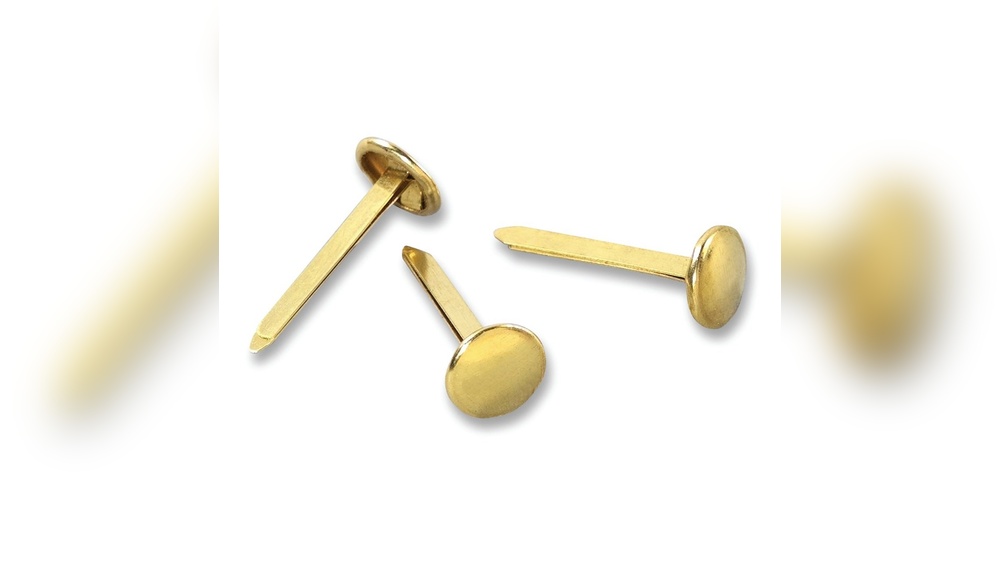
Paper fasteners are simple tools designed to hold sheets of paper firmly together. They have a round head and two flexible prongs that split at the back. These prongs can be bent to secure papers in place. Paper fasteners do not use glue or tape, making them reusable and convenient.
They are common in offices, schools, and craft projects. People use them to organize documents or create movable parts in paper crafts. Using paper fasteners is easy and effective for binding multiple sheets without damaging them.
What Paper Fasteners Look Like
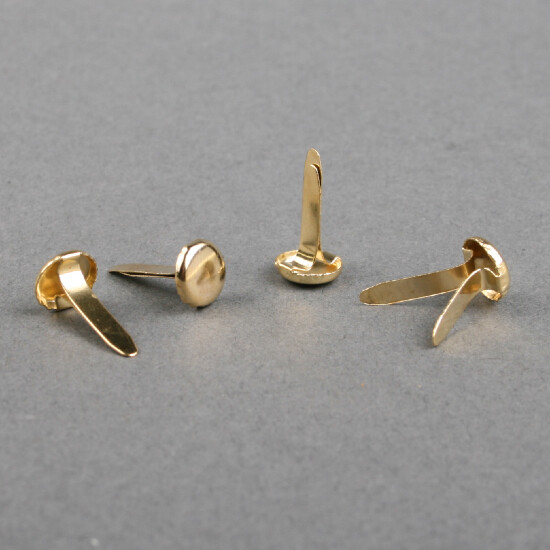
Paper fasteners usually have a small, round metal or plastic head. Underneath, two thin prongs extend and split apart. The prongs are flexible and bend outward to lock papers together. The size of the fastener can vary depending on the number of sheets it needs to hold.
How Paper Fasteners Work
First, a hole is punched through the papers. The fastener’s prongs slide through this hole. Then, the prongs bend outward flat against the paper’s back. This bending action holds the papers tightly. The fastener can be opened and reused multiple times.
Common Uses For Paper Fasteners
They secure reports, homework, and presentations. In crafts, they help make movable joints for paper models. Scrapbookers use them for decoration and functionality. They keep papers neat without punching many holes or using sticky adhesives.
Common Types
Paper fasteners come in various types to suit different needs. Each type offers unique features for holding papers or crafting projects. Understanding common types helps you choose the right fastener for your task.
Traditional Prong Fasteners
Traditional prong fasteners have a round head and two flexible metal prongs. You punch a hole in the papers and insert the prongs through. Then, bend the prongs flat to secure the papers together. These fasteners are ideal for organizing documents without stapling or gluing.
Decorative Brads
Decorative brads add a visual touch while fastening papers. They have small, colorful heads and two thin prongs. Brads are popular in scrapbooking and crafts. Insert the prongs through the paper and spread them apart at the back. This keeps papers firmly in place and adds style.
Pivoting Fasteners
Pivoting fasteners allow papers to rotate around a fixed point. They consist of a round head attached to a pivoting mechanism. These fasteners are perfect for creating flip charts or movable parts in crafts. Insert through paper holes and secure by bending the prongs or locking the pivot.
Materials And Designs
Paper fasteners come in various materials and designs to fit different needs. Their construction affects durability and appearance. Choosing the right material can improve the fastening strength and visual appeal. Designs vary from simple to colorful, adding style to your documents or crafts.
Brass And Metal Options
Brass is a popular material for paper fasteners. It resists rust and bends easily for secure fastening. Metal fasteners, including steel and aluminum, offer strong hold and longevity. These metals suit office use and craft projects. Their shiny finish gives a neat, professional look.
Colorful And Shaped Variants
Paper fasteners come in many colors like red, blue, green, and more. Bright colors make organizing easier and add fun to projects. Fasteners also come in shapes such as stars, hearts, or flowers. These variants enhance creative crafts and scrapbooking. They make your papers unique and eye-catching.
Using Paper Fasteners
Using paper fasteners is a simple and effective way to keep papers together. They work well for organizing documents and making craft projects. You do not need glue or tape. Just follow a few easy steps to use them correctly.
Creating Holes
Start by making small holes in the papers. Use a hole punch or a sharp tool for this. Make sure the holes line up perfectly. The holes must be just big enough for the fastener prongs.
Inserting Fasteners
Take the paper fastener and push its prongs through the holes. The round head should stay on top. Push the prongs fully through all the sheets you want to join. This keeps the papers aligned and neat.
Securing Prongs
Bend the prongs outward or inward on the back side. Flatten them against the paper to lock the sheets in place. Make sure the prongs are secure and not sharp. This prevents the papers from slipping or falling apart.
Applications In Office
Paper fasteners have many uses in office settings. They help keep papers neat and easy to handle. Offices use them to manage documents efficiently and avoid messy stacks. These simple tools bring order to daily paperwork tasks.
Document Binding
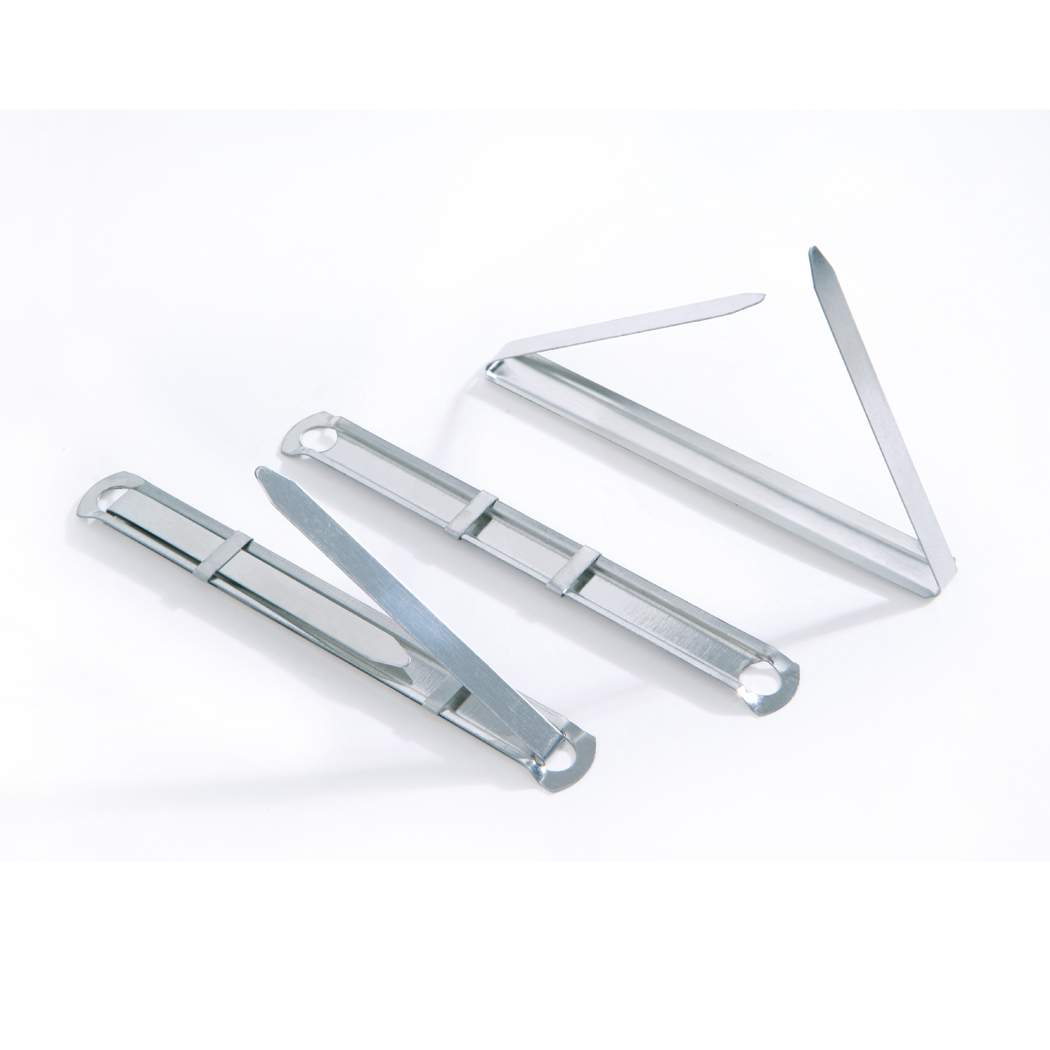
Paper fasteners hold multiple pages firmly together. They are perfect for binding reports or contracts without staples. The prongs go through punched holes and fold flat to secure papers. This method allows easy adding or removing of pages. It keeps documents tidy and professional.
Organizing Reports And Scripts
Fasteners help organize reports by grouping related papers. Scripts and manuals stay in order for quick reference. They prevent pages from getting lost or mixed up. Using fasteners, office workers can quickly find needed information. It also makes sharing documents simpler and cleaner.
Credit: www.thesolutionshop.com
Craft And Diy Uses
Paper fasteners are not just for office use. They are versatile tools for many craft and DIY projects. Their ability to join papers while allowing movement opens creative doors. Crafters use them to add style and function to handmade creations. Below are some popular craft uses for paper fasteners.
Scrapbooking Embellishments
Paper fasteners add charm to scrapbook pages. Their small, colorful heads act as decorative accents. They hold layers of paper and photos in place. Fasteners create a vintage or rustic look on layouts. They also secure tags and embellishments without glue. This keeps pages neat and easy to update.
Movable Paper Projects
Fasteners create joints that can pivot or spin. They are perfect for making paper wheels, flaps, or sliders. Children’s paper toys often use fasteners for arms or legs. These movable parts make projects interactive and fun. Paper fasteners replace staples or tape for flexible connections.
Creative Art Ideas
Artists use paper fasteners in mixed media and paper sculptures. Fasteners connect different materials while allowing some motion. They work well in models and prototypes needing articulation. Fasteners can also be painted or covered for unique effects. Their ease of use inspires many imaginative craft ideas.
Advantages Over Other Tools
Paper fasteners offer clear benefits compared to other office tools. They combine simplicity and function to keep papers organized and intact without damage. These fasteners are perfect for both daily use and creative projects. Their unique design makes them stand out from staples, clips, and adhesives.
Reusability
Paper fasteners can be opened and closed multiple times. This allows you to add or remove pages easily. Unlike staples, they do not need to be replaced after use. This feature saves money and reduces waste. Reusable fasteners support sustainable office habits.
No Adhesive Needed
Paper fasteners hold papers together without glue or tape. This prevents sticky residues on documents. They keep papers neat and clean over time. No adhesive means no risk of papers sticking together wrongly. It also avoids damage when papers are separated.
Allows Movement
These fasteners create a pivot point for paper parts. This allows pages or sections to rotate or flip smoothly. They are ideal for making paper wheels, flipbooks, and interactive crafts. Movement is not possible with staples or clips. Paper fasteners add flexibility to your projects.

Credit: www.ploma340.com.tw
Buying Tips
Choosing the right paper fastener can save time and keep documents neat. Many factors affect your choice. Size, material, and where you buy them matter. Knowing these tips helps you pick the best fasteners for your needs.
Choosing The Right Size
Measure the thickness of your paper stack. Pick a fastener long enough to hold all sheets. Too short, and papers will slip out. Too long, and it looks messy. Standard sizes fit most tasks well.
Material Durability
Metal fasteners last longer than plastic ones. They resist bending and breaking under pressure. Brass is a popular choice for strength and rust resistance. Plastic fasteners work for light tasks but can snap easily. Choose based on how often you use them.
Where To Purchase
Buy paper fasteners at office supply stores for quality options. Online shops offer variety and often better prices. Craft stores carry decorative fasteners for creative projects. Check product reviews before buying to ensure reliability.
Credit: rapesco.com
Frequently Asked Questions
How To Use Paper Fasteners?
Punch a small hole in the paper. Insert the fastener’s prongs through the hole. Spread and bend the prongs flat behind the paper to secure. This holds sheets together without glue or tape. Use for documents, crafts, or creating movable parts.
What Are Paper Fasteners Called?
Paper fasteners are called prong fasteners or brads. They have a round head and two flexible prongs that secure papers by bending flat.
What To Make With Paper Fasteners?
Use paper fasteners to create moving parts in crafts, secure documents, make paper puppets, windmills, robots, and flashlights.
How To Use A Prong Paper Fastener?
Punch a small hole in the paper. Insert the prongs through the hole. Spread and flatten the prongs behind the paper to secure.
Conclusion
Paper fasteners are simple tools that keep papers neatly together. They work by pushing prongs through paper holes and bending them flat. These fasteners help organize documents without glue or tape. They also add fun to crafts like scrapbooking or making movable paper models.
Easy to use and affordable, paper fasteners suit both office and creative needs. Remember, choosing the right fastener depends on your project size and style. Small but useful, paper fasteners remain a handy item in homes and offices everywhere.

