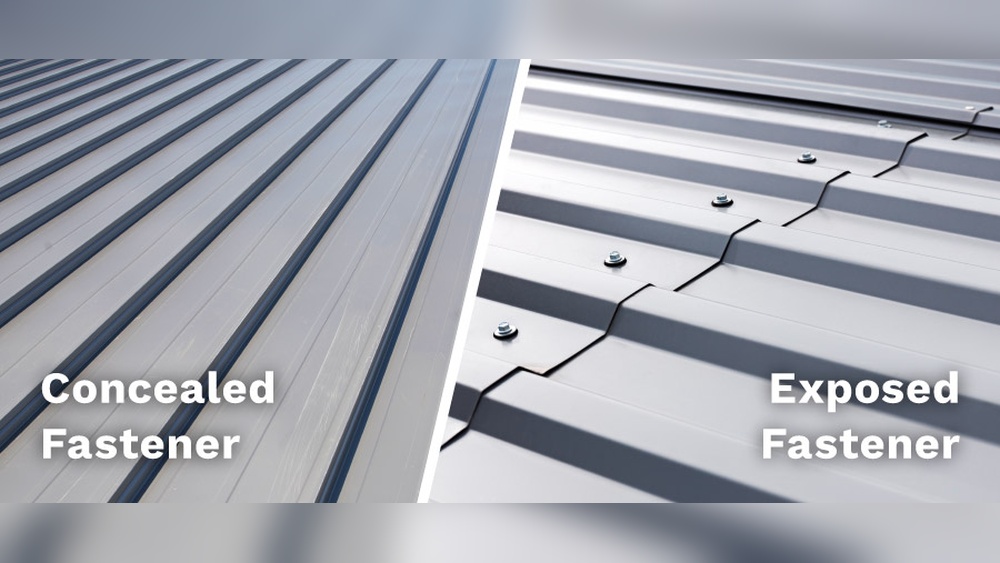
Are you ready to upgrade your roof with a sleek, modern look that lasts for decades? Installing metal roofing with concealed fasteners is a smart choice for durability and style.
But how do you get it right without mistakes that cost time and money? This guide will walk you through each step, making the process simple and clear. By the end, you’ll have the confidence to install your metal roof like a pro—no guesswork, no hidden problems.
Keep reading, and discover how easy it can be to protect your home while boosting its curb appeal.

Credit: www.perfectsteelsolutions.com
Choosing Metal Roofing Materials
Choosing the right metal roofing materials is important for a strong roof. It affects how your roof looks and lasts. The right materials fit your home style and weather needs. This guide helps you pick materials for metal roofing with concealed fasteners.
Types Of Metal Panels
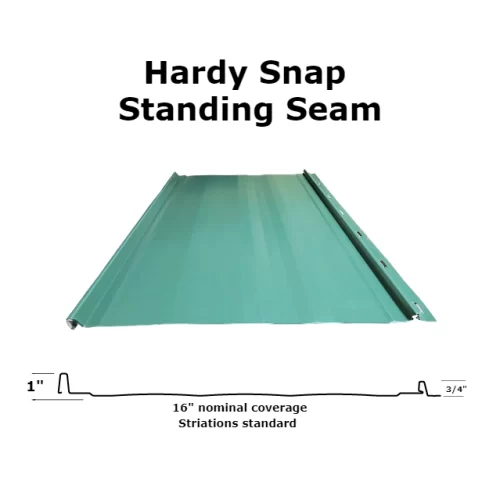
Metal panels come in many types. Steel panels are strong and common. Aluminum panels resist rust and are lightweight. Copper panels look nice but cost more. Zinc panels last a long time and heal scratches. Each type suits different budgets and needs.
Benefits Of Concealed Fasteners
Concealed fasteners hide screws under the metal panels. This keeps the roof smooth and clean. It stops water from leaking through screw holes. It also protects fasteners from weather damage. This makes your roof last longer and look better.
Tools And Safety Gear
Use the right tools for easy installation. You need a drill, metal snips, and measuring tape. Safety gear protects you during work. Wear gloves, safety glasses, and a hard hat. Use a sturdy ladder and non-slip shoes. Safety helps avoid accidents on the roof.
Preparing The Roof Surface
Preparing the roof surface is an important step before installing metal roofing with concealed fasteners. A clean, smooth, and strong base helps the metal panels last longer and perform better. Proper preparation prevents leaks and other problems in the future.
Removing Old Roofing
Start by removing the old roofing materials. Take off shingles, tiles, or any existing metal panels carefully. Use a pry bar or roofing shovel to avoid damage to the roof deck. Clear all debris and nails from the surface. A clean roof makes installation easier and safer.
Inspecting Roof Deck
Check the roof deck for any damage or weak spots. Look for rotted wood, cracks, or holes. Replace any damaged sections to ensure a strong foundation. Make sure the deck is flat and smooth. This step helps the metal panels fit properly and stay secure.
Installing Underlayment
Lay down a high-quality underlayment over the roof deck. This layer acts as a water barrier and protects against moisture. Roll out the underlayment horizontally, overlapping each row. Secure it with roofing nails or staples. Proper underlayment improves roof durability and prevents leaks.
Measuring And Cutting Panels
Measuring and cutting metal roofing panels is a key step for a neat installation. Precise measurements ensure panels fit well and protect your roof. Cutting panels correctly keeps edges clean and prevents damage. This section guides you through measuring and cutting metal panels safely and accurately.
Taking Accurate Measurements
Start by measuring the roof area carefully. Use a tape measure and write down all lengths. Measure twice to avoid mistakes. Note the width and length needed for each panel. Mark where panels will overlap. Consider roof angles and edges during measurement. Accurate numbers help panels fit tightly and look good.
Cutting Metal Panels Safely
Use proper tools like metal shears or a circular saw with a metal blade. Wear gloves and safety glasses before cutting. Cut panels slowly and follow your marked lines. Support the panel to avoid bending or warping. Smooth sharp edges with a file after cutting. Safe cutting prevents injuries and keeps panels in good shape.
Installing The Metal Panels
Installing the metal panels is a key step in setting up a metal roof with concealed fasteners. Proper panel installation ensures the roof looks clean and stays strong. This process requires careful alignment, secure fastening, and tight sealing to keep the roof safe from weather.
Aligning The First Panel
Start by placing the first metal panel at one edge of the roof. Make sure it is straight and perfectly aligned with the roof edge. Use a chalk line or laser level to guide the panel’s position. Correct alignment here helps all other panels fit well. Check the panel’s bottom edge sits flush with the eaves.
Securing Panels With Concealed Fasteners
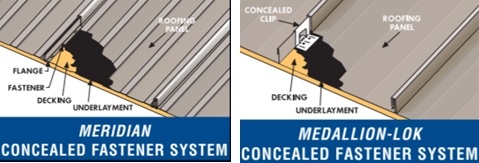
Use concealed fasteners to attach panels without visible screws. These fasteners fit under the panel seams for a smooth finish. Follow the manufacturer’s instructions on spacing and fastening points. Drive fasteners tightly but avoid over-tightening. Concealed fasteners protect the roof from leaks and improve its look.
Overlapping And Sealing Joints
Overlap each panel’s edge over the previous one to form a tight seal. This overlap prevents water from entering between panels. Apply a bead of roofing sealant along the overlapping joints for extra protection. Press panels firmly together before securing. Proper overlapping and sealing keep the roof durable and watertight.
Finishing Touches
Finishing touches are vital for a strong, long-lasting metal roof. They protect your home from water leaks and wind damage. Properly done, these steps make your roof look neat and professional. Focus on ridge caps, flashing, sealing, and a final inspection.
Installing Ridge Caps And Flashing
Ridge caps cover the peak of the roof where two metal panels meet. They stop water from entering through the roof’s highest point. Use concealed fasteners to keep the look clean and smooth. Flashing goes around chimneys, vents, and edges. It directs water away from these vulnerable spots. Secure flashing tightly with the right sealant to avoid gaps.
Sealing Edges And Penetrations
Edges and roof penetrations need careful sealing. Use a high-quality sealant designed for metal roofs. Apply sealant under and over flashing edges. This prevents water from sneaking underneath. Check areas around vents and pipes for small openings. Seal all these spots thoroughly to keep moisture out.
Inspecting The Finished Roof
Look over your entire roof after installation. Check for loose panels or missing fasteners. Inspect all sealed areas for gaps or cracks. Make sure ridge caps and flashing are firmly in place. A careful inspection helps catch problems early. Fix any issues before the weather turns bad.
Credit: blog.mcelroymetal.com
Maintenance Tips For Metal Roofs
Metal roofs with concealed fasteners offer durability and a sleek look. Proper maintenance keeps them strong and good-looking for years. Simple care steps prevent damage and costly repairs. Follow these easy tips to maintain your metal roof effectively.
Regular Cleaning
Clean your metal roof regularly to remove dirt and debris. Use a soft broom or a low-pressure hose. Avoid harsh chemicals that can damage the roof surface. Cleaning stops mold and algae from growing. It also keeps the roof shiny and new.
Checking For Loose Panels
Inspect the roof often for any loose or shifted panels. Concealed fasteners hide under panels, so check edges carefully. Tighten or fix loose panels right away to prevent leaks. Loose panels can cause noise and let water inside. Early checks save big repair costs later.
Preventing Rust And Damage
Metal roofs resist rust but still need protection. Look for scratches or chips in the paint. Touch up damaged spots with paint made for metal roofs. Clear leaves and branches that can trap moisture. Keep gutters clean to avoid water buildup. These actions stop rust and extend roof life.
Credit: www.midmichiganmetalsales.com
Frequently Asked Questions
What Tools Are Needed For Installing Concealed Fastener Metal Roofing?
You need a drill, metal snips, measuring tape, chalk line, and safety gear. These tools ensure accurate cuts and secure fastening during installation.
How Do Concealed Fasteners Improve Metal Roofing Durability?
Concealed fasteners protect screws from weather exposure, preventing rust and leaks. This extends the roof’s lifespan and maintains its sleek appearance.
Can I Install Concealed Fastener Metal Roofing Myself?
Yes, with proper tools and instructions, DIY installation is possible. However, professional help ensures optimal performance and safety.
What Materials Work Best With Concealed Fastener Metal Roofing?
Steel and aluminum panels are ideal. They offer strength, corrosion resistance, and compatibility with concealed fastener systems.
Conclusion
Installing metal roofing with concealed fasteners protects your roof from leaks. It also gives a clean, smooth look that lasts. Follow the steps carefully for a secure fit. Use the right tools and materials to avoid mistakes. Check your work often to keep everything tight and safe.
This method saves time and reduces roof damage. Enjoy a strong roof that stands up to weather. A well-installed metal roof adds value and peace of mind. Ready to start? Your durable roof awaits.

