When it comes to building or upgrading your deck, you want it to look great and last a long time. You might be wondering, “Are hidden deck fasteners worth it?” These fasteners promise a clean, sleek surface without visible screws or nails, giving your deck a polished, modern look.
But is that the only benefit? And do they really hold up over time? If you care about both style and durability, you need to understand how hidden deck fasteners work, their pros and cons, and whether they fit your specific needs.
Keep reading to discover if hidden deck fasteners are the right choice for your deck project—and how they can affect the look, strength, and lifespan of your outdoor space.
Hidden Fastener Types
Hidden deck fasteners improve deck appearance by hiding screws and nails. They create a smooth surface that feels better underfoot and looks cleaner. Different types of hidden fasteners exist, each with unique installation methods and benefits. Understanding these types helps choose the best option for your deck.
Clips And Clip Systems
Clips are small metal or plastic pieces that hold deck boards in place. They attach to joists and grip the board edges tightly. Clip systems often include matching screws designed for quick, secure installation. They work well with grooved boards and many composite materials. These systems hide fasteners completely and allow for natural wood movement.
Grooved Board Fasteners
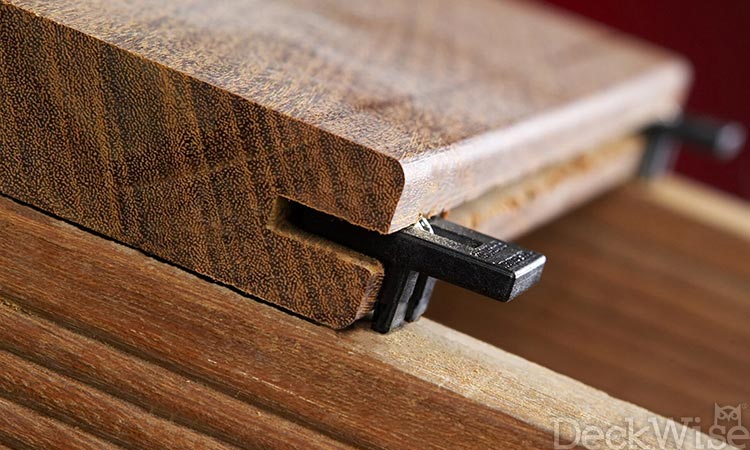
Grooved board fasteners fit into special grooves on deck board edges. These fasteners slide into the groove and lock the board to the joist. This system keeps boards aligned and secure without visible screws on top. Grooved board fasteners are popular with composite and PVC decking. They help reduce warping and provide a sleek, fastener-free look.
Edge Fasteners
Edge fasteners secure boards through their edges rather than the surface. They use screws or clips placed on the side, hidden from view. This method works best with solid wood or grooved boards. Edge fasteners reduce board splitting by avoiding top surface drilling. They provide a clean finish and strong hold along the deck edges.
Credit: www.decks-docks.com
Installation Process
The installation process for hidden deck fasteners requires careful attention and the right tools. It ensures a clean, screw-free deck surface that many homeowners prefer. Understanding each step can help you decide if hidden fasteners are worth the effort for your deck project.
Preparation And Tools Needed
Start by gathering all necessary tools before installation. You will need a drill, hidden fasteners, screws, a tape measure, and a pencil. A rubber mallet and spacers can help set boards evenly. Check that your deck boards and joists are clean and dry. Measure your deck area to plan fastener placement accurately.
Step-by-step Installation
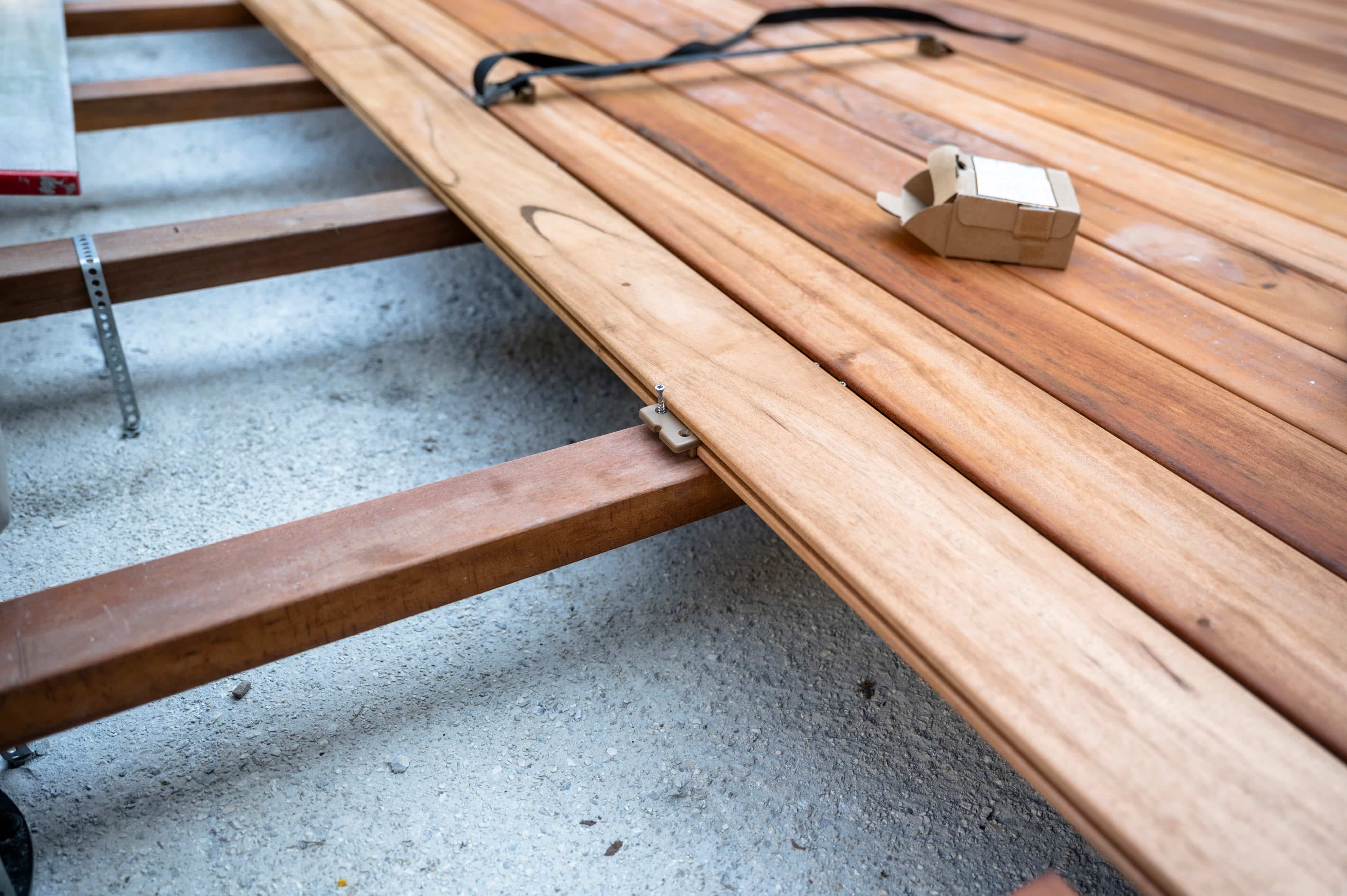
First, position the first deck board along the joists. Place hidden fasteners on each joist under the board edge. Secure fasteners with screws, but do not overtighten. Slide the next board into the fasteners and tap it gently with a rubber mallet. Repeat this process for each board, ensuring consistent spacing. Finally, install the last board with face screws for stability.
Common Installation Challenges
Aligning boards perfectly can be tricky. Uneven joists may cause gaps or misalignment. Over-tightening screws can crack boards or damage fasteners. Some fasteners may not fit all board types, requiring extra care. Weather conditions like humidity can affect wood expansion during installation. Patience and proper technique reduce these common issues.
Benefits For Deck Appearance
Hidden deck fasteners improve the overall look of your deck. They hide screws and nails beneath the boards. This creates a smooth, clean surface that many homeowners prefer. The benefits go beyond just appearance. They help keep your deck looking neat and well-finished for years.
Choosing hidden fasteners can change how your deck blends with your home’s style. The sleek design adds value and charm. Here are key benefits for deck appearance.
Seamless Surface Look
Hidden fasteners create a deck surface without visible screws or nails. This seamless look feels more natural and neat. It also prevents dirt buildup around screw heads. The deck boards sit tightly together, enhancing the smooth finish. This makes the deck safer and easier to clean.
Modern And Clean Design
Decks with hidden fasteners look modern and stylish. The clean lines appeal to contemporary tastes. Without exposed screws, the wood’s natural texture stands out. This simple, tidy design works well with many home styles. It gives your outdoor space a fresh and updated feel.
Increased Home Appeal
A deck with hidden fasteners boosts your home’s curb appeal. Buyers and guests notice the neat, polished look. It shows attention to detail and quality craftsmanship. This can add value to your property. A beautiful deck invites outdoor enjoyment and enhances your home’s charm.
Durability And Performance
Durability and performance are critical factors in choosing deck fasteners. A deck must withstand weather, weight, and time. Hidden deck fasteners offer a sleek look but must prove strong and long-lasting. This section explores how they perform in real conditions.
Corrosion Resistance
Hidden fasteners often use stainless steel or coated metals. These materials resist rust and corrosion effectively. Rust weakens fasteners and stains wood. Corrosion resistance helps hidden fasteners last longer outdoors. This quality reduces maintenance and replacements over time.
Holding Strength Compared To Screws
Hidden fasteners grip deck boards tightly from underneath. They hold boards firmly against joists. Regular screws penetrate the board surface directly. While screws have strong holding power, hidden fasteners avoid surface damage. Their strength depends on design and material quality. Many hidden fasteners match or exceed screw strength in tests.
Longevity Of Hidden Fasteners
Longevity depends on material, installation, and weather exposure. High-quality hidden fasteners can last 15 to 25 years. Proper installation is key to preventing board movement and fastener failure. Some fasteners may become loose if wood expands or contracts. Choosing rust-proof materials and correct spacing improves lifespan.
Cost And Time Considerations
Choosing hidden deck fasteners involves weighing both cost and time factors. These elements influence the overall project budget and schedule. Understanding them helps decide if hidden fasteners are the right choice for your deck.
Material And Fastener Costs
Hidden deck fasteners usually cost more than traditional screws. The fasteners themselves are specially designed and pricier. Some decking materials require specific hidden clips, raising costs further. Budgeting for these parts upfront prevents surprises later.
Installation Time Comparison
Installing hidden fasteners takes longer than using face screws. Each clip or fastener must be placed carefully under the boards. This precision slows the process, especially for beginners. Face screws go in faster but leave visible heads on the deck surface.
Long-term Maintenance Savings
Hidden fasteners help reduce maintenance over time. They avoid surface screw holes that collect dirt and rust. This means fewer repairs and less cleaning. A cleaner deck surface lasts longer and looks better with minimal effort.
Credit: www.deckwise.com
Limitations And Drawbacks
Hidden deck fasteners offer a clean look and smooth surface. Still, they come with some limitations and drawbacks. Knowing these helps you decide if they fit your project. This section highlights key issues to consider before choosing hidden fasteners.
Suitability For Different Deck Designs
Hidden fasteners do not work well with every deck style. Some wood types and board sizes are not compatible. Curved or irregular boards may be hard to secure. Designs with tight spacing between joists limit fastener options. Open or spaced deck boards might not hold fasteners firmly. Choosing the right fastener depends on your deck’s shape and materials.
Potential For Board Damage
Installing hidden fasteners requires precision. Incorrect use can damage the deck boards. Over-tightening may cause cracks or splits in the wood. Some fasteners press tightly against boards, causing stress points. Repairing damage can be costly and time-consuming. Proper tools and skills are essential to avoid these problems.
Contractor Preferences
Not all contractors prefer hidden fasteners. Many choose face screws for ease and speed. Hidden fasteners need more time and care to install correctly. Some contractors worry about long-term durability issues. This can limit your choice of installers. Discuss your fastener preference early with your contractor to ensure smooth work.
Hidden Fasteners Vs Face Screws
Choosing between hidden fasteners and face screws affects your deck’s look and durability. Both options secure deck boards but differ in appearance and installation. Understanding their differences helps pick the best fit for your project.
Visual Differences
Face screws are visible on the deck surface. They create small dots or lines on each board. Some people like this traditional look. Others find it less clean.
Hidden fasteners are installed beneath the deck boards. They leave the surface smooth and free of screws. This creates a sleek, modern look. The deck appears seamless and tidy.
Ease Of Installation
Face screws are easy to install with basic tools. Drill and screw directly into the boards. This method takes less time and skill.
Hidden fasteners require more careful work. They must be attached to joists under boards. Aligning and spacing can be tricky. Installation usually takes longer and needs special fasteners.
Structural Performance
Face screws hold boards firmly in place. They resist movement and can be tightened if needed. Screws also allow for board replacement.
Hidden fasteners provide a secure hold but rely on clips or brackets. They allow boards to expand and contract naturally. Some worry about durability in extreme weather.
Best Deck Materials For Hidden Fasteners
Choosing the right deck material is important for using hidden fasteners. Some materials work better with hidden clips than others. The best deck materials for hidden fasteners offer durability and smooth installation. They also keep the deck looking clean with no visible screws or nails.
Composite Decking
Composite decking is made from wood fibers and plastic. It is strong and resists rot and insect damage. Hidden fasteners fit well with composite boards. They keep the surface free of screws and nails. Composite boards expand and contract less, so hidden fasteners hold them firmly. This makes the deck safer and more attractive.
Pvc Decking
PVC decking is 100% plastic and very low maintenance. It never rots or warps. Hidden fasteners work great with PVC boards because they protect the edges from cracking. These fasteners allow the boards to move slightly in hot weather. PVC decking with hidden fasteners creates a sleek, modern look. It is perfect for homeowners who want easy care and style.
Wood Decking
Wood decking includes cedar, redwood, and pressure-treated lumber. Hidden fasteners can work well with wood, but you must choose the right type. Some woods are softer and may split if hidden fasteners are not installed carefully. Hardwoods hold hidden fasteners better and look smooth without visible screws. Proper spacing and pre-drilling holes help wood boards fit well with hidden clips.
Maintenance Tips
Maintaining hidden deck fasteners is key to keeping your deck safe and looking great. Regular care helps prevent damage and extends the life of your deck. Simple steps can save you time and money over the years.
Inspecting Hidden Fasteners
Check your deck fasteners at least twice a year. Look for signs of rust, loosening, or movement in the boards. Use a flashlight to see under the deck boards if needed. Early detection of issues stops bigger problems.
Cleaning And Care
Keep your deck clean to protect the fasteners. Sweep off leaves, dirt, and debris regularly. Use a mild soap and water solution to wash the deck surface. Avoid harsh chemicals that can damage fasteners or wood.
Repairing Or Replacing Fasteners
Replace any fasteners that show signs of rust or damage. Use the same type of hidden fastener recommended by the manufacturer. Tighten loose fasteners carefully without cracking the boards. Proper repair keeps your deck stable and safe.
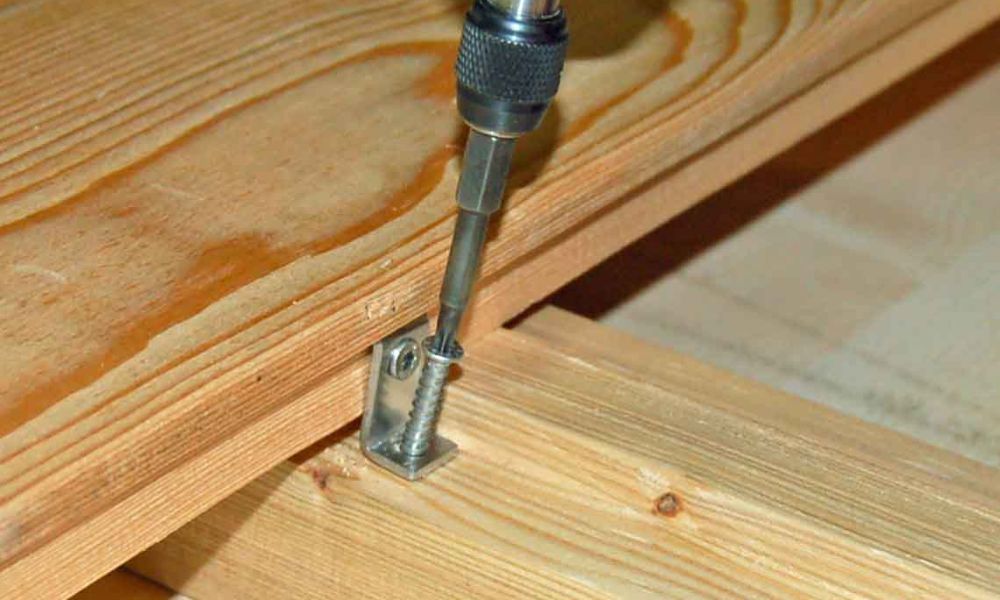
Credit: knappconnectors.com
Choosing The Right Fastener System
Choosing the right fastener system affects your deck’s look and durability. The decision depends on several factors including deck design, expert advice, and budget. Picking the best fastener can improve your deck’s lifespan and appearance. Consider all aspects carefully to make the best choice.
Assessing Deck Design
Start by examining your deck’s design and material. Some fasteners work better with certain wood types. Hidden fasteners suit smooth, modern decks without visible screws. Face screws might fit rustic or traditional styles. Also, consider board spacing and joist layout. These details impact which fastener system performs best.
Consulting Professionals
Talk to deck builders or contractors for advice. Professionals can spot issues you might miss. They have experience with different fastener systems and brands. Their input helps avoid costly mistakes. They may suggest options based on your deck’s location and climate. Experts ensure the fastener choice matches your project needs.
Budget And Preference Factors
Set a clear budget for fasteners and installation. Hidden fasteners often cost more than face screws. Installation time and tools can add to the expense. Personal taste also matters. Some prefer the clean look of hidden fasteners. Others accept visible screws for easier maintenance. Balance cost with style and durability for best results.
Frequently Asked Questions
How Long Do Trex Hidden Fasteners Last?
Trex hidden fasteners typically last 25 years or more, matching the durability of Trex decking boards. They resist corrosion and weather damage effectively. Proper installation ensures long-lasting performance and a clean, fastener-free deck surface that maintains structural integrity over time.
Is It Better To Build A Deck With Nails Or Screws?
Screws provide stronger hold and prevent board movement better than nails for decks. Use corrosion-resistant screws and pre-drill hardwoods. Nails install faster but can loosen over time.
How Do Hidden Deck Fasteners Work?
Hidden deck fasteners attach boards to joists from underneath, hiding screws for a clean, smooth deck surface and enhanced appearance.
Do Trex Hidden Fasteners Go On Every Joist?
Trex hidden fasteners must be installed on every joist to securely fasten each deck board. This ensures stability and durability.
Conclusion
Hidden deck fasteners provide a clean, smooth deck surface. They improve deck appearance by hiding screws or nails. Installation takes more time but results last longer. Not all decks suit hidden fasteners, especially curved or stair boards. Choose fasteners that fit your deck material and design.
Overall, they offer a neat look with good durability. Consider your budget and project needs before deciding. Hidden fasteners can be worth it for many homeowners.