Have you ever wondered what keeps your favorite gadgets, furniture, or even buildings firmly held together? The secret lies in fasteners—those small but mighty components that play a huge role in your everyday life.
Understanding how fasteners work can give you a new appreciation for their power and precision. Whether you’re fixing something at home or curious about engineering, knowing the basics of fasteners will help you make smarter choices and avoid costly mistakes.
Ready to discover how these tiny heroes create strong, lasting connections? Let’s dive in and unravel the simple yet fascinating mechanics behind fasteners!
Fastener Types
Fasteners come in many types, each designed for specific uses. They join materials by holding parts tightly together. Understanding common fastener types helps in choosing the right one for your project.
Threaded Fasteners
Threaded fasteners include screws, bolts, and nuts. They use spiral threads to hold parts firmly. When turned, the threads pull the fastener into the material. This creates a strong clamping force. Threaded fasteners are reusable and adjustable. They work well for materials that need to be taken apart later.
Rivets
Rivets join materials by deforming their shape. A rivet is a metal pin placed in a hole. One end is hammered or pressed to form a head. This locks the materials together firmly. Rivets are permanent and cannot be reused. They are often used in metalwork and construction. Rivets provide a strong and vibration-resistant connection.
Pin Fasteners
Pin fasteners include cotter pins and clevis pins. They fit through holes in parts to keep them aligned. Pins hold parts while allowing some movement. Cotter pins bend to lock the pin in place. These fasteners are easy to install and remove. Pin fasteners are common in machinery and automotive applications.
Threaded Fastener Mechanics
Threaded fasteners play a vital role in joining parts securely. Their mechanics involve precise interaction between the threads and the materials they bind. Understanding how these fasteners work helps in choosing the right one and applying it correctly. The core function relies on converting rotational motion into a strong, reliable hold.
Threaded fastener mechanics focus on how threads engage, how tension is generated, and how clamping force holds components together. Each step ensures the fastener performs its job effectively under various conditions.
How Threads Work
Threads are spiral ridges wrapped around a cylinder. They allow the fastener to move in or out by turning. The shape of the threads controls how tightly the fastener grips the material. Threads convert turning force into linear motion, pulling parts closer together. The pitch and angle of threads affect the strength and ease of tightening.
Generating Tension
Tension forms when the fastener is tightened. Turning the fastener pulls the threaded shaft, stretching it slightly. This stretch stores elastic energy in the fastener. The tension acts like a spring force pulling the parts together. Proper tension prevents loosening from vibrations or movement.
Creating Clamping Force
Clamping force is the pressure that holds joined parts firmly. It results from the tension in the fastener pulling the parts together. The force pushes the materials against each other to resist separation. This clamping effect keeps the connection stable during use. Correct clamping force ensures safety and durability of the joint.
Rivet Functionality
Rivets join materials by creating a strong, permanent bond. They work by deforming metal to lock parts together without threads. This makes rivets ideal for structures needing lasting strength. The process happens in three main steps.
Insertion Process
The rivet is placed into aligned holes of the materials. One end, called the head, stays visible outside. The other end extends through the hole, ready for deformation.
Deformation And Expansion
A tool presses on the rivet’s tail end. This force causes the rivet to expand inside the hole. The metal swells and fills the space tightly, gripping the materials.
Permanent Locking
As the rivet cools and hardens, it locks firmly in place. The deformed end acts like a fastener’s second head. This prevents the rivet from pulling out or loosening over time.
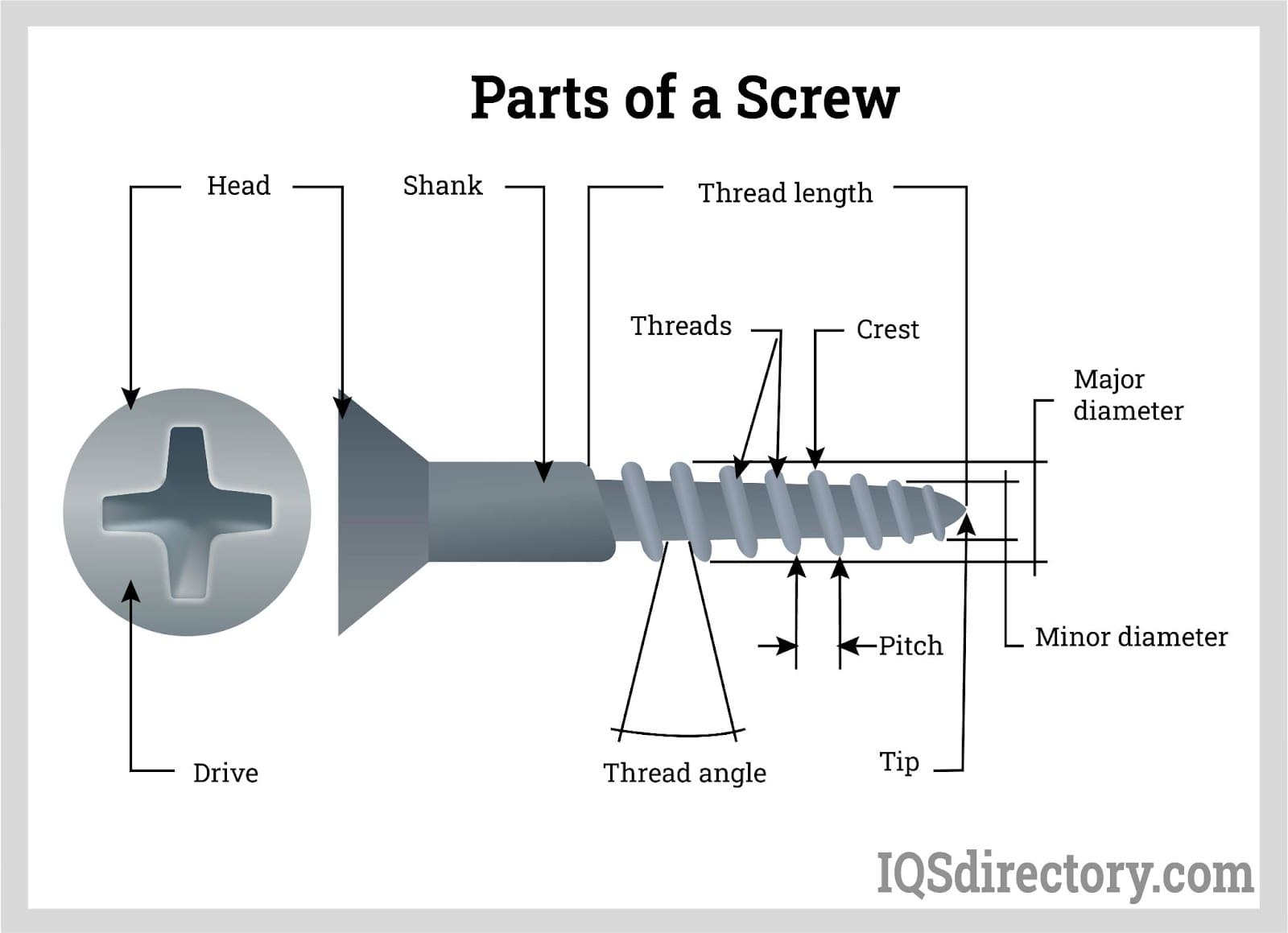
Credit: www.iqsdirectory.com
Pin Fastener Operation
Pin fasteners hold materials by driving a thin metal pin through them. Their operation relies on piercing, material movement, and compression. Each step ensures a secure and stable connection. Understanding these steps reveals how pin fasteners work efficiently.
Piercing Mechanism
The pin fastener begins by piercing the materials. The sharp tip pushes through the layers. It creates a hole without damaging the surrounding area. This precise piercing allows the pin to pass easily.
Material Displacement
Once pierced, the materials shift slightly around the pin. This displacement forms a tight fit. The materials wrap around the pin’s body. It helps to lock the layers together firmly.
Compression Holding
After insertion, the pin compresses the materials. This pressure holds the parts in place. Compression resists movement or loosening under stress. It ensures the joint stays strong and stable over time.
Materials And Coatings
Materials and coatings play a key role in the performance of fasteners. They determine strength, durability, and resistance to damage. Choosing the right material ensures the fastener fits its purpose. Coatings add protection against wear and environmental factors. This section explains common materials and coatings used for fasteners.
Common Materials
Steel is the most popular fastener material. It offers high strength and is affordable. Stainless steel resists rust and suits outdoor use. Brass is softer and works well for decorative or electrical applications. Aluminum is lightweight and resists corrosion but is weaker than steel. Plastic fasteners are used where metal would cause damage or corrosion.
Corrosion Resistance
Corrosion weakens fasteners and leads to failure. Stainless steel contains chromium, which forms a protective layer. This layer stops rust from spreading. Galvanized steel has a zinc coating that protects it from moisture. Fasteners for harsh environments use special alloys or treatments. Good corrosion resistance extends the life of the fastener.
Protective Coatings
Coatings shield fasteners from rust and wear. Zinc plating is common and provides a thin protective layer. Black oxide offers mild corrosion resistance and a sleek look. Chrome and nickel plating add shine and protect from corrosion. Some coatings reduce friction for easier installation. Choosing the right coating depends on the environment and fastener use.
Fastener Performance Factors
Fastener performance depends on several key factors. These factors affect how well a fastener holds materials together. Understanding them helps in selecting the right fastener for any job. Performance varies with load, material stress, and environmental conditions. Each factor influences the strength and durability of the joint.
Load Types
Fasteners face different kinds of loads. These include tensile, shear, and compressive loads. Tensile load pulls the fastener apart. Shear load acts parallel to the fastener’s axis. Compressive load pushes the fastener into the material. Knowing the load type helps choose fasteners that resist failure. Some fasteners perform better under certain loads than others.
Stress And Strain
Stress is the force applied to a fastener per unit area. Strain is the deformation caused by this force. Fasteners must handle stress without permanent deformation. Excess stress can cause fasteners to stretch or break. Good fasteners resist strain and maintain tight joints. Material quality and design affect stress tolerance.
Environmental Effects
Fasteners often work in harsh environments. Moisture, temperature, and chemicals impact their performance. Corrosion can weaken metal fasteners over time. High temperatures may reduce fastener strength. Some fasteners have coatings to resist rust and corrosion. Selecting materials suited for the environment extends fastener life.
Specialized Fasteners
Specialized fasteners serve unique purposes in construction and machinery. They provide strong, reliable joints where standard fasteners might fail. These fasteners often handle extreme conditions like heavy loads, vibrations, or high temperatures. Understanding their function helps in choosing the right fastener for specific tasks.
Wedge Anchors
Wedge anchors secure objects to concrete or masonry surfaces. They expand inside the drilled hole as you tighten the bolt. This expansion creates a firm grip against the concrete walls. Wedge anchors resist heavy loads and vibrations well. They are ideal for mounting heavy equipment or structural supports.
Helical Inserts
Helical inserts repair or reinforce damaged threads in metal parts. They look like tiny coiled springs. When installed, they provide new, strong threads for bolts or screws. These inserts prevent stripping and extend the lifespan of components. They are common in automotive and aerospace industries.
Locking Washers
Locking washers prevent nuts and bolts from loosening over time. They create extra friction or tension to hold fasteners tight. Different types include split, toothed, and conical washers. They are useful in vibrating environments like engines or machinery. Locking washers improve safety and joint stability.
Choosing The Right Fastener
Choosing the right fastener is key to a secure and lasting connection. Different jobs need different fasteners. Selecting the correct one prevents damage and ensures safety. Consider the purpose and environment before making a choice.
Application Considerations
Think about the load the fastener must hold. Light loads need smaller fasteners, heavy loads require stronger ones. Consider vibration or movement that may loosen the fastener. Outdoor use calls for weather-resistant fasteners. Matching fastener strength to the job avoids failures.
Material Compatibility
Match the fastener material with the parts being joined. Using the wrong material can cause rust or corrosion. Steel fasteners suit metal parts, while plastic fasteners fit lightweight materials. Avoid mixing metals that create chemical reactions. Correct pairing extends the life of the joint.
Installation Methods
Choose fasteners based on how they will be installed. Screws and bolts need tools like screwdrivers or wrenches. Some fasteners, like rivets, require special equipment. Consider ease of installation for your skill level. Proper installation ensures a strong hold and prevents damage.
Common Issues And Solutions
Fasteners face several common problems that affect their performance and lifespan. Understanding these issues helps maintain strong, safe connections. Simple solutions can extend fastener life and prevent failures.
This section covers key problems like corrosion, loosening, and wear. Each challenge has practical fixes to keep fasteners reliable.
Corrosion Problems
Corrosion weakens fasteners by causing rust and metal loss. It happens when metal reacts with moisture or chemicals. Using stainless steel or coated fasteners reduces rust risks. Applying protective sprays or paints adds extra defense. Regular inspection helps catch corrosion early. Replace damaged fasteners to avoid structural failure.
Loosening Prevention
Vibration and movement often cause fasteners to loosen. Loose fasteners can lead to accidents or damage. Lock washers, thread-locking adhesives, or nylon inserts keep fasteners tight. Proper torque during installation ensures correct tightness. Check fasteners regularly and re-tighten if needed. Use locking nuts or double nuts for critical joints.
Wear And Tear
Fasteners wear out due to friction, pressure, and repeated use. Worn threads or heads make fastening difficult. Replace worn fasteners promptly to ensure safety. Choose fasteners made from durable materials for high-stress areas. Avoid over-tightening to reduce damage. Lubricate threads to minimize friction and extend life.

Credit: www.youtube.com

Credit: www.hfsindustrial.com
Frequently Asked Questions
How Does A Fastener Work?
A fastener joins objects by applying tension, friction, or compression. Threaded fasteners convert rotation into clamping force, holding parts tightly. Rivets deform to lock materials permanently. This secure connection prevents movement and ensures stability in assembled components.
What Are The Five Basic Types Of Fasteners?
The five basic fastener types are screws, bolts, nuts, rivets, and pins. They join materials through threading, tension, or deformation.
What Is The 3 Thread Rule?
The 3 thread rule ensures a bolt engages at least three full threads in the nut for secure fastening and proper load distribution.
What Is The Process Of Fasteners?
Fasteners join materials by friction, compression, or mechanical locking. Threaded fasteners create tension, clamping parts tightly. Rivets deform to form permanent joints. Pins displace material to hold components securely. This process ensures strong, stable connections in various applications.
Conclusion
Fasteners hold parts tightly by using simple mechanical forces. Screws and bolts create tension that pulls materials together. Rivets lock parts by changing shape and gripping firmly. Understanding these basics helps choose the right fastener for any job. Strong connections depend on the correct type and proper use.
Fasteners may seem small but play a big role in building and fixing. Remember, each fastener works by applying force to keep things secure.