Have you ever wondered just how many tiny pieces hold your car together? It might surprise you to learn that thousands of fasteners—like bolts, screws, nuts, and washers—work quietly behind the scenes to keep every part of your vehicle secure and running smoothly.
Understanding how many fasteners are in a car isn’t just a fun fact; it reveals the complexity and precision involved in automotive design. If you want to know what these fasteners do, why they matter, and how they affect your car’s durability and safety, keep reading.
This insight will change how you see your vehicle and even help you make smarter choices when it comes to maintenance and repairs.
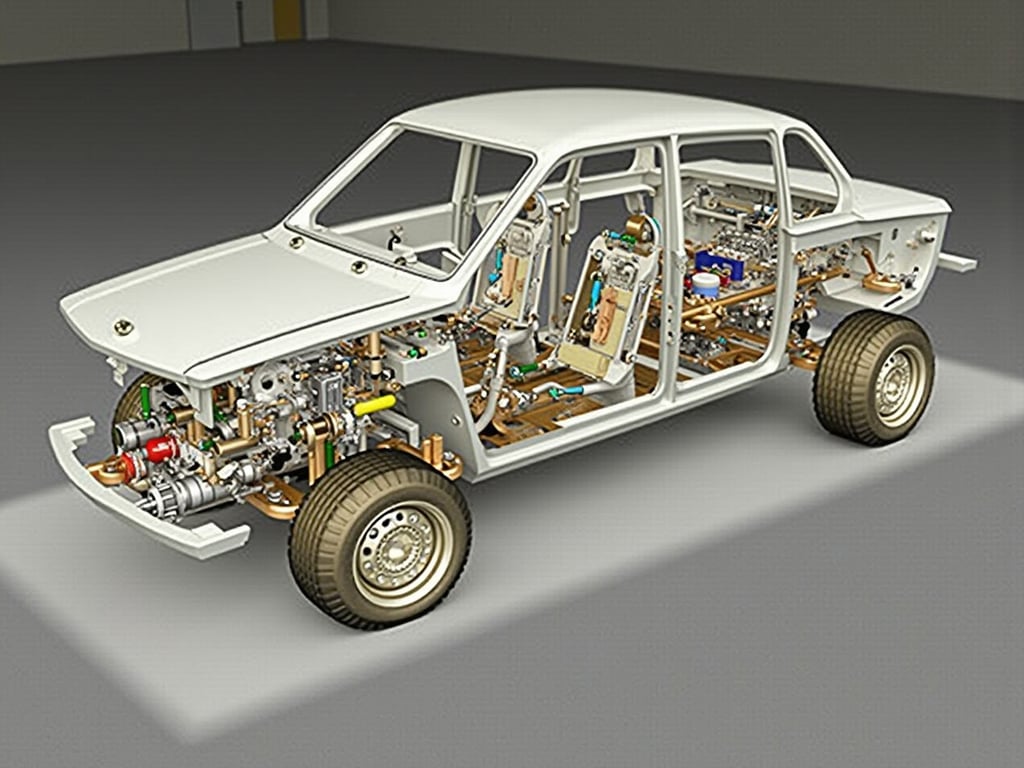
Credit: baitalnuhas.com
Fasteners In Cars
Fasteners are small parts that hold a car together. They join many pieces to build a complete vehicle. Without fasteners, a car cannot stay strong or safe. Cars use thousands of fasteners in different areas.
These fasteners keep parts from moving or falling off during driving. They help in assembling the engine, body, interior, and more. Each fastener has a specific job and place in the car.
Definition And Purpose
Fasteners are tools like bolts, screws, nuts, and clips. They join two or more parts by holding them tightly. Their main purpose is to keep car parts fixed and stable.
They allow easy assembly and repair of the car parts. Fasteners also absorb vibrations and stress while driving. This protects parts from damage and wear.
Permanent Vs Temporary Types
Fasteners can be permanent or temporary based on their use. Permanent fasteners keep parts fixed forever without removal. Examples include rivets and welds.
Temporary fasteners allow parts to be removed and replaced. Bolts and screws are common temporary fasteners. They help during repairs and maintenance.
Choosing the right type depends on the car part and purpose. Both types work together to keep the car strong and serviceable.
Fastener Types Used
Cars use many types of fasteners to hold parts together securely. These fasteners come in various shapes and sizes. Each type has a special job in the car’s structure and function. Understanding these fasteners helps to see how cars are built and maintained.
Bolts And Screws
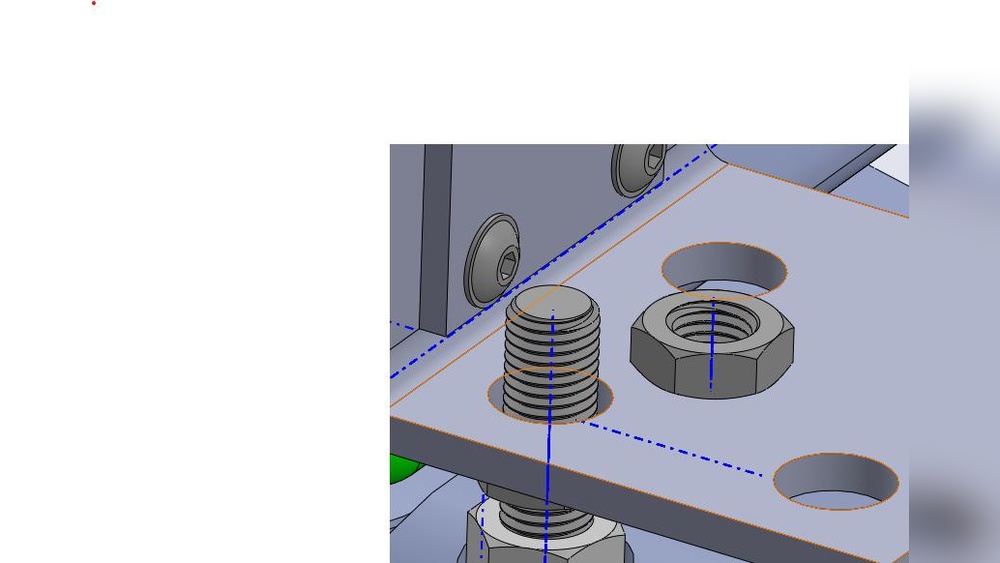
Bolts and screws join metal and plastic parts tightly. Bolts usually need a nut to hold parts together. Screws can fasten parts directly into materials. They come in different lengths and thread styles. These fasteners are strong and easy to remove for repairs.
Nuts And Washers
Nuts fit onto bolts to lock parts in place. They prevent loosening from vibrations during driving. Washers sit under nuts or bolt heads. They spread the load and protect surfaces from damage. Together, nuts and washers keep fastened parts stable and secure.
Clips And Rivets
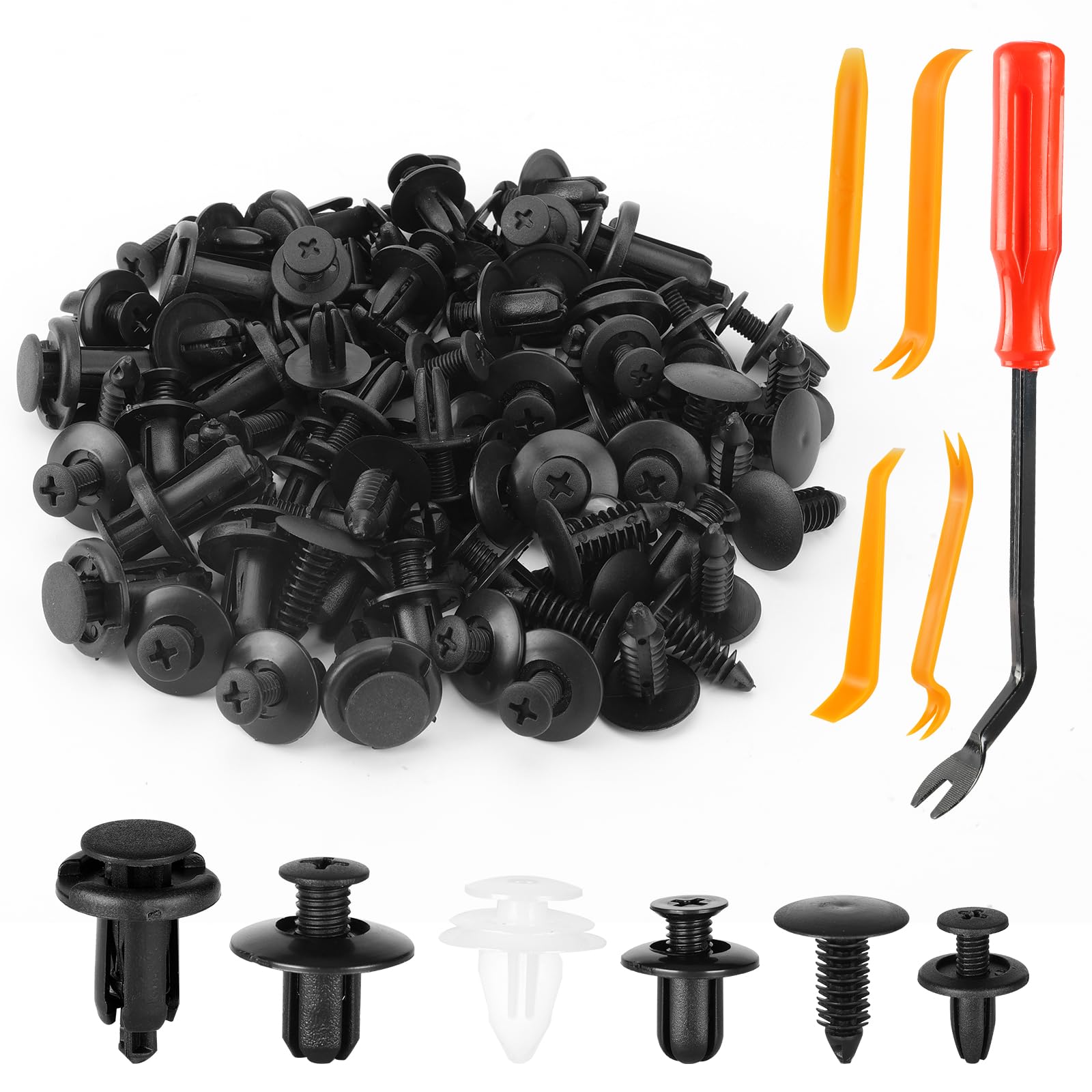
Clips hold panels and trim without screws or bolts. They snap into place and can be removed easily. Rivets create permanent joints by deforming the fastener end. Rivets are common in body panels and frame parts. These fasteners offer quick assembly and strong bonds.
Plastic Fasteners
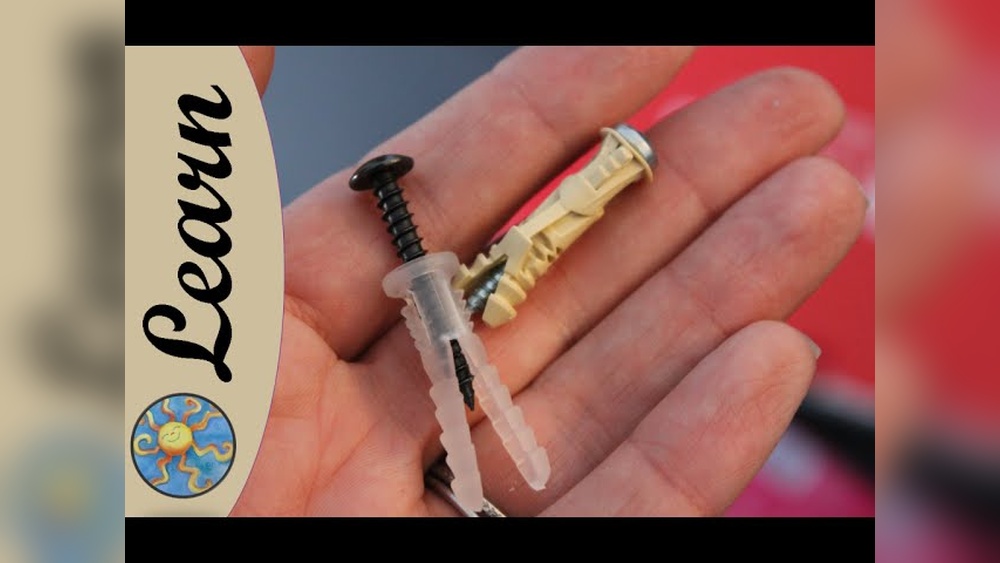
Plastic fasteners secure interior parts like dashboards and door panels. They resist rust and are lightweight. These fasteners are easy to install and remove. Plastic clips and push pins help reduce vehicle weight. They provide a neat finish and protect sensitive components.
Quantity Of Fasteners
Fasteners play a critical role in vehicle assembly. They hold parts together and ensure safety. The quantity of fasteners in a car varies widely. This depends on the car’s design, size, and complexity. Understanding the number of fasteners helps appreciate car manufacturing details. Let’s explore the typical amounts and their distribution in vehicles.
Total Fasteners Per Vehicle
The average car contains thousands of fasteners. These include bolts, nuts, screws, and clips. A common passenger car may have between 5,000 and 10,000 fasteners. Luxury or larger vehicles often require more. Some heavy-duty trucks exceed 15,000 fasteners. Each fastener serves a unique function in the car’s structure.
Fasteners By Car Size And Model
Small compact cars use fewer fasteners due to simpler parts. Mid-sized cars have moderate fastener counts. SUVs and trucks use higher numbers because of added features. Sports cars focus on lightweight fasteners for performance. Electric vehicles may include special fasteners for battery systems. Different models require fasteners tailored to their design needs.
Fasteners In Major Components
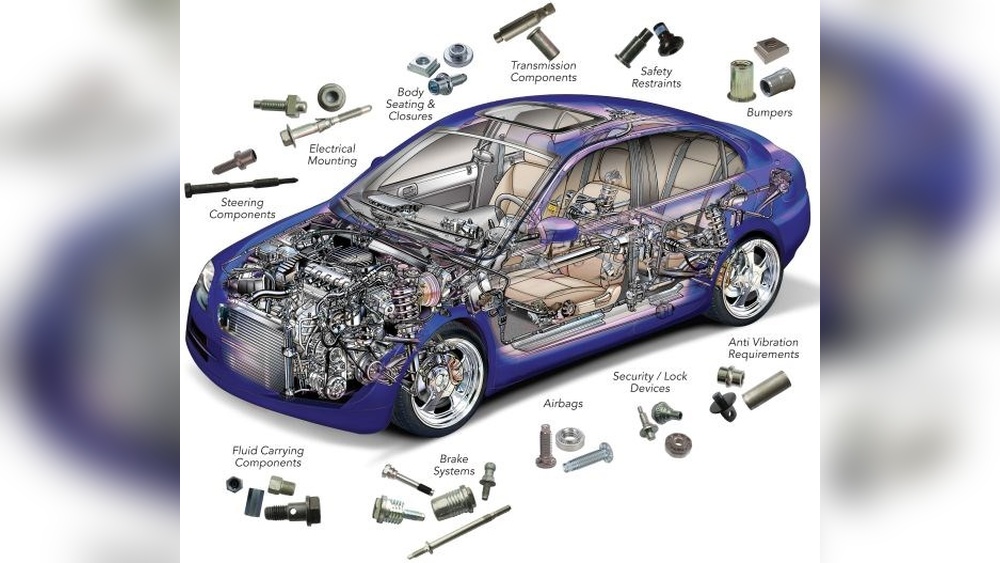
Fasteners are found in every major car component. The engine alone contains hundreds of bolts and screws. The chassis requires strong bolts to hold the frame. Interior parts use clips and screws to secure panels. Suspension systems rely on heavy-duty fasteners for safety. Even the electrical system uses small fasteners for connections.
Credit: www.amazon.com
Fastener Roles In Assembly
Fasteners play a crucial role in assembling a car. They join many parts to keep the vehicle sturdy and safe. Each fastener type has a specific job during the build. From the frame to the smallest interior detail, fasteners ensure everything stays in place.
Understanding these roles helps to appreciate the complexity of a car’s construction. Fasteners support structural strength, interior comfort, and engine performance. They come in many forms like bolts, screws, clips, and nuts.
Holding Structural Parts
Fasteners connect major parts of the car’s frame and body. They hold the chassis and panels tightly. Strong bolts keep the frame rigid to protect passengers. These fasteners resist heavy forces during driving.
Without them, the car would lose shape and safety. Manufacturers use high-strength fasteners for these critical connections. They also allow some parts to be removed for repairs.
Securing Interior Panels
Fasteners attach dashboard parts, door panels, and seats inside the car. Clips and screws hold these pieces neatly in place. They prevent rattling and ensure a clean look.
Interior fasteners must be easy to install and remove. This allows for maintenance and upgrades. Soft materials and plastic clips are common to avoid damage.
Engine And Mechanical Fastening
The engine uses many fasteners to hold parts like the cylinder head and exhaust. Bolts and studs keep these components tightly sealed. This prevents leaks and maintains engine power.
Fasteners also secure the transmission, suspension, and brakes. They must withstand heat, vibration, and stress. Quality fasteners in these areas ensure the car runs smoothly and safely.
Materials And Sizes
Fasteners in a car come in many materials and sizes. These choices affect the car’s strength and safety. The right material and size keep parts joined firmly. They also resist wear from heat, vibration, and weather. Understanding common materials and sizes helps appreciate their role in car assembly.
Common Materials Used
Steel is the most common material for car fasteners. It offers high strength and durability. Stainless steel resists rust and corrosion well. Aluminum fasteners are light and help reduce car weight. Some fasteners use brass for good corrosion resistance. Plastic clips and rivets hold interior parts securely.
Standard Fastener Sizes
Fasteners come in various sizes to fit different parts. Bolt diameters often range from 6 mm to 20 mm. Lengths vary from a few millimeters to several centimeters. Thread pitch is important for proper fitting. Nuts and washers match bolt sizes exactly. Using the right size prevents loosening and damage.
Material Durability
Durability depends on the material and environment. Steel fasteners last long but may rust without coating. Zinc plating adds corrosion resistance to steel bolts. Stainless steel fasteners stay strong in wet or salty conditions. Aluminum fasteners resist corrosion but can wear faster under stress. Plastic fasteners handle light loads and avoid rust.
Credit: blog.demon-tweeks.com
Challenges With Fasteners
Fasteners are essential in a car, holding thousands of parts together. Despite their importance, fasteners face many challenges. These issues affect car safety, performance, and maintenance. Understanding these challenges helps in proper care and repair.
Tightening And Loosening Issues
Fasteners must be tightened to the correct torque to work well. Too tight, and they can break or strip threads. Too loose, and parts may vibrate or come apart. Some fasteners are hard to reach, making tightening or loosening difficult. Over time, repeated tightening can wear down the fastener’s grip.
Corrosion And Wear
Fasteners often face moisture, salt, and dirt inside and outside the car. These elements cause corrosion, weakening the metal. Rusted fasteners are harder to remove and may break during repair. Wear from heat and vibration also reduces fastener strength. Using corrosion-resistant materials helps reduce these problems.
Replacement And Maintenance
Replacing fasteners requires care to match the original size and type. Using wrong fasteners can cause fit problems or safety risks. Regular inspection during maintenance helps find loose or damaged fasteners early. Lubricants or anti-seize compounds can make future removal easier. Proper maintenance extends fastener life and vehicle reliability.
Innovations In Fastening
Fasteners hold every part of a car together. Over time, car manufacturers improved fasteners to make vehicles safer and lighter. Innovations in fastening help improve car performance and reduce production time. These advances include new designs, lighter materials, and automated installation processes.
Advanced Fastener Designs
Modern fasteners come in many shapes and sizes. Engineers design them to fit specific car parts perfectly. Some fasteners can lock tightly without loosening from vibration. Others allow quick removal for easy repairs. These designs increase durability and reduce maintenance needs.
Lightweight Materials
Car makers use lighter materials for fasteners to lower vehicle weight. Aluminum and titanium fasteners replace heavier steel ones. These materials keep strength but save weight. Lighter fasteners improve fuel efficiency and handling. This change supports eco-friendly vehicle goals.
Automation In Installation
Robots and machines now install fasteners on car assembly lines. Automation speeds up production and improves accuracy. Machines can place thousands of fasteners quickly without errors. This reduces costs and ensures consistent quality. Automated fastening helps meet high demand efficiently.
Frequently Asked Questions
How Many Fasteners Are In A Car?
A typical car contains thousands of fasteners, including bolts, nuts, screws, and clips. These secure various parts firmly.
What Are Fasteners In A Vehicle?
Fasteners in a vehicle are bolts, nuts, screws, and washers. They securely join parts for stability and function.
How Many Fasteners Does A Single Vehicle Use?
A single vehicle uses thousands of fasteners, including bolts, nuts, screws, and clips. These secure all parts firmly.
What Is The 20/4-10 Rule For Buying A Car?
The 20/4-10 rule means paying 20% down, financing for 4 years, and keeping monthly payments under 10% of income.
Conclusion
Cars contain thousands of fasteners that hold parts firmly together. These include bolts, screws, nuts, and washers. Each fastener plays a key role in vehicle safety and performance. Different car models use varied numbers based on design and size. Understanding fasteners helps appreciate the complexity of car manufacturing.
Next time you see a car, think about all small pieces working as one. Fasteners may be small, but their impact is huge.