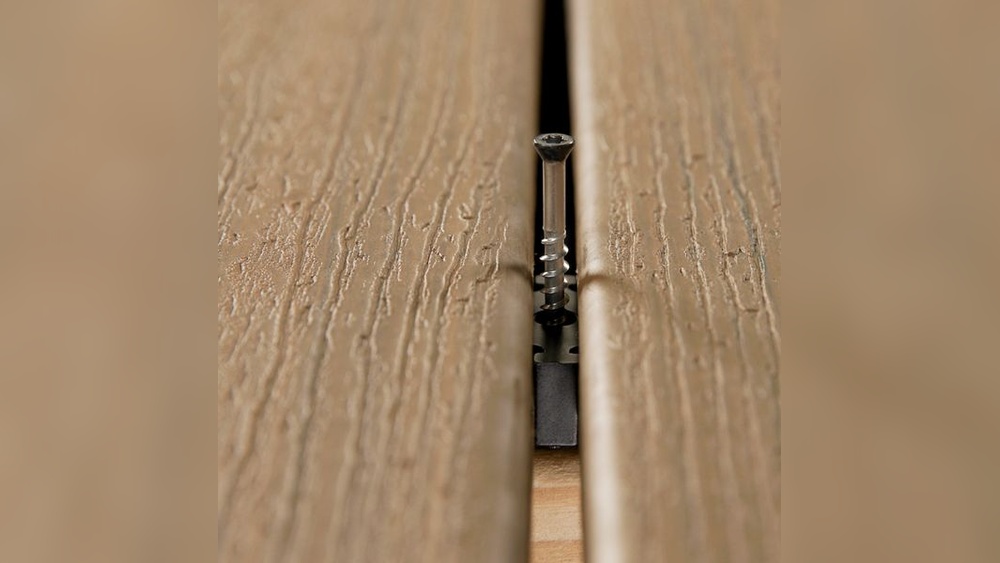
When you look around at any building, you might not notice the small parts that hold everything together. But without these tiny heroes called fasteners, your walls wouldn’t stand, and your roof could collapse.
So, what is a fastener in construction, and why should you care? Fasteners are the essential hardware—like screws, nails, bolts, and anchors—that join materials securely. They act as the invisible glue that keeps your projects strong, safe, and lasting for years.
Understanding fasteners can save you time, money, and headaches by helping you choose the right type for your construction needs. Keep reading, and you’ll discover how these simple components make a huge difference in every build you tackle.

Credit: www.dingfastener.com
Fastener Basics
Fasteners are key components in construction projects. They connect materials to form strong structures. Without fasteners, building anything stable would be difficult. Understanding fastener basics helps you choose the right type for your needs.
Definition And Role
A fastener is a device that joins two or more objects. It holds materials like wood, metal, or concrete firmly together. Fasteners include screws, nails, bolts, and rivets. They create secure joints that keep structures stable. Their role is critical in framing, roofing, and finishing work.
Materials Used
Fasteners come in different materials suited for various tasks. Steel is the most common material due to its strength and durability. Stainless steel resists rust and is ideal for outdoor use. Brass and aluminum are lighter and used in special cases. Material choice affects fastener performance and lifespan.
Common Fastener Types
Fasteners are essential in construction for joining materials securely. Different types serve various purposes depending on the materials and load requirements. Understanding common fastener types helps in choosing the right one for each project. Below are some widely used fasteners and their features.
Screws And Nails
Screws and nails are the most common fasteners in construction. Nails are simple and quick to install. They work well for wood framing and temporary holds. Screws offer stronger holding power due to their threads. They are ideal for detailed woodwork and projects needing high strength. Both come in many sizes and materials.
Bolts And Nuts
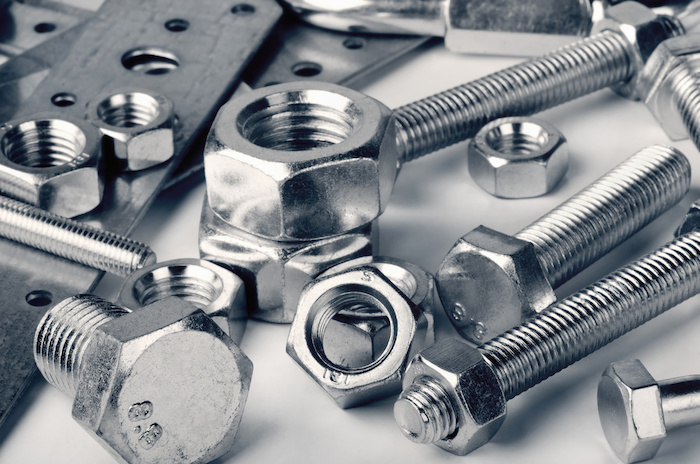
Bolts and nuts create strong, removable joints. Bolts pass through aligned holes in materials. Nuts thread onto bolts to lock parts together. These fasteners are perfect for heavy-duty connections. Steel bolts with washers increase load distribution. They suit metal structures and machinery assembly.
Anchors And Rivets
Anchors secure fasteners into concrete, brick, or drywall. They expand or grip inside the material for stability. Common types include sleeve anchors and toggle bolts. Rivets permanently join two pieces by deforming the tail end. Rivets are used in metalwork and roofing. Both provide reliable fastening where screws or nails fail.
Specialized Fasteners
Specialized fasteners serve unique construction needs. Examples include threaded inserts, clips, and cable ties. These fasteners enhance specific applications like electrical work or plumbing. They offer convenience and improved safety. Choosing the right specialized fastener improves project efficiency and durability.
Fastener Applications
Fasteners play a crucial role in construction projects by securely joining materials. Their applications vary widely depending on the materials involved and the structure’s needs. Selecting the right fastener ensures stability and durability. Below are common fastener applications across different construction areas.
Wood Construction
Fasteners like nails and screws are key in wood construction. They hold wooden beams, panels, and frames together tightly. Wood screws provide strong grip and reduce wood splitting. Nails work well for quick assembly and framing tasks. Proper fasteners keep wooden structures safe and long-lasting.
Metal Joining
Bolts, nuts, and rivets are used to join metal parts. They create strong, precise connections in steel frameworks and metal components. Threaded fasteners allow easy assembly and disassembly. Rivets offer permanent, vibration-resistant joints. Choosing the right metal fastener depends on strength and environmental factors.
Concrete And Masonry
Anchors and expansion bolts fasten materials to concrete or masonry. These fasteners expand inside drilled holes to grip tightly. They secure fixtures like railings, shelves, and heavy equipment. Masonry nails and screws also help attach wood or metal to brick and block walls. Proper installation ensures safety and load support.
Heavy Equipment Installation
Heavy equipment requires strong fasteners such as large bolts and anchors. These fasteners handle high loads and vibrations. They secure machinery to foundations or structural steel. Fasteners must be corrosion-resistant and meet strict strength standards. Correct fastener use prevents equipment movement and damage.
Choosing The Right Fastener
Choosing the right fastener is key to a strong and safe construction project. Fasteners come in many types and sizes. Picking the correct one depends on several important factors. These factors help ensure the materials stay joined and the structure holds firm over time.
Understanding these factors avoids costly mistakes and repairs. It also improves the durability and safety of the build. Let’s explore the main points to consider when selecting fasteners.
Material Compatibility
Fasteners must match the materials they join. Wood, metal, and concrete all need specific fastener types. Using the wrong fastener can cause damage or weaken the connection. For example, steel fasteners suit metal frames but can rust when used with certain woods. Choose fasteners that resist corrosion and fit the materials’ hardness and texture.
Load And Strength Requirements
Every fastener has a strength limit. It must support the weight and forces acting on the joint. Heavy loads require strong bolts or screws with high tensile strength. Lighter materials may only need nails or smaller screws. Assess the load carefully to avoid fastener failure. Strength ratings are usually provided by manufacturers and guide proper selection.
Environmental Considerations
Fasteners face different environments, from dry indoors to wet outdoors. Moisture, temperature changes, and chemicals affect fastener durability. Stainless steel or galvanized fasteners resist rust and corrosion in wet conditions. For outdoor use, choose fasteners designed to withstand weather and prevent weakening. This ensures the structure lasts longer and stays secure.
Installation Techniques
Installing fasteners correctly is crucial for strong and lasting connections in construction. Proper installation techniques ensure safety and durability. Each type of fastener requires specific methods and tools to secure materials properly. Understanding these techniques helps avoid damage and improves structural integrity.
Tools And Equipment
Using the right tools makes fastener installation easier and more accurate. Common tools include screwdrivers, drills, hammers, and wrenches. Power tools speed up the process and provide consistent torque. Measuring tools help place fasteners in the correct position. Safety gear like gloves and goggles protects workers during installation.
Best Practices
Start by choosing the correct fastener type and size for the material. Pre-drill holes for screws and bolts to prevent splitting. Drive fasteners straight and avoid over-tightening to prevent damage. Check alignment often to keep materials flush and secure. Clean surfaces ensure better grip and reduce corrosion risk.
Common Mistakes To Avoid
Avoid using the wrong fastener for the job, which can cause weak joints. Do not force fasteners into hard materials without pre-drilling. Over-tightening can strip threads or crack materials. Skipping safety gear increases injury risk. Neglecting to check for hidden wires or pipes can cause serious accidents.

Credit: allpointsfasteners.com
Fastener Maintenance
Fastener maintenance is crucial for the safety and durability of any construction project. Proper care keeps fasteners strong and reliable over time. Neglecting maintenance can lead to structural failures and costly repairs.
Regular checks help identify problems early. Cleaning fasteners and protecting them from damage extends their life. Maintenance also ensures that fasteners perform their job effectively.
Inspection Tips
Check fasteners regularly for signs of wear or damage. Look for loose, bent, or broken parts. Tighten any that have become loose. Use a flashlight to spot cracks or rust. Inspect fasteners after extreme weather or heavy use.
Corrosion Prevention
Protect fasteners from moisture and chemicals to stop rust. Apply anti-corrosion sprays or coatings. Use stainless steel or galvanized fasteners in wet areas. Keep fasteners clean and dry whenever possible. Replace damaged coatings quickly to avoid corrosion.
Replacement Guidelines
Replace fasteners that show signs of rust, cracks, or bending. Use the correct size and type for your project. Avoid reusing old or worn fasteners. Follow manufacturer instructions for installation. Timely replacement prevents structural risks and maintains safety.
Fasteners Vs Fixtures
Fasteners and fixtures both play important roles in construction projects. They help secure and support different parts of a structure. Understanding their differences can improve how you choose and use them. This section compares fasteners and fixtures to clarify their roles and uses.
Key Differences
Fasteners join two or more materials together. Examples include screws, nails, bolts, and rivets. They create a strong, often removable, connection between parts.
Fixtures hold objects in place but usually do not join multiple parts. They keep items steady or support weight. Examples include brackets, clamps, and hooks.
Fasteners are often mobile and allow disassembly. Fixtures are mostly stationary and provide fixed support.
When To Use Each
Use fasteners to connect building materials like wood, metal, or concrete. They work well where parts may need to be removed or adjusted later.
Choose fixtures when you need to hold or position objects securely. They are ideal for supporting pipes, cables, or equipment without joining materials.
Knowing when to use a fastener or fixture helps ensure safety and durability in construction projects.
Credit: blog.constructionmarketingassociation.org
Frequently Asked Questions
What Is An Example Of A Fastener?
An example of a fastener is a screw. Screws securely join materials like wood and metal in construction projects.
What Are Fasteners Used For In Construction?
Fasteners join materials like wood, metal, and concrete, ensuring structural strength and stability in construction projects. They include screws, nails, bolts, and anchors. Choosing the right fastener type supports durability, safety, and the overall success of the build.
What Are The Four Types Of Fasteners?
The four main types of fasteners are screws, nails, bolts, and nuts. They join materials securely in construction.
What Is The Difference Between A Fastener And A Fixture?
A fastener joins two or more objects together, like screws or bolts. A fixture holds an object in place and is usually stationary.
Conclusion
Fasteners hold construction materials firmly together. They ensure structures stay strong and safe. Different fasteners suit different building needs. Choosing the right type helps avoid damage and delays. Understanding fasteners improves the quality of any project. Their role in construction is simple but very important.
Every builder benefits from knowing fastener basics well. Strong connections mean long-lasting and stable buildings.