Are you planning to hang shelves, pictures, or heavy decorations but unsure how to secure them safely? Knowing how to drill anchors into your wall is the key to making sure your items stay put without damaging your walls.
In this guide, you’ll discover simple, step-by-step tips that anyone can follow—even if you’ve never picked up a drill before. By the end, you’ll feel confident tackling your project with ease and avoid common mistakes that cause frustration. Ready to learn the easy way to drill anchors into your wall and keep everything firmly in place?
Let’s get started!
Types Of Wall Anchors
Wall anchors hold screws firmly in different wall types. Choosing the right anchor ensures strong support. Various anchors suit different weights and wall materials. Here are common types of wall anchors for your project.
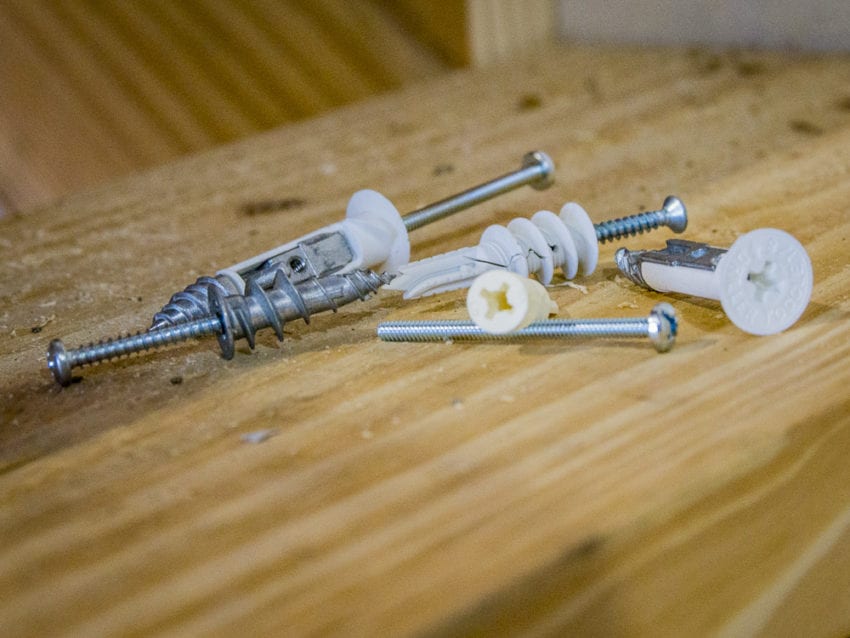
Plastic Expansion Anchors
Plastic expansion anchors fit into drilled holes in drywall or plaster. They expand when a screw is inserted. This grip holds light to medium loads securely. They are easy to install and cost-effective.
Toggle Bolts
Toggle bolts have spring-loaded wings that open inside hollow walls. These wings spread the load over a wide area. They support heavy items on drywall or hollow walls. Installation requires a larger hole for the wings.
Molly Bolts
Molly bolts are metal anchors that expand behind the wall. They provide a strong hold in drywall and plaster. These anchors are good for medium-weight objects. They stay firmly in place once installed.
Sleeve Anchors
Sleeve anchors work well in concrete, brick, or block walls. They expand inside the hole as the screw tightens. This creates a solid, secure hold for heavy loads. They need a hammer drill for installation.
Tools Needed For Drilling
Drilling anchors into a wall needs the right tools. These tools help make the job easier and safer. Using proper tools also ensures the anchors hold well. Below are the key tools you need for drilling anchors.
Drill And Drill Bits
A drill is the main tool to make holes for anchors. Choose a drill with good power and control. Use drill bits sized to match the anchors. For example, a 6mm anchor needs a 6mm drill bit. This ensures a snug fit for the anchor. Use masonry bits for concrete or brick walls.
Hammer And Screwdriver
A hammer helps tap anchors into the drilled holes. Some anchors need gentle tapping to fit properly. A screwdriver is needed to drive screws into anchors. Use the right screwdriver type, either flat or Phillips head. This ensures screws tighten securely without damage.
Measuring Tape And Pencil
Measure carefully where you want to place anchors. Use a measuring tape for accurate spacing. Mark spots on the wall with a pencil. Clear marks help drill holes in the right places. This avoids mistakes and keeps your project neat.
Level And Safety Gear
A level ensures anchors are straight and aligned. Place the level on marked spots before drilling. Safety gear protects you during drilling. Wear safety glasses to shield your eyes from dust. Use gloves to protect hands from sharp tools. Proper gear keeps the job safe and clean.
Preparing The Wall
Preparing the wall is an important step before drilling anchors. It ensures the anchors hold firmly and the wall stays safe. Careful preparation helps avoid damage and saves time.
Locating The Right Spot
Choose a strong part of the wall for your anchors. Avoid weak areas like cracks or thin drywall. Use a stud finder to find wooden studs behind the wall. Anchors hold better in studs or solid surfaces.
Marking Drill Points
Mark exact points where you will drill. Use a pencil for clear, easy-to-see marks. Measure twice to make sure marks are even. Proper marks help keep your project straight and balanced.
Checking For Obstacles
Check behind the wall for pipes, wires, or cables. Use a wire detector or stud finder with live wire detection. Avoid drilling into anything that can cause damage or danger. Safety is the top priority.
Drilling The Hole
Drilling the hole is the key step to install wall anchors properly. A clean and accurate hole ensures the anchor fits tight. This holds your items securely and prevents damage to the wall. Careful drilling also saves time and effort later.
Choosing The Correct Drill Bit Size
Select a drill bit that matches the anchor size exactly. Too small, and the anchor won’t fit. Too large, and the anchor will be loose. Check the anchor packaging for the recommended drill bit size. Use a sharp bit for clean holes.
Setting Drill Speed And Pressure
Use a slow to medium drill speed for better control. High speed may damage the wall or bit. Apply steady pressure, not too hard or soft. Let the drill do the work without forcing it. Smooth drilling reduces cracking and dust.
Drilling At The Right Angle
Hold the drill straight, perpendicular to the wall surface. Angled drilling causes uneven holes and weak anchor hold. Use a level or guide for accuracy. Steady hands help keep the drill steady. Straight holes ensure the anchor sits flush.
Installing The Anchor
Installing anchors into a wall is a key step in making sure your items stay secure. Each type of anchor has its own method for installation. This guide covers common anchors and shows how to install each one correctly.
Inserting Plastic Anchors
Start by drilling a hole that matches the anchor’s size. Gently push the plastic anchor into the hole. Tap it lightly with a hammer until it is flush with the wall. The anchor should fit snugly without wobbling. Now, you can drive a screw into the anchor to hold your item firmly.
Fixing Toggle Bolts
Drill a hole large enough for the toggle to pass through when folded. Thread the bolt through your item’s mounting hole and screw on the toggle. Push the toggle through the wall hole until it opens behind the wall. Pull the bolt outward to lock the toggle in place. Tighten the bolt to secure your fixture firmly.
Securing Molly Bolts
Drill a hole matching the molly bolt’s size. Insert the molly bolt into the hole until the flange is flush with the wall. Use a screwdriver to turn the screw, expanding the anchor behind the wall. This expansion grips the wall tightly. Remove the screw, then place your item and reinsert the screw to hold it securely.
Using Sleeve Anchors
Drill a hole that fits the sleeve anchor. Push the anchor into the hole until the flange is flush with the wall. Tighten the bolt to expand the sleeve inside the hole. The expansion locks the anchor firmly in place. Now, your item is supported by a strong, stable hold.
:max_bytes(150000):strip_icc()/how-to-use-and-discard-anchor-screws-1822671_04_3225-fb61b874b829410e8ef26f3453ef35f0.jpg)
Credit: www.thespruce.com
Securing The Fixture
Securing the fixture is the key step after drilling anchors into the wall. It ensures your item stays in place without falling or shifting. Properly fixing the fixture gives strong support and safety.
Aligning The Fixture
Place the fixture carefully over the drilled anchors. Check the holes on the fixture match the anchors perfectly. Make sure it sits flat against the wall. This helps to avoid any gaps or unevenness. Correct alignment makes the fixing strong and neat.
Driving Screws Properly
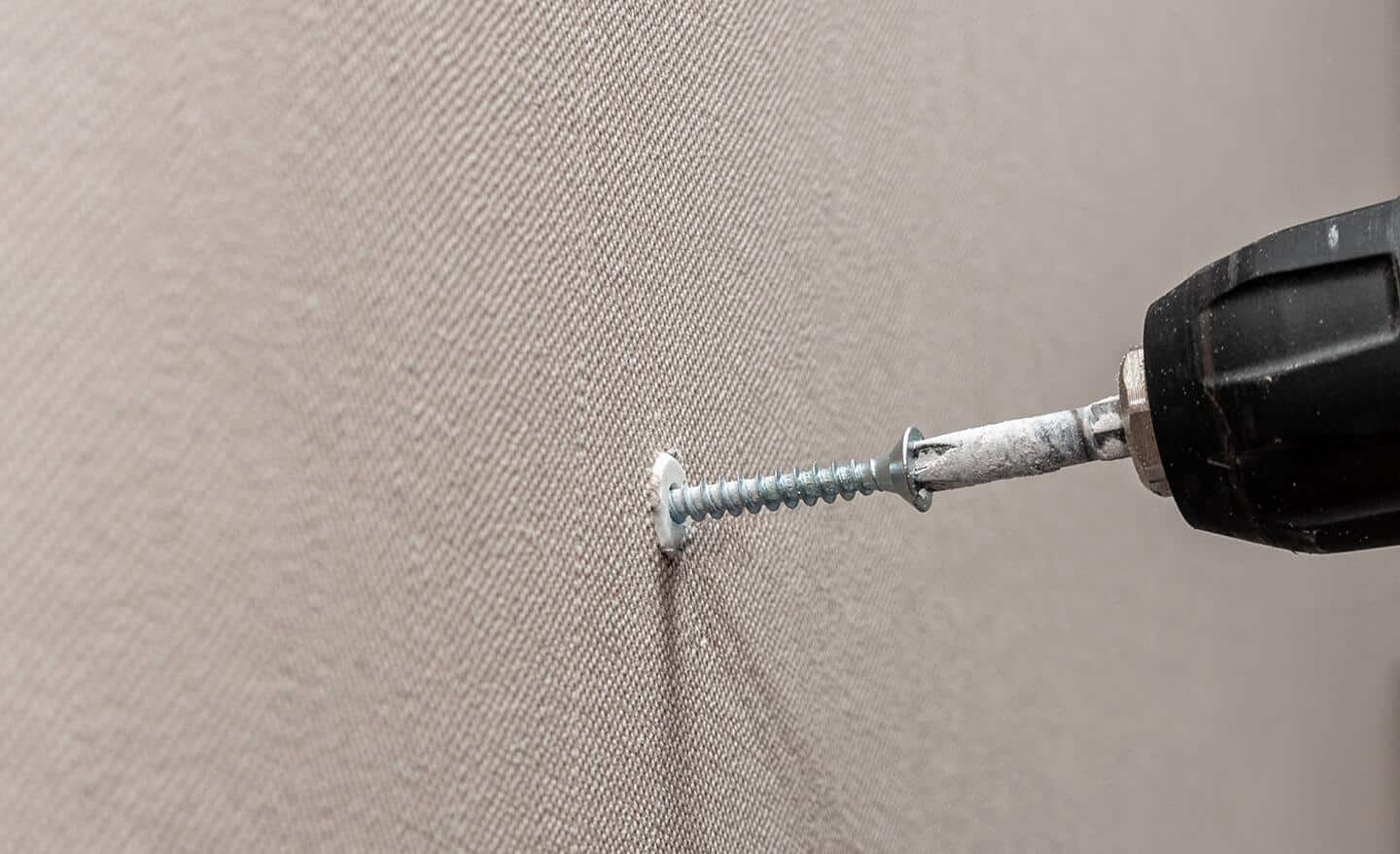
Use the right screwdriver or drill bit for the screws. Insert screws straight into the anchors to avoid damage. Tighten screws firmly but do not over-tighten. Over-tightening can strip the anchor or damage the wall. Turn screws slowly and stop when tight and secure.
Checking Stability
After securing, gently wiggle the fixture to test its hold. It should feel solid and not move. If it shifts, check screws and anchors again. Tighten or reposition as needed. A stable fixture ensures safety and lasting support.
Tips For Strong Fixing
Strong fixing makes your wall anchors hold tight and last long. It stops items from falling or loosening over time. Small steps during drilling help a lot. Follow these tips to get the best results.
Avoiding Overdrilling
Drill only as deep as needed. Overdrilling makes holes too big for anchors. Loose anchors do not hold weight well. Use a drill stop or tape on the bit. It shows the exact depth to drill. Take your time and check often.
Choosing The Right Anchor For Wall Type
Walls differ: drywall, brick, or concrete. Each needs a special anchor for strong grip. Plastic anchors suit drywall well. Metal anchors work better for brick and concrete. Match anchors to wall material. This choice keeps your items safe and secure.
Ensuring Proper Depth
Anchor must fit fully inside the hole. Too shallow means weak holding power. Too deep can reduce grip strength. Mark the drill bit to control depth. Insert anchor so it sits flush with the wall. Check the depth before fixing the item.
Credit: www.protoolreviews.com
Common Mistakes To Avoid
Drilling anchors into a wall sounds simple but can be tricky. Many make mistakes that cause damage or weak fixes. Avoiding common errors helps secure anchors well and keeps walls safe.
Ignoring Wall Material
Not checking wall type leads to wrong anchor choice. Drywall, brick, and concrete need different anchors. Using the wrong one causes loose or falling anchors. Always identify wall material before drilling.
Using Wrong Drill Bit Size
Too big or small drill bits cause problems. A large hole makes anchors loose. A small hole makes drilling hard and may crack the wall. Match drill bit size exactly to anchor size.
Skipping Safety Precautions
Drilling can be dangerous without safety gear. Eye protection stops dust and debris from hurting eyes. Gloves protect hands from sharp edges. Always wear safety glasses and gloves before starting.
Credit: www.homedepot.com
Frequently Asked Questions
What Tools Are Needed To Drill Wall Anchors Properly?
You need a drill, appropriate drill bit, wall anchors, and a screwdriver. Safety goggles and a dust mask are also recommended for protection.
How Do I Choose The Right Anchor For My Wall?
Select anchors based on wall material and weight load. Plastic anchors suit light loads; metal anchors handle heavier items.
Can I Drill Anchors Into Drywall Without Studs?
Yes, use drywall anchors specifically designed for drywall. Avoid heavy loads unless anchors are rated for extra strength.
What Drill Bit Size Should I Use For Anchors?
Match the drill bit size to the anchor diameter. This ensures a snug fit and proper holding strength.
Conclusion
Drilling anchors into a wall is simple with the right steps. Choose the correct drill bit and anchor for your wall type. Measure carefully and drill straight for a strong hold. Take your time and avoid rushing the process. This will help keep your items secure and your wall safe.
Practice these tips to feel confident in your DIY projects. Small efforts lead to better results every time.