Are you tired of struggling with loose screws and unstable shelves on your drywall? You’re not alone.
Putting a wall anchor in drywall might sound tricky, but once you know the simple steps, you can hang anything securely without worry. Imagine your pictures, mirrors, or shelves staying firmly in place, adding style and function to your space.
In this guide, you’ll learn exactly how to choose, insert, and secure wall anchors easily—no guesswork, no frustration. Keep reading, and you’ll gain the confidence to tackle your next drywall project like a pro.

Credit: www.wikihow.com
Choosing The Right Wall Anchor
Choosing the right wall anchor is important for a secure hold. Different anchors work best for different walls and weights. Picking the correct one prevents damage and ensures safety.
Types Of Wall Anchors
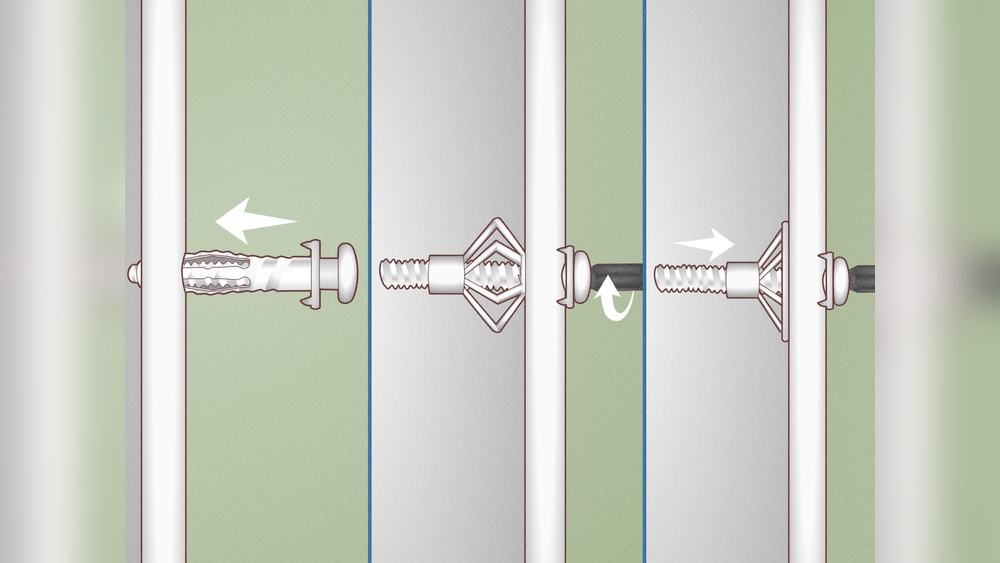
Plastic expansion anchors are common and easy to use. They work well for light loads and drywall. Metal anchors offer stronger support for medium weights. Toggle bolts provide the best hold in drywall for heavy items. Molly bolts are good for medium to heavy loads and create a strong grip inside the wall.
Selecting Based On Weight And Wall Type
Light items like small pictures need simple plastic anchors. Medium-weight items, such as shelves, require metal or molly bolts. Heavy objects like large mirrors or TVs need toggle bolts. Drywall is fragile, so choose anchors designed for it. For plaster or thicker walls, select anchors made for those materials.
Tools And Materials Needed
Preparing to put a wall anchor in drywall requires the right tools and materials. Having these ready makes the job easier and safer. This section breaks down what you need before starting.
Essential Tools
Start with a drill or screwdriver. These help create holes and secure the anchor. Use a drill bit that matches the anchor size for a snug fit. A measuring tape is useful to mark the exact spot on the wall. A pencil helps make clear marks. A level ensures your installation is straight. Finally, keep a hammer nearby for some anchor types that need tapping.
Safety Gear
Protect your eyes with safety goggles. Dust and small debris can fly while drilling. Wear gloves to avoid cuts or scrapes on your hands. A dust mask helps prevent inhaling drywall particles. Closed-toe shoes guard your feet from dropped tools or debris. Safety first ensures your work goes smoothly without accidents.
Preparing The Drywall
Preparing the drywall is the first step to install a wall anchor correctly. It helps the anchor hold tight and keeps your wall safe from damage.
Proper preparation means your anchor will stay strong and last longer. Take your time to get this part right before drilling.
Marking The Spot
Start by deciding where the anchor will go. Use a pencil to mark the exact spot on the drywall. Make sure the mark is clear and easy to see.
Double-check the spot’s height and position. This ensures the anchor supports what you want to hang or attach.
Checking For Obstacles Behind The Wall
Look behind the wall before drilling. Use a stud finder to check for pipes, wires, or studs. Avoid these areas to prevent damage.
Mark safe spots where no obstacles are found. This keeps your wall and home safe during installation.
Credit: www.bobvila.com
Drilling The Hole
Drilling the hole is a key step in putting a wall anchor into drywall. The hole must be the right size and drilled correctly. This helps the anchor fit well and hold strong. A good hole keeps the anchor steady and the item secure on the wall.
Choosing The Drill Bit Size
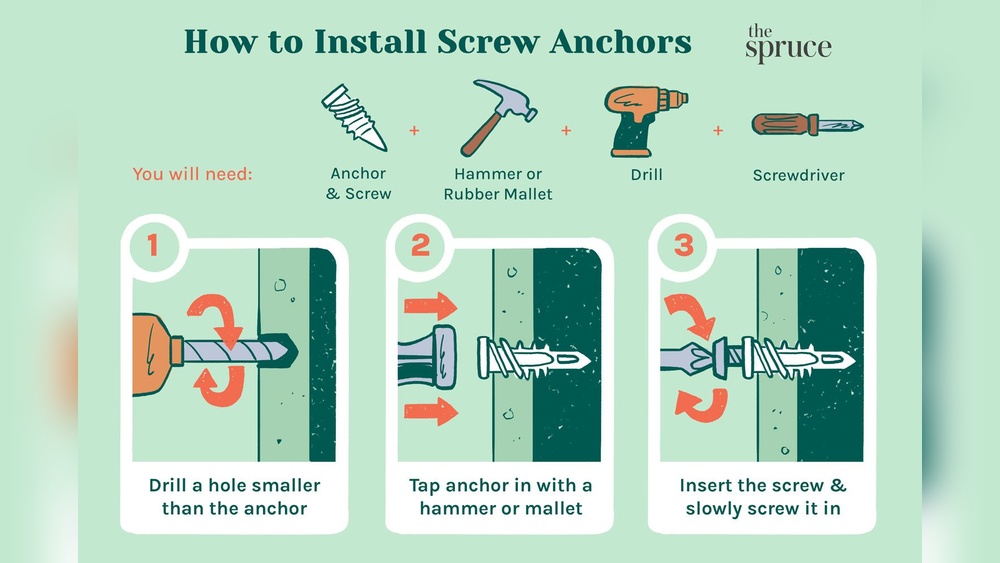
Pick a drill bit that matches the wall anchor size. The hole should be just wide enough for the anchor. Too big a hole makes the anchor loose. Too small a hole can crack the drywall or break the anchor. Check the anchor package for the recommended drill bit size.
Proper Drilling Technique
Hold the drill steady and straight to the wall. Start drilling slowly to avoid slipping. Drill until the hole is as deep as the anchor length. Pull the drill out carefully to keep the hole clean. Avoid pushing too hard to stop damage to drywall.
Inserting The Wall Anchor
Inserting a wall anchor into drywall is a key step for strong support. It helps hold screws tightly and prevents damage. The process is simple but needs care to avoid mistakes. Follow these steps to insert the anchor properly and ensure your item stays secure.
Pushing Or Screwing In The Anchor
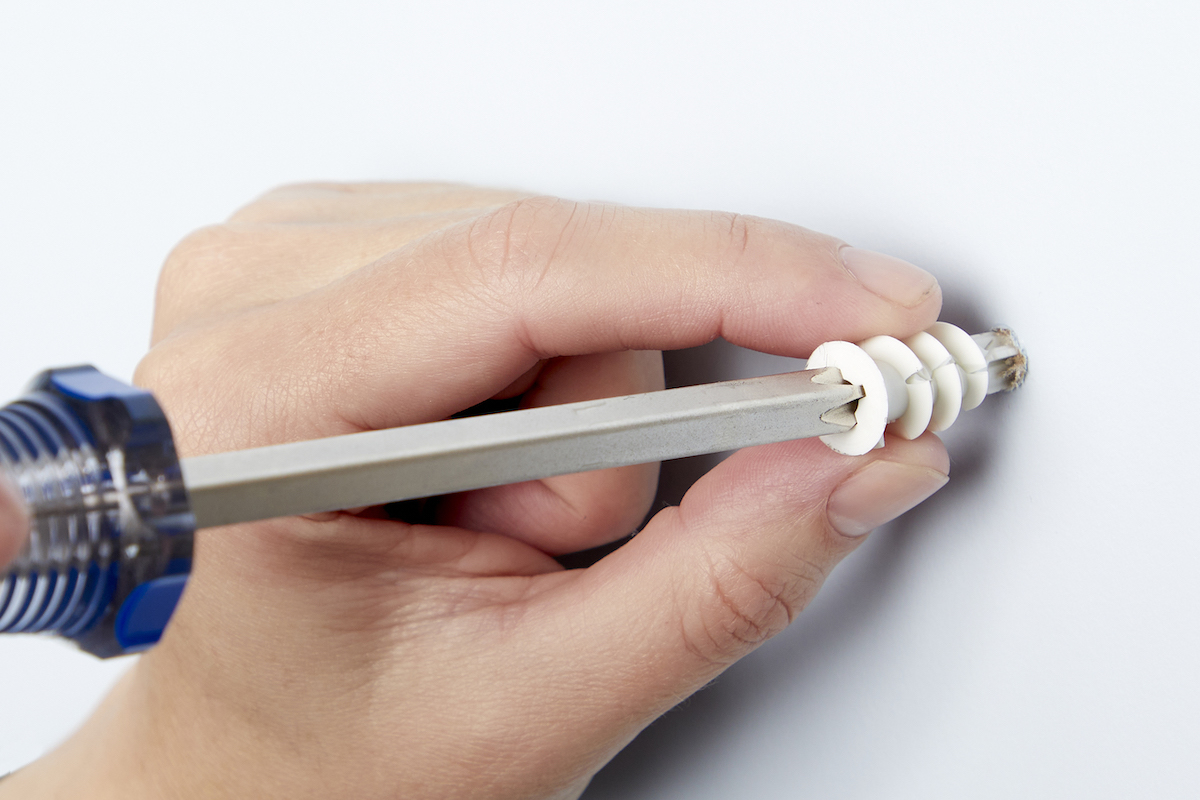
Some anchors push directly into the drywall. Use your thumb or a hammer to tap them gently. Others need to be screwed in. Turn them clockwise using a screwdriver. Do this slowly to avoid cracking the drywall. Make sure the anchor sits flush with the wall surface. This creates a better hold.
Ensuring A Secure Fit
Check the anchor’s fit by lightly pulling it. It should feel firm and not move. If loose, remove and try a larger anchor. The anchor must grip the drywall tightly. This prevents the screw from pulling out later. A secure anchor supports more weight safely.

Credit: www.youtube.com
Attaching The Screw Or Hook
Attaching the screw or hook to the wall anchor is a key step in securing items on drywall. This step must be done carefully to ensure the anchor holds tight. The right screw and proper tightening keep your items safe and stable.
Selecting The Right Screw
Choose a screw that fits the wall anchor size. The screw should slide in smoothly without forcing. Avoid screws that are too short; they will not hold well. Too long screws can damage the drywall or anchor. Use screws with a flat or round head for better grip. Match the screw type to the item you want to hang. Metal hooks need machine screws, while wood screws work for simple items.
Final Tightening Tips
Turn the screw slowly to avoid stripping the anchor. Tighten until the screw feels secure but do not overtighten. Over-tightening can break the anchor or damage the wall. Use a screwdriver for control rather than a power drill. Check if the item hangs firmly. Test the anchor by gently pulling on the screw or hook. If loose, remove and try a larger anchor or screw size.
Testing The Anchor Strength
Testing the strength of a wall anchor in drywall is crucial for safety and durability. It ensures your anchor holds the weight without slipping or damaging the wall. This step helps avoid accidents or damage to your items and walls. Here are two important ways to test the anchor strength effectively.
Applying Weight Gradually
Start by hanging a light item on the anchor. Check if it holds steady without moving. Slowly add more weight in small steps. Observe the wall and anchor closely for any signs of slipping or cracking. Stop adding weight once you feel any looseness. This method prevents sudden failures and protects your wall.
Troubleshooting Loose Anchors
If the anchor feels loose, remove the item carefully. Tighten the screw or push the anchor deeper into the wall. You might need to use a bigger anchor for more support. Another option is to move the anchor to a new spot in the drywall. Always test again after fixing to ensure safety.
Tips For Long-lasting Support
Proper care helps wall anchors last longer and hold better. Small steps make a big difference. Follow these tips to keep your anchors strong and safe.
Avoiding Overloading
Do not hang items heavier than the anchor’s limit. Check the weight rating before use. Heavy objects can pull anchors loose or damage drywall. Use multiple anchors for extra support on bigger items. Always spread the weight evenly across anchors.
Regular Maintenance Checks
Inspect anchors often for any signs of damage or movement. Tighten screws if they become loose over time. Look for cracks or holes around the anchor. Replace any damaged anchors quickly. Regular checks prevent accidents and keep walls safe.
Frequently Asked Questions
What Tools Are Needed To Install Drywall Anchors?
You need a drill, screwdriver, wall anchors, and a hammer. A measuring tape and pencil help mark the spot. These tools ensure precise and secure drywall anchor installation.
How Do You Choose The Right Wall Anchor?
Select anchors based on weight capacity and drywall thickness. Plastic anchors suit light loads, while metal anchors handle heavier items. Proper choice prevents damage and ensures stability.
Can I Reuse Drywall Anchors?
Generally, drywall anchors are designed for one-time use. Removing them can damage drywall, reducing holding strength. It’s best to install new anchors for each use to maintain security.
How Deep Should I Drill For Drywall Anchors?
Drill a hole slightly smaller than the anchor’s diameter. This allows a tight fit, ensuring the anchor grips securely. Avoid drilling too deep to prevent wall damage.
Conclusion
Putting a wall anchor in drywall is simple with the right steps. Choose the correct anchor for your wall type and weight needs. Drill a hole carefully, then insert the anchor firmly. Tighten screws slowly to avoid damage. This method helps you hang items securely and safely.
Practice patience and take your time for best results. Now, hanging shelves or pictures becomes easier and more reliable. Try these tips and feel confident with your drywall projects.