Hanging curtain rods on plaster walls can feel tricky. You might worry about cracks, loose screws, or your curtains falling down.
But what if you could fix this with simple steps that make your rods strong and secure? In this guide, you’ll learn exactly how to anchor curtain rods in plaster walls so they stay put and look great. Keep reading, and you’ll gain the confidence to transform your space without damage or hassle.

Credit: abutterflyhouse.com
Choosing The Right Curtain Rod
Choosing the right curtain rod is key to a successful installation on plaster walls. The rod must fit the style of your room and the weight of your curtains. A good choice makes hanging curtains easy and keeps them secure for years.
Types Of Curtain Rods
Curtain rods come in many shapes and sizes. Some are simple metal rods, while others have decorative ends called finials. Tension rods fit inside the window frame without screws. Fixed rods need brackets and screws for support. Choose a rod that matches your room’s style and the curtain type.
Weight Considerations
Heavy curtains need strong rods and anchors. Thin rods bend under weight and cause damage. Light curtains work well with thinner rods. Measure the curtain’s weight before buying a rod. This helps avoid problems with sagging or falling.
Tools And Materials Needed
Anchoring curtain rods in plaster walls requires the right tools and materials. Using proper equipment ensures a secure hold and prevents damage to your walls. This section covers what you need to complete the job safely and effectively.
Essential Tools
Start with a drill to make holes for the anchors. A screwdriver helps tighten screws into the wall. Use a tape measure to mark the correct spot for drilling. A pencil is useful for marking measurements. A level ensures the curtain rod hangs straight. Safety goggles protect your eyes from dust. A stud finder can locate studs behind the plaster for extra support.
Anchor Options
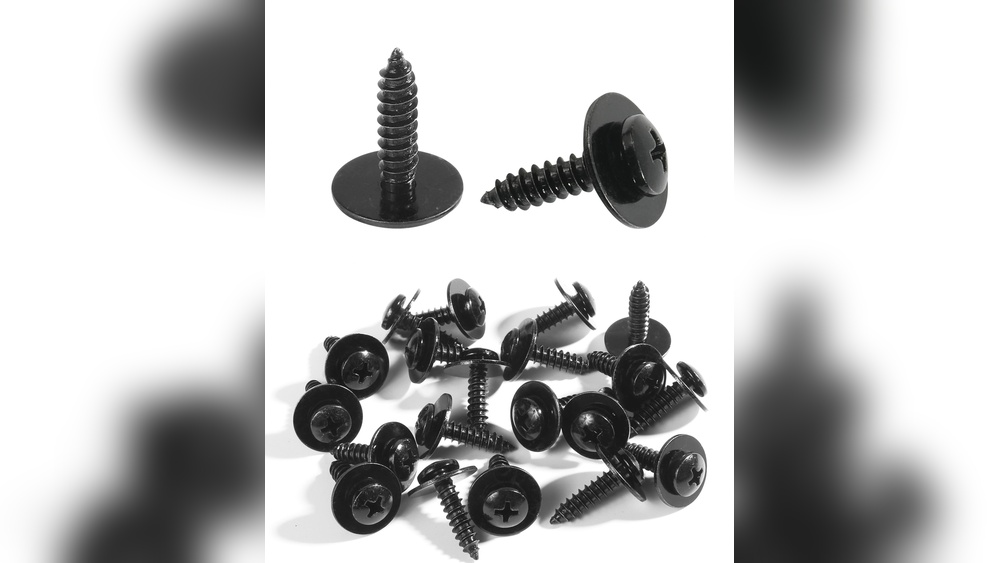
Plastic wall anchors work well for light to medium curtains. Metal toggle bolts provide strong support for heavier curtains. Molly bolts expand behind the plaster for a secure grip. Choose anchors based on the curtain weight and wall condition. Proper anchors prevent the rod from pulling out or damaging the plaster.
Locating Studs And Marking Spots
Locating studs and marking spots is the first step to hang curtain rods on plaster walls. Studs provide strong support for the rod brackets. Plaster walls can be fragile, so finding the right spot is important. Marking the spots carefully helps ensure the rod stays secure and straight.
Using A Stud Finder
A stud finder is a handy tool to locate wooden studs behind plaster. Turn it on and slowly move it along the wall. The device will beep or light up when it finds a stud. Mark this spot with a pencil. Check a few inches to the left and right to find the edges of the stud. This helps place the bracket in the middle for better support.
Measuring And Marking
Measure the width of your curtain rod and decide where to place the brackets. Usually, brackets go 3 to 6 inches from each window edge. Use a tape measure to mark these points on the wall. Confirm the marks line up with the studs. Use a level to make sure the marks are even. Draw light pencil marks at each spot. These marks guide you when drilling holes.
Preparing The Plaster Wall
Preparing the plaster wall is the first key step to anchor curtain rods safely. Plaster walls are delicate and need careful handling. Proper preparation prevents damage and ensures the rod stays secure. This part covers drilling pilot holes and handling wall cracks with care.
Drilling Pilot Holes
Start by marking the exact spots for the curtain rod brackets. Use a pencil to make small marks on the plaster. Choose a drill bit slightly smaller than the wall anchors you will use. Drill slowly and gently to avoid cracking the plaster. Keep the drill steady and straight for clean holes. Pilot holes guide the screws and reduce wall damage.
Handling Wall Cracks
Check the wall for any cracks near the mounting area. Small cracks can spread when you drill or screw in. Use a filler designed for plaster to seal cracks before installing. Let the filler dry fully to create a solid surface. If cracks are large or deep, consider a professional repair first. Secure mounting depends on a strong, stable wall surface.
Installing Anchors
Installing anchors in plaster walls is key to holding curtain rods firmly. Plaster can crack or crumble if anchors are not used properly. Choosing the right type of anchor ensures your curtains stay secure and your walls remain intact. Below are common types of anchors used for plaster walls.
Plastic Expansion Anchors
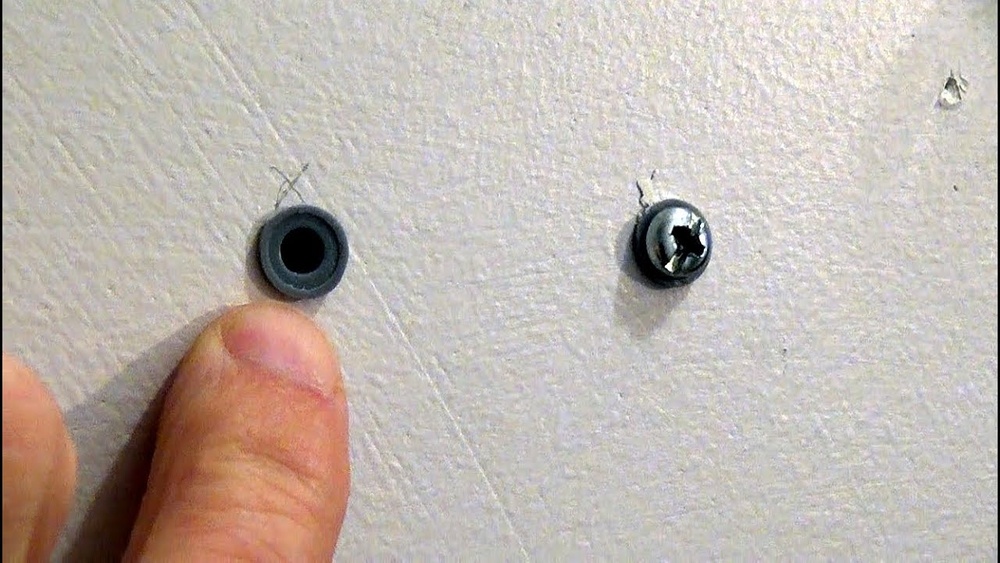
Plastic expansion anchors are simple and easy to use. Drill a hole slightly smaller than the anchor. Insert the plastic anchor into the hole. When you screw in, the anchor expands inside the wall. This creates a tight hold. These anchors work well for light to medium loads.
Toggle Bolts
Toggle bolts provide strong support in plaster walls. They have spring-loaded wings that open behind the wall. Drill a hole large enough for the closed toggle. Push the toggle through the hole. The wings open and grip the back of the plaster. Tighten the bolt for a secure fit. Toggle bolts handle heavier curtain rods well.
Molly Bolts
Molly bolts are metal anchors that expand inside the wall. Drill a hole matching the size of the molly bolt. Insert the bolt and tighten the screw. The metal sleeve expands and locks inside the plaster. Molly bolts offer strong, stable support. They are good for medium to heavy curtain rods.
Credit: thewhiteapartment.net
Mounting The Curtain Rod Brackets
Mounting curtain rod brackets on plaster walls needs care and the right steps. The brackets hold the rod and curtains, so they must be strong and steady. Using anchors is key to keep the brackets secure. This section guides you through fixing the brackets and making sure they are level for a neat look.
Securing Brackets To Anchors
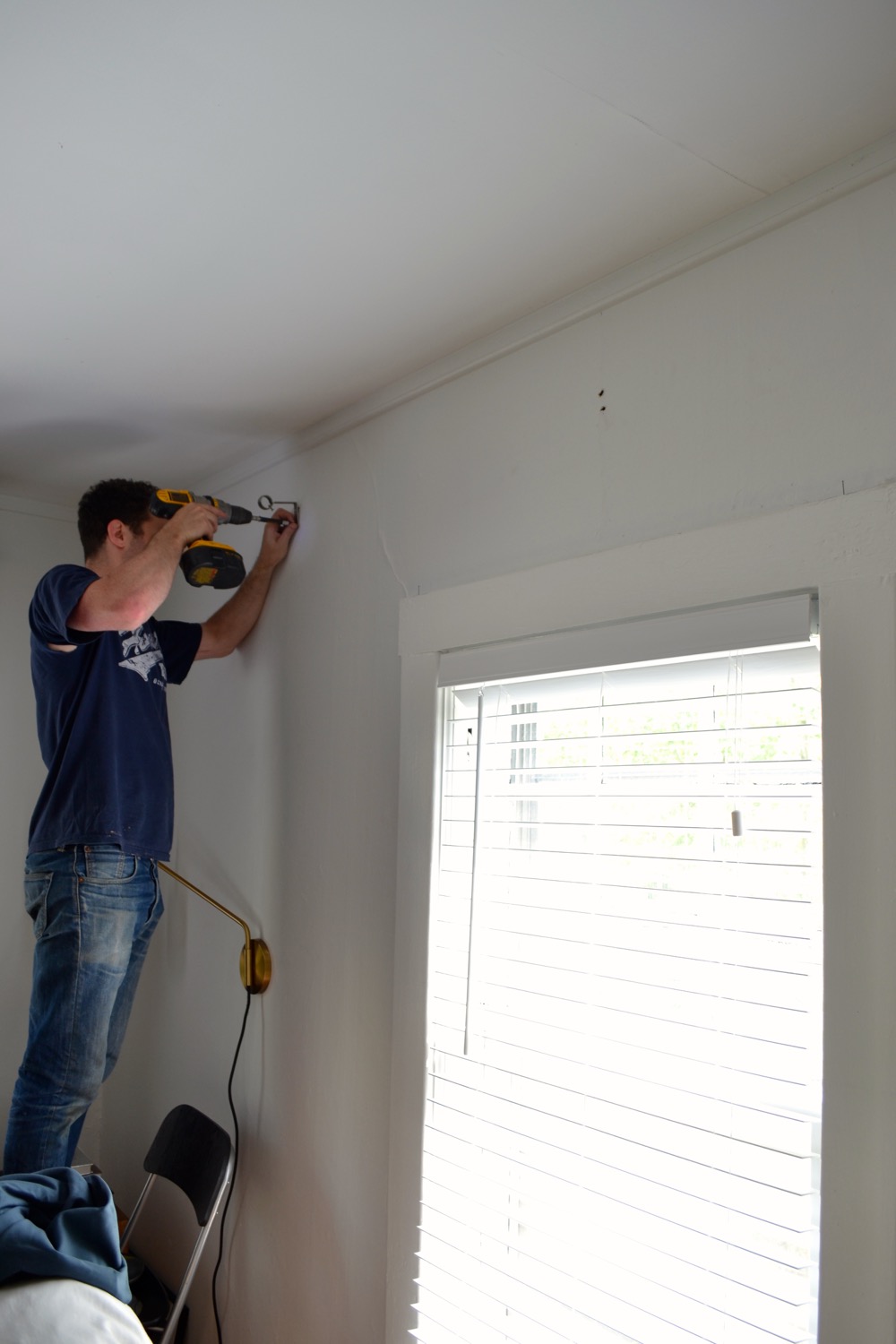
First, place the anchors firmly into the plaster wall holes. They give extra hold where screws alone might fail. Next, line up the bracket holes with the anchors. Use screws that fit the anchors snugly. Tighten each screw slowly. Stop if you feel too much pressure to avoid damage. The bracket should not wiggle once secured.
Ensuring Level Installation
Use a level tool to check the bracket’s position. Place it on top of the bracket to see if the bubble is centered. Adjust the bracket slightly if needed. Mark the correct spots before drilling holes. This step prevents curtains from hanging crooked. A level installation also improves the room’s overall look.
Hanging Curtains And Final Checks
After securing your curtain rods to plaster walls, the next step is hanging the curtains and performing final checks. This stage ensures your curtains hang properly and the rod stays firmly in place. Proper hanging and stability tests help avoid damage to walls or curtains.
Attaching Curtains
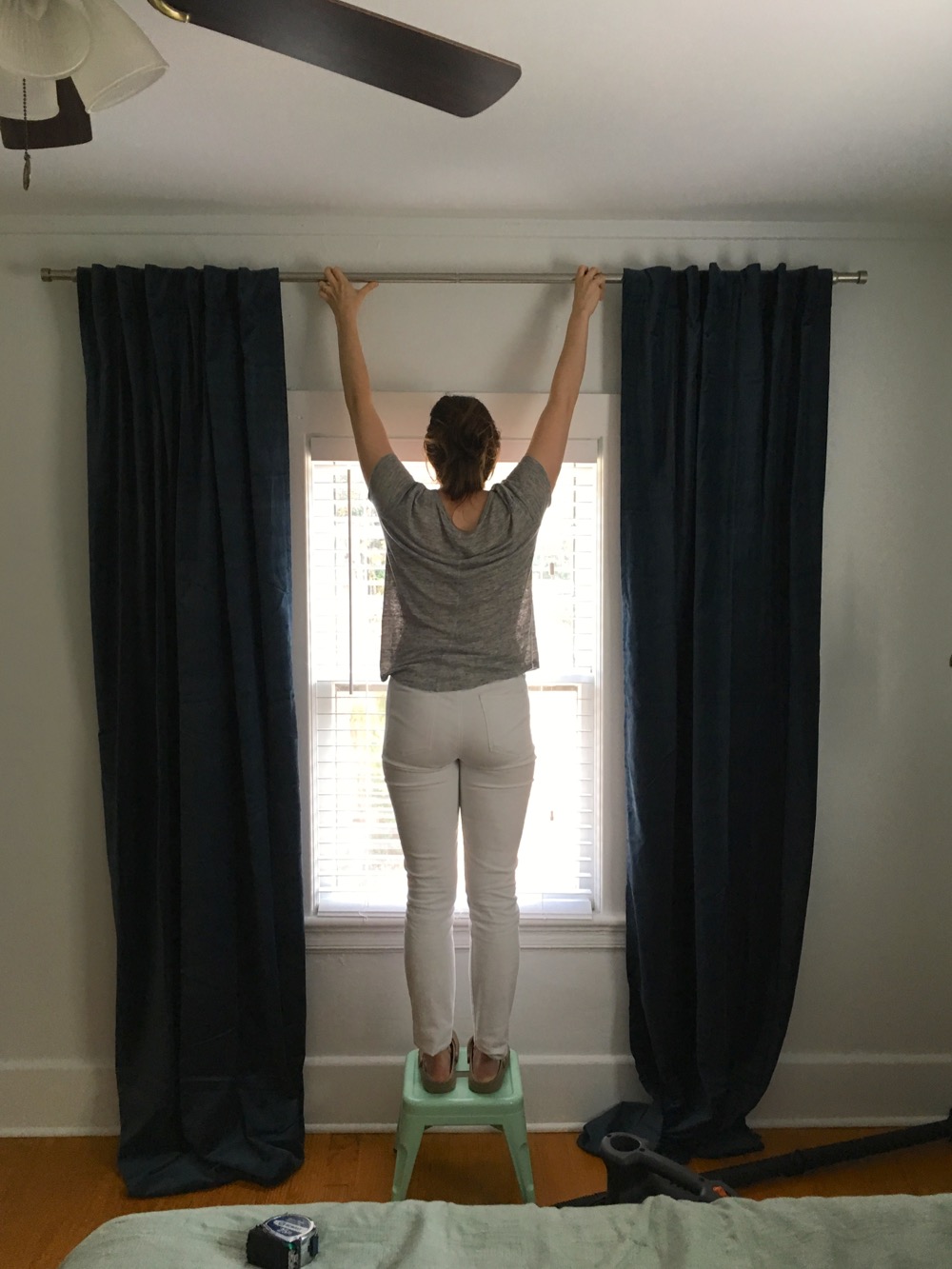
Start by sliding curtain rings or hooks onto the rod. If your curtains have grommets, thread the rod through them carefully. For curtains with tabs or loops, place the rod inside each loop. Make sure the fabric spreads evenly across the rod. Adjust the curtains so they hang straight and look neat.
Testing Stability
Once curtains are hung, gently pull on the rod from different angles. Check if the rod feels solid and does not wobble. If it moves, tighten screws or anchors. Avoid heavy curtain fabrics that may strain the plaster anchors. Stability ensures safety and long-lasting installation.
Credit: thewhiteapartment.net
Tips For Maintenance And Safety
Maintaining curtain rods anchored in plaster walls is important for safety and durability. Proper care helps avoid accidents and wall damage. Follow simple tips to keep your curtain rods secure and your walls intact.
Regular checks prevent problems before they start. Small repairs save time and money later. Safety is easier with good habits.
Regular Inspections
Check curtain rods often. Look for loose screws or brackets. Tighten any parts that feel wobbly. Notice if the rod sags or bends. Examine the wall around the anchor points for cracks or holes. Early detection stops bigger damage.
Perform inspections every few months. After storms or heavy use, check again. Use a step ladder for a close look. Safety first, always.
Avoiding Wall Damage
Use the right anchors for plaster walls. Plastic anchors may not hold well. Choose metal or toggle anchors for better grip. Avoid heavy curtains on weak rods. Spread the weight evenly across anchors.
Do not overload the rod. Pull curtains gently to avoid stress. Prevent water damage near rods. Moisture weakens plaster and anchors. Keep walls dry and clean around the rods.
Frequently Asked Questions
How Do I Find Studs In Plaster Walls?
Use a stud finder or tap the wall to hear a solid sound. Mark the stud locations before drilling.
What Anchors Work Best For Plaster Walls?
Toggle bolts and molly bolts provide strong support. They spread weight evenly inside the wall.
Can I Drill Directly Into Plaster?
Drill slowly with a masonry bit to avoid cracks. Use anchors to secure the curtain rod properly.
How Much Weight Can Plaster Wall Anchors Hold?
Most anchors support 20-50 pounds. Check product specifications to ensure they suit your curtain weight.
Conclusion
Anchoring curtain rods in plaster walls is simple with the right steps. Use proper anchors to keep rods secure and stable. Measure carefully and mark spots before drilling holes. Choose anchors made for plaster to avoid wall damage. Take your time to ensure a neat finish.
With patience and good tools, your curtains will hang perfectly. Enjoy the new look and steady support for your curtains.