Are you worried about your furniture tipping over and causing accidents at home? Anchoring your furniture to the wall is one of the simplest and most effective ways to keep your space safe and secure.
Whether you have kids, pets, or just want to prevent costly damage, knowing how to anchor furniture properly can save you from unexpected mishaps. You’ll discover easy steps to anchor your furniture firmly, without needing special tools or experience. Keep reading to protect your home and gain peace of mind today.
Why Anchor Furniture
Anchoring furniture to the wall is a simple step that adds safety and peace of mind. Many accidents happen because furniture tips over easily. Securing pieces to the wall helps keep your home safer and your furniture steady. It is important for every home, especially those with children or pets.
Preventing Tip-overs
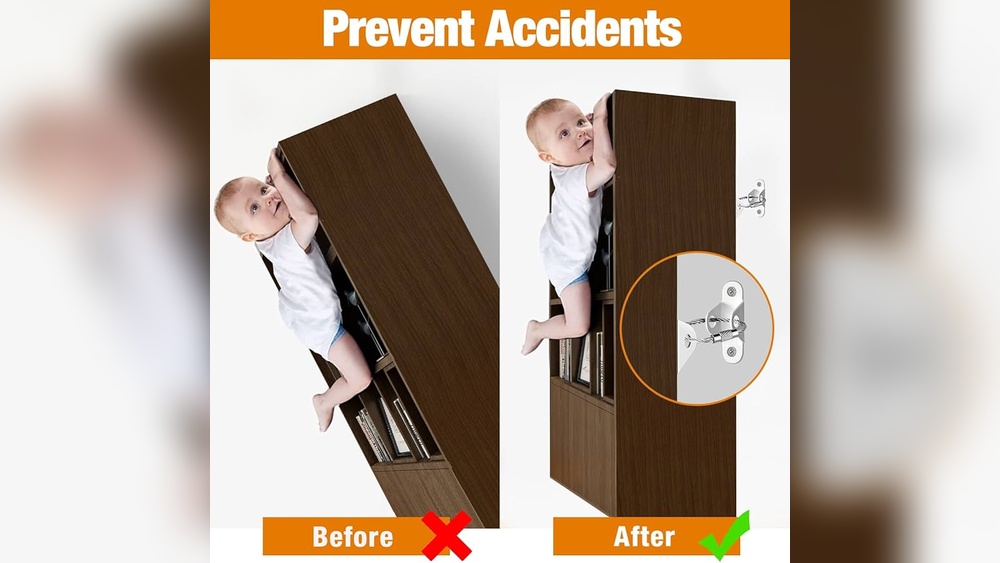
Furniture can tip over if pulled or pushed. Tall dressers, bookshelves, and TVs are most at risk. Anchoring stops them from falling forward. This prevents damage to the furniture and floors. It also stops injuries caused by falling objects.
Protecting Children And Pets
Children love to climb and explore. Pets may jump or bump into furniture. Both can cause heavy items to fall. Anchoring keeps furniture in place during these moments. It creates a safer space for your loved ones to move freely.
Maintaining Stability
Anchored furniture stays steady even on uneven floors. It reduces shaking caused by daily use. This stability helps furniture last longer. It also keeps items on shelves from sliding off. Your home feels more secure and organized.
Types Of Wall Anchors
Choosing the right wall anchor is key to safely securing furniture. Different anchors fit different wall types and weights. Understanding these options helps protect your walls and furniture.
Plastic Expansion Anchors
Plastic expansion anchors work well with drywall and light loads. Insert the anchor into a pre-drilled hole. As the screw tightens, the anchor expands. This expansion grips the drywall firmly. These anchors are simple and affordable. They suit small shelves and light furniture.
Toggle Bolts
Toggle bolts hold heavy items on hollow walls. They have metal wings that open inside the wall cavity. The wings spread the load over a larger area. This makes them strong and reliable. Use toggle bolts for heavy furniture or large shelves.
Molly Bolts
Molly bolts are metal anchors for drywall and plaster. Insert them into a drilled hole and tighten the screw. This action expands the anchor behind the wall. It creates a strong hold for medium weight items. Molly bolts work well for cabinets and mirrors.
Stud Mounting
Stud mounting is the strongest method to anchor furniture. Find a wall stud using a stud finder. Drill directly into the stud and secure the furniture. This method supports the most weight. Ideal for heavy dressers or large bookcases.
Tools You’ll Need
Anchoring furniture to a wall keeps your home safe and tidy. You need the right tools to do this job well. These tools help you work faster and make sure the furniture stays put.
Drill And Bits
A drill makes holes in the wall for anchors and screws. Choose drill bits that match your wall type. Wood, drywall, and concrete need different bits. A good drill saves time and effort.
Screwdrivers
Screwdrivers help you tighten or loosen screws. Have both flathead and Phillips screwdrivers ready. They fit different screw heads. Using the right screwdriver stops damage to screws and tools.
Measuring Tape
Measuring tape shows exact distances on walls and furniture. Measure twice to avoid mistakes. Correct measurements make sure anchors go in the right spot. This keeps your furniture balanced and safe.
Level
A level checks if your furniture is straight. Place it on the furniture edge or wall marks. A level prevents crooked furniture that looks bad and can fall. This tool helps you finish the job with care.
Credit: www.childproofingexperts.com
Preparing The Furniture And Wall
Preparing the furniture and wall is the first step in securing furniture safely. This step helps prevent accidents and keeps your space organized. Proper preparation also makes the anchoring process smoother and more reliable.
Start by examining the furniture to find the best places to attach anchors. Then, check the wall for strong points to hold the anchors firmly. Marking exact spots for drilling ensures accuracy and prevents mistakes.
Choosing The Anchor Points
Pick anchor points on furniture that are sturdy and solid. Avoid thin or weak parts that might break under pressure. The back corners or frame edges usually work well. Check for any screws or joints that can hold the anchor securely.
Locating Wall Studs
Wall studs provide the strongest support for anchors. Use a stud finder to locate these wooden beams behind the drywall. Move the tool slowly across the wall to find the edges of each stud. Mark the center for best results. Anchoring into studs keeps furniture stable and safe.
Marking Drill Spots
After choosing anchor points and finding studs, mark the drill spots carefully. Use a pencil to make small marks on the wall and furniture. Double-check the marks to ensure they line up perfectly. This step helps avoid wrong holes and saves time.
Step-by-step Anchoring Process
Anchoring furniture to the wall is a smart way to prevent accidents and keep your space safe. This step-by-step process will guide you through each part of the task. Follow these simple steps to secure your furniture firmly.
Drilling Pilot Holes
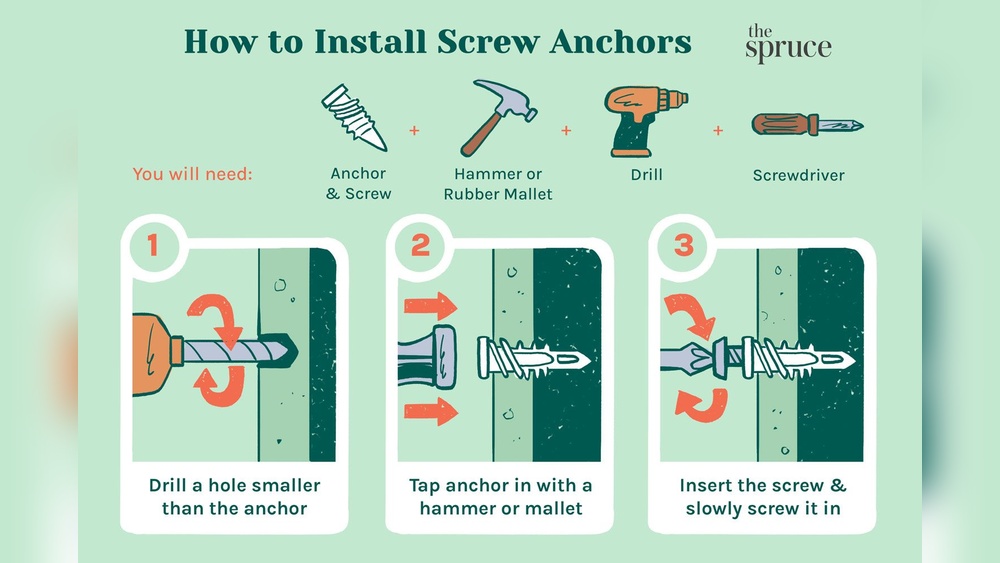
Start by marking where the anchors will go on the wall. Use a pencil to make small marks. Choose a drill bit slightly smaller than the anchor size. Drill pilot holes at the marks carefully. This helps the anchors fit tightly and prevents wall damage.
Installing Wall Anchors
Push the wall anchors into the pilot holes. Tap gently with a hammer if needed until they sit flush. Wall anchors give extra grip in drywall or plaster. They hold screws firmly, ensuring the furniture stays in place.
Attaching Brackets To Furniture
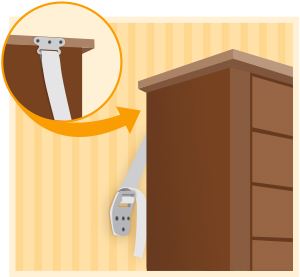
Locate the brackets that come with your furniture. Align them on the back or underside where the wall will support. Use screws to fix brackets securely to the furniture. Tighten screws so the brackets do not move.
Securing Furniture To Wall
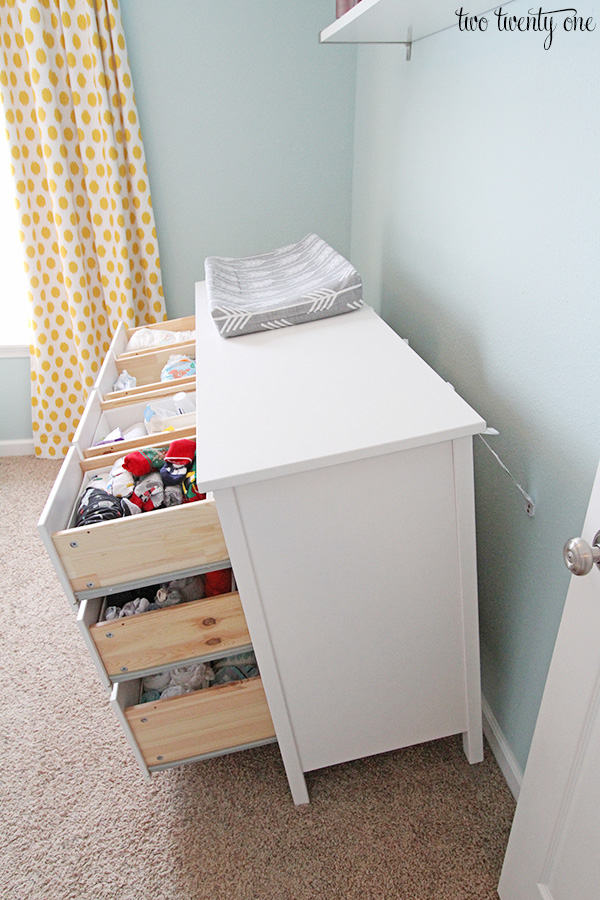
Hold the furniture close to the wall. Match the bracket holes with the wall anchors. Insert screws through the brackets into anchors. Tighten screws fully to lock the furniture in place. Check stability by gently shaking the piece.
Credit: alkasibhealthcare.com
Safety Tips
Anchoring furniture to the wall keeps your home safe and secure. It prevents heavy items from tipping over and causing injuries. Following safety tips ensures your anchors stay strong and effective over time.
Checking Anchor Strength
Choose anchors that fit your wall type and furniture weight. Test the anchors after installation to confirm they hold firmly. Weak anchors can fail and lead to accidents.
Regular Inspections
Check your anchored furniture every few months. Look for loose screws or shifts in position. Fix any issues right away to keep the furniture stable.
Avoiding Overloading
Do not put more weight on furniture than the anchor can hold. Heavy items can break the anchor or damage the wall. Know the weight limits and follow them carefully.
Common Mistakes To Avoid
Anchoring furniture to the wall is important for safety. Many people make mistakes that weaken the hold or damage walls. Avoid these common errors to keep furniture stable and safe.
Ignoring Wall Material
Different walls need different anchors. Drywall, plaster, brick, and concrete all require special tools. Using the wrong method can cause damage or loose anchors. Always check what kind of wall you have first.
Using Wrong Anchors
Not all anchors hold the same weight. Light anchors fail under heavy furniture. Heavy-duty anchors prevent accidents. Choose anchors made for the weight and type of furniture you secure.
Improper Measurements
Wrong measurements lead to misplaced holes. This weakens support and can ruin the wall. Measure twice before drilling. Ensure anchors line up with furniture brackets exactly.

Credit: www.amazon.com
Frequently Asked Questions
How Do I Anchor Furniture To Drywall Safely?
Use wall anchors or toggle bolts designed for drywall. Locate studs with a stud finder for stronger support. Secure the furniture bracket to both the wall and the furniture. This prevents tipping and enhances safety, especially in homes with children or pets.
What Tools Are Needed To Anchor Furniture To Walls?
You’ll need a stud finder, drill, screwdriver, wall anchors or brackets, and a measuring tape. These tools help you securely attach furniture to the wall. Proper tools ensure a safe and stable installation, reducing the risk of accidents.
Can I Anchor Furniture To Plaster Walls?
Yes, but use anchors designed for plaster or masonry. Drill carefully to avoid cracking the plaster. Use toggle bolts or molly bolts for better grip. Anchoring to plaster walls provides stability without damaging the surface.
Is It Necessary To Anchor All Types Of Furniture?
It’s essential for tall or heavy furniture like bookshelves, dressers, and cabinets. Anchoring prevents tipping accidents, especially in homes with kids. Lightweight furniture may not require anchoring but secure heavy items for safety.
Conclusion
Anchoring furniture to the wall keeps your home safe and stable. It stops heavy items from tipping over easily. Use the right tools and follow steps carefully. Check the wall type before drilling holes. Secure furniture tightly for best results.
This simple task protects children and pets from accidents. Taking time to anchor saves stress later. Keep your living space safer and more organized today.